Sebaceous Hyperplasia: Diagnosis, Outlook, and Modern Treatment Approaches

Sebaceous hyperplasia is a harmless enlargement of sebaceous, or oil, glands. It commonly appears as small yellowish or flesh-colored bumps on the forehead, cheeks, and nose.
Key Takeaways
- Sebaceous hyperplasia is a harmless enlargement of sebaceous, or oil, glands.
- It commonly appears as small yellowish or flesh-colored bumps on the forehead, cheeks, and nose.
- Diagnosis is often made by skin examination, though a biopsy may be needed if the lesion looks atypical.
- Treatment is not always necessary, but several office-based options can improve appearance.
- Any new, changing, bleeding, or painful skin lesion should be assessed by a doctor.
Sebaceous hyperplasia is a benign skin condition in which oil glands become enlarged, creating small, soft, yellowish or skin-colored bumps most often on the face. It is not skin cancer, but because it can resemble other lesions, diagnosis by a qualified clinician is important before considering treatment.
Overview: what sebaceous hyperplasia is
Sebaceous hyperplasia is a common, noncancerous skin condition caused by enlargement of the sebaceous glands, the glands that produce the skin’s natural oil. It usually shows up as small, soft, yellowish, white, or skin-colored bumps with a slight central dip. These bumps are most often seen on the forehead, cheeks, nose, and other areas of the face.
For many people, sebaceous hyperplasia is mainly a cosmetic concern rather than a medical problem. The lesions tend to grow slowly, do not spread internally, and are not contagious. They can appear singly, but it is more common to have several bumps over time.
Because these bumps can look similar to other skin growths, including some forms of skin cancer, proper evaluation matters. A dermatologist or other trained doctor can usually recognize sebaceous hyperplasia during an examination and explain whether treatment is needed or optional.
How it looks and where it appears
The classic lesion of sebaceous hyperplasia is a small bump, usually a few millimeters wide, that feels soft or slightly firm. Its surface is often smooth, and the center may appear depressed or dimpled. In some people, the lesion has a yellow tint because of the oil gland tissue beneath the skin.
These bumps most often develop on oil-rich areas of the face. The forehead and cheeks are especially common sites, but they may also appear on the nose, temples, or chin. Less commonly, they can be seen on the chest or other parts of the body where sebaceous glands are present.
Sebaceous hyperplasia generally does not itch, bleed, crust, or hurt. If a lesion becomes red, irritated, starts growing quickly, or develops a different appearance from the others, it should be checked. Conditions that may resemble it include skin cancer and other benign facial bumps, so appearance alone is not always enough for self-diagnosis.
- Usually small, round, and soft
- Often yellowish, white, or flesh-colored
- May have a central depression
- Most common on the forehead, cheeks, and nose
Why it happens: causes and risk factors

Sebaceous hyperplasia develops when individual oil glands become enlarged rather than inflamed or infected. The exact reason is not always clear, but age-related changes in the skin and sebaceous glands are thought to play a major role. It is especially common in middle-aged and older adults, though younger people can develop it as well.
Family tendency may contribute in some cases. Some people naturally have more active or prominent sebaceous glands, which may make these bumps more likely. Long-term sun exposure has also been discussed as a contributing factor because it can alter skin structure over time, particularly on the face.
People with oily skin may notice the condition more easily, but sebaceous hyperplasia is not simply the same as acne. Unlike acne, these lesions are not blocked, infected follicles with inflammatory breakouts. In certain settings, such as immunosuppression or use of specific medicines, sebaceous gland changes may be more noticeable, so a doctor may consider the broader skin and medical history during assessment.
Diagnosis and how doctors tell it apart from other lesions
Diagnosis of sebaceous hyperplasia is often clinical, meaning it is made by careful visual examination of the skin. Doctors look for the typical pattern: small yellowish papules, a soft texture, and a central dell. A magnified skin exam using dermoscopy may help show the characteristic blood vessel and gland patterns.
The key part of diagnosis is distinguishing sebaceous hyperplasia from conditions that can look similar. Basal cell carcinoma, molluscum contagiosum, milia, xanthomas, and some benign growths may overlap in appearance. This is why a persistent facial bump should not be assumed to be harmless without evaluation, especially if it is new, isolated, or changing.
If the diagnosis is uncertain, the doctor may recommend a skin biopsy. In a biopsy, a small sample is removed and examined under a microscope. This can confirm the diagnosis and rule out skin cancer. In some cases, the same visit may include both assessment and a minor in-office procedure if treatment is desired and the lesion appears straightforward.
Treatment options and modern approaches
Treatment for sebaceous hyperplasia is optional unless there is diagnostic uncertainty or repeated irritation. Many people choose no treatment once they understand the condition is benign. When treatment is wanted, the goal is usually to improve appearance or remove lesions that are bothersome in daily life.
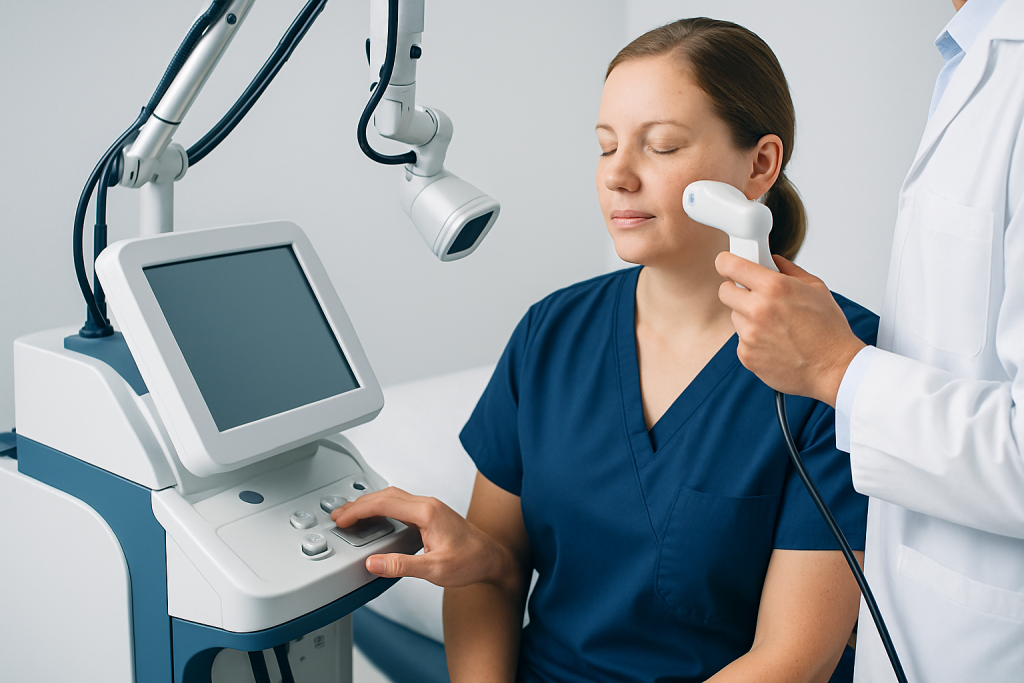
Office-based procedures are commonly used. These may include electrocautery, laser treatment, cryotherapy, photodynamic approaches, or careful removal of the raised tissue. Choice of treatment depends on the number of lesions, skin type, lesion depth, healing preferences, and the doctor’s experience. If a lesion needs closer examination or complete removal, a minor skin biopsy or targeted excision may be advised.
Topical medicines may help in selected cases, but they often have variable results compared with procedures. For people with multiple or recurrent lesions, a dermatologist may discuss options that reduce the prominence of sebaceous glands over time. When broader facial skin concerns coexist, clinicians may also assess whether related skin care or dermatology consultation could support diagnosis and long-term management.
Even with successful treatment, recurrence can happen because the skin still contains many sebaceous glands. It is helpful to understand this before any cosmetic procedure. For facial lesions where precision and cosmetic outcome matter, techniques used in laser treatment may be considered when appropriate by a qualified specialist.
Outlook, recurrence, and daily skin care
The outlook for sebaceous hyperplasia is excellent. It is a benign condition and does not become dangerous in most cases. Lesions may remain stable for long periods or slowly increase in number with age, especially in people who are naturally prone to them.
Recurrence after treatment is possible, either at the same site or in nearby glands. This does not usually mean the original treatment failed; rather, it reflects the ongoing tendency of the sebaceous glands to enlarge. For this reason, management is often focused on control and cosmetic improvement rather than permanent prevention.
Daily skin care may help support overall skin health, even though it does not guarantee that bumps will disappear. Gentle cleansing, sun protection, and using products suited to the person’s skin type can reduce irritation and make facial lesions less noticeable. Harsh picking, squeezing, or repeated home cautery attempts should be avoided because they can cause scarring, pigment changes, or infection.
When to seek medical care
A doctor should assess any skin bump that is new, changing, bleeding, crusting, painful, or growing quickly. This is especially important when only one lesion is present or when it looks different from the person’s other bumps. Although sebaceous hyperplasia is harmless, some skin cancers and other conditions can mimic it.
Medical advice is also reasonable if the bumps are affecting confidence, causing repeated irritation during shaving or skin care, or if over-the-counter products have not helped and have started to irritate the skin. A clinician can confirm the diagnosis and discuss the safest treatment options for the individual’s skin type and goals.
For international patients needing specialist evaluation, Acibadem International’s multidisciplinary teams in JCI-accredited hospitals diagnose and treat a wide range of skin conditions with personalized assessment and modern procedural care.
- Seek prompt review for bleeding, ulceration, or rapid growth
- Arrange an assessment if the diagnosis is unclear
- Consult a dermatologist before attempting removal at home
Frequently asked questions
Is sebaceous hyperplasia dangerous?
Sebaceous hyperplasia is generally not dangerous. It is a benign enlargement of oil glands and does not usually cause health problems. The main reason to have it checked is that it can resemble other skin lesions that may need different care.
Can sebaceous hyperplasia go away on its own?
It may stay the same for a long time, but it often does not fully disappear without treatment. Some bumps remain stable, while others slowly become more noticeable over time. A doctor can explain whether monitoring or treatment is the better option.
How is sebaceous hyperplasia different from acne?
Sebaceous hyperplasia is caused by enlarged sebaceous glands, while acne usually involves clogged hair follicles, inflammation, and sometimes bacterial overgrowth. The bumps of sebaceous hyperplasia are usually soft, uniform, and not inflamed. Acne lesions are more likely to be red, tender, or associated with blackheads and whiteheads.
Can sebaceous hyperplasia be mistaken for skin cancer?
Yes, it can sometimes resemble certain skin cancers, especially basal cell carcinoma. That is why a persistent or changing bump should be examined by a trained clinician. If needed, a biopsy can confirm the diagnosis.
What treatments are available for sebaceous hyperplasia?
Treatment options may include electrocautery, cryotherapy, laser procedures, and minor removal techniques performed in a clinic. The best approach depends on the number of lesions, their location, and the person's skin type. Because recurrence can happen, treatment goals are usually cosmetic improvement and confirmation of diagnosis when needed.
Should sebaceous hyperplasia be squeezed or treated at home?
Home squeezing or burning is not recommended. These methods can irritate the skin, cause infection, and leave scars or pigment changes. It is safer to have the lesion assessed professionally before trying to remove it.
References
- American Academy of Dermatology
- National Cancer Institute
- DermNet
- Mayo Clinic
- StatPearls
This article is for general information only and is not a substitute for professional medical advice. Please consult a qualified doctor about your individual situation.
Oncology care in Turkey — second opinion and treatment plan
JCI-accredited · board-certified surgeons · reply within 24h
Add us as a Preferred Source to see more of our trusted health content across Google Search, AI Overviews and Discover.