Second Opinion in Oncology: When It Is Worth Getting

A second opinion in oncology is a routine and reasonable part of cancer care. It may confirm the original plan or identify additional tests and treatment options.
Key Takeaways
- A second opinion in oncology is a routine and reasonable part of cancer care.
- It may confirm the original plan or identify additional tests and treatment options.
- Second opinions can be especially helpful for rare cancers, major surgery, or complex treatment decisions.
- Patients should gather pathology, imaging, and treatment records before the consultation.
- Seeking another expert view usually supports informed decision-making rather than delaying care.
A second opinion in oncology can help confirm a diagnosis, review staging, and compare treatment options before cancer care begins or changes. For many patients, it offers clarity, reassurance, and a better understanding of the choices ahead.
Overview
A second opinion in oncology means asking another cancer specialist to review the diagnosis, stage, test results, and proposed treatment plan. This is a common step in modern cancer care and is often encouraged, especially when treatment is complex or there are several valid options. It does not mean a patient distrusts their doctor. Instead, it is a practical way to make sure important decisions are based on the clearest possible information.
Cancer treatment can involve surgery, chemotherapy, radiation therapy, targeted therapies, immunotherapy, or a combination of approaches. Because each person’s cancer type, stage, general health, and preferences are different, more than one specialist may reasonably suggest slightly different plans. A second opinion can help patients understand why one approach is recommended over another and what the benefits and limits of each option may be.
For many people, the value of a second opinion is emotional as well as medical. Cancer decisions can feel overwhelming, especially soon after diagnosis. Hearing another expert explain the situation in clear language may reduce uncertainty and help patients feel more confident about moving forward, whether they continue with the original team or choose care elsewhere.
When a Second Opinion Is Most Worth Getting
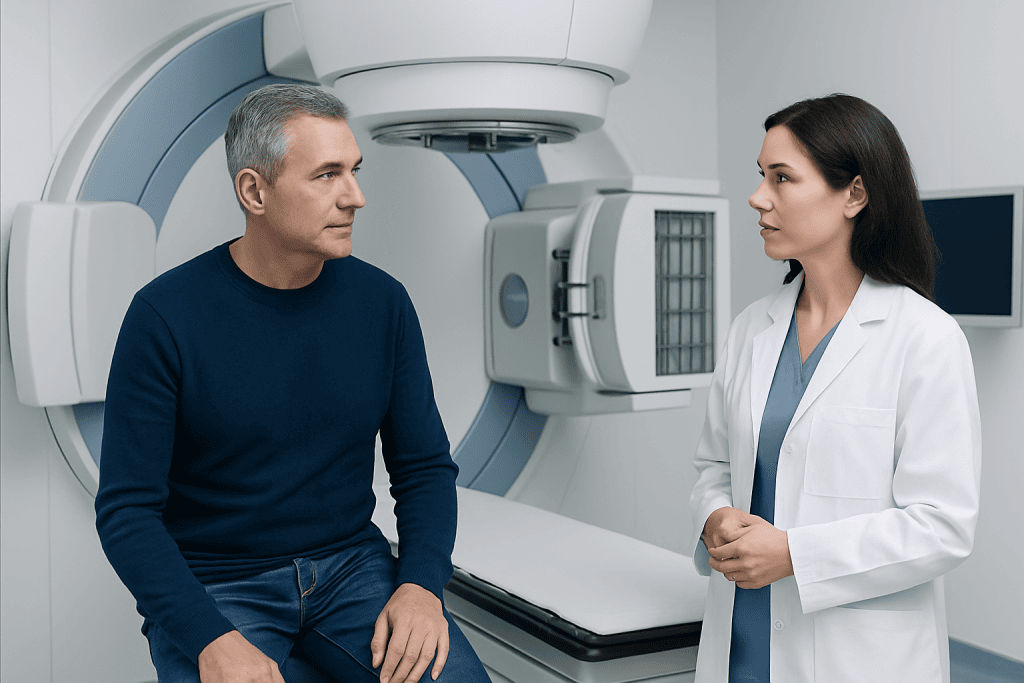
Although a second opinion can be useful at almost any stage, it is especially worth considering in certain situations. These include a new cancer diagnosis, a rare cancer, an unclear pathology report, or a recommendation for major surgery or intensive treatment. It can also be important if symptoms do not match the diagnosis, if the cancer has returned, or if standard treatment is not working as expected.
Patients may also benefit from another review when there are multiple reasonable treatment paths. For example, some cancers can be managed with surgery first, while others may be treated with chemotherapy or radiation before surgery. In some situations, active surveillance may be an option. Comparing expert views can help a patient decide which approach best fits their goals, daily life, and tolerance for side effects.
Another common reason is access to specialized expertise. Some cancers are uncommon and are best reviewed by oncologists, surgeons, radiologists, and pathologists who see that disease often. This can be particularly relevant for blood cancers, tumors in difficult locations, or cancers with molecular features that may affect treatment choice. A second opinion may also help identify whether radiation oncology, medical oncology, or multidisciplinary oncology care should play a central role in treatment planning.
- After a first cancer diagnosis
- Before major surgery or organ-removing procedures
- When pathology or staging seems uncertain
- For rare, advanced, or recurrent cancers
- When clinical trials or newer therapies may be relevant
- If the patient wants more confidence before starting treatment
What a Second Opinion Can Clarify

One of the most important areas a second opinion can clarify is the diagnosis itself. Cancer care begins with accurate pathology, which examines tissue or cells under the microscope and may include molecular or genetic testing. In some cases, expert review can refine the tumor type, grade, or subtype. These details matter because treatment recommendations often depend on them.
A second opinion can also review staging. Staging describes how large the tumor is, whether nearby lymph nodes are involved, and whether the cancer has spread. Correct staging helps doctors choose the most appropriate treatment plan. Another specialist may recommend additional imaging, lab tests, or repeat biopsy if the current information is incomplete.
Just as importantly, the consultation may clarify the goals of treatment. Some treatments are intended to cure disease, some aim to control it over time, and others focus on symptom relief and quality of life. Understanding these goals can help patients ask better questions and make decisions that match their personal priorities. In some cases, the review may overlap with conditions such as cancer generally or a specific concern like lung cancer if a specialized thoracic oncology opinion is needed.
How the Process Usually Works
The process usually starts with collecting medical records. These often include pathology reports, biopsy slides or tissue samples, blood test results, imaging studies, operation notes, and the current treatment recommendation. Having complete records helps the second specialist give a thorough opinion without unnecessary repetition of tests.
During the consultation, the oncologist or multidisciplinary team reviews the available information and asks about symptoms, previous illnesses, medications, and personal goals. The patient may be asked whether they want to understand every option in detail, focus on a specific treatment question, or learn whether a clinical trial may be suitable. If more information is needed, the specialist may suggest further testing before a final recommendation is made.
Many second opinions are provided at cancer centers with team-based review. This may involve medical oncologists, radiation oncologists, surgeons, radiologists, pathologists, and other specialists discussing the case together. That kind of coordinated review can be especially useful when decisions are complex or when one treatment choice may affect another later on.
Patients often worry that seeking another opinion will offend their doctor or cause delay. In practice, most oncology professionals understand and support this step. Open communication can help keep care moving smoothly, and in many cases the second opinion confirms the original plan, allowing treatment to proceed with greater confidence.
Benefits, Limits, and Possible Outcomes
A second opinion can bring several benefits. It may confirm the original diagnosis and treatment plan, which can be deeply reassuring. It may also offer a different but equally appropriate option, explain the likely side effects more clearly, or identify additional tests that improve decision-making. In some cases, it opens the door to treatments available at specialized centers, including advanced surgery, precision medicine, or clinical trials.
At the same time, it is helpful to understand the limits. A second opinion does not always produce a different answer. Different experts may reasonably agree, especially when guidelines are clear. Even when recommendations differ, that does not necessarily mean one doctor is right and the other is wrong. It may simply reflect that several evidence-based choices exist.
Patients may also receive more information than expected, which can feel confusing at first. Comparing opinions is often easiest when patients ask each specialist to explain the reason behind the recommendation, the expected benefits, possible side effects, and how the plan fits the stage and biology of the cancer. Writing down questions in advance can make the discussion more productive.
How Patients Can Prepare
Preparation can make the second-opinion visit more useful and less stressful. Before the appointment, patients should gather pathology reports, imaging discs or digital files, surgery notes if applicable, medication lists, and a summary of previous treatments. It can also help to bring a written timeline of symptoms, tests, and key medical events.
Questions are an important part of preparation. Patients may want to ask whether the diagnosis is confirmed, whether the cancer stage is correct, what the main treatment choices are, and which option is preferred and why. They may also ask about expected side effects, effects on fertility or daily activities, whether treatment should start urgently, and whether a clinical trial is appropriate.
Bringing a family member or trusted friend can be useful, especially when a lot of information is discussed. Taking notes or asking for a written summary can also help. If the consultation is remote, patients should check in advance how records and images need to be shared so the specialist can review them properly before the visit.
- Collect pathology, imaging, and treatment records
- Prepare a list of questions and concerns
- Ask about treatment goals, alternatives, and timing
- Bring support from a relative or friend if possible
- Request clear explanations in plain language
When Not to Delay Care
Second opinions are valuable, but timing matters. Some cancers need prompt treatment, so the goal is to seek expert review efficiently rather than postpone care for a long period. Patients should ask the original team how urgent treatment is and whether there is enough time for another consultation before starting. In many cases, there is a safe window to review the plan without affecting outcomes.
Situations that may need faster action include severe symptoms, rapidly progressing disease, complications such as bleeding or obstruction, or cancers where treatment schedules are time-sensitive. Even then, an expedited second opinion may still be possible, especially if records can be sent quickly and reviewed by a specialized center.
If treatment has already started, a second opinion can still be worthwhile. It may help evaluate response to therapy, consider the next step if side effects are difficult, or review options after recurrence. The best time is often whenever an important treatment decision needs to be made.
Choosing Where to Seek a Second Opinion
Choosing the right specialist or center depends on the cancer type and the question being asked. Many patients prefer a doctor who focuses on their specific cancer, such as breast, colorectal, thoracic, gynecologic, or hematologic oncology. Centers with multidisciplinary tumor boards and access to advanced pathology and imaging review can be especially helpful for difficult cases.
It is reasonable to ask whether the center has experience with the suspected cancer type, whether pathology can be re-reviewed, and whether all major treatment approaches are available. Some patients also value support services such as genetic counseling, fertility advice, nutrition, psycho-oncology, and rehabilitation, because these can affect overall quality of life during treatment.
Near the end of the process, some patients choose to continue care locally while using the second-opinion center for guidance; others transfer care completely. Both approaches can work well. For international patients, Acibadem International’s multidisciplinary specialists and JCI-accredited hospitals provide diagnosis and treatment planning for complex cancer cases, including options such as PET-CT imaging when additional staging review is needed.
Frequently asked questions
Is it normal to get a second opinion after a cancer diagnosis?
Yes. A second opinion is a common and accepted part of cancer care, especially when treatment is complex or there are several reasonable options. Many doctors support it because it can help patients feel more informed and confident.
Will a second opinion delay cancer treatment?
Not always. In many cases, records can be reviewed quickly and the consultation can be arranged without causing a harmful delay. Patients should ask their current team how urgent treatment is and whether there is time for another expert review.
What should a patient bring to an oncology second opinion?
Useful records include pathology reports, biopsy slides if available, imaging studies, blood test results, surgery notes, and a list of current medicines. A written summary of the diagnosis and previous recommendations can also make the visit more efficient.
What if the second opinion is different from the first?
A different opinion does not automatically mean one recommendation is wrong. Cancer care can involve more than one evidence-based approach depending on the goals of treatment and the patient’s overall health. Asking each specialist to explain the reasoning can help patients compare options clearly.
Can a second opinion still help if treatment has already started?
Yes. It may help review whether the current treatment is appropriate, how well it is working, and what alternatives exist if side effects or response are concerns. It can also be useful at points where the treatment plan may need to change.
Are second opinions especially important for rare cancers?
Yes, they can be particularly valuable for rare or unusual cancers. Specialists who frequently treat a specific cancer type may have more experience with diagnosis, staging, molecular testing, and less common treatment options.
References
- National Cancer Institute
- American Society of Clinical Oncology
- European Society for Medical Oncology
- National Comprehensive Cancer Network
- World Health Organization
This article is for general information only and is not a substitute for professional medical advice. Please consult a qualified doctor about your individual situation.
Oncology care in Turkey — second opinion and treatment plan
JCI-accredited · board-certified surgeons · reply within 24h
Add us as a Preferred Source to see more of our trusted health content across Google Search, AI Overviews and Discover.

Medical Oncology Department
Medical treatment of cancer with chemotherapy, immunotherapy and targeted therapies under a multidisciplinary tumor board.
60 specialists in this unit