Secondary Infertility: An Evidence-Based Guide for Patients

Secondary infertility can affect people who conceived easily in the past. Evaluation usually involves both partners, because fertility can change over time.
Key Takeaways
- Secondary infertility can affect people who conceived easily in the past.
- Evaluation usually involves both partners, because fertility can change over time.
- Common contributors include age-related decline in egg quality, ovulation problems, male-factor infertility, tubal damage, and uterine conditions.
- Testing may include hormone tests, semen analysis, ultrasound, and checks of the uterus and fallopian tubes.
- Treatment depends on the cause and may range from cycle tracking and medication to assisted reproductive techniques.
- Medical advice is recommended after 12 months of trying, or after 6 months if the woman is age 35 or older.
Secondary infertility means difficulty becoming pregnant or carrying a pregnancy after having had a baby before, without fertility treatment for that pregnancy. It is a common medical issue, and evaluation usually looks at ovulation, sperm, fallopian tubes, the uterus, timing, age, and overall health in both partners.
What secondary infertility means
Secondary infertility is the inability to become pregnant or carry a pregnancy to live birth after previously having had a baby, when that earlier pregnancy happened without fertility treatment. In practical terms, it describes a new fertility problem that appears after one or more prior successful pregnancies. This can be confusing and emotionally difficult, especially for people who expected conception to happen in the same way again.
A previous pregnancy does not guarantee that fertility will stay the same over time. Egg quality and sperm quality can change with age, menstrual patterns can shift, and new health conditions may develop. Pregnancy, childbirth, surgery, infections, weight changes, medications, and lifestyle factors can also affect fertility after the first child.
Secondary infertility is evaluated much like infertility in general, but with attention to what has changed since the prior pregnancy. The goal is not only to identify a diagnosis, but also to understand timing, age, past pregnancies, menstrual history, and any medical events that may have influenced reproductive health.
Signs and symptoms to notice
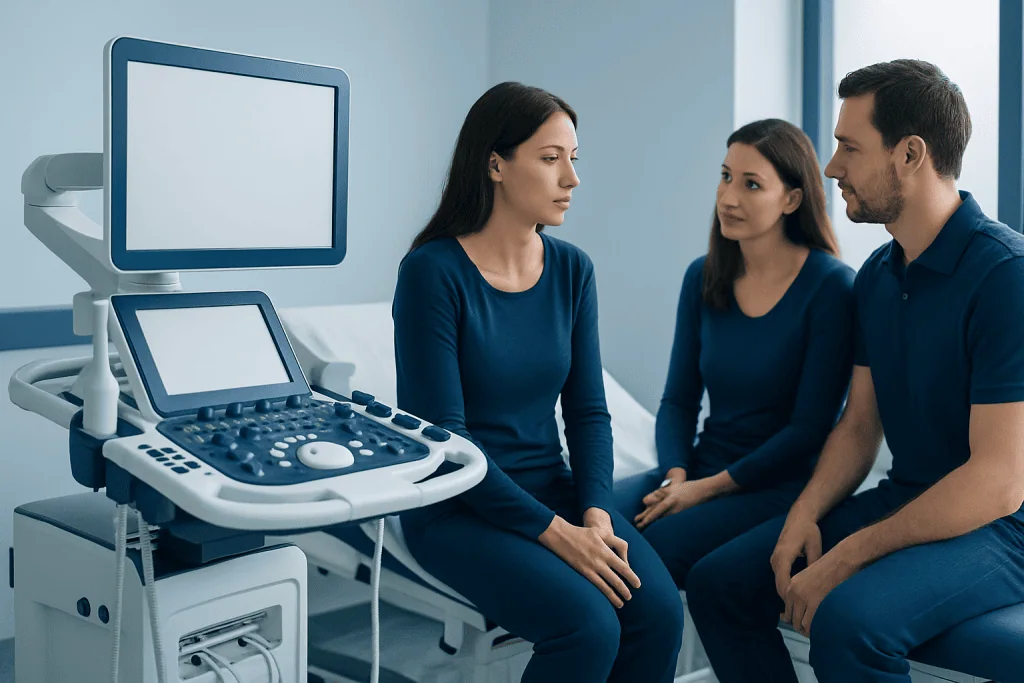
The main sign of secondary infertility is not becoming pregnant after regular, unprotected intercourse for the expected period of time. For women younger than 35, this usually means 12 months of trying. For women age 35 and older, evaluation is often recommended after 6 months because fertility declines more quickly with age.
Some people have no other symptoms at all. Others notice clues that may point to a specific cause, such as irregular or absent menstrual periods, very painful periods, heavy bleeding, pelvic pain, pain during sex, or a history of repeated miscarriages. In men, symptoms may be subtle, but changes in sexual function, testicular pain or swelling, or previous reproductive surgery can be relevant.
It can help to keep a record of menstrual cycles, ovulation predictor results, intercourse timing, and any symptoms. This information may make the medical assessment more efficient and help a fertility specialist understand whether the issue is likely related to ovulation, the uterus, the tubes, sperm factors, or more than one cause.
Common causes and risk factors

Secondary infertility often has more than one contributing factor. Age is one of the most important. As women get older, the number and quality of eggs decline, and the chance of miscarriage increases. Men also experience age-related changes in sperm quality, though this tends to be more gradual.
Ovulation problems are a frequent cause. These may be linked to thyroid disease, elevated prolactin, polycystic ovary syndrome, significant weight gain or loss, high-intensity exercise, chronic illness, or stress-related cycle disruption. If ovulation is irregular, pregnancy becomes less likely even when intercourse is well timed.
Structural problems can develop after a prior pregnancy. These include scar tissue in the uterus, fibroids, endometrial polyps, cesarean-related changes, or blocked fallopian tubes. Tubal damage may follow pelvic infection, endometriosis, appendicitis, or prior abdominal or pelvic surgery. Conditions such as endometriosis may become more symptomatic over time and affect both pain and fertility.
Male-factor infertility is also common and should not be overlooked just because the couple conceived before. A semen analysis may reveal changes in sperm count, movement, or shape. Risk factors include smoking, alcohol misuse, obesity, heat exposure, varicocele, certain medications, hormonal disorders, and general medical conditions. Because fertility depends on both partners, a balanced evaluation is important from the start.
How doctors diagnose secondary infertility
Diagnosis begins with a detailed history for both partners. The doctor usually asks about prior pregnancies, births, miscarriages, menstrual patterns, intercourse timing, contraception history, surgeries, infections, medications, chronic diseases, and family history. A physical examination may follow, especially if there are symptoms that suggest hormonal, pelvic, or male reproductive issues.
Common tests for the woman include blood tests to assess ovulation and hormone balance, such as thyroid function or other reproductive hormones depending on the history. Pelvic ultrasound can look at the ovaries and uterus for fibroids, cysts, or signs that suggest conditions affecting ovulation. Doctors may also assess whether the fallopian tubes are open and whether the uterine cavity has abnormalities that might interfere with implantation or pregnancy.
For the male partner, semen analysis is a standard first-line test and can provide valuable information early in the workup. Additional testing may be recommended if there are signs of hormonal disorders, prior surgery, or an abnormal semen result.
The exact tests vary from person to person. The purpose is to identify treatable causes, avoid unnecessary delay, and choose the most appropriate next step. In some cases, no single cause is found; this is often described as unexplained infertility, which can still be managed with evidence-based treatment options.
Treatment options and what they depend on
Treatment for secondary infertility depends on the underlying cause, age, how long the couple has been trying, and whether there are one or several fertility factors involved. Sometimes relatively simple changes, such as better cycle timing, managing thyroid disease, improving weight balance, or adjusting medications, can improve the chance of pregnancy.
If ovulation is irregular, doctors may recommend medical treatment to support more predictable ovulation. If there is a uterine polyp, fibroid affecting the cavity, scar tissue, or another structural issue, a procedure may be considered. Tubal disease and advanced endometriosis may require individualized planning, especially when time is an important factor.
Assisted reproductive options may be discussed when first-line approaches are not enough or when the cause suggests lower chances with expectant management. Depending on the situation, this may include IVF treatment or other fertility interventions. If severe male-factor infertility is present, techniques such as ICSI may be recommended as part of assisted reproduction.
When a uterine cavity problem is suspected, minimally invasive evaluation or treatment may be useful, including hysteroscopy in selected cases. Fertility care is often multidisciplinary, involving gynecology, reproductive endocrinology, urology or andrology, imaging, and sometimes genetics. Near the end of the treatment journey, some international patients choose centers such as Acibadem International, where multidisciplinary specialists in JCI-accredited hospitals evaluate and treat fertility conditions.
Self-care, timing, and steps that may help
Self-care cannot solve every cause of secondary infertility, but it can support overall reproductive health and make treatment more effective. Helpful steps include maintaining a healthy weight, stopping smoking, limiting alcohol, getting enough sleep, managing chronic conditions, and reviewing medications with a doctor when pregnancy is planned. Extreme dieting and overtraining can also disrupt ovulation in some people.
Timing intercourse around the fertile window may improve the chance of conception. Ovulation usually happens about 14 days before the next period, but this varies between individuals and cycles. Ovulation predictor kits, cervical mucus changes, and cycle tracking apps can offer clues, though they are not perfect and should not replace medical advice when cycles are irregular.
Emotional strain is common in secondary infertility and may be underestimated because the couple already has a child. Feelings of guilt, isolation, pressure, or grief are valid. Counseling, support groups, and open communication between partners can be helpful alongside medical care.
- Track menstrual cycles and symptoms for several months.
- Take a prenatal vitamin with folic acid when trying to conceive, if a doctor agrees.
- Seek prompt care for pelvic pain, irregular periods, or recurrent pregnancy loss.
- Include both partners in the evaluation whenever possible.
When to seek medical care
Medical assessment is usually recommended after 12 months of regular, unprotected intercourse if the woman is younger than 35, or after 6 months if she is 35 or older. People should seek care sooner if there are irregular or absent periods, very painful periods, known endometriosis, prior pelvic infection, previous chemotherapy, repeated miscarriages, or a history of surgery involving the pelvis, uterus, ovaries, or testicles.
Earlier evaluation is also sensible if the male partner has a known low sperm count, prior testicular problems, or sexual dysfunction that may affect conception. Prompt assessment can save time, especially when age or a specific medical problem is likely to reduce natural fertility.
It is also important to seek medical advice for severe pelvic pain, heavy abnormal bleeding, fever with pelvic symptoms, or signs of pregnancy complications. These issues may not only affect fertility but may also require timely treatment for overall health and safety.
Frequently asked questions
Can someone have secondary infertility even after an easy first pregnancy?
Yes. Fertility can change over time because of age, hormonal changes, sperm changes, tubal damage, uterine conditions, endometriosis, or general health factors. A previous uncomplicated pregnancy does not rule out a new fertility problem.
How long should a couple try before seeing a doctor?
In general, evaluation is recommended after 12 months of trying if the woman is younger than 35. If she is 35 or older, many experts advise seeking care after 6 months. Earlier assessment is appropriate if there are irregular periods, repeated miscarriages, pelvic pain, or known reproductive health problems.
Is secondary infertility usually caused by the woman?
No. Fertility problems can involve the woman, the man, both partners, or remain unexplained after testing. Because sperm factors are common and can change over time, evaluation of both partners is standard and important.
What tests are commonly done for secondary infertility?
Typical testing may include menstrual and ovulation assessment, hormone blood tests, pelvic ultrasound, and tests to check the uterus and fallopian tubes. A semen analysis is usually part of the initial evaluation for the male partner. The exact workup depends on age, symptoms, and medical history.
Can lifestyle changes improve secondary infertility?
They may help in some situations, especially when weight, smoking, alcohol use, sleep, stress, or poorly controlled medical conditions are affecting fertility. However, lifestyle changes may not be enough if there is blocked tubes, significant endometriosis, severe sperm problems, or age-related decline in egg quality. A doctor can help identify which factors are most relevant.
Does secondary infertility always require IVF?
No. Treatment depends on the cause and may begin with cycle timing, treatment of ovulation problems, or correction of uterine issues. IVF is one option when other approaches are unlikely to work or have not been successful, but it is not the only pathway.
References
- American Society for Reproductive Medicine
- American College of Obstetricians and Gynecologists
- Centers for Disease Control and Prevention
- National Institute for Health and Care Excellence
- World Health Organization
This article is for general information only and is not a substitute for professional medical advice. Please consult a qualified doctor about your individual situation.
Infertility in Turkey — costs, top hospitals & a free quote
JCI-accredited · board-certified surgeons · reply within 24h
Add us as a Preferred Source to see more of our trusted health content across Google Search, AI Overviews and Discover.
Check your numbers in seconds
BMI, calories, due date, blood pressure and 30+ more clinical calculators — free, instant, doctor-reviewed ranges.

IVF & Reproductive Health
Assisted reproduction and fertility treatments tailored to each couple.
More from the Health Library



Related Specialists

Assoc. Prof. Dr. Hilmi Kodaz
Medical Oncology
Assoc. Prof. Dr. Zeynep Selen Aslan
Pediatric Neurology
Dr. Mehtap Baştugral
Clinical Laboratory
Assoc. Prof. Dr. Murad Gulıyev
Medical Oncology