Segmental Resection: Procedure, Recovery and Results

Segmental resection removes only the affected bowel segment and may reconnect the remaining healthy bowel. It can be performed through open, laparoscopic or robotic techniques, depending on the condition and surgical plan.
Key Takeaways
- Segmental resection removes only the affected bowel segment and may reconnect the remaining healthy bowel.
- It can be performed through open, laparoscopic or robotic techniques, depending on the condition and surgical plan.
- Recovery varies, but many people begin walking and drinking fluids soon after surgery and continue recovering at home for several weeks.
- Risks include infection, bleeding, bowel blockage and leakage at the bowel connection, although teams take steps to reduce these risks.
- The expected result depends mainly on the reason for surgery, disease stage, overall health and whether the bowel can be safely reconnected.
Segmental resection is surgery to remove a diseased or damaged section of the intestine, most often the colon, while preserving as much healthy bowel as possible. The operation may be used for cancer, diverticular disease, inflammatory bowel disease, blockage, injury or other localized bowel problems.
Overview: What is segmental resection?
Segmental resection is an operation that removes a short, diseased portion of an organ while leaving the remaining healthy tissue in place. In digestive surgery, it usually refers to a segmental resection of the bowel or colon. The surgeon removes the affected section, along with a margin of nearby healthy tissue when needed, then joins the two remaining ends of bowel. This join is called an anastomosis.
The aim is to treat a localized problem while preserving bowel function whenever it is safe to do so. A segmental surgical resection may be planned in advance or performed urgently for a complication such as obstruction, perforation or uncontrolled bleeding. The exact operation is named according to the part of bowel involved, such as a right colectomy, sigmoid colectomy or small-bowel resection.
In some situations, reconnecting the bowel immediately is not advisable. The surgeon may instead create a temporary or permanent stoma, an opening on the abdomen that allows stool to pass into a pouch. Whether this is needed depends on the bowel condition, the urgency of surgery and the person’s overall health.
Why it may be recommended and who may be a candidate
A segmental resection of colon is commonly recommended to remove localized colon cancer, certain noncancerous growths that cannot be removed endoscopically, recurrent or complicated diverticular disease, narrowing caused by inflammation, or bowel injury. It may also be used for small-bowel disease, including some tumors, severe Crohn’s disease complications, ischemia or a blockage.
For cancer, surgery may involve removing nearby lymph nodes as well as the bowel segment. This allows the pathology team to examine the tissue and helps guide any further treatment. A person’s care plan may include evaluation for colon cancer or other conditions that affect the bowel.
Candidacy is individualized. The surgical team considers symptoms, imaging and endoscopy findings, biopsy results where appropriate, prior abdominal operations, nutrition, heart and lung health, medications and the person’s goals. People who smoke, have diabetes, take blood thinners or have poor nutritional status may need additional preparation to support safer healing.
- Localized disease that is unlikely to improve with nonsurgical treatment
- A bowel tumor, severe narrowing or recurrent inflammation
- Complications such as obstruction, perforation, abscess or bleeding
- A need to obtain a definitive diagnosis or prevent a serious complication
How segmental resection works: preparation and surgical steps

Before planned surgery, patients commonly have blood tests, anesthesia assessment and imaging or colonoscopy to define the affected area. The team reviews current medicines and gives individualized instructions about eating, drinking and bowel preparation. Some patients receive antibiotics before surgery and measures to reduce the risk of blood clots.
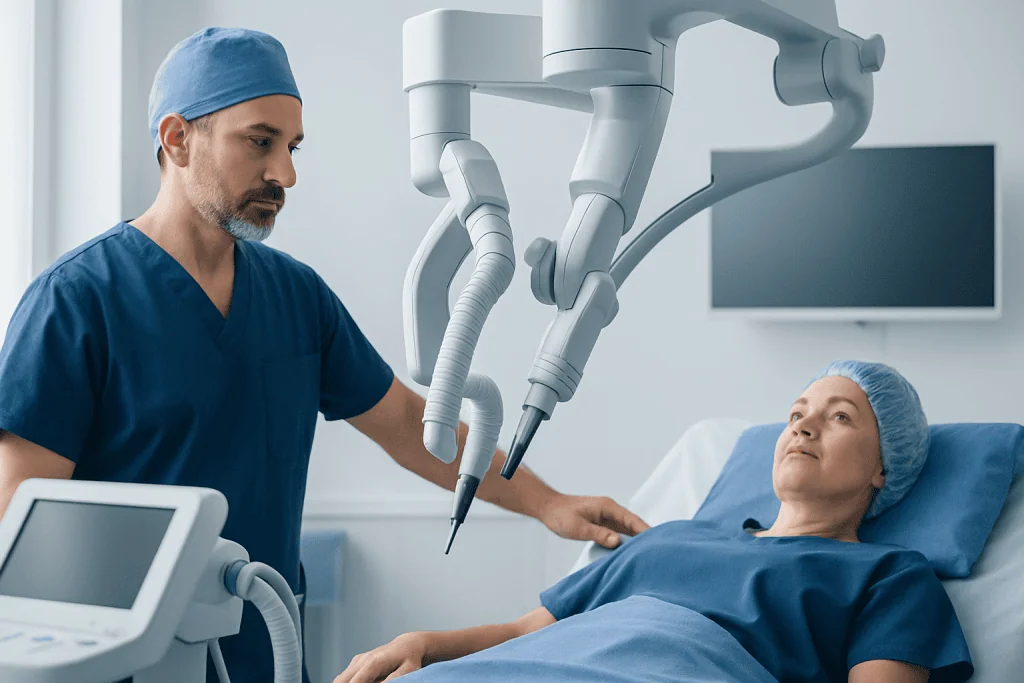
The operation is performed under general anesthesia. It may be done through a larger abdominal incision (open surgery) or through several smaller incisions using laparoscopic or robotic instruments. Minimally invasive approaches can be appropriate for many people, but open surgery may be the safest option in emergency cases, extensive disease or when technical factors require it.
During a segmental resection bowel procedure, the surgeon identifies the unhealthy segment, carefully protects surrounding structures and divides the bowel on either side. Blood vessels and lymph nodes may be removed when indicated. The remaining ends are then joined with sutures or surgical staples, or a stoma is created if a connection would carry too much risk. The removed tissue is sent to a laboratory for examination.
For people requiring coordinated colorectal surgical care, colon cancer treatment may include surgery alongside pathology, medical oncology, radiation oncology and supportive-care planning when appropriate.
What is the recovery like after segmentectomy?
Recovery after segmentectomy depends on the organ treated, the surgical approach and the reason for surgery. After bowel surgery, patients are monitored for pain control, bowel activity, hydration, wound healing and signs of infection or bleeding. Early movement, breathing exercises and gradual return to fluids and food are usually encouraged because they support recovery and lower the risk of complications.
Many patients stay in hospital for several days, although the length of stay varies widely. Passing gas, tolerating food, walking safely and having pain controlled with oral medicines are common milestones before discharge. Temporary tiredness, reduced appetite, abdominal soreness and changes in stool frequency or consistency are common during the first weeks.
At home, the care team provides instructions for incision care, showering, activity, diet and follow-up. Light walking is generally helpful, while strenuous activity and heavy lifting may need to be avoided until the surgeon confirms healing. Return to work and usual exercise varies; people with physically demanding jobs may need more time than those with sedentary work.
Contact the surgical team promptly for increasing abdominal pain, persistent vomiting, fever, wound redness or drainage, inability to keep fluids down, worsening bloating, shortness of breath, calf swelling, or a major change in bowel function. These symptoms do not always indicate a serious problem, but they should be assessed without delay.
How long does it take for your colon to heal after a resection?
The bowel connection begins healing immediately, but complete recovery is gradual. In uncomplicated cases, the period of greatest concern for an anastomotic leak is usually within the first days after surgery, which is why close monitoring is important in hospital. The internal tissues continue gaining strength over several weeks, while energy levels, appetite and bowel habits may take longer to settle.
Many people notice meaningful improvement within four to six weeks, especially after minimally invasive surgery. Full recovery can take six to eight weeks or longer after open surgery, emergency surgery, complications or treatment for cancer. These timeframes are general; the operating surgeon is best placed to advise when it is safe to resume driving, exercise, travel, work and other activities.
Bowel function may not immediately return to its pre-surgery pattern. Some people have more frequent stools, urgency, constipation or gas while the remaining bowel adapts. Small, regular meals, adequate fluids and gradual dietary changes can help. Persistent diarrhea, constipation, pain, weight loss or dehydration should be discussed with a clinician rather than managed alone.
Benefits, risks and expected results
The main benefit of segmental resection is removal of the source of disease while preserving as much functioning bowel as possible. For a noncancerous condition, surgery may relieve symptoms or prevent recurrence of dangerous complications. For cancer, resection can be potentially curative when disease is localized, but the expected outcome depends on the cancer stage, pathology findings, lymph node involvement and whether all visible disease can be removed.
All major abdominal operations carry risks. These can include bleeding, infection, blood clots, injury to nearby organs, pneumonia, delayed bowel function, scar-related bowel obstruction, hernia and problems with anesthesia. A specific concern after bowel resection is leakage from the anastomosis. The risk differs from person to person and may be higher with emergency surgery, poor nutrition, active inflammation or reduced blood supply to the bowel.
What is the success rate of resection surgery? There is no single success rate because “success” means different things for different conditions. A resection may successfully remove a tumor, resolve a blockage, control recurrent diverticulitis or improve symptoms, yet the longer-term outlook still depends on the underlying diagnosis and any additional therapy needed. The surgeon can discuss the likely goals and results using the individual’s test results and health status.
Is segmentectomy a major surgery? Segmentectomy is generally considered major surgery when it involves removal and reconnection of bowel because it requires general anesthesia, abdominal access and careful postoperative monitoring. Laparoscopic or robotic techniques may reduce incision size and may support a faster recovery for selected patients, but they do not eliminate the importance of preparation, follow-up and awareness of possible complications.
Preparing well, self-care and when to seek medical care
Before surgery, following the team’s instructions about medicines, bowel preparation, smoking cessation, nutrition and activity can support recovery. It is helpful to arrange transport, help at home and easy-to-prepare meals. Patients should ask who to contact after discharge and understand whether they have a bowel connection or a stoma, as this affects aftercare needs.
After surgery, take prescribed medicines only as directed, walk regularly within the limits advised, drink enough fluids and follow the recommended diet progression. Avoid smoking, as it can impair wound and bowel healing. Attend all follow-up visits so the team can review the incision, pathology findings, bowel function and any need for additional treatment.
When to seek medical care: Seek urgent medical assessment for severe or worsening abdominal pain, fever, fainting, chest pain, breathing difficulty, repeated vomiting, black or bloody stools, a rapidly swollen abdomen, or signs that a wound is opening or draining pus. Patients who have a stoma should also seek advice for a stoma that becomes dark, very pale, severely painful, or stops producing output alongside cramping or vomiting.
Acibadem International’s multidisciplinary specialists and JCI-accredited hospitals assess and treat bowel conditions for international patients, with surgical planning tailored to the diagnosis and individual recovery needs.
Frequently asked questions
What is the difference between segmental resection and segmentectomy?
The terms are sometimes used similarly because both describe removal of a segment of tissue. In bowel surgery, segmental resection usually means removing a portion of intestine or colon and reconnecting the healthy ends when possible. Segmentectomy can also refer to removal of a segment of another organ, such as the lung or liver, so the exact meaning depends on the clinical context.
Will a person need a colostomy after segmental colon resection?
Not everyone needs a colostomy or other stoma after colon resection. When the remaining bowel can be joined safely, stool can continue passing through the usual route. A temporary or permanent stoma may be recommended if the bowel connection would not be safe or needs time to heal.
Can someone eat normally after a segmental bowel resection?
Most people gradually return to a varied diet, but the timing and food choices depend on the operation and individual recovery. The team may advise starting with fluids and soft foods, then adding foods gradually as tolerated. Some people benefit from temporary adjustments for gas, diarrhea or constipation.
How painful is segmental resection recovery?
Abdominal discomfort is expected after surgery, but pain management is an important part of care. Hospitals may use a combination of approaches to support comfort while helping patients move and breathe deeply. Pain that suddenly worsens, does not improve with prescribed treatment or occurs with fever or vomiting should be reported promptly.
Can bowel problems return after a segmental resection?
Recurrence depends on the original condition. For example, inflammation, Crohn’s disease, diverticular disease or cancer may require ongoing surveillance or medical treatment even after surgery. Follow-up plans are individualized and may include appointments, blood tests, imaging or colonoscopy.
When can a person drive after bowel resection surgery?
Driving should wait until the person is no longer taking sedating pain medicines, can move comfortably enough to brake safely and has approval from the surgical team. This commonly takes at least a few weeks, but the timeframe differs by procedure and recovery. Insurance or local driving requirements may also apply.
References
- American Society of Colon and Rectal Surgeons
- National Cancer Institute
- National Institute of Diabetes and Digestive and Kidney Diseases
- Mayo Clinic
- World Health Organization
This article is for general information only and is not a substitute for professional medical advice. Please consult a qualified doctor about your individual situation.
Persistent digestive symptoms? Get evaluated in Turkey
JCI-accredited · board-certified surgeons · reply within 24h
Add us as a Preferred Source to see more of our trusted health content across Google Search, AI Overviews and Discover.