Sensory Deprivation Tank: A Complete Medical Overview
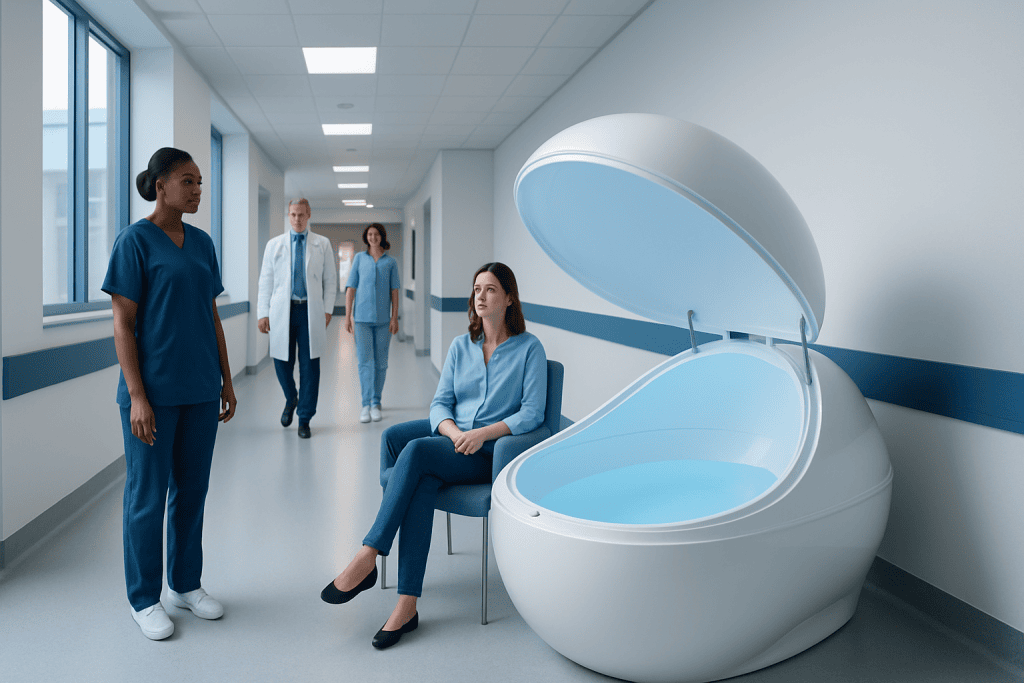
A sensory deprivation tank is designed to reduce light, sound, touch, and effortful movement during floating. Some people report short-term relaxation, less muscle tension, and improved sense of calm after float therapy.
Key Takeaways
- A sensory deprivation tank is designed to reduce light, sound, touch, and effortful movement during floating.
- Some people report short-term relaxation, less muscle tension, and improved sense of calm after float therapy.
- It is not a proven treatment for all medical or mental health conditions and should not replace professional care.
- People with certain skin conditions, seizure disorders, claustrophobia, or active infections may need medical advice before use.
- Cleanliness, supervision, and choosing a reputable facility are important for safety.
A sensory deprivation tank is a lightproof, sound-reduced float tank filled with warm salt water that allows a person to float with minimal external stimulation. Many people use it for relaxation and stress reduction, but its effects, safety, and suitability depend on the individual’s health, comfort level, and medical history.
What a sensory deprivation tank is
A sensory deprivation tank is an enclosed or partially enclosed pool-like chamber filled with body-temperature water and a high concentration of Epsom salt, which makes floating easy. The environment is intended to reduce outside input such as light, noise, gravity-related pressure, and the need for active movement. This approach is also known as restricted environmental stimulation therapy, or REST.
In practical terms, a person enters the tank, lies back, and floats with the head and body supported by the salty water. Many tanks are designed to be quiet and dim or fully dark, although some facilities allow the door or lid to remain partly open and may offer soft lighting for comfort. Sessions often last around an hour, but the exact format varies.
The main reason people seek a sensory deprivation tank is relaxation. Some also use float therapy as part of a broader wellness routine for stress management, recovery after physical exertion, or quiet reflection. From a medical perspective, it is best understood as a supportive wellness practice rather than a universal medical treatment.
How it may affect the body and mind
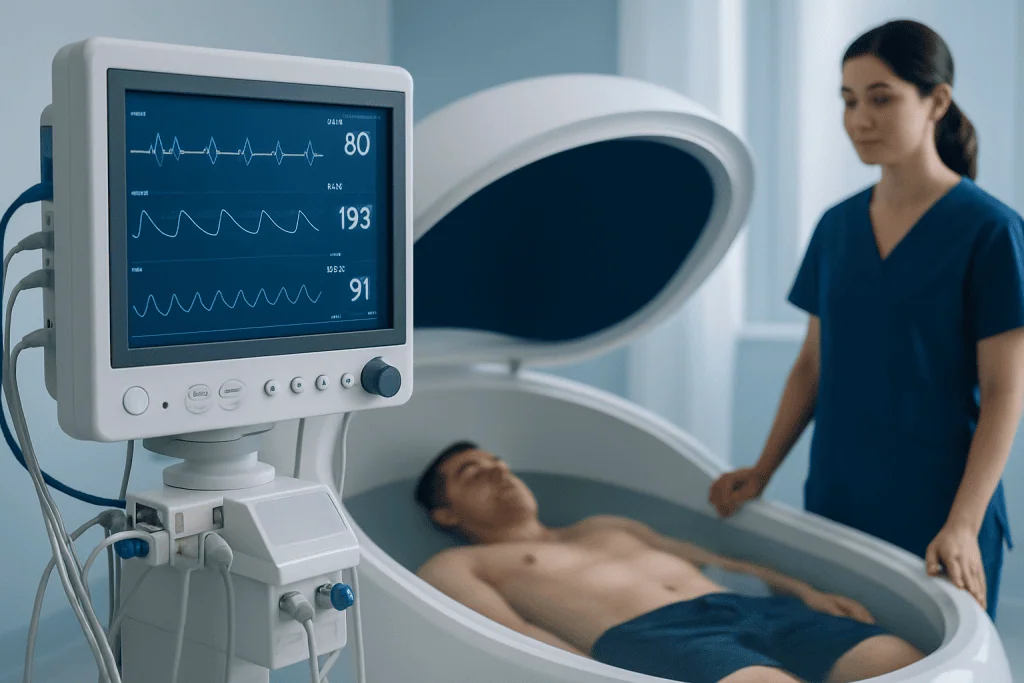
The theory behind a sensory deprivation tank is that reducing external stimulation may allow the nervous system to shift into a calmer state. Without the usual demand to process noise, light, body position, and movement, some people feel deeply rested or mentally clear during and after floating. Others simply describe it as a structured way to be still.
Warm water and buoyancy may also reduce the feeling of pressure on joints and muscles. This can create a temporary sense of physical ease, especially in people who carry tension in the neck, shoulders, or back. However, these effects are not the same as treating the underlying cause of chronic pain or a musculoskeletal disorder.
Responses vary. Some people find the experience soothing, while others notice restlessness, anxiety, boredom, or heightened awareness of thoughts and bodily sensations. Individual expectations, prior mental health history, and comfort with enclosed spaces can all influence the experience.
- Possible short-term effects: relaxation, reduced muscle tension, quiet focus, or improved sense of calm
- Less helpful responses for some: discomfort with silence, claustrophobic feelings, dizziness on standing, or skin irritation from the salt water
- Medical benefit remains condition-specific and should be discussed with a qualified clinician when symptoms are significant or ongoing
Possible benefits and what the evidence suggests

Research on float therapy is still developing. Some studies suggest that a sensory deprivation tank may help certain people feel less stressed for a short time and may support relaxation, sleep readiness, or temporary relief of muscle tension. A calm environment may also help a person practice mindfulness or mental unwinding.
At the same time, evidence is not strong enough to treat float therapy as a proven stand-alone therapy for major medical or psychiatric conditions. It may be used as a complementary practice alongside established care, but it should not replace evaluation for persistent symptoms such as severe anxiety, disabling pain, depression, or neurological complaints.
People interested in float therapy for headaches, chronic pain, stress-related symptoms, or sleep complaints may benefit from discussing the broader clinical picture with a doctor. For example, recurring headaches should be assessed appropriately, and persistent pain may need evaluation for conditions involving the spine, muscles, or nerves. In some cases, a doctor may recommend further assessment, rehabilitation, or targeted care such as physical therapy and rehabilitation or review for related conditions like migraine.
Who should be cautious or avoid it
A sensory deprivation tank is not suitable for everyone. People with active skin infections, open wounds, contagious illnesses, uncontrolled epilepsy, severe claustrophobia, or significant balance problems should seek medical advice before using one. Salt water can irritate broken skin, and the quiet enclosed setting may be uncomfortable or unsafe for some individuals.
Extra caution is also sensible for people with severe anxiety, panic symptoms, psychosis, or a history of distress in confined spaces. Although some people find floating calming, others may feel more aware of anxious thoughts when external distractions are removed. This is particularly important if a person has untreated or poorly controlled mental health symptoms.
Those with chronic ear problems, recent ear procedures, or certain neurological conditions may also need individualized guidance. If there are symptoms such as recurrent dizziness, blackout episodes, severe headaches, or unexplained sensory changes, medical assessment should come first rather than self-directed wellness strategies. In some situations, a clinician may consider neurological evaluation or tests such as EEG if there are concerns about seizure-like events.
Safety, hygiene, and practical preparation
Facility standards matter. Because multiple people use float tanks, proper filtration, disinfection, and maintenance are essential. Before booking, it is reasonable to ask how the tank is cleaned between sessions, what water treatment system is used, and whether there are clear policies about not floating with open wounds, infectious rashes, or recent contagious illness.
On the day of a session, most people are advised to avoid shaving or waxing just beforehand because salt water can sting irritated skin. It is also sensible to avoid alcohol or recreational drugs, which can impair judgment, balance, and hydration. Eating a heavy meal immediately before floating may be uncomfortable, but arriving very hungry can also distract from the experience.
Simple preparation can make the session safer and more comfortable:
- Inform staff about medical conditions, pregnancy, or medications that affect alertness or balance
- Use ear protection if recommended by the facility
- Avoid touching the eyes after being in the salty water
- Stand up slowly afterward to reduce lightheadedness
- Stop the session early if there is distress, chest discomfort, breathing difficulty, panic, or worsening symptoms
How it compares with medical treatment
Float therapy can be part of a self-care routine, but it is different from diagnosis and treatment. A sensory deprivation tank does not identify the cause of symptoms such as chronic pain, severe insomnia, depression, numbness, weakness, or recurrent headaches. These symptoms may need careful medical assessment to rule out underlying conditions.
For example, ongoing neck or back pain may relate to posture, overuse, disc problems, or nerve compression. Persistent stress symptoms may coexist with anxiety disorders, sleep disorders, or depression. In these situations, evidence-based care may include lifestyle changes, psychotherapy, rehabilitation, medication review, or specialist evaluation rather than relying on floating alone.
When symptoms point to a structural or neurological problem, doctors may recommend imaging or specialist care. Depending on the situation, helpful next steps can include MRI to investigate certain symptoms or referral for neurology evaluation when headaches, dizziness, sensory changes, or other nervous system symptoms are ongoing. Near the end of the care pathway, some international patients choose centers such as Acibadem International, where multidisciplinary specialists in JCI-accredited hospitals assess and treat a wide range of neurological, musculoskeletal, and general health concerns.
When to seek medical care
A sensory deprivation tank should not be used to delay medical attention. A person should seek professional advice if symptoms are persistent, worsening, or interfering with daily life, even if float therapy seems to provide temporary relief. Medical care is especially important when symptoms are new, unexplained, or associated with other warning signs.
Prompt medical evaluation is recommended for severe headache, weakness, fainting, chest pain, shortness of breath, seizures, confusion, loss of vision, severe dizziness, or signs of infection. Skin redness, pain, discharge, or fever after a float session should also be assessed, particularly if a person has diabetes, weakened immunity, or poor wound healing.
It is also wise to speak with a doctor before using a sensory deprivation tank if there is a known seizure disorder, active mental health crisis, recent surgery, significant ear disease, or pregnancy with complications. Personalized guidance helps weigh whether floating is likely to be safe, useful, or better postponed.
Frequently asked questions
What does a sensory deprivation tank do?
A sensory deprivation tank reduces outside stimulation by limiting light, sound, and the feeling of body weight while a person floats in warm salt water. Many people use it to relax, but the effects vary from person to person.
Is float therapy medically proven?
Float therapy has some emerging evidence for short-term relaxation and stress reduction in selected people, but it is not a proven cure for major medical or mental health conditions. It is best viewed as a complementary wellness practice rather than a replacement for standard care.
Can a sensory deprivation tank help anxiety?
Some people with mild stress or tension report feeling calmer after floating. However, others may feel uncomfortable or more anxious in a quiet enclosed environment, so it is not suitable for everyone and should not replace mental health treatment when symptoms are significant.
Are there risks to using a sensory deprivation tank?
Possible risks include claustrophobic feelings, skin irritation, lightheadedness when standing up, and hygiene-related concerns if the facility is poorly maintained. People with open wounds, active infections, seizure disorders, or severe anxiety should speak with a clinician before use.
Who should avoid a sensory deprivation tank?
People with contagious skin conditions, open cuts, uncontrolled epilepsy, severe claustrophobia, or acute mental health symptoms may need to avoid it. Anyone with unexplained neurological symptoms or significant medical concerns should seek medical advice first.
How should someone prepare for a float session?
It helps to avoid shaving just before the session, avoid alcohol or drugs, and tell staff about relevant medical conditions. Standing up slowly afterward and following the facility’s hygiene instructions can also improve safety and comfort.
References
- National Center for Complementary and Integrative Health
- Centers for Disease Control and Prevention
- National Institute of Mental Health
- American Academy of Neurology
- World Health Organization
This article is for general information only and is not a substitute for professional medical advice. Please consult a qualified doctor about your individual situation.
Explore treatments in Turkey — costs, top hospitals & a free quote
JCI-accredited · board-certified surgeons · reply within 24h
Add us as a Preferred Source to see more of our trusted health content across Google Search, AI Overviews and Discover.