Sensory Memory — Explained by Medical Evidence, Not Myths

Sensory memory is an automatic, ultra-short stage of memory that briefly stores sensory input. It helps the brain connect rapid streams of information into a smooth, meaningful experience.
Key Takeaways
- Sensory memory is an automatic, ultra-short stage of memory that briefly stores sensory input.
- It helps the brain connect rapid streams of information into a smooth, meaningful experience.
- Main types include visual sensory memory, auditory sensory memory, and touch-related sensory memory.
- Problems that seem like “sensory memory loss” may actually relate to attention, stress, sleep, hearing, vision, or neurologic conditions.
- Medical evaluation is important when memory or sensory changes are new, worsening, or affecting daily life.
Sensory memory is the brain’s very brief holding system for incoming information from the senses. It is a normal part of perception, not a disease, and it helps the brain create a continuous experience of sight, sound, touch, smell, and taste before attention selects what to keep longer.
Overview: what sensory memory means
Sensory memory is the brain’s earliest and shortest form of memory. It briefly holds raw information from the senses—such as an image just seen, a sound just heard, or a touch just felt—long enough for the brain to decide what deserves attention. In everyday life, this system helps perception feel continuous rather than broken into separate moments.
This is not the same as long-term memory or even typical short-term memory. Sensory memory lasts only a very short time, often fractions of a second to a few seconds depending on the sense involved. Most of this information fades quickly unless a person pays attention to it, at which point it may move into working memory for active use.
Medical evidence describes sensory memory as a normal brain function rather than a stand-alone illness. It works automatically and outside conscious effort. Because it is so brief, people usually notice it indirectly—for example, when a spoken sentence still makes sense even though each word disappears almost immediately after it is heard.
How sensory memory works in the brain
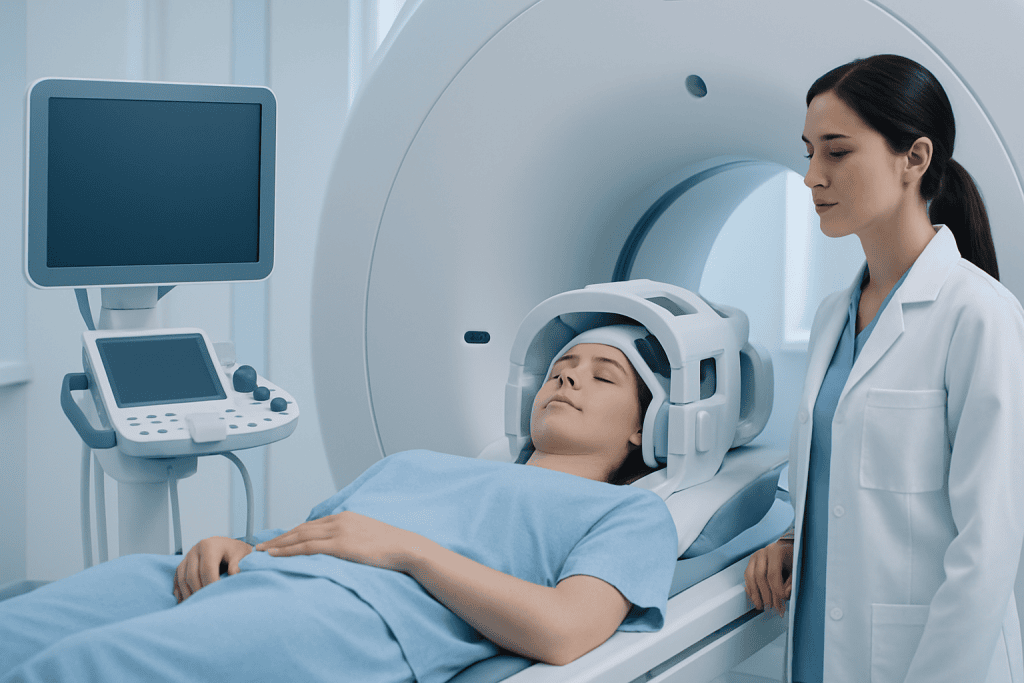
The brain is constantly receiving more sensory input than it can fully process at once. Sensory memory acts like a rapid holding area. It preserves a trace of incoming information just long enough for the nervous system to organize it, compare it with ongoing input, and decide whether to ignore it or attend to it further.
Attention is the key step after sensory memory. If attention is directed to a sound, image, or sensation, the information can move into working memory, where it can be mentally manipulated, repeated, or linked with meaning. If attention is not directed to it, the sensory trace usually fades quickly and naturally.
Different brain networks support different sensory systems. Visual pathways help retain a very brief visual impression, while auditory pathways help hold sounds long enough to understand speech and rhythm. Higher brain regions then integrate these signals with language, emotion, and prior experience. When people report trouble keeping up with spoken language, visual scenes, or touch sensations, the issue may involve not only sensory memory but also attention, processing speed, or another neurologic factor.
Types of sensory memory and everyday examples

Specialists usually describe sensory memory by sense modality. Visual sensory memory, often called iconic memory, briefly retains an image after it disappears. Auditory sensory memory, sometimes called echoic memory, keeps a short trace of sound after it ends. Touch-related sensory memory, sometimes referred to as haptic sensory memory, briefly preserves information about contact, pressure, or texture.
These systems support many normal daily experiences. A person can understand a sentence because the beginning of the sentence is still briefly available while the end is being heard. A driver can respond to moving traffic because the brain momentarily holds visual information from several points in time. A person can identify an object in a pocket because touch sensations are briefly combined into a meaningful pattern.
- Seeing a sparkler’s trail for an instant after it moves
- Understanding spoken words that arrive rapidly one after another
- Noticing where a phone vibrated on the skin even after the vibration stops
- Following subtitles or facial expressions across quick visual changes
Although these examples seem simple, they depend on coordination between the senses, attention, and the brain’s broader memory systems. Difficulties in one area do not always mean sensory memory itself is impaired.
Sensory memory, attention, and other kinds of memory
People often use the word “memory” to describe many different brain functions, but sensory memory is distinct from both working memory and long-term memory. Sensory memory is the first stage: it is automatic, very brief, and tied directly to sensory input. Working memory is the short-term mental workspace used to hold and manipulate information, such as repeating a phone number or following multi-step instructions. Long-term memory stores information over hours, days, or years.
Attention connects these stages. Without attention, most sensory information fades before it becomes consciously useful. For this reason, problems with focus, fatigue, anxiety, or distraction can feel like memory problems even when the sensory systems themselves are normal. In clinical practice, doctors often look at the whole picture rather than assuming a single memory system is responsible.
This distinction matters because concentration problems, learning difficulties, hearing loss, vision changes, and some neurologic conditions can overlap in how they appear. A person who struggles to process rapid speech, for example, may need assessment for hearing or neurologic conditions rather than assuming there is a specific defect in sensory memory alone.
What can affect sensory memory or make it seem impaired
Sensory memory is not commonly discussed as an isolated medical diagnosis. However, its function can be influenced by many factors that affect the brain’s ability to receive, process, or attend to sensory input. Common examples include poor sleep, high stress, anxiety, depression, medication effects, sensory overload, and normal aging-related changes in processing speed.
Vision and hearing problems are especially important because they can mimic a memory issue. If the brain receives incomplete or unclear input, it has less accurate information to briefly store and process. In the same way, migraine, concussion, developmental conditions, attention-deficit disorders, and some neurodegenerative disorders may affect how sensory information is handled.
Doctors may also consider broader brain-health conditions if symptoms are persistent or progressive. Depending on the symptom pattern, evaluation may involve cognitive testing, hearing or vision assessment, or brain imaging such as MRI scanning or a structured brain check-up. In some cases, symptoms that people describe as memory trouble can relate more to Alzheimer’s disease or another cognitive disorder, although sensory memory changes alone do not diagnose these conditions.
How doctors evaluate memory and sensory processing concerns
There is no single routine test used in everyday clinics just for sensory memory. Instead, a doctor starts with a detailed history: what symptoms are happening, when they began, whether they are getting worse, and how they affect school, work, communication, or safety. They also ask about sleep, mood, medications, vision, hearing, and past neurologic events such as head injury.
A physical and neurologic examination helps identify signs that point toward a broader cause. Depending on the concern, further assessment may include hearing tests, eye examinations, cognitive screening, neuropsychological testing, or tests of attention and language processing. These tools can help separate problems of perception, attention, memory, or executive function.
If a structural or neurologic cause is suspected, doctors may use imaging or specialist referral. In selected cases, this may include neurological rehabilitation after injury or illness to support recovery of cognitive and sensory function. Near the end of a diagnostic journey, some international patients seek multidisciplinary assessment at Acibadem International, where JCI-accredited hospitals evaluate neurologic and cognitive symptoms with specialist teams.
Supportive strategies, self-care, and when to seek medical care
Because sensory memory works closely with attention and general brain health, practical support often focuses on the conditions around it. Good sleep, regular physical activity, hearing and vision correction when needed, stress management, and reducing multitasking can help the brain process incoming information more effectively. In classrooms or workplaces, minimizing background noise and allowing extra processing time may also be useful.
For people who notice sensory overload or difficulty keeping up with fast information, structured routines can help. These may include repeating key information aloud, using written reminders, taking breaks during complex tasks, and discussing communication preferences with family, teachers, or employers. If an underlying condition is present, treatment is directed at that cause rather than at sensory memory alone.
Medical care should be sought if memory or sensory changes are new, worsening, or interfering with daily function. A doctor should also be consulted promptly if symptoms occur with confusion, sudden weakness, trouble speaking, severe headache, vision loss, head injury, seizures, or major changes in behavior. Children with developmental concerns and older adults with progressive cognitive symptoms should also be professionally assessed rather than monitored without guidance.
Frequently asked questions
Is sensory memory the same as short-term memory?
No. Sensory memory is the earliest stage of memory and lasts only very briefly after a sight, sound, or touch occurs. Short-term or working memory lasts longer and is used to actively hold and work with information.
What are the main types of sensory memory?
The main types are visual sensory memory, auditory sensory memory, and touch-related sensory memory. These systems help the brain briefly retain input from the eyes, ears, and skin so it can be interpreted.
Can sensory memory problems be a sign of disease?
Sometimes, but not always. Trouble that seems related to sensory memory may actually come from attention problems, poor sleep, stress, hearing loss, vision changes, concussion, or neurologic conditions. A doctor can help identify the real cause.
Does sensory memory get worse with age?
Some aspects of sensory processing and attention may become less efficient with age, especially if hearing or vision declines. However, noticeable or progressive changes should not be dismissed as normal aging without medical assessment.
How is sensory memory tested?
It is usually not tested as a single stand-alone function in routine care. Doctors often assess related areas such as attention, hearing, vision, language processing, and overall cognition to understand the symptoms more accurately.
Can lifestyle habits help support sensory processing?
Yes. Good sleep, stress control, regular exercise, hearing and vision care, and limiting distractions can support clearer sensory processing. These steps do not replace medical evaluation when symptoms are significant or getting worse.
This article is for general information only and is not a substitute for professional medical advice. Please consult a qualified doctor about your individual situation.
Explore treatments in Turkey — costs, top hospitals & a free quote
JCI-accredited · board-certified surgeons · reply within 24h
Add us as a Preferred Source to see more of our trusted health content across Google Search, AI Overviews and Discover.

More from the Health Library

Excised: What Patients Need to Know
Use of Fenugreek Seeds for Hair: What Patients Need to Know

Stromal Tumor — Explained by Medical Evidence, Not Myths

Brown Spot on Eye: A Complete Medical Overview

Codes for Cpt: A Complete Medical Overview