Sepsis: Early Warning Signs, Diagnosis, and Emergency Treatment

Sepsis can develop from infections in the lungs, urinary tract, abdomen, skin, bloodstream, or other parts of the body. Warning signs include confusion, extreme weakness, fever or low temperature, fast breathing, rapid heartbeat, severe pain, clammy skin, and reduced urination.
Key Takeaways
- Sepsis can develop from infections in the lungs, urinary tract, abdomen, skin, bloodstream, or other parts of the body.
- Warning signs include confusion, extreme weakness, fever or low temperature, fast breathing, rapid heartbeat, severe pain, clammy skin, and reduced urination.
- Septic shock is a severe form of sepsis with dangerously low blood pressure and poor blood flow to organs.
- Diagnosis is based on clinical assessment, vital signs, blood tests, cultures, lactate measurement, and imaging when needed.
- Emergency treatment usually includes prompt antibiotics, intravenous fluids, oxygen, close monitoring, and treatment of the infection source.
Sepsis is a medical emergency that can happen when the body’s response to an infection begins to injure its own tissues and organs. Early recognition, rapid diagnosis, antibiotics, fluids, and source control can be lifesaving.
Overview
Sepsis is a serious and time-sensitive condition that occurs when the body’s response to an infection becomes harmful. Instead of only fighting germs, the immune response can trigger widespread inflammation, blood vessel changes, clotting problems, and reduced blood flow. This can affect the brain, lungs, kidneys, heart, liver, and other organs.
Sepsis is not a specific infection; it is a complication of infection. It may begin after pneumonia, a urinary tract infection, an abdominal infection, a wound infection, meningitis, or an infection related to a medical device. Bacteria are common causes, but viruses, fungi, and other microorganisms can also lead to sepsis in some circumstances.
Because sepsis can progress quickly, it is treated as a medical emergency. The goal is to identify it early, start treatment promptly, support the body’s organs, and control the infection source. Many people recover, especially when care begins early, but follow-up may be needed because recovery can take time.
Early Warning Signs and Symptoms
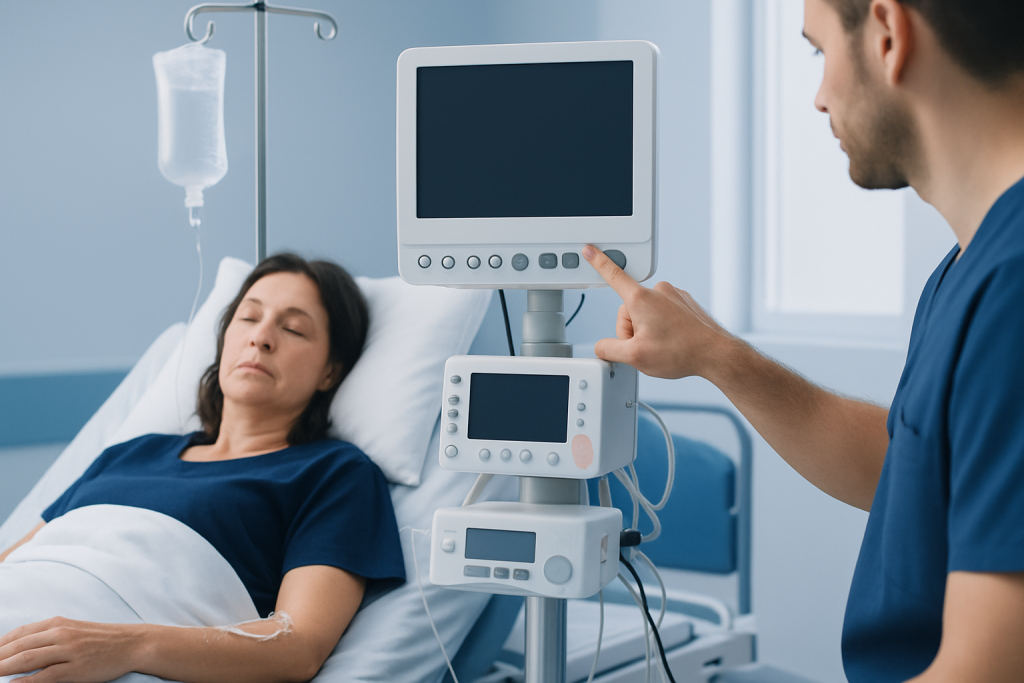
Sepsis can look different from person to person. Some people have a high fever and chills, while others may have a low body temperature, especially older adults, newborns, or people with weakened immune systems. A person may feel suddenly much worse than expected for a common infection.
Common warning signs include fast breathing, shortness of breath, rapid heartbeat, confusion, unusual sleepiness, dizziness, severe weakness, clammy or mottled skin, and reduced urination. Some people describe a feeling of severe discomfort, intense pain, or a sense that something is seriously wrong. In children, signs may include poor feeding, abnormal sleepiness, breathing difficulty, cold hands or feet, a rash that does not fade when pressed, or fewer wet diapers.
Septic shock is a severe form of sepsis. It involves dangerously low blood pressure and poor blood flow despite initial fluid treatment, often requiring intensive monitoring and medicines to support blood pressure. Signs may include extreme confusion, fainting, very little urine, cold or pale skin, and worsening breathing difficulty.
- Fever, chills, or abnormally low temperature
- Fast breathing or shortness of breath
- Rapid heartbeat or low blood pressure
- Confusion, drowsiness, or sudden behavior change
- Severe weakness, pain, or feeling very unwell
- Low urine output, cold skin, or mottled skin
Causes and Risk Factors

Sepsis begins with an infection. The infection may be obvious, such as pneumonia with cough and fever, or less obvious, such as a urinary infection in an older adult who mainly appears confused. Common sources include the lungs, urinary tract, abdomen, pelvis, skin and soft tissues, bloodstream, bones and joints, and the central nervous system.
Anyone can develop sepsis, but some people are at higher risk. This includes infants, older adults, pregnant or recently pregnant people, people with diabetes, kidney disease, liver disease, cancer, or chronic lung or heart disease, and people taking medicines that suppress the immune system. Recent surgery, hospitalization, burns, wounds, catheters, intravenous lines, and implanted devices can also increase risk.
Antibiotic-resistant infections can make treatment more complex, which is why doctors consider recent hospital stays, travel, prior antibiotic use, and local resistance patterns when choosing treatment. Preventing infections, using antibiotics responsibly, and seeking care when infections worsen all help reduce the risk of sepsis.
Diagnosis
Sepsis is diagnosed by combining clinical judgment with tests. Doctors assess symptoms, vital signs, the suspected infection source, and evidence of organ stress or organ dysfunction. A person with an infection who is confused, breathing rapidly, has low blood pressure, or shows signs of poor circulation may be treated for possible sepsis while tests are still in progress.
Blood tests may include a complete blood count, kidney and liver function tests, blood clotting tests, blood gas testing, electrolytes, inflammatory markers, and lactate. Lactate can rise when tissues are not receiving or using oxygen well and can help guide urgency and monitoring. Blood cultures and cultures from urine, sputum, wounds, or other sites may be taken before antibiotics when this does not delay treatment.
Imaging helps find the source of infection when it is not clear. A chest X-ray may look for pneumonia, while ultrasound, CT, or MRI may be used for abdominal infection, abscess, blocked urinary tract, deep tissue infection, or complications after surgery. In some cases, procedures such as lumbar puncture, drainage of fluid collections, or device removal may be needed for diagnosis and treatment.
Emergency Treatment Options
Treatment for sepsis starts immediately because delays can allow organ dysfunction to worsen. The first steps usually include oxygen if needed, intravenous access, blood tests and cultures, prompt broad-spectrum antibiotics, and intravenous fluids for low blood pressure or poor circulation. Treatment is adjusted as test results identify the germ and show which medicines are most appropriate.
Source control is a key part of sepsis care. This means treating the place where the infection is coming from, such as draining an abscess, removing an infected catheter, relieving an obstructed kidney, cleaning infected tissue, or performing surgery for an abdominal infection when necessary. Antibiotics alone may not be enough if an infected collection or blocked organ remains untreated.
People with severe sepsis or septic shock may need care in an intensive care unit. Supportive treatments can include medicines to raise blood pressure, close monitoring of urine output, breathing support, kidney support, blood sugar management, blood clot prevention, and careful fluid balance. The treatment plan is individualized according to age, medical history, infection source, organ function, and response to therapy.
Recovery, Prevention, and Self-Care
Recovery after sepsis varies. Some people improve quickly after the infection is controlled, while others need weeks or months to regain strength. Fatigue, reduced appetite, sleep problems, muscle weakness, memory changes, anxiety, or low mood can occur after a severe illness. Follow-up care helps monitor organ function, review medications, support rehabilitation, and address emotional recovery.
Prevention focuses on reducing infection risk and treating infections early. Recommended vaccinations, good hand hygiene, safe food practices, proper wound care, and management of chronic conditions such as diabetes can help. People with catheters, dialysis access, implanted devices, or recent surgery should follow care instructions and report signs of infection promptly.
Antibiotics should be used only when prescribed and taken as directed. Stopping antibiotics early or using leftover medicines can contribute to treatment failure and resistance. At home, people should seek medical advice if an infection is worsening, if fever persists, if pain increases, or if new symptoms such as confusion, breathlessness, dizziness, or low urine output appear.
When to See a Doctor
Sepsis requires urgent medical attention. A person with an infection or suspected infection should seek emergency care if they develop confusion, severe weakness, shortness of breath, chest discomfort, fainting, very fast heartbeat, low blood pressure, bluish or mottled skin, severe pain, or markedly reduced urination. Care should not be delayed to wait for symptoms to improve.
Medical help is also important when a fever occurs in a newborn, an older adult becomes suddenly confused, a person with a weakened immune system feels unwell, or symptoms worsen after surgery, chemotherapy, childbirth, or a recent hospital stay. Families and caregivers should trust sudden changes in behavior, alertness, breathing, or skin color, especially in people who may not be able to describe symptoms clearly.
After emergency treatment, follow-up with a qualified doctor is important to confirm that the infection has resolved and to support recovery. Acibadem International’s multidisciplinary specialists and JCI-accredited hospitals diagnose and treat sepsis and severe infections for international patients, with care coordinated according to each patient’s condition and medical needs.
Frequently asked questions
What is the first sign of sepsis?
There may not be one single first sign. Early sepsis can appear as a sudden worsening of an infection, with fever or low temperature, fast breathing, rapid heartbeat, confusion, severe weakness, or feeling unusually unwell. Any concerning change during an infection should be taken seriously.
Can sepsis happen without a fever?
Yes. Some people with sepsis have a normal or low body temperature instead of a fever. This is more common in older adults, infants, and people with weakened immune systems, so other signs such as confusion, fast breathing, low blood pressure, or reduced urination are important.
Is sepsis contagious?
Sepsis itself is not contagious. It is the body’s severe response to an infection. However, some infections that can lead to sepsis, such as certain respiratory or gastrointestinal infections, may spread from person to person.
How is sepsis treated in the hospital?
Treatment usually begins with rapid assessment, blood tests and cultures, intravenous antibiotics, fluids, and oxygen when needed. Doctors also look for the infection source and may drain an abscess, remove an infected device, or perform surgery if required. Severe cases may need intensive care and medicines to support blood pressure and organ function.
What is the difference between sepsis and septic shock?
Sepsis is a life-threatening organ dysfunction caused by the body’s abnormal response to infection. Septic shock is a more severe stage in which blood pressure and circulation remain dangerously low despite initial treatment. It usually requires intensive care and close organ support.
Can someone fully recover from sepsis?
Many people recover from sepsis, especially when it is recognized and treated early. Recovery may take time, and some people experience fatigue, weakness, memory changes, or emotional symptoms after hospitalization. Follow-up care and rehabilitation can help guide recovery safely.
References
- World Health Organization
- Centers for Disease Control and Prevention
- Surviving Sepsis Campaign
- National Institute for Health and Care Excellence
- European Society of Intensive Care Medicine
This article is for general information only and is not a substitute for professional medical advice. Please consult a qualified doctor about your individual situation.
Explore treatments in Turkey — costs, top hospitals & a free quote
JCI-accredited · board-certified surgeons · reply within 24h
Add us as a Preferred Source to see more of our trusted health content across Google Search, AI Overviews and Discover.
Check your numbers in seconds
BMI, calories, due date, blood pressure and 30+ more clinical calculators — free, instant, doctor-reviewed ranges.