Septic Shock: A Complete Medical Overview

Septic shock is a medical emergency caused by a severe infection and an abnormal body-wide response to it. Common warning signs include confusion, very low blood pressure, fast breathing, fever or low body temperature, and reduced urine output.
Key Takeaways
- Septic shock is a medical emergency caused by a severe infection and an abnormal body-wide response to it.
- Common warning signs include confusion, very low blood pressure, fast breathing, fever or low body temperature, and reduced urine output.
- Diagnosis relies on symptoms, physical examination, blood tests, imaging, and finding the source of infection.
- Treatment usually includes urgent antibiotics, intravenous fluids, medicines to support blood pressure, oxygen, and close monitoring in hospital.
- People with weakened immune systems, older age, chronic illness, or recent surgery may have a higher risk.
- Early treatment of infections and timely medical care can help reduce the risk of septic shock.
Septic shock is the most severe end of sepsis, when the body’s response to infection causes dangerously low blood pressure and poor blood flow to vital organs. It is a medical emergency, but prompt recognition and hospital treatment can improve the chance of recovery.
Overview
Septic shock is a serious medical condition that happens when a severe infection triggers a widespread, harmful response throughout the body. This response can cause blood pressure to fall to dangerously low levels, reducing blood flow to organs such as the brain, kidneys, heart, and lungs. Because organs need a steady supply of oxygen-rich blood to work properly, septic shock can quickly become life-threatening without urgent treatment.
Septic shock is considered the most severe form of sepsis. Sepsis itself is the body’s extreme response to an infection, and septic shock develops when sepsis leads to persistent low blood pressure and signs that organs are not getting enough circulation. It can begin with infections in the lungs, urinary tract, abdomen, skin, or bloodstream, but the effects are not limited to one part of the body.
Although septic shock is a medical emergency, it is important to know that rapid treatment can make a meaningful difference. Early recognition, immediate hospital care, and treatment aimed at both the infection and the body’s unstable circulation are central to recovery.
How Septic Shock Affects the Body
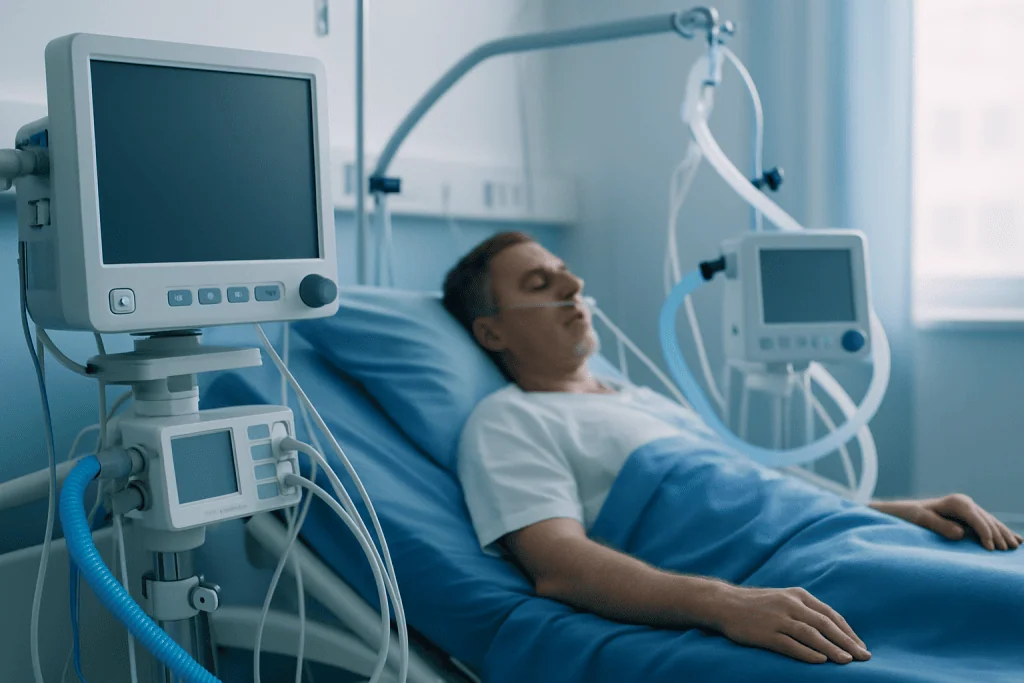
In septic shock, the body’s immune system releases chemicals to fight infection, but this response becomes unbalanced. Blood vessels may widen too much, become leaky, and lose their ability to maintain normal pressure. At the same time, small blood clots can form and blood flow may be redirected away from important organs. This combination makes it harder for tissues to receive the oxygen and nutrients they need.
As circulation worsens, organs may begin to fail. The kidneys may produce less urine, the brain may be affected causing confusion or unusual drowsiness, and the lungs may struggle to exchange enough oxygen. The heart may also work harder to compensate, leading to a rapid heartbeat and signs of stress on the cardiovascular system.
This condition is related to but more severe than sepsis. Not every infection causes sepsis, and not every case of sepsis progresses to shock. However, when septic shock develops, treatment needs to begin right away in a hospital setting, often with intensive monitoring and support.
Symptoms and Warning Signs
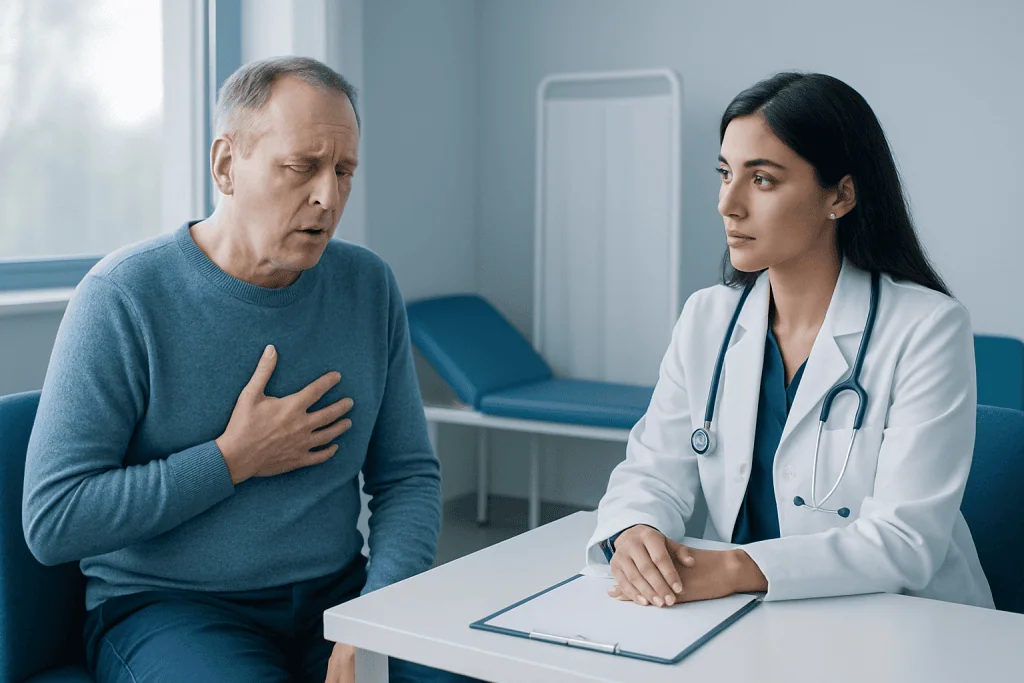
The symptoms of septic shock can vary depending on the source of infection, the person’s age, and their overall health. Some people first notice symptoms of infection, such as cough, pain with urination, abdominal pain, or a skin wound that becomes red and swollen. As the condition worsens, body-wide symptoms may appear and can develop quickly.
Common signs and symptoms may include:
- Very low blood pressure
- Fast heartbeat
- Rapid breathing or shortness of breath
- Fever, chills, or sometimes unusually low body temperature
- Confusion, disorientation, or difficulty staying awake
- Cold, pale, clammy, or mottled skin
- Reduced urine output
- Severe weakness, dizziness, or a feeling of impending collapse
Symptoms may look different in older adults, young children, or people with weakened immune systems. In some cases, mental status changes, extreme fatigue, or poor feeding may be the earliest clues. Because these signs can overlap with other urgent conditions, it is safest to seek emergency medical care if septic shock is suspected.
Causes and Risk Factors
Septic shock begins with an infection, most often caused by bacteria, but sometimes by fungi or other microbes. Common starting points include pneumonia, urinary tract infections, abdominal infections, infected wounds, and infections related to medical devices such as catheters. In some cases, the infection enters the bloodstream directly or spreads there from another site.
Some people are more vulnerable to sepsis and septic shock than others. Risk tends to be higher in older adults, infants, pregnant people, and those with chronic diseases such as diabetes, kidney disease, liver disease, cancer, or heart disease. A weakened immune system due to illness, medication, or recent transplantation also raises risk.
Other important risk factors include recent surgery, hospitalization, major injury, burns, and the presence of invasive devices such as urinary catheters or intravenous lines. Severe infections that are not recognized or treated early may be more likely to progress. People who have conditions such as pneumonia or serious abdominal infections may need close medical observation for signs of sepsis.
How Doctors Diagnose Septic Shock
Doctors diagnose septic shock by combining the clinical picture with tests that show infection, low blood pressure, and signs of poor organ perfusion. The first step is a prompt assessment of vital signs, mental status, breathing, urine output, and circulation. A doctor will also ask about recent symptoms, infections, surgeries, medications, and any chronic medical conditions.
Blood tests can help measure inflammation, organ function, blood cell counts, clotting, and markers related to tissue oxygen delivery. Blood cultures and cultures from urine, sputum, wounds, or other body fluids may help identify the organism causing the infection. These tests guide treatment, although doctors usually begin therapy before all results are available because delays can be dangerous.
Imaging tests may be needed to find the source of infection. Depending on symptoms, this can include chest X-ray, ultrasound, or MRI or other advanced imaging when deeper infection is suspected. If there is concern about strain on the heart, doctors may also use tests such as echocardiography to assess circulation and help guide treatment decisions.
Treatment Options in Hospital
Septic shock is treated in hospital and often requires care in an intensive care or closely monitored setting. One of the first priorities is to stabilize blood pressure and restore blood flow to organs. This is usually done with intravenous fluids, and if blood pressure remains too low, doctors may use medications called vasopressors to tighten blood vessels and support circulation.
Antibiotics are started as soon as possible when a bacterial infection is suspected. The exact medicines may be adjusted later based on culture results and the likely source of infection. Treatment also focuses on controlling the source of infection, which may involve draining an abscess, removing an infected device, or treating conditions such as airway or lung infections when respiratory infection is involved.
Additional supportive care may include oxygen therapy, mechanical ventilation if breathing becomes difficult, careful monitoring of kidney function, and treatment of blood sugar or clotting problems. Some patients need temporary support for failing organs, such as dialysis for kidney injury. Care is individualized, and the goal is to treat the infection while protecting organs as the body recovers.
Near the end of the care pathway, rehabilitation and follow-up can also be important. After severe sepsis or shock, some people feel weak, have trouble concentrating, or need time to rebuild strength. Acibadem International’s multidisciplinary specialists and JCI-accredited hospitals diagnose and treat septic shock and its underlying causes for international patients.
Prevention and Self-Care
Not every case of septic shock can be prevented, but reducing infection risk is an important step. Good hand hygiene, keeping vaccinations up to date, and caring properly for wounds can help lower the chance of serious infection. People with chronic medical conditions should follow their treatment plans and attend routine medical appointments, since good disease control may reduce complications.
It is also helpful to seek medical advice early for symptoms that suggest infection, especially if a person is older, immunocompromised, or recently had surgery. Warning signs such as fever, new confusion, worsening shortness of breath, severe pain, or reduced urination should not be ignored. Prompt treatment of infections may help prevent progression to sepsis or shock.
After recovery, self-care usually focuses on regaining strength and watching for lasting effects. Adequate rest, hydration, nutrition, and follow-up appointments are often recommended. Family members and caregivers can also play an important role by noticing changes in alertness, breathing, or overall condition and helping the person seek care quickly if new symptoms appear.
When to Seek Medical Care
Emergency medical care is needed right away if there are signs of severe infection together with confusion, faintness, very low blood pressure, blue or pale skin, severe shortness of breath, or a marked decrease in urine output. These may be signs that organs are not getting enough blood flow. It is especially important to act quickly if symptoms are rapidly worsening over hours.
Urgent medical evaluation is also wise when someone has an infection and belongs to a higher-risk group, such as an older adult, a person receiving chemotherapy, someone taking immune-suppressing medication, or a patient recovering from recent surgery. In these situations, even symptoms that seem mild at first can become serious more quickly.
People should not try to manage suspected septic shock at home. Because treatment often requires intravenous fluids, antibiotics, oxygen, and continuous monitoring, prompt assessment by qualified clinicians is essential. When in doubt, seeking emergency care is the safest choice.
Frequently asked questions
What is the difference between sepsis and septic shock?
Sepsis is the body’s overwhelming and harmful response to an infection. Septic shock is a more severe stage in which blood pressure remains dangerously low and organs may not receive enough blood flow despite initial treatment. Both require urgent medical attention, but septic shock is considered a medical emergency of the highest order.
Can septic shock develop from a common infection?
Yes. Septic shock can sometimes begin with infections that are relatively common, such as pneumonia, a urinary tract infection, or an infected wound. What makes it dangerous is not only the infection itself but the body-wide response that disrupts circulation and organ function.
Is septic shock contagious?
Septic shock itself is not contagious. However, the infection that triggers it may be contagious in some cases, depending on the organism involved. Good hygiene and appropriate infection precautions can help reduce spread when an infectious illness is present.
Who is most at risk of septic shock?
Risk is higher in older adults, infants, people with weakened immune systems, and those with chronic illnesses such as diabetes, kidney disease, or cancer. Recent surgery, hospitalization, invasive devices, and untreated severe infections can also increase risk. Even so, septic shock can occur in otherwise healthy people if an infection becomes severe enough.
How is septic shock treated?
Treatment usually starts immediately in hospital with intravenous fluids, antibiotics, oxygen, and close monitoring. If blood pressure stays low, doctors may use medications to support circulation and may provide organ support such as mechanical ventilation or dialysis. The source of infection also needs to be identified and controlled.
Can a person recover fully from septic shock?
Many people do recover, especially when treatment begins early and the source of infection can be controlled. Recovery time varies, and some people need rehabilitation to rebuild strength or cope with lingering fatigue or concentration problems. Follow-up care is important to monitor recovery and address any complications.
This article is for general information only and is not a substitute for professional medical advice. Please consult a qualified doctor about your individual situation.
Explore treatments in Turkey — costs, top hospitals & a free quote
JCI-accredited · board-certified surgeons · reply within 24h
Add us as a Preferred Source to see more of our trusted health content across Google Search, AI Overviews and Discover.
Check your numbers in seconds
BMI, calories, due date, blood pressure and 30+ more clinical calculators — free, instant, doctor-reviewed ranges.

More from the Health Library
Spray in Nose — Explained by Medical Evidence, Not Myths

Peroneus Tertius: What Patients Need to Know

Soursop: What Patients Need to Know

Overheating — Explained by Medical Evidence, Not Myths

Blood From a Miscarriage: What Patients Need to Know