Septum — Explained by Medical Evidence, Not Myths

The word septum describes a dividing wall inside the body and is not a disease by itself. The nasal septum separates the two nasal passages; when it is off-center, it is called a deviated septum.
Key Takeaways
- The word septum describes a dividing wall inside the body and is not a disease by itself.
- The nasal septum separates the two nasal passages; when it is off-center, it is called a deviated septum.
- A uterine septum is a congenital variation in which tissue partially or fully divides the inside of the uterus.
- Not every septum-related finding needs treatment; care depends on symptoms, function, and personal health goals.
- Evaluation may involve a physical exam, endoscopy, ultrasound, or other imaging depending on the body area involved.
- Medical care is important if symptoms affect breathing, cause repeated infections, heavy bleeding, fertility concerns, or severe pain.
A septum is a normal wall of tissue that separates two spaces in the body. Most questions about the septum involve the nose or the uterus, and symptoms depend on where the septum is located and whether it is shaped or formed differently than usual.
What is a septum?
A septum is a partition or wall of tissue that separates two spaces in the body. This is a normal part of anatomy, not automatically a problem. Different organs have septa, including the nose, heart, and uterus, so the meaning of the word depends on the body area being discussed.
In everyday health information, the term usually refers to either the nasal septum or a uterine septum. The nasal septum is the wall between the right and left sides of the nose. A uterine septum is tissue inside the uterus that can partly or completely divide the uterine cavity.
The important point is that a septum can be entirely normal, or it can be shaped differently in a way that causes symptoms. For example, a septum in the nose may be deviated and affect airflow, while a septum in the uterus may be present from birth and become relevant when periods, pregnancy, or fertility are being evaluated.
The most common types people ask about
The nasal septum is made of cartilage and bone covered by a thin lining. Ideally, it sits near the center of the nose, helping direct airflow and support nasal shape. If it leans to one side, this is called a deviated septum. A mild deviation is common and may never cause symptoms.
A uterine septum is different. It is a structural variation present from birth, caused by the way the uterus develops before birth. In some people it is small and found only during imaging, while in others it may be associated with irregular bleeding, fertility concerns, or pregnancy loss. This differs from other uterine conditions such as uterine fibroids, which are growths in the muscle of the uterus rather than a dividing wall.
There are also septa in other parts of the body, such as the heart. These are important in cardiology, but they are usually described more specifically, such as an atrial or ventricular septal defect. When a person hears only the word “septum,” context from symptoms and the medical visit usually clarifies which body area is meant.
Symptoms: when a septum causes problems

Symptoms vary widely because a septum is an anatomical structure, not a single condition. Nasal septum problems may cause one-sided or alternating nasal blockage, mouth breathing, frequent nosebleeds, noisy breathing during sleep, facial pressure, or repeated sinus infections. Some people also notice headaches, especially if the deviation is severe or contributes to poor sinus drainage.
A uterine septum often causes no symptoms at all. When symptoms are present, they may include menstrual discomfort, unusual bleeding patterns, difficulty becoming pregnant, or repeated miscarriage. Sometimes it is discovered only after ultrasound or evaluation for infertility or recurrent pregnancy loss.
Many people have a mild septal variation and feel completely well. Symptoms matter more than appearance alone. Treatment decisions are usually based on how much the septum affects breathing, sinus health, menstrual health, fertility, or quality of life rather than on the presence of a septum-related finding by itself.
- Nasal symptoms: blockage, snoring, nosebleeds, sinus pressure
- Uterine symptoms: bleeding changes, fertility concerns, pregnancy complications
- Other septum-related issues depend on the organ involved
Why septum problems happen
The causes depend on location. A deviated nasal septum may be present from birth or may develop after injury to the nose. Sometimes the change is subtle and becomes more noticeable with growth. Swelling from allergies or infection can also make a mildly deviated septum feel more obstructive, even when the underlying anatomy has not changed.
A uterine septum develops before birth as the reproductive tract forms. It is a congenital condition, which means a person is born with it. It is not caused by exercise, stress, diet, or anything done later in life. The septum may be partial or complete, and some cases are found only when imaging is performed for another reason.
Risk factors are therefore different as well. Nasal septum problems may be more likely after trauma or in people who also have chronic rhinitis or sinus inflammation. A uterine septum is not usually preventable because it relates to early development. Understanding the cause helps avoid myths and supports realistic treatment planning.
How doctors diagnose septum-related conditions
Diagnosis begins with a focused medical history and examination. For nasal concerns, a doctor asks about congestion, snoring, infections, nosebleeds, allergies, past trauma, and response to medications. The inside of the nose may be examined with a light or with a thin endoscope to assess the septum, swelling, polyps, or signs of infection.
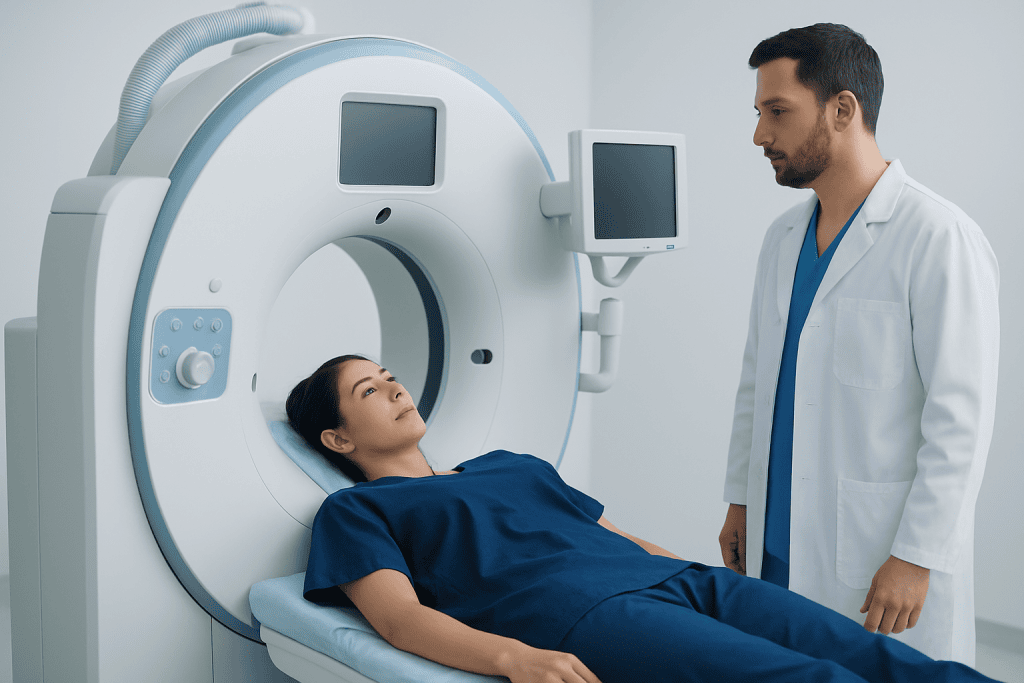
Imaging is not always needed for a deviated septum, but it may be useful when sinus disease, injury, or surgery planning is involved. If symptoms suggest chronic sinus involvement, a clinician may also evaluate for sinusitis because inflamed sinuses can overlap with septal symptoms.
For a suspected uterine septum, diagnosis commonly uses pelvic ultrasound, 3D ultrasound, saline infusion sonography, MRI, or hysteroscopy. These tests help show the shape of the uterine cavity and distinguish a septum from other conditions. Accurate diagnosis matters because treatment for a septum is different from treatment for fibroids, adhesions, or a bicornuate uterus.
Treatment options depend on the location and symptoms
Not every septum-related finding needs treatment. If there are no symptoms and no effect on health, watchful follow-up may be enough. When symptoms are present, treatment is tailored to the body area, symptom severity, and personal goals such as improved breathing or plans for pregnancy.
For nasal symptoms, medical treatment may help if swelling is contributing to blockage. Depending on the cause, this can include saline rinses, allergy treatment, or medications recommended by a doctor. However, medication does not straighten the septum itself. When a structural deviation clearly causes significant obstruction or repeated sinus problems, surgery may be considered. The standard operation is septoplasty, sometimes combined with treatment for enlarged turbinates or sinus disease. If there are important external shape changes as well as internal breathing issues, selected patients may also be evaluated for rhinoplasty.
For a uterine septum, treatment is usually considered when there is a history of infertility, recurrent pregnancy loss, or symptoms thought to be related to the septum. In many cases, correction can be performed with hysteroscopy, a minimally invasive procedure that allows the doctor to see inside the uterus and remove the septal tissue when appropriate. Decisions are individualized, especially for people planning pregnancy.
Near the end of the care pathway, multidisciplinary assessment is often helpful. Acibadem International’s specialists in ENT, gynecology, imaging, and reproductive health at JCI-accredited hospitals diagnose and treat septum-related conditions for international patients when further evaluation is needed.
Self-care, prevention, and living with a septum issue
Prevention is limited for congenital septum variations, but symptom control and general care can still make a meaningful difference. For nasal problems, avoiding nose trauma, managing allergies, staying hydrated, and using saline irrigation if advised may reduce irritation and improve comfort. It is also helpful to avoid overusing decongestant sprays unless a doctor has recommended them.
People with a deviated nasal septum sometimes sleep better by treating coexisting allergy symptoms and maintaining good bedroom air quality. If snoring, poor sleep, or daytime fatigue persists, further medical review is reasonable because symptoms may not be caused by the septum alone.
For a uterine septum, there is no home remedy that changes the anatomy. The most useful self-care step is keeping track of menstrual patterns, pain, prior pregnancies, and any fertility concerns so that this information can be shared during appointments. Emotional support may also help when reproductive concerns are part of the picture.
When to seek medical care
Medical evaluation is important if nasal blockage is persistent, one-sided, or associated with repeated sinus infections, frequent nosebleeds, sleep disruption, or breathing difficulty. Care is also needed after a nose injury, especially if there is sudden deformity, heavy bleeding, or severe swelling.
For gynecologic concerns, a doctor should be consulted if there is unusual uterine bleeding, significant menstrual pain, trouble becoming pregnant, or a history of repeated miscarriage. These symptoms do not always mean a uterine septum is present, but they deserve proper assessment.
Urgent care is appropriate for severe shortness of breath, uncontrolled bleeding, intense pain, high fever, or symptoms that rapidly worsen. In most other situations, a scheduled visit with a qualified doctor is the best next step. Early evaluation can clarify whether the septum is a normal anatomical finding, a contributor to symptoms, or part of another condition entirely.
Frequently asked questions
Is a septum normal, or does it always mean something is wrong?
A septum is a normal anatomical wall that separates two spaces in the body. It becomes a medical issue only when its shape, position, or development causes symptoms or affects body function.
What is the difference between a septum and a deviated septum?
Septum is the general term for the dividing wall. A deviated septum usually refers specifically to the nasal septum being off-center, which can reduce airflow through one or both sides of the nose.
Can a deviated nasal septum fix itself?
A structural deviation does not usually straighten on its own. Symptoms may improve if swelling from allergies or infection is treated, but the underlying anatomy generally remains the same unless surgery is performed.
Does a uterine septum always cause infertility?
No. Many people with a uterine septum can have no symptoms and may not know it is present. However, in some cases it may be associated with fertility difficulties or pregnancy loss, so individualized assessment is important.
How is a septum problem diagnosed?
Diagnosis depends on the body area involved. Doctors may use a physical exam and nasal endoscopy for the nose, or ultrasound, MRI, and hysteroscopy for a uterine septum.
When is surgery recommended for a septum issue?
Surgery is usually considered when symptoms are significant or when the septum is affecting function, such as breathing, sinus drainage, or reproductive outcomes. The decision is based on symptoms, examination findings, and discussion with a specialist.
This article is for general information only and is not a substitute for professional medical advice. Please consult a qualified doctor about your individual situation.
Explore treatments in Turkey — costs, top hospitals & a free quote
JCI-accredited · board-certified surgeons · reply within 24h
Add us as a Preferred Source to see more of our trusted health content across Google Search, AI Overviews and Discover.

More from the Health Library

Treat Gyno — Explained by Medical Evidence, Not Myths

Corneal Edema: An Evidence-Based Guide for Patients

Parasitic Worms — Explained by Medical Evidence, Not Myths

Agua De Jamaica: What Patients Need to Know

Htlv-1 — Explained by Medical Evidence, Not Myths