Shock’s: A Complete Medical Overview

Shock is a medical emergency, not simply an emotional reaction or a feeling of being startled. Early signs can include pale or clammy skin, fast breathing, weakness, confusion, dizziness, or fainting.
Key Takeaways
- Shock is a medical emergency, not simply an emotional reaction or a feeling of being startled.
- Early signs can include pale or clammy skin, fast breathing, weakness, confusion, dizziness, or fainting.
- The main types are hypovolemic, cardiogenic, distributive, and obstructive shock; treatment depends on the cause.
- Call emergency services immediately if shock is suspected, especially after injury, severe bleeding, chest symptoms, or signs of a serious infection.
- Do not give food, drink, or medication to a person who may be in shock unless instructed by emergency professionals.
Shock is a life-threatening medical emergency in which the body cannot deliver enough oxygen-rich blood to vital organs. It may result from severe bleeding, infection, heart problems, allergic reactions, or spinal injury, and it requires urgent assessment and treatment.
Overview: What Is Medical Shock?
Shock is a critical condition in which blood flow and oxygen delivery are not sufficient to meet the body’s needs. Without prompt treatment, vital organs such as the brain, heart, kidneys, and liver can be affected. Although people may use the word “shock” to describe emotional distress, medical shock is a physical emergency and should always be taken seriously.
The body may initially try to compensate by increasing the heart rate and narrowing blood vessels. This can temporarily preserve blood flow to essential organs. However, if the underlying problem continues, blood pressure may fall, cells may not receive enough oxygen, and organ function can deteriorate.
Shock is not a diagnosis with one single cause. It is a final pathway that can develop after major blood or fluid loss, a serious infection, a heart-related problem, a severe allergic reaction, or a blockage affecting circulation. Fast recognition and emergency treatment can improve the chance of recovery.
How Shock Affects the Body
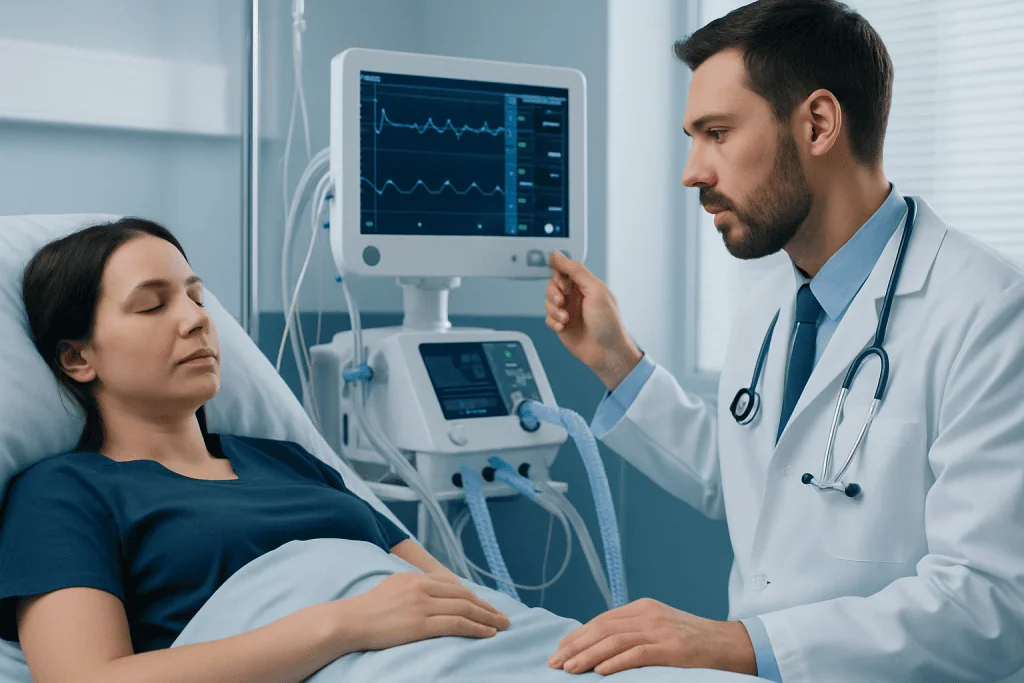
For organs to work normally, the circulation must deliver oxygen and nutrients through the blood and remove waste products. In shock, this system fails because there is too little circulating fluid, the heart cannot pump effectively, blood vessels become abnormally relaxed or leaky, or blood flow is physically blocked.
As oxygen levels in tissues fall, the body shifts into an emergency state. A person may become restless, anxious, unusually sleepy, confused, or less responsive. The skin can become cool, pale, sweaty, or mottled, although some forms of shock may initially cause warm, flushed skin.
Shock can progress quickly and may look different in children, older adults, pregnant people, and those taking medicines that affect heart rate or blood pressure. A normal-looking blood pressure reading does not always rule out early shock. Clinical assessment focuses on the overall pattern of symptoms, vital signs, examination findings, and the possible cause.
Types of Shock and Their Causes

Hypovolemic shock happens when the body loses a large amount of blood or fluid. Severe bleeding after an injury, internal bleeding, surgery, vomiting, diarrhea, burns, or pregnancy-related complications can cause this type. Bleeding may not always be visible, particularly when it occurs inside the body.
Cardiogenic shock occurs when the heart cannot pump enough blood to support the body. It may complicate a heart attack, severe heart failure, dangerous heart rhythm disturbances, or certain structural heart conditions. Symptoms may include chest discomfort, breathlessness, cold skin, and marked weakness, but presentations vary.
Distributive shock results from widespread blood vessel changes that make it difficult to maintain effective circulation. Sepsis, a severe body-wide response to infection, is a common cause. Anaphylaxis, a severe allergic reaction, and injury affecting the nervous system can also lead to distributive shock. Obstructive shock is caused by a physical blockage to blood flow, such as a large blood clot in the lungs, fluid compressing the heart, or a collapsed lung under pressure.
These categories can overlap. For example, a person with a severe infection may have dehydration as well as sepsis-related circulatory changes. Identifying the cause quickly guides lifesaving treatment.
Signs and Symptoms of Shock
Symptoms depend on the cause and stage of shock, but they often reflect poor circulation and reduced oxygen delivery. Early warning signs can include dizziness, fainting, weakness, intense thirst, nausea, rapid breathing, a fast heartbeat, pale skin, sweating, or cold and clammy hands and feet.
As shock worsens, a person may become confused, drowsy, agitated, or difficult to wake. They may have very little urine output, bluish or gray lips or fingertips, worsening shortness of breath, or a weak pulse. In some cases, especially early septic or allergic shock, skin may feel warm and appear flushed rather than cold.
In infants and young children, warning signs may be less specific. These can include unusual sleepiness, poor feeding, persistent vomiting, rapid breathing, pale or blotchy skin, fewer wet diapers, or reduced interaction. Older adults may show confusion or a sudden decline in alertness before other symptoms become obvious.
- Severe or ongoing bleeding
- Fainting, confusion, or reduced consciousness
- Chest pain, severe breathing difficulty, or a bluish color around the lips
- A serious allergic reaction with swelling, wheezing, or dizziness
- Fever or suspected infection with marked weakness, confusion, or low urine output
Diagnosis and Emergency Assessment
When shock is suspected, medical teams assess and support airway, breathing, and circulation immediately. They check blood pressure, pulse, breathing rate, oxygen level, temperature, mental state, urine output, and skin appearance. A clinician also looks for clues such as bleeding, rash, swelling, signs of infection, heart symptoms, or recent trauma.
Tests may include blood tests, an electrocardiogram, chest imaging, ultrasound, echocardiography, and scans when appropriate. These tests can help identify internal bleeding, infection, heart dysfunction, blood clots, or other causes. In urgent situations, treatment begins at the same time as testing rather than waiting for every result.
Doctors may monitor blood lactate, acid-base balance, kidney function, blood counts, and markers of infection or heart injury. These measures help show how severely the body is affected and whether treatment is restoring circulation. Repeated assessments are important because a person’s condition can change rapidly.
Treatment Options and Immediate First Aid
Treatment aims to restore oxygen delivery, stabilize circulation, and address the cause. Depending on the situation, this may involve oxygen support, intravenous fluids, blood products for significant blood loss, medicines to support blood pressure, antibiotics for suspected sepsis, medicines for anaphylaxis, or urgent procedures to relieve a blockage or control bleeding.
Cardiogenic shock may require treatment to improve heart pumping, restore blood flow to the heart, or manage an abnormal rhythm. Obstructive causes may need urgent specialist procedures. Many people with shock require close monitoring in an emergency department or intensive care setting.
If someone may be in shock, call local emergency services immediately. If it is safe to do so, help the person lie flat, keep them warm with a blanket or clothing, and control visible bleeding with firm direct pressure using a clean cloth or dressing. Do not move someone with a suspected neck, back, or major leg injury unless there is immediate danger.
Do not give food, drink, alcohol, or oral medication to a person who is drowsy, vomiting, severely injured, or may need urgent treatment. If the person is unconscious but breathing, follow emergency dispatcher instructions about positioning. If they are not breathing normally or have no signs of circulation, start CPR if trained and follow dispatcher guidance.
Recovery, Prevention and Reducing Risk
Recovery from shock depends on its cause, how quickly treatment began, the person’s general health, and whether organs were affected. Some people recover fully after the underlying problem is treated, while others need rehabilitation, follow-up tests, or ongoing care for heart disease, infection-related complications, or another contributing condition.
Not every cause of shock can be prevented, but some risks can be reduced. Managing chronic heart conditions, seeking early care for severe infections, taking prescribed medicines as directed, and keeping emergency allergy medicines available when prescribed can be important. Injury prevention measures, including seat belts, protective equipment, and safe use of medicines and alcohol, can reduce the risk of trauma-related bleeding.
After hospital care, patients should attend follow-up appointments and ask about warning signs that need urgent review. Acibadem International’s multidisciplinary specialists and JCI-accredited hospitals diagnose and treat complex emergency conditions for international patients, with care plans based on the underlying cause and individual recovery needs.
When to Seek Medical Care
Shock always needs emergency medical care. Call emergency services now if a person has signs of shock, collapses, has severe bleeding, develops confusion after an injury or illness, experiences chest pain with weakness or breathlessness, or has symptoms of a severe allergic reaction. It is safer to seek urgent help even when the cause is uncertain.
Prompt medical assessment is also important for persistent vomiting or diarrhea with marked weakness, a high-risk infection with worsening symptoms, black or bloody stools, vomiting blood, or new severe abdominal pain. These symptoms can sometimes indicate fluid loss, internal bleeding, or another serious condition.
People should not drive themselves to hospital if they feel faint, severely short of breath, confused, or have chest symptoms. Emergency transport allows monitoring and early treatment on the way to care. Family members should share information about recent illness, injuries, allergies, medications, and medical conditions with the emergency team whenever possible.
Frequently asked questions
Is medical shock the same as being emotionally shocked?
No. Emotional shock refers to a psychological response to a distressing event, while medical shock is a life-threatening failure of circulation and oxygen delivery to tissues. A person can experience emotional distress without medical shock, but medical shock always requires urgent medical attention.
Can a person be in shock with normal blood pressure?
Yes. In early shock, the body can temporarily compensate by increasing heart rate and tightening blood vessels, so blood pressure may appear normal. Other signs, such as rapid breathing, clammy skin, confusion, severe weakness, or reduced urine output, can still indicate a serious problem.
What is the first thing to do if someone appears to be in shock?
Call local emergency services immediately. Keep the person safe, help control visible bleeding with direct pressure if possible, and keep them warm. Do not give them food, drink, or medication unless emergency professionals advise it.
How quickly can shock become dangerous?
Shock can worsen within minutes to hours, depending on the cause and severity. Severe bleeding, anaphylaxis, heart-related shock, and sepsis can all deteriorate rapidly. Early emergency assessment is essential because treatment is most effective when started promptly.
Can dehydration cause shock?
Severe dehydration can cause hypovolemic shock when the body loses enough fluid that circulation cannot be maintained. This may occur with prolonged vomiting, severe diarrhea, extensive burns, or inadequate fluid intake during serious illness. Infants, older adults, and people with chronic medical conditions may be at higher risk.
What is septic shock?
Septic shock is a severe complication of infection in which the body's response causes dangerously impaired circulation and organ dysfunction. It is an emergency and is usually treated in hospital with fluids, medicines to support blood pressure, antibiotics, and close monitoring. Symptoms may include fever or low temperature, confusion, fast breathing, low urine output, and extreme weakness.
This article is for general information only and is not a substitute for professional medical advice. Please consult a qualified doctor about your individual situation.
Joint and spine care in Turkey — expert assessment & treatment
JCI-accredited · board-certified surgeons · reply within 24h
Add us as a Preferred Source to see more of our trusted health content across Google Search, AI Overviews and Discover.
Check your numbers in seconds
BMI, calories, due date, blood pressure and 30+ more clinical calculators — free, instant, doctor-reviewed ranges.

More from the Health Library

Black Discharge — Explained by Medical Evidence, Not Myths

Levofloxacin: A Complete Medical Overview

Specific Gravity of Urine: An Evidence-Based Guide for Patients

Gripe Water: What Patients Need to Know

Ammonia Sickness: What Patients Need to Know