Shortness of Breath After Heart Bypass Surgery: What Is Normal and When to Call
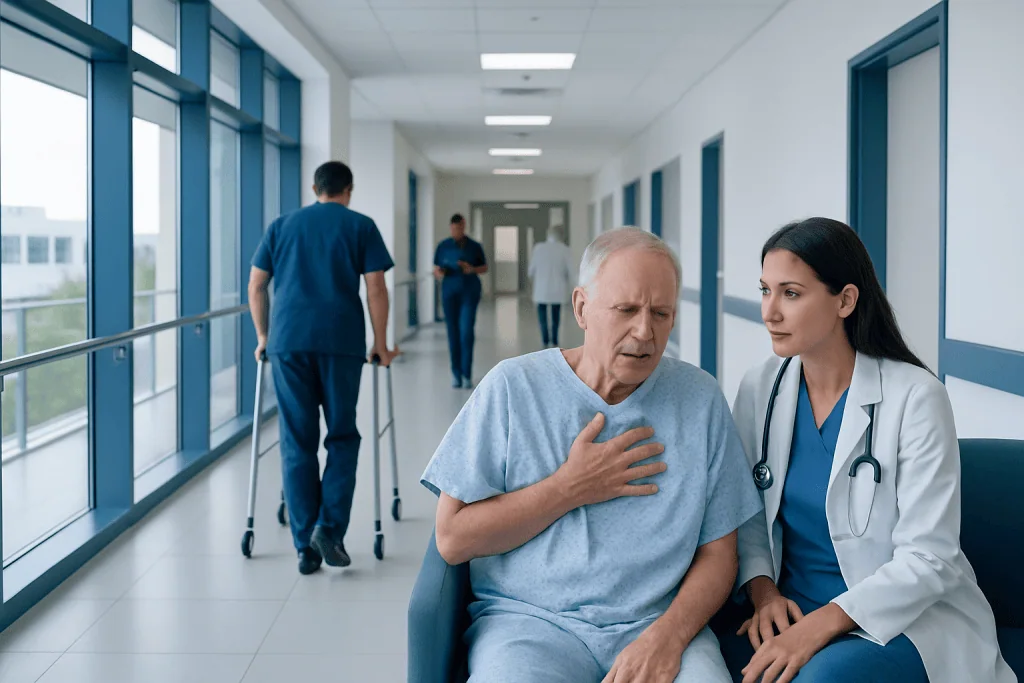
Mild breathlessness in the first days to weeks after bypass surgery is common and usually improves with breathing exercises, walking, and pain control. Contact a doctor promptly if it worsens, comes on suddenly, or occurs with chest pain, fever, fainting, palpitations, or new leg swelling.
Key Takeaways
- Some breathlessness after coronary artery bypass grafting is common and often improves gradually with walking, breathing exercises, pain control, and time.
- Shortness of breath can be related to shallow breathing after surgery, fluid around the lungs, anemia, medication changes, deconditioning, or heart rhythm problems.
- Patients should seek urgent medical help for severe or sudden breathlessness, chest pain, blue lips, fainting, coughing blood, or signs of stroke.
- A doctor may use a physical exam, oxygen level, chest X-ray, blood tests, ECG, echocardiogram, or other tests to identify the cause.
- Safe recovery includes following discharge instructions, using the incentive spirometer if prescribed, increasing activity gradually, and attending cardiac rehabilitation.
You climb a few stairs, and suddenly you’re winded. A few weeks ago that would have been nothing. After heart bypass surgery, this can be unsettling — but mild shortness of breath is often part of normal recovery, especially in the first days to weeks while your lungs, chest wall, and body heal.
That said, not all breathlessness is harmless. If it’s getting worse, comes on suddenly, or shows up with chest pain, fever, fainting, or leg swelling, talk to a doctor promptly.
Overview: Is Shortness of Breath Normal After Bypass Surgery?
Feeling short of breath after bypass surgery can be worrying, but mild breathlessness is common early on. Coronary artery bypass grafting — CABG, or simply heart bypass surgery — is a major operation. Your body needs time to recover from anesthesia, the chest incision, the change in activity level, and the temporary stress on your heart and lungs.
In many patients, breathing feels more difficult for a short period because the lungs may not fully expand right after surgery. Pain or tightness around the breastbone can make a person take smaller breaths. Spending more time in bed can also reduce lung expansion and stamina. With deep-breathing exercises, walking, and gradual recovery, this usually improves over days to weeks.
Still, don’t ignore shortness of breath. Pay attention to the pattern: is it improving, staying the same, or getting worse? Breathlessness that turns sudden or severe, or comes with chest pain, fever, fainting, palpitations, new swelling, or low oxygen levels, needs a medical assessment.
What Can Feel Normal During Recovery

During the first several weeks after bypass surgery, patients may notice that ordinary activities such as showering, dressing, climbing stairs, or walking across a room take more effort than expected. This does not always mean something is wrong. The heart and body are rebuilding strength, and endurance often returns gradually rather than all at once.
Breathing may also feel shallow because the chest wall is sore, especially with coughing, laughing, or changing position. Some patients describe tightness around the incision or a feeling that they cannot take a full deep breath. When pain is well controlled and the patient practices breathing exercises, the lungs can expand more comfortably.
Common recovery experiences that may occur along with mild breathlessness include:
- Feeling tired sooner than before surgery
- Needing rest breaks during walking or household activities
- Mild cough as the lungs clear mucus
- Discomfort when taking deep breaths or coughing
- Gradual improvement from week to week
The key pattern is steady improvement. A patient who can walk a little farther over time, breathe more deeply, and recover quickly after activity is usually moving in the right direction. Any symptom that changes suddenly or prevents basic activities should be reviewed by a healthcare professional.
Common Causes of Breathlessness After Bypass Surgery

Several temporary and treatable issues can contribute to breathing discomfort after CABG. One common cause is atelectasis, which means small areas of the lung are not fully open. This can happen after anesthesia and bed rest. Deep-breathing exercises, coughing support, and early walking help reopen these areas and improve oxygen exchange.
Fluid around the lungs, called a pleural effusion, can also occur after heart surgery. A small amount may be monitored, while a larger amount may require treatment. Fluid retention in general can make breathing harder, especially when lying flat. Doctors often check weight changes, ankle swelling, lung sounds, and response to prescribed diuretics when evaluating this.
Other possible contributors include anemia after surgery, reduced fitness from time in hospital, medication effects, lung conditions such as asthma or chronic obstructive pulmonary disease, or a respiratory infection. Some patients may develop an irregular heart rhythm such as atrial fibrillation after surgery, which can cause breathlessness, palpitations, or unusual fatigue.
Less commonly, shortness of breath can be related to more serious problems, such as a blood clot in the lung, pneumonia, worsening heart function, or complications around the heart. These are reasons why doctors advise patients to report new or worsening symptoms rather than trying to diagnose the cause at home.
Warning Signs: When to Call a Doctor or Seek Urgent Care
Call your surgical team, cardiologist, or local doctor if your shortness of breath isn’t improving, is getting worse, or starts after a stretch of feeling better. Also call if you’re breathless at rest, it wakes you from sleep, or you struggle to speak in full sentences.
Urgent medical care is needed if shortness of breath is severe or sudden, or if it occurs with symptoms that may suggest a heart, lung, or circulation problem. These symptoms should be treated seriously, even if the patient recently had a follow-up visit.
- Chest pressure, tightness, or pain that is new, severe, or not relieved as instructed
- Blue or gray lips, confusion, fainting, or extreme weakness
- Rapid or irregular heartbeat with breathlessness or dizziness
- Fever, chills, worsening cough, or coughing up blood
- New swelling, redness, warmth, or pain in one leg
- Sudden difficulty breathing when lying down or rapid weight gain with swelling
- Signs of stroke, such as facial drooping, arm weakness, or trouble speaking
Your discharge instructions usually include phone numbers and specific thresholds for calling. Not sure whether a symptom is urgent? Err on the side of calling — especially in the first weeks after surgery.
How Doctors Evaluate Shortness of Breath After CABG
Evaluation begins with the patient’s symptoms and recovery timeline. The doctor may ask when the breathlessness started, whether it happens at rest or with activity, whether it is improving, and whether there are symptoms such as fever, cough, chest discomfort, palpitations, swelling, or dizziness. A medication review is also important because changes in fluid balance, blood pressure, or heart rhythm can affect breathing.
A physical exam may include checking oxygen saturation, heart rate, blood pressure, temperature, lung sounds, incision healing, leg swelling, and signs of fluid retention. In some cases, the doctor may compare the patient’s current weight with the discharge weight, because rapid increases can suggest fluid buildup.
Tests are chosen according to the clinical situation. A chest X-ray can look for fluid around the lungs, pneumonia, or incomplete lung expansion. Blood tests may assess anemia, infection, kidney function, or markers that help evaluate heart strain. An electrocardiogram can check heart rhythm, and an echocardiogram may be used to assess heart function or fluid around the heart.
If a blood clot or another specific condition is suspected, further imaging or specialized tests may be needed. The goal is not only to rule out serious causes, but also to identify treatable reasons for breathlessness so recovery can continue safely.
Treatment and Recovery Support
Treatment depends on the cause. For mild expected breathlessness, the plan may include walking several times a day, using an incentive spirometer if prescribed, coughing with a pillow or support against the chest, and taking pain medicine as directed so that deep breathing is easier. Patients should not stop or change heart medications without medical guidance.
If fluid buildup is contributing to symptoms, the doctor may adjust fluid management or medications. If anemia is significant, infection is present, or a heart rhythm problem develops, treatment is tailored to that diagnosis. Some patients need additional follow-up visits, imaging, or temporary monitoring to ensure breathing and heart function are improving.
Cardiac rehabilitation is an important part of recovery for many patients after bypass surgery. It combines supervised exercise, education, risk factor management, and support for returning to daily life. Rehabilitation helps patients understand safe activity levels and can reduce fear about normal breathlessness during reconditioning.
Patients traveling for care or recovering away from home should keep their discharge summary, medication list, and emergency contacts accessible. Acibadem International’s multidisciplinary specialists and JCI-accredited hospitals diagnose and treat heart and recovery-related conditions for international patients, including post-surgical follow-up when clinically appropriate.
Prevention and Self-Care at Home
Good home care can reduce breathing problems and support healing. Follow your discharge plan closely — wound care, medication timing, activity limits, and follow-up appointments. If you were given an incentive spirometer or a breathing exercise program, use it exactly as instructed.
Walking is usually encouraged after bypass surgery, but it should be gradual. Short, frequent walks are often better than one long effort. Patients can use the “talk test”: during gentle walking, they should be able to speak in short sentences. If breathlessness is intense, associated with chest pain, or does not settle with rest, medical advice is needed.
Helpful self-care measures include:
- Sitting upright for breathing exercises and meals
- Using pillows for comfort while resting, if approved by the care team
- Taking pain medicine as prescribed to allow deep breathing and movement
- Avoiding smoking and secondhand smoke
- Monitoring weight, swelling, temperature, and symptoms as instructed
- Eating a heart-healthy diet and limiting salt if recommended
- Keeping follow-up appointments with the surgeon, cardiologist, and rehabilitation team
Recovery is individual. Age, previous lung disease, heart function, how complex the surgery was, and overall fitness all shape the timeline. Compare your progress with where you were last week — not with someone else’s recovery.
Frequently asked questions
How long does shortness of breath last after heart bypass surgery?
Mild shortness of breath often improves over days to weeks as the lungs expand better and stamina returns. Some patients take longer, especially if they had lung disease, anemia, fluid buildup, or a complicated hospital stay. Breathlessness should gradually improve; worsening or sudden symptoms should be assessed by a doctor.
Is it normal to feel out of breath when walking after bypass surgery?
It can be normal to feel more easily winded during early recovery because the body is deconditioned and still healing. The important sign is gradual progress, such as walking a little farther or recovering faster after rest. If walking causes chest pain, dizziness, severe breathlessness, or symptoms that do not settle, medical advice is needed.
Why is deep breathing difficult after bypass surgery?
Deep breathing may be uncomfortable because the breastbone, muscles, and incision are healing. Pain can lead to shallow breathing, which may make the lungs less fully expanded. Good pain control, supported coughing, breathing exercises, and gentle movement usually help.
Can fluid around the lungs cause shortness of breath after bypass surgery?
Yes. Fluid around the lungs, called pleural effusion, can occur after heart surgery and may cause breathlessness, especially during activity or when lying down. Small amounts may resolve with monitoring, while larger or symptomatic fluid collections may need specific treatment. A doctor can diagnose this with an exam and imaging such as a chest X-ray.
When is shortness of breath after bypass surgery an emergency?
Urgent care is needed for sudden or severe breathlessness, chest pain, fainting, blue lips, confusion, coughing blood, or signs of stroke. New one-sided leg swelling or pain with breathlessness can also be concerning. If symptoms feel severe or rapidly worsening, emergency medical services should be contacted.
Do breathing exercises really help after bypass surgery?
Breathing exercises can help reopen small airways, clear mucus, and reduce the risk of lung complications after surgery. Many patients are given an incentive spirometer or taught deep-breathing and coughing techniques before discharge. These exercises should be done as instructed by the care team.
Should patients sleep sitting up if they are short of breath after bypass surgery?
Some patients feel more comfortable slightly elevated during early recovery, and this can be acceptable if it follows discharge guidance. However, needing to sit upright to breathe, waking suddenly short of breath, or developing new swelling may suggest fluid overload or another issue. These symptoms should be reported to a doctor promptly.
This article is for general information only and is not a substitute for professional medical advice. Please consult a qualified doctor about your individual situation.
Heart Bypass Surgery in Turkey — costs, top hospitals & a free quote
7 JCI-accredited hospitals · board-certified surgeons · reply within 24h
Add us as a Preferred Source to see more of our trusted health content across Google Search, AI Overviews and Discover.

Medically reviewed by the Acıbadem International Medical Board — August 24, 2026
See our medical review board →
Update history
- PublishedJune 17, 2026
- Medical review approvedAugust 24, 2026
- Last content updateAugust 24, 2026
References2
- Heart bypass surgery - MedlinePlus — medlineplus.gov
- What Is Coronary Artery Bypass Grafting? - NHLBI/NIH — nhs.uk