Shoulder Replacement Surgery: Benefits, Risks, and Recovery — A Complete Guide

Shoulder replacement surgery is usually considered when pain and stiffness persist despite medicines, therapy, injections, or activity changes. The procedure may be total, partial, or reverse shoulder replacement depending on the type of joint damage and the condition of the rotator cuff.
Key Takeaways
- Shoulder replacement surgery is usually considered when pain and stiffness persist despite medicines, therapy, injections, or activity changes.
- The procedure may be total, partial, or reverse shoulder replacement depending on the type of joint damage and the condition of the rotator cuff.
- Most people experience meaningful pain relief and better shoulder function, but results depend on the underlying condition, implant type, and rehabilitation.
- Recovery happens in stages over several months, with a sling, guided exercises, and a gradual return to daily activities.
- As with any operation, risks include infection, blood clots, stiffness, nerve injury, dislocation, and implant wear or loosening over time.
Shoulder replacement surgery is a procedure that replaces damaged parts of the shoulder joint to reduce pain and improve function when arthritis, fractures, or severe tendon problems limit daily life. For carefully selected patients, it can restore comfort and movement, but recovery takes time, rehabilitation, and close follow-up.
Overview: what shoulder replacement surgery is and who it helps
Shoulder replacement surgery is an operation in which a surgeon removes damaged parts of the shoulder joint and replaces them with artificial components. It is most often used to treat severe pain and loss of motion caused by arthritis, major fractures, or long-standing tendon damage that has changed how the joint works. When non-surgical care no longer provides enough relief, surgery may help a person return to daily activities with less pain.
The shoulder is a ball-and-socket joint. The rounded top of the upper arm bone fits into a shallow socket in the shoulder blade, and smooth cartilage allows these surfaces to glide. If cartilage wears away, bone rubs on bone, leading to pain, stiffness, grinding, and weakness. In some cases, the surrounding tendons, especially the rotator cuff, are also damaged, which can affect which type of replacement is most suitable.
There is no single operation for every patient. Surgeons may recommend an anatomic total shoulder replacement, a partial replacement, or a reverse shoulder replacement. The choice depends on the pattern of joint damage, the stability of the joint, bone quality, age, activity level, and whether the rotator cuff is intact.
For people who have advanced shoulder joint disease and reduced quality of life, shoulder replacement surgery can be an effective treatment option after careful evaluation by an orthopedic specialist.
When surgery is considered: symptoms, causes, and candidacy
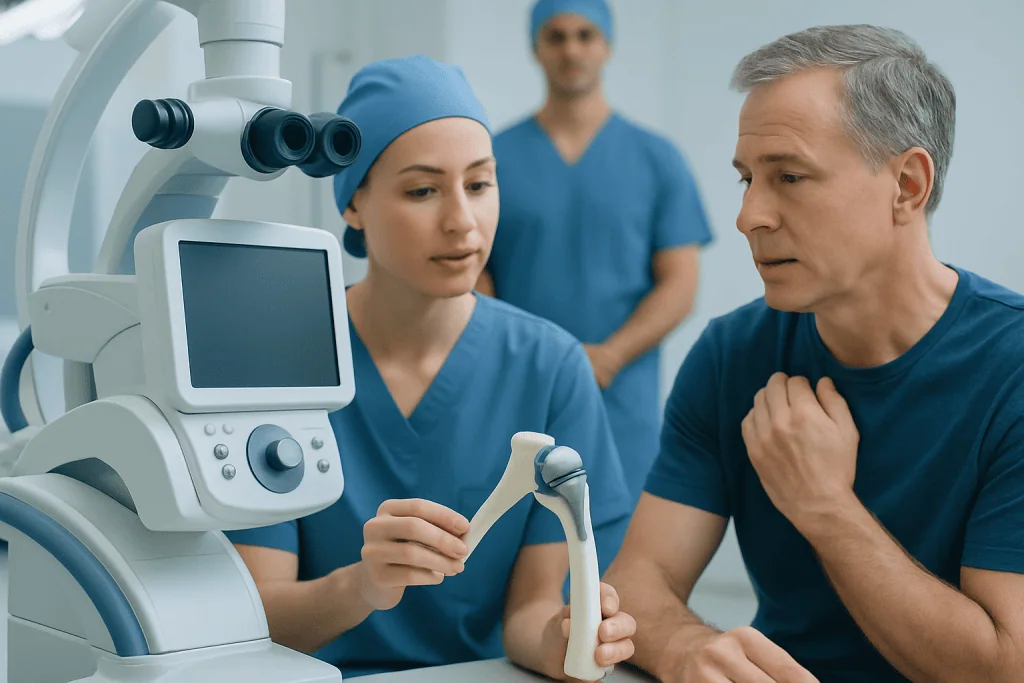
Doctors usually consider shoulder replacement surgery when symptoms are severe enough to interfere with sleep, self-care, work, or routine movement. Common reasons include deep shoulder pain, loss of range of motion, weakness, catching or grinding, and difficulty with tasks such as dressing, combing hair, or reaching overhead. Many people have already tried rest, anti-inflammatory medicines, physical therapy, or injections before surgery is discussed.
The most common cause is osteoarthritis, where cartilage gradually breaks down over time. Other causes include inflammatory arthritis such as rheumatoid arthritis, avascular necrosis, complex fractures of the upper arm bone, and cuff tear arthropathy, which is arthritis that develops after a large rotator cuff tear. In some patients, symptoms may overlap with rotator cuff tear problems or long-term consequences of trauma.
A good candidate is usually someone with significant pain and functional limitation, imaging that confirms advanced joint damage, and symptoms that have not improved enough with non-surgical treatment. The decision is individualized. Factors such as overall health, diabetes control, smoking status, bone quality, past shoulder surgeries, and expectations about activity after surgery all play a role.
Surgeons also look closely at the rotator cuff because it helps determine the implant design. If the rotator cuff is healthy, an anatomic total shoulder replacement may work well. If the rotator cuff is severely damaged and cannot support the joint, reverse shoulder replacement is often considered because it relies more on the deltoid muscle to move the arm.
How the procedure works: types of shoulder replacement and step-by-step care
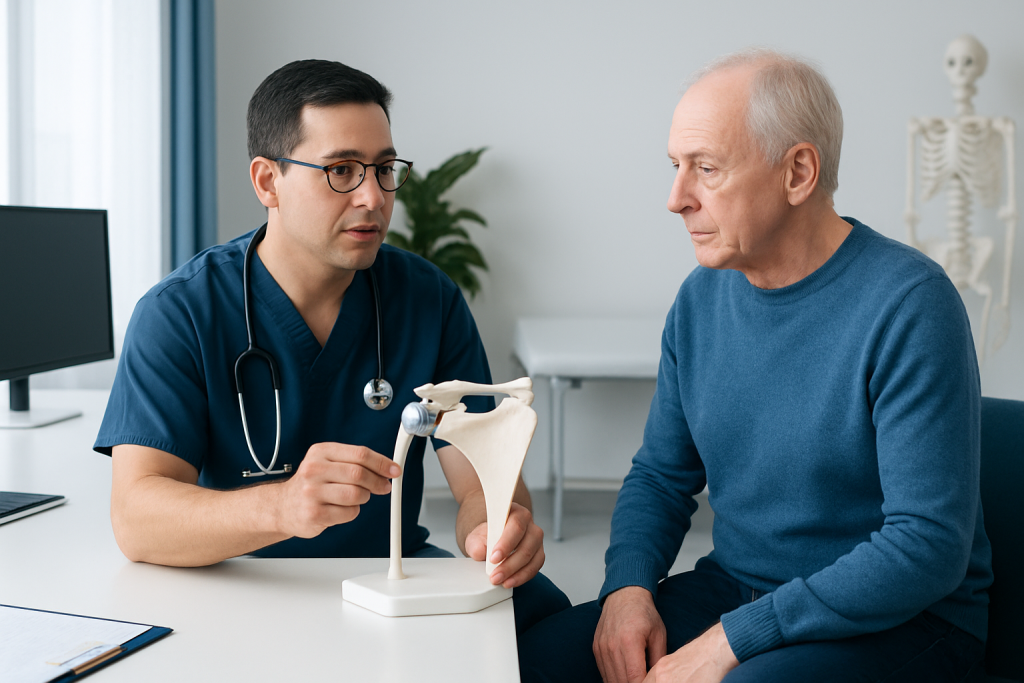
In a standard total shoulder replacement, the damaged ball of the upper arm bone is replaced with a metal ball attached to a stem, and the socket is resurfaced with a durable plastic component. In a partial shoulder replacement, only the ball portion is replaced, which may be considered in selected fractures or when the socket remains relatively healthy. In reverse shoulder replacement, the anatomy is switched so that a ball is attached to the shoulder blade and a socket is placed on the arm bone; this design helps compensate for a torn or nonfunctioning rotator cuff.
Before surgery, the patient has a medical assessment to review medications, imaging, allergies, and medical conditions that could affect anesthesia or healing. The surgical team may order blood tests, heart evaluation when needed, and imaging such as X-rays or CT scans to plan implant size and position. Patients are also advised on fasting, stopping certain medicines if instructed, and preparing the home for early recovery.
During the operation, anesthesia is given, often with both general anesthesia and a regional nerve block for pain control. The surgeon makes an incision, removes damaged cartilage and bone, shapes the surfaces of the joint, and inserts the prosthetic components in alignment. The tissues are then repaired and the incision is closed. The operation is performed with careful attention to balancing stability, movement, and soft-tissue tension.
After surgery, the arm is usually placed in a sling. Pain management begins immediately, and the care team monitors circulation, wound condition, and early movement of the hand, wrist, and elbow. Many patients begin gentle guided exercises soon after surgery, although the exact plan depends on the type of replacement and the condition of the surrounding tendons and bone.
Benefits and possible risks
The main benefit of shoulder replacement surgery is pain relief. Many patients also gain better range of motion, improved ability to sleep, and greater ease with daily tasks such as eating, washing, and getting dressed. For some, the procedure restores confidence in using the arm and reduces the limitations caused by advanced shoulder arthritis.
Results vary from person to person. People with severe arthritis and an intact rotator cuff often do well with anatomic replacement, while those with cuff tear arthropathy may benefit more from reverse replacement. Although surgery can improve function significantly, it may not restore the shoulder to the feel or strength of a completely healthy joint, especially after years of stiffness or muscle loss.
Like all major operations, shoulder replacement has risks. These include infection, bleeding, blood clots, wound problems, stiffness, persistent pain, fracture around the implant, nerve or blood vessel injury, and complications related to anesthesia. There are also implant-specific risks such as dislocation, loosening, wear, or failure over time, which may occasionally require revision surgery.
Some risks are influenced by overall health and lifestyle factors. Smoking, poorly controlled diabetes, obesity, poor bone quality, or untreated skin infections can increase complications. A thorough preoperative assessment helps the surgical team reduce risk and choose the most appropriate treatment approach.
Recovery timeline and rehabilitation
Recovery after shoulder replacement surgery is gradual. In the first days to weeks, the focus is on controlling pain, protecting the repair, preventing stiffness in nearby joints, and learning how to move safely with the sling. Swelling, bruising, and fatigue are common early on, but these usually improve steadily. Most patients need help with some daily activities during the initial recovery period.
Physical therapy or a structured home exercise program is an important part of rehabilitation. Early exercises usually focus on gentle motion, followed by progressive strengthening once healing allows. The speed of progression depends on the type of implant, tissue quality, and surgeon instructions. Reverse shoulder replacement and fracture-related procedures may follow different precautions from standard total replacement.
Many people can resume light daily tasks within several weeks, but driving, work duties, and sports may take longer. Full recovery often takes several months, and continued improvement can be seen for up to a year. Adhering to activity restrictions and rehabilitation plans helps protect the implant and supports better long-term function.
Rehabilitation may also include strategies used in physical therapy and rehabilitation to improve posture, shoulder mechanics, and safe return to activity. Patients should ask their surgeon when it is appropriate to return to lifting, exercise, and hobbies, since timelines differ among individuals.
Prevention, self-care, and long-term joint protection
Not every shoulder problem leads to replacement surgery. Earlier treatment can sometimes slow progression or reduce symptoms. Joint-friendly habits include maintaining a healthy weight, staying active within comfort limits, improving shoulder and upper back strength, and addressing injuries before they become chronic. Good management of inflammatory conditions can also help protect joints over time.
After surgery, long-term self-care matters. Patients are usually advised to continue prescribed exercises, avoid sudden heavy strain until cleared, and use proper body mechanics for lifting and reaching. Regular follow-up visits help the surgeon monitor healing and the position of the implant. If new pain or mechanical symptoms develop later, evaluation should not be delayed.
Bone and tendon health also support the best outcome. Adequate nutrition, control of conditions such as diabetes, and stopping smoking can improve healing. In some patients with tendon-related shoulder disease, earlier treatment options such as arthroscopic shoulder surgery may be considered before joint damage becomes advanced enough to require replacement.
Some people continue to have symptoms from related shoulder conditions rather than advanced arthritis alone. In those cases, a specialist may assess whether the problem is more consistent with instability, tendon injury, or another diagnosis before recommending joint replacement.
When to seek medical care
Medical assessment is important when shoulder pain persists for weeks, interferes with sleep, limits overhead activity, or follows a significant injury. A person should also seek care if the shoulder becomes very stiff, weak, unstable, or difficult to use for basic tasks. Early evaluation can help identify whether the problem is arthritis, a tendon injury, fracture, or another condition.
Urgent medical care is needed after surgery if there is fever, worsening redness around the incision, drainage, severe swelling, chest pain, shortness of breath, sudden numbness, or a dramatic increase in pain that does not improve with prescribed measures. These symptoms do not always mean a serious complication is present, but they should be assessed promptly.
Anyone considering shoulder replacement should speak with an orthopedic surgeon about goals, implant options, expected recovery, and potential alternatives. Shared decision-making is especially helpful when balancing pain relief, mobility needs, age, work demands, and the condition of the rotator cuff.
Near the end of the treatment journey, some international patients choose centers with coordinated orthopedic, anesthesia, and rehabilitation services. Acibadem International’s multidisciplinary specialists in JCI-accredited hospitals diagnose and treat shoulder conditions for international patients when advanced surgical care is needed.
Frequently asked questions
How successful is shoulder replacement surgery?
For appropriately selected patients, shoulder replacement surgery often provides substantial pain relief and improved daily function. The degree of motion gained varies, and outcomes depend on the reason for surgery, rotator cuff condition, bone quality, and commitment to rehabilitation.
What is the difference between total and reverse shoulder replacement?
A total shoulder replacement keeps the natural ball-and-socket orientation and is usually used when the rotator cuff is working well. Reverse shoulder replacement switches the joint mechanics and is often used when the rotator cuff is severely torn or cannot support normal shoulder movement.
How painful is recovery after shoulder replacement surgery?
Some pain and soreness are expected at first, especially in the first days after surgery, but pain management strategies are used to make recovery more comfortable. Discomfort usually improves gradually as healing progresses and exercises are advanced under medical guidance.
How long does it take to recover from shoulder replacement surgery?
Early recovery takes several weeks, while fuller recovery often takes several months. Many people continue to notice gradual improvements in strength and movement for up to a year, depending on the procedure performed and their rehabilitation progress.
Will I be able to lift weights or play sports afterward?
Many patients return to low-impact exercise and a wide range of daily activities after recovery. Heavy lifting, contact sports, or repetitive overhead strain may need to be limited, and the surgeon will give personalized guidance based on the type of implant and shoulder condition.
How long does a shoulder replacement last?
Modern shoulder implants can last many years, but lifespan varies with age, activity level, implant type, bone quality, and overall joint health. Over time, some implants may loosen or wear, so regular follow-up remains important even when the shoulder feels well.
References
- American Academy of Orthopaedic Surgeons
- National Institute of Arthritis and Musculoskeletal and Skin Diseases
- American Shoulder and Elbow Surgeons
- National Health Service
- Mayo Clinic
This article is for general information only and is not a substitute for professional medical advice. Please consult a qualified doctor about your individual situation.
Shoulder Replacement in Turkey — costs, top hospitals & a free quote
JCI-accredited · board-certified surgeons · reply within 24h
Add us as a Preferred Source to see more of our trusted health content across Google Search, AI Overviews and Discover.

More from the Health Library



Related Specialists

Dr. Ferhat Oto
Internal Medicine
Assoc. Prof. Dr. Recep Kurnaz
Orthopedic Surgery & Traumatology
Dr. Kumsal Kurucu
Acibadem Life Clinical Service
Dt. İrem Coşar Tüfekçi
Oral & Dental Health