Sibo Symptoms Explained: Common Triggers and Red Flags

Common SIBO symptoms include bloating, gas, abdominal pain, fullness, and changes in bowel habits. Symptoms often worsen after eating, particularly after certain carbohydrates that are easily fermented by bacteria.
Key Takeaways
- Common SIBO symptoms include bloating, gas, abdominal pain, fullness, and changes in bowel habits.
- Symptoms often worsen after eating, particularly after certain carbohydrates that are easily fermented by bacteria.
- SIBO can be linked to altered gut motility, structural bowel problems, prior surgery, or other digestive disorders.
- Diagnosis usually combines a clinical history with breath testing and, in some cases, evaluation for underlying causes.
- Red-flag symptoms such as weight loss, bleeding, fever, severe pain, or dehydration should prompt medical assessment.
SIBO symptoms often include bloating, excess gas, abdominal discomfort, and diarrhea or constipation, especially after meals. Because these symptoms overlap with many other digestive conditions, a proper medical evaluation is important when they persist, recur, or come with warning signs.
Overview: what SIBO symptoms usually feel like
SIBO symptoms are most commonly digestive: bloating, excess gas, abdominal discomfort, a sense of fullness after eating, and diarrhea, constipation, or a mix of both. Many people notice that symptoms are more pronounced after meals because bacteria in the small intestine ferment food earlier than they should, producing gas and sometimes affecting nutrient absorption.
Small intestinal bacterial overgrowth, or SIBO, means there are too many bacteria in the small intestine or bacteria are present in an abnormal pattern there. The small intestine normally contains fewer bacteria than the colon. When that balance changes, digestion can become less efficient and symptoms can develop gradually or come and go over time.
One reason SIBO can be difficult to recognize is that its symptoms overlap with other conditions, including irritable bowel syndrome, food intolerances, celiac disease, and inflammatory bowel problems. This is why symptom pattern matters, but a diagnosis should not be made from symptoms alone. Persistent digestive complaints deserve evaluation by a qualified clinician, especially when they interfere with daily life.
Common SIBO symptoms and how they may appear
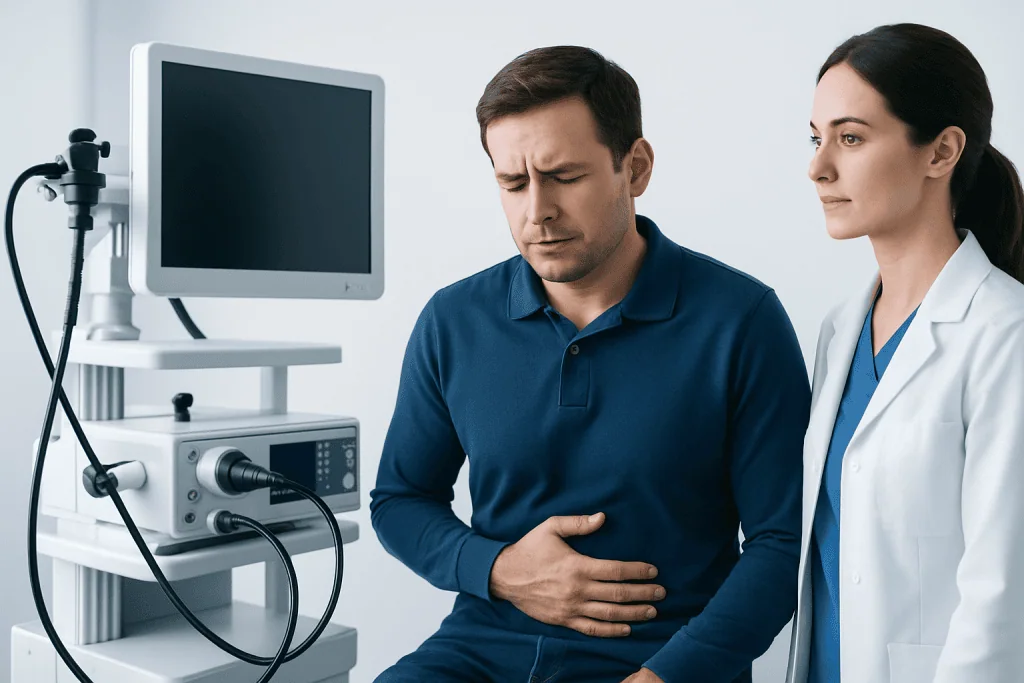
Bloating is one of the most frequently reported SIBO symptoms. Some people describe visible abdominal swelling that worsens as the day goes on, while others mainly feel internal pressure or tightness. Gas, frequent belching, and excessive flatulence are also common because bacterial fermentation produces hydrogen or methane.
Abdominal pain or cramping may range from mild discomfort to more disruptive pain, often after eating. Some people feel overly full after a small meal or notice nausea, especially when bloating is significant. Changes in bowel habits are also typical. Diarrhea can occur when bacterial activity affects digestion and fluid balance, while methane-producing overgrowth is more often associated with constipation.
In some cases, symptoms extend beyond the digestive tract. SIBO may contribute to fatigue, poor appetite, or symptoms related to nutrient deficiencies if it becomes chronic. This can happen because bacterial overgrowth may interfere with the absorption of nutrients such as vitamin B12, iron, or fat-soluble vitamins. However, these symptoms are not specific to SIBO and need careful medical assessment.
- Bloating or abdominal distension
- Excess gas, belching, or flatulence
- Abdominal pain, pressure, or cramping
- Diarrhea, constipation, or alternating bowel habits
- Early fullness after meals
- Nausea or indigestion-like symptoms
- Fatigue or possible signs of nutrient deficiency in longer-lasting cases
Common triggers: why symptoms often flare after eating

SIBO symptoms often become more noticeable after meals, particularly after foods that are easily fermented by intestinal bacteria. Carbohydrates are a frequent trigger because they can be broken down by bacteria into gas. This does not mean carbohydrates are harmful for everyone, but some people find that symptoms are more obvious after eating certain breads, dairy products, beans, onions, garlic, or sweeteners that are poorly absorbed.
Meal size can also matter. Larger meals may increase the feeling of fullness and bloating because they place more demand on digestion at one time. Some people notice that symptoms are less intense with smaller, more evenly spaced meals. Tracking symptoms in relation to food can be useful, but self-diagnosing from a food pattern alone is not reliable because many digestive conditions can behave similarly.
Another important trigger is slowed intestinal movement. The small intestine uses coordinated muscular activity to move food and bacteria forward. If this process is impaired, bacteria may linger and multiply. This is one reason people with motility disorders or certain underlying digestive conditions may be more likely to develop symptoms that resemble or result from SIBO, including overlap with irritable bowel syndrome.
Causes and risk factors behind SIBO symptoms
SIBO is usually not just a stand-alone problem. In many cases, it develops because something has changed the normal environment of the small intestine. Conditions that affect motility, anatomy, stomach acid, or immune function can create an opportunity for bacterial overgrowth. Identifying and addressing these contributors is often an important part of treatment and prevention.
Risk factors may include prior abdominal surgery, structural changes in the intestine, diabetes with nerve-related digestive slowing, connective tissue disorders, chronic pancreatitis, and disorders that affect intestinal movement. Some people may also develop symptoms after episodes of gastroenteritis or alongside other conditions that change digestion. A clinician may consider evaluation for related disorders such as celiac disease when symptoms and history suggest it.
Certain medications and long-term health problems may also play a role in some individuals. However, SIBO is not caused by one single food or one isolated dietary choice. It is better understood as the result of an altered digestive environment. That is why treatment focused only on short-term symptom relief may not be enough if an underlying cause remains unrecognized.
How doctors diagnose the cause of these symptoms
Because SIBO symptoms overlap with many other gastrointestinal complaints, diagnosis starts with a thorough history and physical examination. A doctor may ask when symptoms started, whether they occur after meals, whether there has been recent weight loss, which medications are used, and whether there is any history of surgery or chronic digestive disease. This step helps guide testing and rule out other causes.
Breath testing is commonly used when SIBO is suspected. In this test, the patient drinks a carbohydrate solution and breath samples are collected over time to measure gases such as hydrogen and methane. A rise in these gases can suggest bacterial fermentation occurring in the small intestine. Although breath tests are widely used, results need to be interpreted in the context of symptoms and medical history because no single test is perfect.
Doctors may also order blood tests or stool tests to look for signs of malabsorption, inflammation, anemia, or other digestive disorders. When appropriate, imaging studies or endoscopic evaluation may be used to investigate structural problems or alternative diagnoses. People with persistent bloating, unexplained abdominal discomfort, or bowel habit changes may be assessed through a broader gastroenterology evaluation to find the most likely cause of their symptoms.
Treatment options and symptom relief
Treatment for SIBO aims to reduce bacterial overgrowth, ease symptoms, and address the reason it developed. Doctors may recommend antibiotics in selected cases, especially when the symptom pattern and testing support the diagnosis. The exact treatment approach depends on the person’s clinical situation, test findings, bowel pattern, and the presence of any underlying condition.
Nutrition can also play a supportive role. Some people benefit from short-term dietary strategies that reduce symptom-provoking foods, particularly highly fermentable carbohydrates. These plans should ideally be individualized and supervised by a clinician or dietitian so that they remain balanced and do not become unnecessarily restrictive. Diet alone may help symptom management, but it may not correct the underlying cause of bacterial overgrowth.
When symptoms relate to another digestive disorder, that condition may also need treatment. For example, persistent abdominal complaints may lead to assessment for Crohn's disease or other inflammatory problems if the history suggests them. If there are concerns about structural or functional bowel issues, further endoscopic evaluation may be part of the work-up. Near the end of the care pathway, some international patients choose centers such as Acibadem International, where multidisciplinary specialists in JCI-accredited hospitals diagnose and treat complex digestive conditions.
Prevention, self-care, and when to seek medical care
There is no guaranteed way to prevent SIBO, but managing underlying digestive or metabolic conditions may reduce the chance of recurrence. Self-care often focuses on practical symptom tracking: noting which foods trigger bloating, keeping meals moderate in size, staying hydrated, and following a treatment plan exactly as advised. It is generally best to avoid repeated self-treatment with supplements or highly restrictive diets without medical guidance.
Medical review is appropriate when digestive symptoms last more than a few weeks, keep returning, or disrupt eating, sleep, work, or social activities. It is especially important to seek care if symptoms begin after abdominal surgery, occur with known bowel disease, or do not improve with simple dietary adjustments. Ongoing evaluation may help distinguish SIBO from other causes of bloating and bowel changes.
Urgent medical attention is needed for red-flag symptoms. These include unintentional weight loss, vomiting that prevents fluid intake, blood in the stool, black stools, persistent fever, severe or worsening abdominal pain, signs of dehydration, or symptoms of significant weakness or fainting. These features are not typical of uncomplicated bloating and need prompt professional assessment.
Frequently asked questions
What are the first signs of SIBO?
Early SIBO symptoms often include bloating, excess gas, and abdominal discomfort, especially after meals. Some people also notice diarrhea, constipation, or a feeling of fullness after eating small amounts.
Can SIBO symptoms come and go?
Yes. SIBO symptoms may fluctuate depending on diet, meal size, gut motility, and whether an underlying condition is also affecting digestion. This pattern can make the condition harder to recognize without proper testing.
Does SIBO always cause diarrhea?
No. While diarrhea is common, some people mainly experience constipation, and others alternate between the two. The symptom pattern can vary, and methane-predominant overgrowth is more often linked with constipation.
How are SIBO symptoms different from IBS symptoms?
They can look very similar, including bloating, pain, and bowel habit changes. The difference is that SIBO refers to bacterial overgrowth in the small intestine, while IBS is a broader functional digestive disorder; some people may have features of both.
Can SIBO cause weight loss or vitamin deficiency?
It can in some cases, especially when overgrowth is prolonged and interferes with normal nutrient absorption. Unexplained weight loss, fatigue, anemia, or signs of deficiency should be evaluated by a doctor because they may also signal other conditions.
When should someone see a doctor for possible SIBO symptoms?
A doctor should be consulted if bloating, gas, abdominal pain, diarrhea, or constipation persist, recur often, or interfere with daily life. Prompt evaluation is especially important if symptoms are accompanied by red flags such as bleeding, fever, dehydration, severe pain, or weight loss.
References
- National Institute of Diabetes and Digestive and Kidney Diseases
- American College of Gastroenterology
- National Health Service
- Merck Manual Consumer Version
This article is for general information only and is not a substitute for professional medical advice. Please consult a qualified doctor about your individual situation.
Persistent digestive symptoms? Get evaluated in Turkey
JCI-accredited · board-certified surgeons · reply within 24h
Add us as a Preferred Source to see more of our trusted health content across Google Search, AI Overviews and Discover.