

Side Effects From Prostate Biopsy: What to Expect and How to Manage

Blood in the urine, stool, or semen and mild soreness are common after a prostate biopsy. A prostate biopsy can be performed through the rectum or through the skin between the scrotum and anus; the approach affects infection risk and recovery advice.
Key Takeaways
- Blood in the urine, stool, or semen and mild soreness are common after a prostate biopsy.
- A prostate biopsy can be performed through the rectum or through the skin between the scrotum and anus; the approach affects infection risk and recovery advice.
- Following the care instructions, drinking fluids as advised, and completing prescribed medicines can support recovery.
- Fever, chills, worsening pelvic pain, difficulty passing urine, or heavy bleeding should be assessed urgently.
- Biopsy results help clarify whether suspicious prostate findings are cancer, inflammation, or benign changes.
Side effects from prostate biopsy are usually temporary and may include mild pelvic soreness, light bleeding in the urine or stool, and blood in semen. Most people recover within days, but fever, chills, inability to urinate, heavy bleeding, or increasing pain require prompt medical assessment because they can signal infection or another complication.
Overview: common side effects from prostate biopsy
Side effects from prostate biopsy are generally mild and settle without treatment. The most expected effects are tenderness around the biopsy area, a small amount of blood in the urine or bowel movement, and blood in semen. Blood in semen can look red, brown, or rust-coloured and may last longer than other symptoms, sometimes for several weeks.
A prostate biopsy removes tiny samples of prostate tissue for laboratory examination. It is usually recommended when a prostate-specific antigen (PSA) result, rectal examination, magnetic resonance imaging (MRI), or other finding suggests that closer assessment is needed. A biopsy does not automatically mean cancer is present; it is a diagnostic test used to identify cancer or explain abnormal results.
More serious complications are uncommon but important to recognize. Infection, urinary retention, and significant bleeding need medical attention. The urology team should explain the planned biopsy approach, expected recovery, and the specific contact pathway to use if symptoms become concerning.
How a prostate biopsy works and who may need one
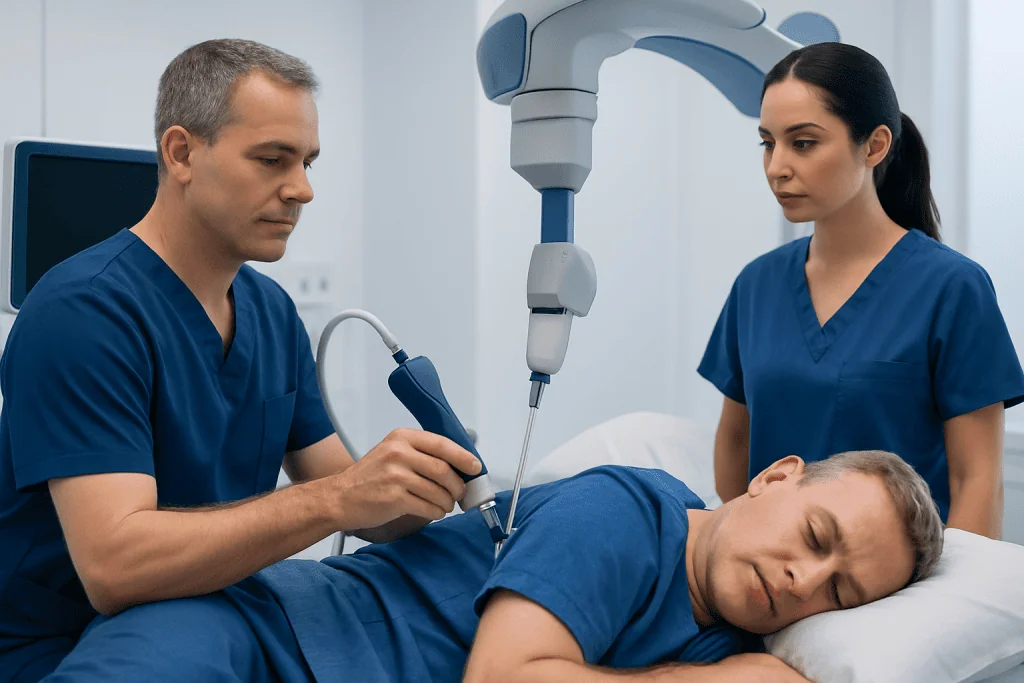
The prostate is a small gland below the bladder that surrounds part of the urethra, the tube that carries urine out of the body. A biopsy uses a thin needle to take several very small tissue cores from areas that may be abnormal. A pathologist examines these samples under a microscope and reports whether cancer cells, inflammation, benign enlargement, or other changes are present.
A urologist may discuss biopsy after an elevated or rising PSA level, an abnormal digital rectal examination, or an MRI finding that needs confirmation. Decisions are individual. Age, general health, family history, previous biopsy findings, PSA pattern, MRI results, and personal preferences can all influence whether biopsy is appropriate.
Modern biopsies are often guided by ultrasound, MRI information, or both. MRI-targeted sampling can help the clinician direct needles toward suspicious areas while systematic samples assess other parts of the gland. If cancer is found, results guide conversations about further evaluation and prostate cancer treatment planning.
Procedure approaches and step-by-step experience
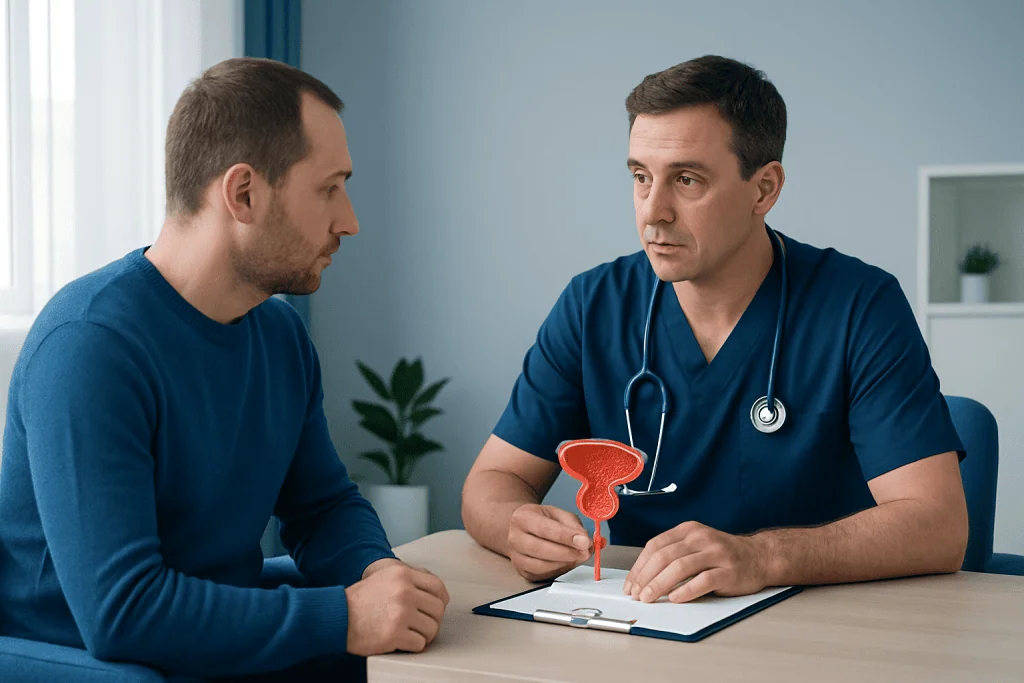
There are two main routes for prostate biopsy. In a transrectal biopsy, the needle passes through the rectal wall into the prostate using ultrasound guidance. In a transperineal biopsy, the needle passes through the skin between the scrotum and anus. Many centres increasingly use the transperineal approach because it avoids passing through rectal tissue and may reduce the risk of serious infection.
Before the procedure, the care team reviews medications, allergies, bleeding risks, and infection prevention. People taking anticoagulants, antiplatelet medicines, diabetes medication, or supplements that affect bleeding should not stop or adjust them independently; the prescribing clinician and urologist should provide a personalized plan. Antibiotics may be given, particularly for transrectal biopsy, and local anaesthetic, sedation, or general anaesthetic may be used depending on the method and local practice.
During the biopsy, the person is positioned comfortably and imaging is used to identify the prostate. Local anaesthetic is applied when appropriate, then samples are collected through a spring-loaded needle. The sampling portion often takes only a short time, although preparation and recovery take longer. Following the procedure, staff check for immediate bleeding, dizziness, pain, and the ability to pass urine before discharge where relevant.
Expected recovery timeline and self-care
Many people return home on the same day. Mild discomfort or pressure in the pelvic area may occur for one to three days. Light blood in urine is often most noticeable during the first day or two, while a small amount of rectal bleeding can occur after a transrectal biopsy. Semen discolouration may persist intermittently for several weeks and is usually not harmful.
For the first day or two, rest and avoid strenuous exercise, heavy lifting, cycling, or activities that increase pelvic discomfort unless the clinical team gives different advice. Drink fluids as advised by the team, which may help keep urine flowing and make minor bleeding easier to monitor. Use only pain relief that has been approved by the clinician, especially if there is a history of kidney disease, stomach ulcers, bleeding problems, or use of blood-thinning medicines.
Sexual activity can usually resume when the person feels comfortable and the care team has not advised otherwise. Blood in semen after biopsy is expected and does not mean that sexual activity has caused harm. It is sensible to ask the urology team about individual restrictions related to anaesthesia, medications, travel, work, or other health conditions.
- Take any prescribed antibiotic exactly as instructed and complete the course unless a clinician advises otherwise.
- Watch for changes in bleeding, pain, temperature, and urinary flow.
- Keep the biopsy follow-up appointment to discuss the pathology result and next steps.
Risks, benefits, and factors that affect complications
The main benefit of a prostate biopsy is diagnostic clarity. It can confirm or rule out prostate cancer and provide information about the type, grade, and extent of cancer within sampled tissue. This information helps clinicians and patients make informed decisions, which may range from monitoring to further imaging, surgery, radiotherapy, or other care.
Common side effects include brief pain, bruising, blood in urine, rectal bleeding after a transrectal procedure, and blood in semen. Less common complications include urinary tract infection, prostatitis, difficulty urinating, urinary retention, and bleeding that does not settle. Infection is a particular concern after transrectal biopsy because the needle crosses the rectal wall; preventive measures and the biopsy route are selected with this risk in mind.
Individual risk can be higher in people with certain medical conditions, a history of urinary infections, immune suppression, poorly controlled diabetes, or medications that affect bleeding. The clinician may recommend additional preparation, a different route of biopsy, urine testing, or a medication review. The potential benefits and limitations of biopsy should be discussed before consent is given, including the possibility that a biopsy may not detect every cancer present.
When to seek medical care
Contact the urology team promptly or seek urgent medical care for fever, chills, feeling markedly unwell, worsening pelvic or lower abdominal pain, or burning and frequent urination that is becoming more severe. These symptoms can indicate an infection and should not be managed only with home measures after a biopsy.
Urgent assessment is also needed for an inability to pass urine, large clots in the urine, heavy or persistent bleeding, fainting, severe weakness, or symptoms that are rapidly worsening. People should follow the discharge instructions provided by their own team, as these may include a dedicated phone number and specific guidance for the biopsy method used.
It is also appropriate to contact the clinic for non-urgent concerns, such as bleeding that lasts longer than expected, questions about restarting medicines, or anxiety while waiting for results. Clear follow-up helps ensure that findings are reviewed in context and that any further care is planned safely.
Understanding results and planning next steps
Biopsy samples are reviewed by a pathologist, and results may take several days to around two weeks depending on laboratory processes. A result may show no cancer, benign prostate enlargement, inflammation, atypical cells, or prostate cancer. A negative biopsy can be reassuring, but follow-up may still be recommended if PSA levels, MRI findings, or clinical concerns remain.
If cancer is identified, the report includes details that help describe how the cells look under the microscope and how much cancer is present in the samples. The urologist may recommend additional imaging, active surveillance, or treatment discussions. Management is personalized; not every prostate cancer requires immediate treatment.
Evaluation and follow-up may involve urology, radiology, pathology, oncology, and radiation oncology specialists. Acibadem International’s multidisciplinary specialists and JCI-accredited hospitals support international patients undergoing prostate assessment and treatment planning, including prostate biopsy evaluation and follow-up.
Frequently asked questions
How long do side effects from prostate biopsy last?
Mild soreness and light blood in the urine or stool often improve within a few days. Blood in semen may last for several weeks and can change from red to brown or rust-coloured as it clears. The individual care team should be contacted if symptoms are worsening or last longer than expected.
Is blood in semen normal after a prostate biopsy?
Yes. Blood in semen is one of the most common effects after prostate biopsy and is usually temporary. It may be visible with ejaculation for several weeks, but it should gradually lessen rather than become more severe.
Can a prostate biopsy cause infection?
Infection is an uncommon but potentially serious complication, particularly with a transrectal biopsy. Antibiotics and careful preparation can lower the risk, and transperineal biopsy may have a lower risk of serious infection. Fever, chills, worsening pain, or feeling very unwell after biopsy require urgent medical assessment.
What should a person avoid after a prostate biopsy?
For a short period, people are commonly advised to avoid strenuous exercise, heavy lifting, cycling, and other activities that worsen pelvic discomfort. The precise advice depends on the biopsy approach, anaesthetic used, medical history, and medications. The discharge instructions from the urology team should take priority.
When can someone return to work after a prostate biopsy?
Many people can return to light activities or work within one to two days, depending on how they feel and the type of work they do. More physically demanding work may require a longer pause. Anyone who had sedation or general anaesthesia should also follow restrictions on driving and operating machinery.
Does a prostate biopsy spread cancer?
Current evidence does not show that standard prostate needle biopsy causes prostate cancer to spread in a way that changes usual treatment outcomes. Biopsy remains an important test when clinicians need tissue confirmation of a suspicious prostate finding. The decision to have one should be based on an individual discussion of expected benefits and risks.
References
- American Urological Association
- European Association of Urology
- National Cancer Institute
- NHS
- Mayo Clinic
This article is for general information only and is not a substitute for professional medical advice. Please consult a qualified doctor about your individual situation.
Persistent digestive symptoms? Get evaluated in Turkey
JCI-accredited · board-certified surgeons · reply within 24h
Add us as a Preferred Source to see more of our trusted health content across Google Search, AI Overviews and Discover.

More from the Health Library


Related Specialists

Dr. Haluk Mumcuoğlu
Internal Medicine
Embriyolog Firuze Sönmez
Vitro Fertilization and Reproductive Medicine Center
Dr. Burak Aybar
Emergency ServiceDr. Ali İlbey Demirel
General Surgery