Side Effects of Radiation Treatment for Prostate Cancer: What to Expect and How to Manage

Urinary frequency, bowel changes, tiredness and skin irritation are common during or shortly after radiation therapy. Most early side effects improve gradually within weeks to a few months after treatment ends.
Key Takeaways
- Urinary frequency, bowel changes, tiredness and skin irritation are common during or shortly after radiation therapy.
- Most early side effects improve gradually within weeks to a few months after treatment ends.
- Longer-term urinary, bowel and erectile changes are possible but are not experienced by everyone.
- The radiation oncology team can offer practical measures and treatments for symptoms; patients should report changes early.
- Regular follow-up helps monitor cancer control, prostate-specific antigen (PSA) results and late treatment effects.
Side effects of radiation treatment for prostate cancer most often affect the bladder, bowel, energy level and sexual function. Many effects are temporary and manageable, while some can develop months or years later, making follow-up care important.
Overview: what to expect from prostate radiation
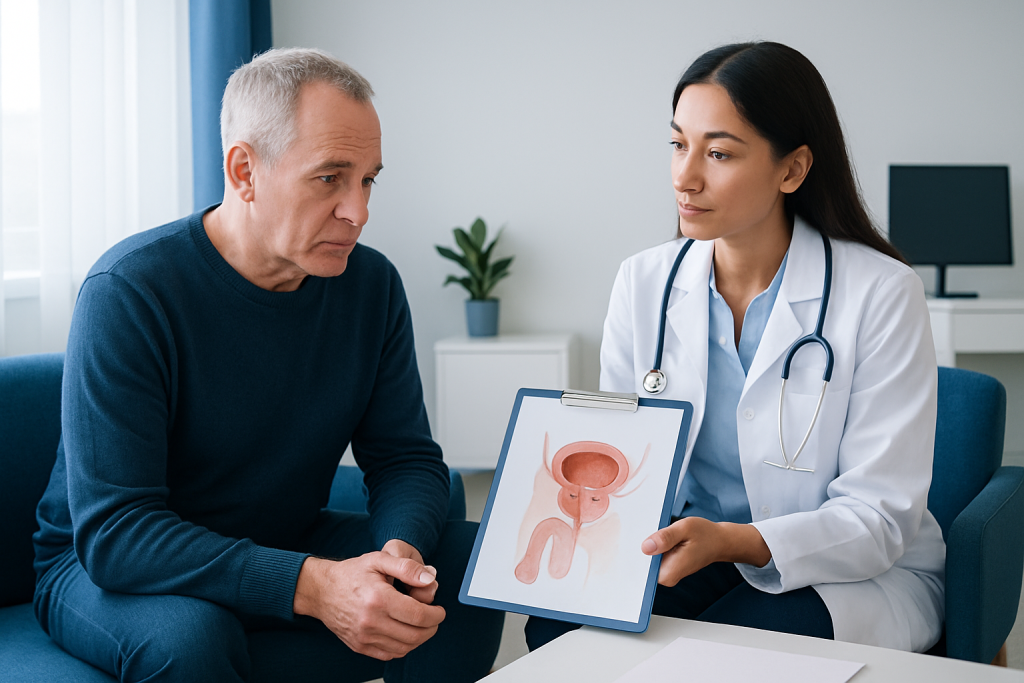
Side effects of radiation treatment for prostate cancer can include more frequent urination, burning when passing urine, looser stools, rectal irritation, tiredness and changes in sexual function. These effects happen because radiation, while carefully planned to target cancer cells, can also temporarily irritate healthy tissues near the prostate, including the bladder, urethra, rectum and surrounding nerves.
External beam radiation therapy is usually delivered in short daily appointments over several weeks, although some people are eligible for shorter schedules. Another approach, brachytherapy, places radioactive sources inside or close to the prostate. The likely side effects depend on the radiation method, total dose, use of hormone therapy, pre-existing urinary or bowel conditions, and individual health factors.
Radiation is a well-established treatment for localized prostate cancer and may also be used after surgery or for recurrent disease. Patients should discuss the expected benefits and possible effects with a radiation oncologist, because treatment decisions are personalized according to cancer characteristics, overall health and personal priorities.
How radiation therapy works and who may be a candidate
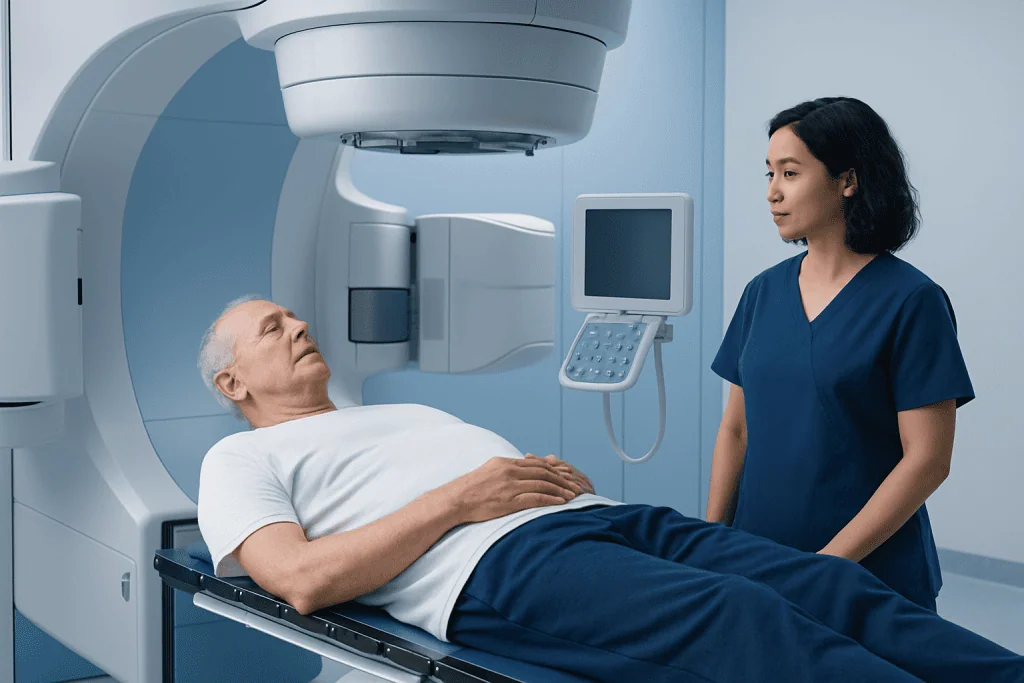
Radiation damages the genetic material within cells. Cancer cells are generally less able than healthy cells to repair this damage, so they gradually stop growing and die. Modern planning uses imaging, computer-based dose calculations and positioning techniques to concentrate treatment on the prostate while limiting radiation exposure to nearby organs.
Radiation treatment may be considered for localized prostate cancer as an alternative to surgery, alongside hormone therapy for some intermediate- or high-risk cancers, or after prostate surgery when there is concern about residual or recurrent cancer. It can also be used to relieve symptoms when prostate cancer has spread. The clinical team considers PSA level, biopsy findings, imaging, stage, urinary function, previous pelvic treatment and life expectancy.
Before treatment, patients may have a planning CT scan and sometimes MRI imaging. The team may recommend small marker seeds in the prostate, a temporary rectal spacer in selected cases, or bladder and bowel preparation instructions to improve accuracy. These measures are intended to help protect normal tissues and reduce side effects.
What happens during treatment: step by step
For external beam treatment, a planning visit takes place before the first radiation session. The patient lies on a treatment table in the same position used for planning, and the team may use small permanent skin marks or other positioning aids. The team gives instructions about arriving with a comfortably full bladder and an empty rectum when appropriate, since consistent organ position can improve precision.
At each appointment, radiographers position the patient and use imaging to verify alignment. The radiation itself is painless and is delivered while the patient remains still for a few minutes. The treatment team monitors from outside the room and can communicate throughout. Most people go home shortly after each session and continue many ordinary daily activities.
Brachytherapy has a different process and may involve anesthesia, temporary placement of radioactive sources, or permanent low-dose radioactive seeds. The treating team explains any procedure-specific restrictions and symptom monitoring. Patients should follow individualized preparation instructions and ask about medicines, blood thinners, bowel habits and urinary symptoms before treatment begins.
Common early side effects of radiation treatment for prostate cancer
Early side effects typically begin during the second or third week of external beam treatment, although timing varies. They may build gradually as treatment continues and usually improve after the course finishes. The radiation oncology team should be informed about symptoms rather than waiting for a scheduled review, since early support can make treatment more comfortable.
- Urinary effects: needing to urinate more often, urgency, weaker stream, waking at night to urinate, burning, or difficulty starting urine flow. These symptoms can resemble a urinary tract infection, so new or severe symptoms should be assessed.
- Bowel and rectal effects: softer or more frequent stools, urgency, gas, cramping, mucus, rectal soreness or small amounts of rectal bleeding. Diet changes and prescribed treatments may help.
- Fatigue: tiredness may increase over time, even in people who are sleeping well. Travel to appointments, stress, hormone therapy and anemia or other medical conditions can also contribute.
- Skin changes: skin in the treatment area may become mildly pink, dry, sensitive or itchy. Significant skin reactions are less common with modern prostate radiation techniques.
Some people experience little disruption, while others need adjustments to work, exercise or social plans. Treatment is usually not painful, and radiation does not make a person radioactive after standard external beam therapy. The treatment team can recommend symptom-relief medicines, bowel strategies and skin-care products suited to the individual.
Long-term effects, benefits and recovery timeline
The main benefit of radiation therapy is its ability to treat prostate cancer without removing the prostate. For appropriately selected patients, it can be a curative option and may preserve daily function for many people. However, radiation can sometimes cause late effects that begin or persist months to years after treatment, so ongoing monitoring matters even after early symptoms settle.
Possible longer-term effects include persistent urinary urgency, reduced urinary flow, blood in the urine, rectal bleeding, bowel urgency, and erectile dysfunction. Less commonly, scarring can narrow the urethra or affect bowel function. Fertility is usually affected, and men who may wish to have biological children should discuss sperm banking before treatment. Rarely, radiation can contribute to more serious bladder or bowel complications.
How long does it take to feel better after radiation treatment for prostate cancer? Many urinary and bowel symptoms start to improve within several weeks after external beam treatment ends, and fatigue often eases gradually over weeks to a few months. Recovery is not always linear: symptoms can fluctuate, and some effects may take longer, particularly when hormone therapy is also used. Erectile changes may develop gradually over months or years, and support remains available at every stage.
PSA levels are followed after treatment, but they do not usually fall immediately. The treating clinician explains the expected PSA pattern and the follow-up schedule. Any new, worsening or persistent symptoms should be discussed, even if they occur long after radiation has finished.
How to stay strong during radiation therapy
How to stay strong during radiation therapy? A balanced routine can support energy and resilience during treatment. Patients are generally encouraged to eat regular meals with enough protein and fluids, unless their clinician has advised a specific dietary or fluid restriction. If bowel symptoms develop, the care team may suggest temporarily reducing foods that worsen diarrhea or gas and may arrange advice from a dietitian.
Gentle physical activity, such as walking or stretching, can help maintain strength, mood and sleep when it feels manageable. Rest is also appropriate; pacing activities, accepting practical help and prioritizing important tasks can reduce the impact of fatigue. People should avoid pushing through exhaustion or making major exercise changes without discussing them with their healthcare team.
Emotional wellbeing is part of treatment. Speaking with a partner, trusted relative, counselor, support group or cancer nurse may help patients manage uncertainty and changes in intimacy. Keeping a short symptom diary can also help the clinical team identify patterns and provide timely advice.
Acibadem International’s multidisciplinary specialists and JCI-accredited hospitals support international patients receiving prostate cancer evaluation and treatment, including coordinated radiation oncology, urology and supportive care.
What not to do during radiation treatment for prostate cancer
What not to do during radiation treatment for prostate cancer? Patients should not stop prescribed medicines, begin supplements, or use over-the-counter bowel, bladder or herbal products without checking with the treatment team. Some products can worsen diarrhea, constipation, bleeding risk or urinary symptoms, and clinicians need a complete list of all medicines and supplements.
It is also sensible to avoid irritating the treatment-area skin with fragranced products, harsh scrubs, heating pads or adhesive products unless the team approves them. Sun exposure to the treated area should be minimized. For bowel symptoms, alcohol, highly spicy foods, caffeine and very fatty foods may aggravate symptoms in some people, but dietary changes should be individualized rather than unnecessarily restrictive.
Smoking cessation is beneficial before, during and after cancer treatment. Alcohol should be discussed with the clinical team, particularly if it worsens bladder or bowel symptoms or interacts with medicines. Patients should not miss treatment sessions without contacting the radiation department, as the team can advise whether a schedule adjustment is needed.
What to do after radiation therapy and when to seek medical care
What should I do after radiation therapy? After treatment, patients should continue the follow-up plan provided by their oncology and urology teams. This usually includes PSA blood tests, assessment of urinary, bowel and sexual health, and discussions about general wellbeing. Continuing a nutritious diet, gradual activity, good hydration and recommended pelvic floor or sexual-health support may aid recovery.
Patients should contact their care team promptly for inability to pass urine, fever or chills, severe pelvic or abdominal pain, heavy rectal bleeding, blood clots in urine, severe or persistent diarrhea, dehydration, worsening weakness, or any symptom that feels urgent. These symptoms do not always mean a serious problem, but they need timely medical assessment.
Routine follow-up is also important for milder concerns such as persistent burning with urination, bowel urgency, new bleeding, fatigue that does not improve, or changes in erections and intimacy. Early assessment can identify treatable causes and help prevent symptoms from interfering with quality of life.
Frequently asked questions
Are side effects of radiation treatment for prostate cancer permanent?
Most early urinary, bowel and fatigue-related effects are temporary and improve after treatment, although recovery times differ. Some people develop persistent or late effects, including erectile dysfunction or bowel and bladder changes. Regular follow-up helps identify symptoms that can be treated or managed.
Does prostate radiation cause erectile dysfunction?
Radiation can affect erections by gradually damaging blood vessels and nerves involved in sexual function. The risk depends on age, baseline erectile function, other health conditions, hormone therapy and treatment details. Sexual-health treatments and counseling may be helpful, so patients should raise concerns with their care team.
Can a person work during prostate radiation therapy?
Many people continue working during external beam radiation, especially early in the course. However, appointment schedules, urinary or bowel symptoms and fatigue may make reduced hours or time away from work helpful. The care team can provide documentation and practical advice when needed.
Is it normal to have bowel changes after prostate radiation?
More frequent stools, urgency, gas and rectal irritation can occur during treatment because the rectum is close to the prostate. These symptoms often improve after radiation ends. Rectal bleeding, severe pain, persistent diarrhea or signs of dehydration should be reported promptly.
Can radiation treatment for prostate cancer make someone radioactive?
Standard external beam radiation does not make the patient radioactive, so it is safe to be around family members, including children and pregnant people. Some brachytherapy methods may involve specific temporary precautions. The radiation oncology team will explain any precautions that apply to the individual treatment plan.
What follow-up is needed after prostate radiation therapy?
Follow-up commonly includes PSA testing and visits to review urinary, bowel, sexual and general health. The timing depends on the treatment plan and cancer risk level. Patients should attend scheduled appointments and contact the team sooner if new symptoms arise.
References
- National Cancer Institute
- American Cancer Society
- American Society for Radiation Oncology
- National Comprehensive Cancer Network
- European Association of Urology
This article is for general information only and is not a substitute for professional medical advice. Please consult a qualified doctor about your individual situation.
Prostate Cancer in Turkey — costs, top hospitals & a free quote
JCI-accredited · board-certified surgeons · reply within 24h
Add us as a Preferred Source to see more of our trusted health content across Google Search, AI Overviews and Discover.