Signs Chemo Is Killing You: An Evidence-Based Guide for Patients

Chemotherapy commonly causes side effects, but certain symptoms may signal a serious complication that needs prompt care. High fever, trouble breathing, chest pain, severe dehydration, confusion, or uncontrolled bleeding are urgent warning signs.
Key Takeaways
- Chemotherapy commonly causes side effects, but certain symptoms may signal a serious complication that needs prompt care.
- High fever, trouble breathing, chest pain, severe dehydration, confusion, or uncontrolled bleeding are urgent warning signs.
- Not every severe symptom means treatment must stop; doctors can often adjust medicines, doses, timing, or supportive care.
- Close communication with the oncology team helps patients distinguish expected side effects from emergencies.
- Early treatment of infections, low blood counts, or organ-related side effects can improve safety and comfort.
Many people who search for “signs chemo is killing you” are noticing severe symptoms and want to know if chemotherapy is becoming dangerous. In most cases, these symptoms reflect treatable side effects or complications rather than chemotherapy “killing” the person, but some warning signs need urgent medical attention.
Overview: what people usually mean by this phrase
The phrase “signs chemo is killing you” is not a medical term, but it reflects a real fear: whether chemotherapy side effects have become dangerous. The most accurate answer is that chemotherapy can cause mild, moderate, or severe side effects, and in some situations it can lead to serious complications that need urgent treatment. These complications are often related to infection, dehydration, very low blood counts, blood clots, allergic reactions, or stress on organs such as the heart, lungs, liver, or kidneys.
Chemotherapy works by damaging rapidly dividing cells. While this helps treat cancer, it can also affect healthy cells in the bone marrow, digestive tract, skin, hair follicles, and other tissues. That is why some people develop fatigue, nausea, mouth sores, diarrhea, nerve symptoms, or increased susceptibility to infection during treatment.
Importantly, serious symptoms do not always mean chemotherapy is causing permanent harm or that treatment has failed. Many side effects can be managed with supportive care, treatment delays, dose changes, or different medicines. Patients receiving chemotherapy should be given clear instructions by their oncology team about which symptoms are expected and which require urgent medical advice.
Expected side effects versus dangerous warning signs
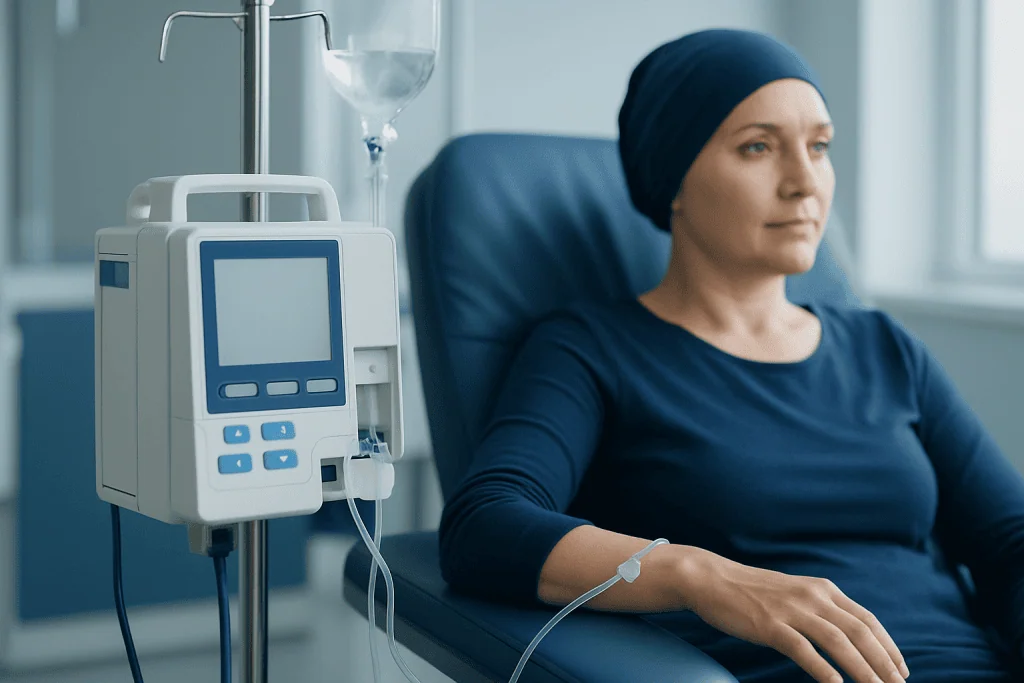
Many chemotherapy side effects are unpleasant but not necessarily life-threatening. Common examples include temporary fatigue, nausea, reduced appetite, taste changes, hair loss, mild constipation or diarrhea, mild mouth tenderness, and temporary lowering of energy or concentration. These symptoms should still be discussed with the oncology team, especially if they worsen or interfere with eating, drinking, sleeping, or daily activities.
Dangerous warning signs are different because they may indicate a complication that can become serious quickly. One of the most important examples is fever, especially in a person whose white blood cell count may be low. Chemotherapy can suppress the immune system, so even a mild infection may become severe.
Other warning signs include symptoms that suggest bleeding, severe dehydration, allergic reaction, blood clot, or organ injury. Patients should not try to judge these symptoms alone or wait too long to see whether they improve. Rapid contact with the cancer team or emergency services can be the safest approach.
- Expected but reportable: ongoing nausea, poor appetite, fatigue, hair loss, mild diarrhea, mouth sores, numbness or tingling
- Urgent: fever, shaking chills, shortness of breath, chest pain, confusion, fainting, uncontrolled vomiting, severe diarrhea, inability to drink fluids, heavy bleeding
- Emergency: severe breathing difficulty, sudden chest pain, blue lips, seizure, collapse, severe allergic swelling, or loss of consciousness
Signs that need urgent medical evaluation

Some symptoms deserve immediate attention because they may point to a serious complication of treatment. Fever is one of the most important. A high temperature, chills, new cough, burning with urination, or feeling suddenly very unwell can suggest infection, especially if chemotherapy has lowered the body’s infection-fighting white blood cells.
Breathing problems should also be taken seriously. Shortness of breath, wheezing, chest tightness, chest pain, or coughing up blood may be linked to infection, a blood clot, a drug reaction, or less commonly treatment-related lung inflammation. Severe weakness, dizziness, racing heartbeat, or pale skin can occur when blood counts drop significantly.
Digestive symptoms can also become dangerous. Repeated vomiting, severe diarrhea, black stools, blood in stool, inability to keep liquids down, or very little urine can lead to dehydration and electrolyte imbalance. Some medicines can also affect the liver or kidneys, which may cause swelling, dark urine, yellowing of the eyes or skin, or new confusion.
- Fever or chills during chemotherapy
- Shortness of breath or chest pain
- Uncontrolled bleeding, new bruising, or pinpoint red spots on the skin
- Severe vomiting or diarrhea causing dehydration
- Confusion, severe drowsiness, fainting, or seizure
- Reduced urination, swelling, or yellowing of the skin or eyes
Why these symptoms can happen during chemotherapy
Severe symptoms during chemotherapy usually result from identifiable medical problems rather than from a vague toxic effect alone. A common cause is bone marrow suppression, where chemotherapy lowers white blood cells, red blood cells, or platelets. Low white blood cells increase infection risk, low red blood cells can cause weakness and shortness of breath, and low platelets can lead to bruising or bleeding.
Another cause is irritation or injury to the digestive tract. Chemotherapy may inflame the lining of the mouth, stomach, or intestines, leading to mouth sores, nausea, vomiting, diarrhea, and poor intake. If this becomes severe, dehydration and malnutrition can follow. Some drugs may also irritate nerves, causing numbness, tingling, or balance problems.
Certain chemotherapy drugs, targeted therapies, or immunotherapy combinations can affect specific organs in some patients. Depending on the treatment, doctors may monitor heart function, liver enzymes, kidney function, or lung health. People with advanced cancer may also have symptoms caused by the cancer itself, such as pain, weight loss, fatigue, or shortness of breath, which can overlap with treatment side effects. For broader cancer care, patients may be evaluated in medical oncology services, and some symptoms may relate to the underlying cancer rather than treatment alone.
How doctors assess whether chemotherapy is becoming unsafe
When a patient reports severe symptoms, clinicians look at the full picture rather than one symptom in isolation. They ask when the symptom started, how fast it is worsening, whether there is fever, how much the patient is eating and drinking, and what medicines are being taken. They also consider the type of chemotherapy, how long ago it was given, and whether the person has other health conditions.
Blood tests are often central to this assessment. A complete blood count can show whether infection-fighting cells, red blood cells, or platelets are dangerously low. Other tests may check kidney and liver function, inflammation, electrolyte balance, or signs of infection. Depending on the symptoms, doctors may order a chest X-ray, CT scan, urine test, ECG, or oxygen measurement.
The goal is not only to detect emergencies but also to decide whether treatment should continue as planned, be delayed, or be modified. Sometimes the safest option is a temporary pause while the body recovers. In other situations, the team adds supportive treatments, such as anti-nausea medicines, growth factor support, fluids, antibiotics, or nutritional support, so that cancer treatment can continue more safely.
Treatment and supportive care for serious chemotherapy complications
Treatment depends on the cause of the problem. Suspected infection may require urgent antibiotics and close monitoring, especially if the white blood cell count is low. Severe dehydration may be treated with intravenous fluids and correction of electrolytes. Significant anemia, bleeding risk, or very low platelets may require observation, transfusion support, or treatment changes based on the oncology team’s judgment.
If symptoms are linked to nausea, vomiting, diarrhea, or mouth sores, doctors can often adjust supportive medications and nutrition strategies. Pain relief, anti-sickness medicines, hydration plans, and careful mouth care can make treatment more tolerable. If a particular drug is affecting the nerves, lungs, heart, or other organs, the oncology team may reduce the dose, switch to another treatment, or stop the medicine.
Some patients benefit from coordinated care with multiple specialists, especially when symptoms are complex. Depending on the cancer type and treatment plan, this may include radiation oncology or bone marrow transplantation teams in selected cases. Near the end of treatment planning, some international patients choose centers such as Acibadem International, where multidisciplinary specialists in JCI-accredited hospitals diagnose and treat cancer and treatment-related complications.
Self-care during chemotherapy and ways to reduce risk
Patients cannot prevent every side effect, but practical steps can lower risk and help doctors respond early. Keeping a daily record of temperature, fluid intake, bowel movements, nausea, vomiting, pain, and new symptoms can help identify a pattern. This is especially useful in the days when blood counts are expected to be lower after treatment.
Hydration, nutrition, and infection prevention are particularly important. Patients are often advised to drink fluids regularly, eat small frequent meals if appetite is poor, wash hands carefully, avoid people who are visibly ill, and follow food safety advice. The oncology team may also recommend specific oral care to reduce mouth sores and careful skin care if treatment causes irritation.
It is also helpful to know the treatment center’s emergency contact instructions before a problem occurs. Patients should ask in advance what temperature counts as a fever, which symptoms require same-day contact, and when to go straight to the emergency department. Anyone being treated for leukemia or other blood-related cancers may need especially close monitoring because infection and blood count problems can develop quickly.
When to seek medical care
Patients should contact their oncology team promptly if they develop fever, chills, new cough, painful urination, worsening mouth sores, persistent vomiting, diarrhea lasting more than a short period, inability to drink enough fluids, new rash, unusual bruising, or increasing weakness. Even if the symptom seems minor, chemotherapy can reduce the body’s ability to cope with infection and fluid loss.
Emergency care is appropriate for severe shortness of breath, chest pain, confusion, fainting, seizure, heavy bleeding, sudden swelling of the face or throat, blue lips, or inability to wake fully. These symptoms should not wait for a routine appointment. If a patient is unsure, it is safer to call the treating team the same day.
Patients should also seek review if side effects are steadily building from one cycle to the next, even without an emergency. Early discussion allows the care team to adjust treatment and improve comfort while protecting the overall cancer plan.
Frequently asked questions
Does feeling very sick during chemotherapy mean it is killing the patient?
Not necessarily. Many severe symptoms during chemotherapy are caused by treatable complications such as infection, dehydration, or low blood counts rather than chemotherapy causing irreversible harm. Because some of these problems can become serious quickly, prompt medical advice is important.
What is the most important warning sign during chemotherapy?
Fever is one of the most important warning signs, especially if it occurs with chills or feeling suddenly unwell. Chemotherapy can lower white blood cells, making infections more dangerous. Patients should follow their cancer team's instructions about what temperature requires urgent contact.
Can chemotherapy side effects become life-threatening?
Yes, in some cases complications can become life-threatening if they are not treated quickly. Examples include severe infection, uncontrolled bleeding, blood clots, severe dehydration, and major allergic reactions. Early medical attention greatly improves the chance of managing these complications safely.
How do doctors know whether symptoms are from chemotherapy or from the cancer itself?
Doctors look at the timing of symptoms, the type of treatment, the cancer diagnosis, examination findings, and test results. Blood tests and imaging may be used to check for low blood counts, infection, organ problems, or cancer progression. Sometimes both the cancer and the treatment contribute to how a patient feels.
Should chemotherapy be stopped if side effects are severe?
Not always. Doctors may treat the side effects, delay a cycle, lower the dose, or change the medicine rather than stopping treatment completely. The decision depends on the severity of symptoms, the patient's overall health, and the goals of cancer care.
When should someone go to the emergency room during chemotherapy?
Emergency care is appropriate for severe shortness of breath, chest pain, confusion, fainting, seizure, heavy bleeding, signs of a severe allergic reaction, or inability to keep fluids down with worsening weakness. High fever may also require urgent assessment based on the cancer team's instructions. If there is doubt, it is safer to call the oncology team right away.
References
- American Cancer Society
- National Cancer Institute
- Centers for Disease Control and Prevention
- American Society of Clinical Oncology
- National Comprehensive Cancer Network
This article is for general information only and is not a substitute for professional medical advice. Please consult a qualified doctor about your individual situation.
Oncology care in Turkey — second opinion and treatment plan
JCI-accredited · board-certified surgeons · reply within 24h
Add us as a Preferred Source to see more of our trusted health content across Google Search, AI Overviews and Discover.