Signs of Burnout Explained: Common Triggers and Red Flags

Common signs of burnout include emotional exhaustion, detachment, and reduced effectiveness. Burnout can show up through physical symptoms such as sleep problems, headaches, and frequent tension.
Key Takeaways
- Common signs of burnout include emotional exhaustion, detachment, and reduced effectiveness.
- Burnout can show up through physical symptoms such as sleep problems, headaches, and frequent tension.
- Long-term stress, high workload, low control, and poor recovery time are common triggers.
- Burnout can overlap with anxiety, depression, and sleep disorders, so proper assessment matters.
- Early changes in workload, boundaries, sleep, and support can help prevent burnout from worsening.
Signs of burnout usually include ongoing exhaustion, mental distance or irritability, and a drop in motivation or effectiveness that does not improve with a normal amount of rest. Burnout is not simply "being busy"; it is a stress-related state that can affect mood, sleep, concentration, relationships, and physical health.
Overview: what burnout signs usually look like
The signs of burnout are most often a combination of deep tiredness, growing mental distance from work or daily responsibilities, and a sense that even familiar tasks take more effort than they used to. Many people notice that rest over a weekend or a short break does not fully restore their energy, and they may feel less patient, less motivated, or less effective than before.
Burnout is generally understood as a response to chronic, unmanaged stress, especially when demands stay high and recovery stays low. It is commonly discussed in relation to work, but similar patterns can happen in caregiving, parenting, academic pressure, or long-term emotional strain. Burnout is not a personal failure. It is a meaningful signal that stress load and coping capacity are out of balance.
Because burnout can develop gradually, people may overlook it at first. They may assume they are only tired, temporarily unmotivated, or “not trying hard enough.” In reality, early recognition matters. Addressing warning signs sooner can reduce the chance that stress begins to affect sleep, mood, concentration, physical symptoms, and relationships more deeply.
Emotional, mental, and physical symptoms to watch for
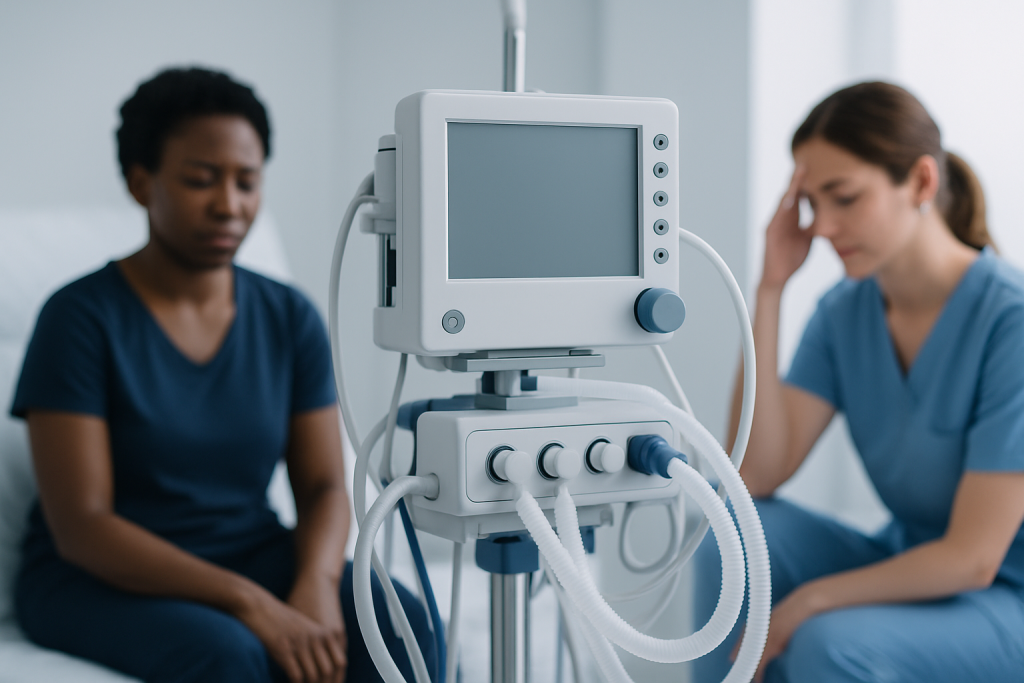
One of the clearest signs of burnout is emotional exhaustion. This may feel like being drained at the start of the day, dreading routine tasks, or feeling that there is nothing left to give. Some people become more irritable or sensitive, while others feel emotionally flat, detached, or numb. Everyday challenges may seem unusually difficult, and enjoyment in work or home life may fade.
Mental symptoms are also common. Concentration may become harder, memory may feel less reliable, and decision-making may take longer. People sometimes describe a sense of “brain fog,” reduced creativity, or trouble staying organized. In addition, burnout can lead to a more negative or cynical view of work, colleagues, responsibilities, or even oneself. This shift in mindset is an important red flag, especially when it persists.
Physical symptoms can accompany the emotional strain. These may include poor sleep, waking unrefreshed, headaches, muscle tension, stomach upset, appetite changes, and feeling physically run down. Some people notice more frequent minor illnesses, possibly because prolonged stress can affect immune function. While these symptoms do not prove burnout by themselves, they deserve attention when they appear alongside chronic stress and fatigue.
- Persistent tiredness that does not improve with usual rest
- Irritability, low patience, or emotional numbness
- Reduced motivation, productivity, or confidence
- Difficulty concentrating or making decisions
- Sleep problems, headaches, or muscle tension
- Withdrawal from social contact or meaningful activities
Common triggers and who may be at higher risk

Burnout often develops when demands stay intense for long periods without enough control, support, recognition, or recovery time. A heavy workload is one common trigger, but it is not the only one. Burnout may also be linked to unclear expectations, conflicting priorities, repeated interruptions, moral distress, limited autonomy, or feeling unable to disconnect. These patterns can gradually create a state in which the body and mind are continually activated without adequate reset.
Risk may also rise when stress occurs in more than one area of life at the same time. For example, a demanding job combined with caregiving duties, financial worries, chronic sleep loss, or ongoing health concerns can amplify strain. People who are highly conscientious, self-critical, perfectionistic, or strongly duty-driven may be especially vulnerable because they tend to keep pushing despite warning signs.
Certain health conditions can overlap with or intensify burnout symptoms. Sleep disorders, anxiety, depression, chronic pain, and hormonal or metabolic issues may contribute to exhaustion and reduced resilience. If fatigue is prominent, clinicians may also consider conditions that can cause similar symptoms, such as anemia or thyroid disorders, depending on the person’s history and symptoms.
How burnout differs from ordinary stress, depression, and fatigue
Ordinary stress is often short-term and may improve when the pressure eases. Burnout is more persistent. It usually involves a longer pattern of depletion, detachment, and reduced effectiveness rather than a brief period of feeling overwhelmed. Someone under stress may still feel engaged and hopeful despite pressure; someone with burnout is more likely to feel used up, disengaged, or unable to recover fully.
Burnout can overlap with depression, but the two are not identical. Depression may affect all areas of life and can include persistent low mood, loss of interest, hopelessness, guilt, appetite changes, sleep disruption, and thoughts of self-harm. Burnout may begin in relation to a specific role or chronic demand, but over time it can spill into the rest of life. Because there is overlap, professional assessment can be helpful when symptoms are ongoing or severe.
Simple tiredness after a demanding week is also different from burnout. Normal fatigue usually improves with sleep, time off, and basic recovery habits. Burnout tends to persist despite these measures. If the main symptom is feeling constantly unrefreshed, clinicians may also think about sleep-related conditions, and in some cases a person may benefit from evaluation through sleep disorder treatment if symptoms suggest poor-quality sleep is a major contributor.
How burnout is assessed
There is no single laboratory test that diagnoses burnout. Assessment usually starts with a detailed conversation about symptoms, work and life demands, sleep, mood, functioning, and medical history. A doctor or mental health professional may ask when symptoms began, whether they are tied to certain settings, how they affect daily life, and what happens after rest or time away from stressors.
Because burnout can look similar to other conditions, evaluation may include screening for anxiety, depression, sleep problems, medication side effects, substance use, and medical causes of fatigue. Depending on the situation, a clinician may recommend basic examinations or tests to rule out other explanations. This step is important because treatment works best when it addresses the full picture rather than assuming stress is the only cause.
In some cases, people benefit from a multidisciplinary approach, especially when symptoms affect both emotional and physical health. Psychological assessment, primary care review, sleep evaluation, and lifestyle review may all play a role. If significant mood symptoms are present, referral for depression treatment or broader psychiatric care may be appropriate as part of a personalized plan.
What helps: practical treatment and recovery strategies
Recovery from burnout usually involves reducing the ongoing stress load while rebuilding physical and emotional reserves. This may mean reviewing workload, clarifying priorities, setting firmer boundaries, taking structured breaks, and creating more realistic expectations. For some people, changes at work or home are essential. Rest alone may not be enough if the same conditions causing burnout remain unchanged.
Supportive therapy can be useful, especially when burnout is linked to perfectionism, people-pleasing, chronic self-criticism, or difficulty switching off. Cognitive and behavioral strategies may help a person identify stress patterns, communicate needs more clearly, and develop healthier coping responses. Therapy may also help when burnout coexists with anxiety, low mood, or relationship strain.
Daily recovery habits matter as well. Regular sleep, physical activity, balanced meals, and consistent routines can improve stress resilience, even if they do not solve the underlying problem by themselves. Short periods of recovery during the day, reduced after-hours screen exposure, and time for meaningful non-work activities can support gradual improvement. In more complex situations, Acibadem International’s multidisciplinary specialists in JCI-accredited hospitals diagnose and treat stress-related and overlapping medical conditions for international patients.
Prevention and self-care: early changes that can make a difference
Preventing burnout often starts with noticing early warning signs instead of waiting for a crisis. A person may benefit from checking in regularly with their energy, sleep, mood, and ability to focus. When small signs appear, practical adjustments can help: protecting break times, limiting unnecessary overtime, reducing multitasking, and making recovery activities a non-negotiable part of the week rather than an occasional reward.
Healthy boundaries are central. This may include clearer work hours, more realistic commitments, and a willingness to pause before saying yes automatically. Social support also matters. Talking with a trusted friend, family member, supervisor, or clinician can reduce isolation and make it easier to identify changes that are needed. Burnout often grows in silence, especially in people who feel pressure to keep coping alone.
Self-care should be understood broadly, not as a substitute for structural change. Relaxation exercises, time outdoors, movement, and mindfulness can help regulate stress, but they may not be enough if the environment remains unsustainably demanding. Lasting prevention usually combines personal habits with practical changes in workload, expectations, and support systems.
When to seek medical care
Medical care is a good idea if signs of burnout last for weeks, interfere with work or home life, or are getting worse despite rest and self-care. It is also important to seek help if exhaustion is severe, sleep is consistently poor, concentration problems are affecting safety, or physical symptoms such as chest discomfort, frequent headaches, marked weight change, or ongoing digestive symptoms are present.
Prompt professional support is especially important when burnout overlaps with anxiety, panic symptoms, depression, or increased use of alcohol or other substances to cope. Urgent help is needed if there are thoughts of self-harm, hopelessness, or feeling unable to stay safe. A qualified doctor or mental health professional can help determine whether symptoms are due to burnout, another medical issue, or a combination of factors, and can guide the next steps.
Many people feel relieved once symptoms are recognized and named. Burnout is common, treatable, and worth taking seriously. Early assessment can help protect mental health, physical health, and long-term quality of life.
Frequently asked questions
What are the first signs of burnout?
Early signs of burnout often include feeling unusually tired, less motivated, and more irritable than usual. A person may also notice trouble concentrating, reduced patience, poorer sleep, or a growing sense of dread around everyday responsibilities.
Is burnout the same as depression?
No, burnout and depression are not the same, although they can overlap. Burnout is often linked to chronic stress and may begin around work, caregiving, or another demanding role, while depression is a broader medical condition that can affect every part of life.
Can burnout cause physical symptoms?
Yes. Burnout can be associated with headaches, muscle tension, stomach upset, fatigue, poor sleep, and feeling physically run down. These symptoms should be assessed if they are persistent, severe, or accompanied by other health concerns.
How long does it take to recover from burnout?
Recovery time varies from person to person. It often depends on how long symptoms have been present, whether underlying stressors can be changed, and whether other issues such as anxiety, depression, or sleep problems are also involved.
Can rest alone fix burnout?
Not always. Rest can help, but burnout often improves best when the ongoing causes of stress are also addressed, such as workload, lack of boundaries, poor sleep, or limited support. Without these changes, symptoms may return quickly.
When should someone see a doctor for burnout symptoms?
A doctor should be consulted if symptoms last for weeks, affect daily functioning, or do not improve with basic recovery steps. Medical help is especially important if there are severe sleep problems, major mood changes, panic symptoms, substance misuse, or any thoughts of self-harm.
References
- World Health Organization
- National Institute of Mental Health
- Centers for Disease Control and Prevention
- American Psychological Association
This article is for general information only and is not a substitute for professional medical advice. Please consult a qualified doctor about your individual situation.
Explore treatments in Turkey — costs, top hospitals & a free quote
JCI-accredited · board-certified surgeons · reply within 24h
Add us as a Preferred Source to see more of our trusted health content across Google Search, AI Overviews and Discover.