Signs of High Testosterone in a Man: Common Causes, Related Conditions, and When to See a Doctor

Symptoms such as acne, mood shifts, increased muscle mass, or low sperm count can sometimes be linked to high testosterone. Some men with high testosterone have few or no obvious symptoms, while others have symptoms caused by steroid use or another medical condition.
Key Takeaways
- Symptoms such as acne, mood shifts, increased muscle mass, or low sperm count can sometimes be linked to high testosterone.
- Some men with high testosterone have few or no obvious symptoms, while others have symptoms caused by steroid use or another medical condition.
- Blood testing is the only reliable way to confirm whether testosterone is above the normal range.
- Possible causes include anabolic steroid use, testosterone therapy, adrenal or testicular disorders, and certain endocrine conditions.
- Medical care is important if symptoms are new, severe, or linked to fertility concerns, sleep problems, or changes in sexual health.
Signs of high testosterone in a man may include acne, oily skin, increased body hair, mood changes, reduced fertility, or changes linked to anabolic steroid use, but symptoms alone cannot confirm a hormone problem. A medical evaluation and blood tests are usually needed to find out whether testosterone is truly elevated and whether an underlying condition is involved.
Overview: What high testosterone can look like
The signs of high testosterone in a man can vary from person to person. Commonly discussed features include acne, oily skin, increased body or facial hair, a rise in muscle mass, mood changes, and fertility problems. However, these signs are not specific, and some may happen for other reasons such as puberty, exercise habits, medication use, or skin conditions.
Testosterone is an important hormone that supports male sexual development, bone strength, muscle mass, red blood cell production, and sex drive. Testosterone levels naturally change with age, time of day, sleep quality, body weight, and overall health. Because of this, a single symptom or a single blood test may not tell the whole story.
It is also important to separate naturally high testosterone from testosterone levels raised by external hormones. Men who use anabolic steroids or testosterone supplements may develop a different pattern of symptoms, including testicular shrinkage, low sperm count, breast tissue changes, or irritability. A doctor looks at symptoms, medication history, and lab results together before deciding whether a true hormone imbalance is present.
Common signs and symptoms
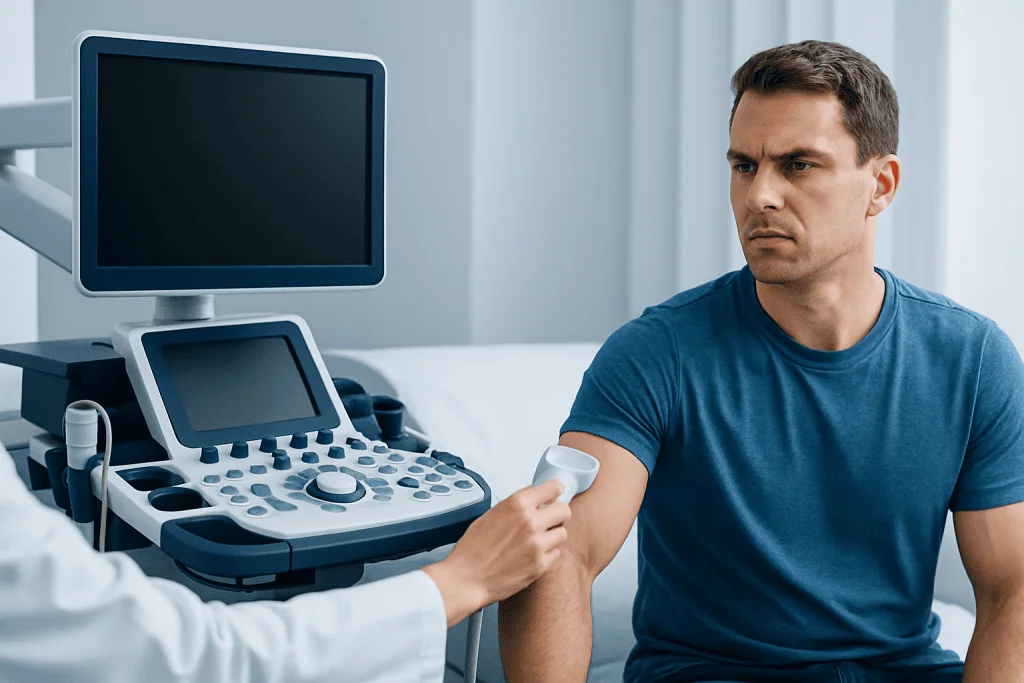
When testosterone is higher than expected, symptoms may affect the skin, mood, reproductive health, and body composition. Some men notice only mild changes, while others develop more obvious symptoms over time. The pattern often depends on the cause, how long the hormone level has been elevated, and whether other hormones are also out of balance.
Possible signs and symptoms can include:
- Acne or oily skin
- Increased facial or body hair growth
- Changes in mood, irritability, or impulsive behavior
- Higher sex drive in some men
- Increase in muscle mass or reduced body fat
- Male-pattern hair thinning or faster hair loss in those who are genetically prone
- Sleep disturbance, including symptoms that may suggest sleep apnea
- Reduced fertility, lower sperm count, or testicular shrinkage, especially with steroid or testosterone use
Not every symptom points to high testosterone itself. For example, hair loss may be related to genetics and sensitivity to androgens rather than a clearly elevated testosterone level. Likewise, mood changes can have many causes, including stress, poor sleep, depression, or substance use. That is why self-diagnosis can be misleading.
In some cases, men seek testing because of sexual or reproductive concerns rather than obvious physical changes. Problems such as infertility, reduced testicular size, or changes in erections may be associated with hormone misuse or disrupted hormone signaling. Evaluation may overlap with assessment for male infertility when pregnancy is not occurring as expected.
Causes and related conditions

High testosterone in men is less common than low testosterone, and when it is present, the cause matters. One of the most frequent reasons is the use of external hormones, including testosterone replacement that is too high for the individual, anabolic-androgenic steroids, or other performance-enhancing substances. These can raise blood testosterone levels and suppress the body’s normal hormone production.
Less commonly, elevated testosterone may be linked to problems involving the testes, adrenal glands, or the endocrine system. Certain adrenal disorders can increase androgen production. In rare cases, hormone-producing tumors of the testicles or adrenal glands may lead to unusually high androgen levels. Doctors may also consider other hormone abnormalities if symptoms do not fit a simple pattern.
Related conditions can add complexity. Obesity, insulin resistance, liver disease, and thyroid disorders may affect the way hormones are produced, transported, or measured. Sleep disorders, especially untreated sleep apnea, can also interact with testosterone regulation and overall health. A clinician may recommend broader hormonal testing to understand whether testosterone is the main issue or one part of a larger endocrine problem.
Because symptoms can overlap with other illnesses, doctors may evaluate for disorders affecting the pituitary, adrenal, or reproductive systems. In some situations, testing may be paired with imaging studies or referral for endocrinology evaluation to investigate a possible hormonal source in a structured way.
How doctors diagnose high testosterone
Diagnosis starts with a medical history and physical examination. A doctor asks about symptoms, puberty history, fertility goals, exercise supplements, prescribed testosterone, anabolic steroid use, sleep quality, and any personal or family history of endocrine disease. This conversation is important because outside hormone use is a very common explanation for unexpectedly high testosterone results.
Blood testing is essential. Testosterone is often measured in the morning, when levels are usually highest, and the test may need to be repeated to confirm the result. Depending on the situation, a doctor may also check free testosterone, sex hormone-binding globulin, luteinizing hormone, follicle-stimulating hormone, prolactin, thyroid function, blood count, liver function, and other markers. These tests help show whether the body is making too much testosterone or whether external hormones are involved.
If symptoms suggest reproductive effects, a semen analysis may be recommended. If a growth or hormone-secreting source is suspected, imaging of the testes or adrenal glands may be needed. Men with testicular discomfort, swelling, or a new lump may need prompt assessment, sometimes including urology evaluation and scrotal imaging.
Interpreting results can be complex. Total testosterone may appear high in some situations even when active hormone levels are not clearly abnormal, and normal reference ranges vary by laboratory. For that reason, diagnosis should be based on both laboratory data and the clinical picture rather than on a single number alone.
Treatment options depend on the cause
There is no single treatment for high testosterone because management depends on why the level is elevated. If the cause is testosterone therapy or anabolic steroid use, the first step is often review and adjustment of the regimen under medical supervision. Men should not stop prescribed hormones abruptly without medical advice, especially if they are using them for a confirmed deficiency or another monitored condition.
When symptoms are linked to non-prescribed anabolic steroids or bodybuilding agents, doctors focus on stopping exposure safely, managing side effects, and monitoring recovery of the body’s hormone system. Fertility may take time to improve after stopping external androgens, and some men need specialist follow-up. If acne, sleep issues, or mood symptoms are present, these may also need separate treatment.
If testing suggests an adrenal, pituitary, or testicular disorder, treatment is directed at the underlying problem. This may involve specialist care, imaging, medication, or surgery depending on the diagnosis. Men with hormone-related fertility concerns may benefit from coordinated care that includes fertility assessment and treatment when appropriate.
Care plans are individualized. Doctors usually monitor symptoms, repeat lab tests when needed, and watch for complications such as abnormal blood counts, blood pressure changes, sleep apnea, or prostate-related concerns. The goal is not simply to lower a number, but to restore hormonal balance and protect long-term health.
Self-care, prevention, and what not to assume
Men can support healthy hormone balance by avoiding non-prescribed testosterone products, anabolic steroids, and unregulated performance supplements. Some over-the-counter products marketed for muscle gain or “test boosting” may contain undeclared ingredients or interfere with accurate diagnosis. Reading labels is not always enough, so discussing supplements openly with a doctor is wise.
General health habits also matter. Regular sleep, a balanced diet, moderation in alcohol use, stress management, and treatment of conditions such as obesity or sleep apnea can all influence hormone health. These steps may not directly correct a true endocrine disorder, but they help reduce confounding factors and improve overall well-being.
It is also helpful not to assume that a muscular build, strong sex drive, or body hair automatically means testosterone is too high. Many normal genetic and lifestyle differences affect appearance and energy levels. In the same way, acne or hair loss alone does not prove a hormone problem.
If ongoing symptoms raise concern, professional evaluation is better than repeated home interpretation of online information or gym advice. Near the end of the care pathway, men who need specialist support may be assessed by multidisciplinary teams; Acibadem International’s JCI-accredited hospitals provide diagnosis and treatment for international patients when endocrine, urologic, or fertility evaluation is needed.
When to seek medical care
Medical advice is appropriate if symptoms are persistent, worsening, or affecting daily life. A man should consider seeing a doctor if he develops unexplained acne, rapid hair loss, major mood or behavior changes, reduced fertility, shrinking testicles, breast enlargement, or marked changes after starting hormones or supplements. These symptoms do not always mean high testosterone, but they do deserve proper assessment.
Prompt medical evaluation is especially important if there is a testicular lump, swelling, pain, severe headaches, vision changes, chest symptoms, or signs of sleep-disordered breathing such as loud snoring and daytime sleepiness. These issues may point to a different or more urgent condition. Emergency care is needed for severe chest pain, trouble breathing, or sudden neurologic symptoms.
Men who are trying to conceive should seek care earlier rather than later if they have a history of steroid use, testosterone injections, or abnormal semen results. Early evaluation can help identify reversible causes and protect fertility options. A primary care doctor, endocrinologist, urologist, or reproductive specialist can guide the next steps.
Frequently asked questions
What are the most common signs of high testosterone in a man?
Possible signs include acne, oily skin, increased body hair, mood changes, increased muscle mass, and fertility problems. However, these signs are not specific, so blood tests are needed to confirm whether testosterone is actually high.
Can a man have high testosterone and no symptoms?
Yes. Some men have few or no obvious symptoms, especially if the elevation is mild or temporary. Others may only discover it after testing done for fertility concerns, medication monitoring, or another health issue.
Does high testosterone always mean better strength or sexual performance?
No. Testosterone affects muscle and sexual function, but more is not always better. Excess testosterone, especially from external hormone use, can disrupt normal hormone signaling and may lead to side effects such as infertility, testicular shrinkage, mood changes, or sleep problems.
What causes high testosterone in men?
Common causes include testosterone therapy that is too strong for the individual, anabolic steroid use, and other external hormone products. Less commonly, endocrine disorders, adrenal problems, or hormone-producing tumors may be responsible.
How is high testosterone diagnosed?
Doctors diagnose it with a medical history, physical examination, and blood tests, usually including a morning testosterone level. Repeat testing and additional hormone tests are often needed to confirm the result and identify the cause.
Can high testosterone affect fertility?
Yes, especially when the cause is external testosterone or anabolic steroids. These substances can suppress sperm production and lower fertility, sometimes even if sex drive remains normal or increases.
References
- Endocrine Society
- American Urological Association
- National Institute of Diabetes and Digestive and Kidney Diseases
- MedlinePlus
- Mayo Clinic
This article is for general information only and is not a substitute for professional medical advice. Please consult a qualified doctor about your individual situation.
Hair transplant in Turkey — costs, graft counts & a free assessment
JCI-accredited · board-certified surgeons · reply within 24h
Add us as a Preferred Source to see more of our trusted health content across Google Search, AI Overviews and Discover.
Check your numbers in seconds
BMI, calories, due date, blood pressure and 30+ more clinical calculators — free, instant, doctor-reviewed ranges.