Signs of Infection: Early Warning Symptoms You Should Not Ignore

Common signs of infection include fever, pain, redness, swelling, warmth, fatigue, and unusual discharge. Symptoms depend on where the infection is located, such as the skin, lungs, urinary tract, digestive system, or bloodstream.
Key Takeaways
- Common signs of infection include fever, pain, redness, swelling, warmth, fatigue, and unusual discharge.
- Symptoms depend on where the infection is located, such as the skin, lungs, urinary tract, digestive system, or bloodstream.
- Fast-spreading redness, trouble breathing, confusion, severe dehydration, or persistent high fever need urgent medical attention.
- Early diagnosis often includes a physical exam and may involve blood, urine, stool, throat, or imaging tests.
- Good hygiene, wound care, food safety, vaccination, and timely medical advice can lower infection risk.
Signs of infection can range from mild redness or fever to symptoms that spread quickly or affect breathing, awareness, or hydration. Recognizing early warning symptoms can help a person seek timely care and reduce the risk of complications.
Overview
Signs of infection are the body’s way of showing that bacteria, viruses, fungi, or other germs may be causing harm. Some infections stay mild and improve with rest or simple treatment, while others can worsen quickly and need prompt medical care. The exact symptoms often depend on the part of the body involved.
In many cases, the earliest symptoms are easy to overlook. A person may notice tiredness, body aches, tenderness, a mild fever, or redness around a cut. These changes are not always dangerous, but they should not be ignored if they become more intense, last longer than expected, or start to spread.
It can also help to remember that not every infection causes fever. Older adults, very young children, people with weakened immune systems, and those taking certain medicines may have more subtle symptoms. For this reason, the overall pattern matters: a person who feels suddenly unwell, develops new pain, or notices unusual drainage or swelling should pay attention.
Knowing the common warning signs allows earlier evaluation and treatment. This article explains what symptoms may suggest infection, which situations are more urgent, and when a doctor should be consulted.
Common Symptoms of Infection
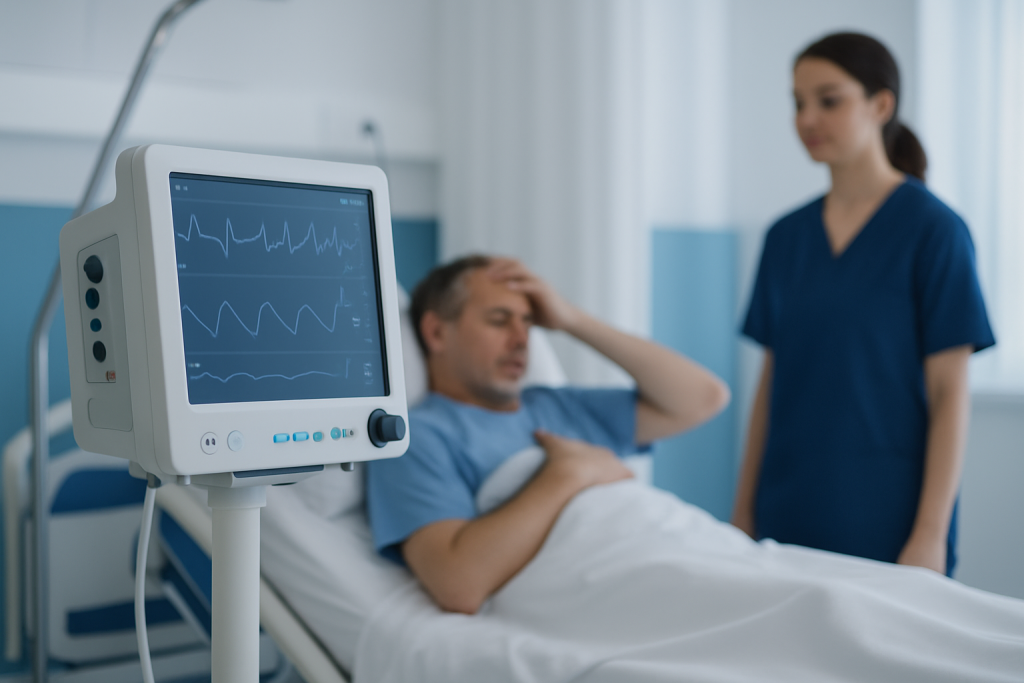
Many infections cause inflammation, which can lead to classic symptoms such as redness, warmth, swelling, and pain. These are especially common with skin and soft tissue infections, infected wounds, or dental infections. Pus, cloudy drainage, or a bad smell from a wound may also suggest infection rather than simple irritation.
General symptoms can affect the whole body. These include fever, chills, sweating, fatigue, loss of appetite, headache, and muscle aches. Some people describe a strong sense that they are “coming down with something.” If these symptoms are getting worse instead of improving, they may need medical assessment.
Other symptoms depend on the body system involved:
- Respiratory tract: cough, sore throat, chest discomfort, wheezing, shortness of breath, or mucus that changes color or amount.
- Urinary tract: burning during urination, frequent urination, urgency, lower abdominal pain, or urine that looks cloudy or smells unusual.
- Digestive tract: vomiting, diarrhea, stomach cramps, nausea, or signs of dehydration.
- Skin: spreading rash, blisters, warmth, tenderness, or a painful lump.
- Ear, eye, or sinus area: pressure, swelling, discharge, worsening pain, or reduced hearing or vision.
Certain symptoms may point to a more serious infection. These include confusion, severe weakness, fainting, bluish lips, difficulty breathing, rapid heartbeat, severe dehydration, or a fever that remains high or returns repeatedly. These warning signs should not be delayed.
How Symptoms Vary by Infection Type

Skin infections often begin with localized redness, tenderness, and swelling. A cut, insect bite, surgical wound, or ingrown hair may become painful, warm, and increasingly inflamed. When redness spreads quickly, red streaks appear, or fever develops, a deeper or more aggressive infection becomes more likely.
Respiratory infections can start with sore throat, runny nose, and cough, but symptoms such as chest pain, shortness of breath, high fever, or worsening fatigue may suggest a more significant illness. A doctor may need to check for problems such as pneumonia if breathing becomes difficult or symptoms do not improve as expected.
Urinary infections often cause burning, urgency, and pelvic discomfort. In some people, especially older adults, the signs may be less typical and may include confusion or weakness. If infection moves toward the kidneys, it can cause back pain, fever, chills, and nausea.
Digestive infections can lead to diarrhea, vomiting, cramping, and poor fluid intake. Eye, ear, and sinus infections may cause localized pain, pressure, discharge, or reduced function in that area. In severe cases, infections can enter the bloodstream and cause widespread symptoms such as low blood pressure, fast breathing, confusion, or extreme illness, which require emergency care.
Causes and Risk Factors
Infections are caused by germs entering the body and multiplying. Bacteria, viruses, fungi, and, less commonly, parasites can all be responsible. Germs may spread through direct contact, respiratory droplets, contaminated food or water, poor wound care, sexual contact, or contact with contaminated surfaces or medical devices.
Some people are more likely to develop infections or experience complications. Risk factors include older age, infancy, diabetes, cancer treatment, chronic lung or kidney disease, a weakened immune system, recent surgery, hospitalization, smoking, poor nutrition, and medicines that suppress immunity. People with long-term catheters or open wounds also have increased risk.
Breaks in the skin are a common entry point. Even a small cut can become infected if it is not cleaned properly or if bacteria enter deeper tissue. Infections can also follow dental problems, viral illnesses, or blockages that trap fluid in areas such as the sinuses or urinary tract.
Travel, exposure to crowded environments, close contact with someone who is ill, and incomplete vaccination can raise the chance of certain infections. Although risk factors matter, healthy people can still develop infections, so persistent or unusual symptoms should always be taken seriously.
Diagnosis and Medical Evaluation
Doctors diagnose infection by combining symptoms, medical history, and physical examination findings. They may ask when symptoms started, whether there has been contact with someone sick, whether there is a wound or recent surgery, and whether the person has other health conditions that increase infection risk.
Testing depends on the suspected location and severity. Common tests include blood tests, urine tests, throat swabs, stool tests, cultures from wounds or body fluids, and viral tests when appropriate. These tests help identify the likely cause and guide treatment decisions, especially when symptoms are severe or do not improve.
Imaging may be useful when the infection is deeper or affecting internal organs. For example, chest imaging can help assess lung infection, while ultrasound or CT scans may be used to look for abscesses, blocked organs, or complications. If a person has severe abdominal pain or persistent digestive symptoms, evaluation for conditions such as appendicitis may also be needed because not all urgent symptoms are due to infection.
Early assessment is especially important when symptoms escalate quickly, involve a very young child or older adult, or occur in someone with reduced immunity. Prompt diagnosis can help prevent dehydration, tissue damage, spread of infection, or bloodstream involvement.
Treatment Options
Treatment depends on the cause, location, and severity of the infection. Viral infections often improve with supportive care such as fluids, rest, and symptom relief, while bacterial infections may require antibiotics. Fungal infections need antifungal treatment. Because different germs respond to different medicines, treatment should be guided by a healthcare professional rather than self-prescribing leftover medication.
Some infections need more than medicine alone. An infected wound may need careful cleaning and dressing changes. A collection of pus may require drainage, and severe infections may call for hospital monitoring, intravenous fluids, or intravenous antibiotics. If a person has a deep skin infection, doctors may assess whether procedures such as wound care and reconstruction are needed as part of recovery.
Supportive care remains important in all cases. This may include drinking enough fluids, treating fever safely, protecting the affected area, and avoiding the spread of germs to others. People with cough or chest symptoms that are severe or prolonged may need specialist review and imaging, and in some situations bronchoscopy can help doctors evaluate airway problems more closely.
When an infection leads to a swollen abscess or severe abdominal symptoms, doctors may consider procedures to remove infected material or treat the underlying cause. In selected cases this may involve abscess drainage. Near the end of the care pathway, centers such as Acibadem International offer multidisciplinary assessment and treatment for international patients in JCI-accredited hospitals when infections or their complications require specialist care.
Prevention and Self-care
Many infections can be reduced through everyday preventive habits. Regular handwashing with soap and water, covering coughs and sneezes, staying up to date with recommended vaccines, and avoiding close contact when ill are basic but effective measures. Food safety, safe water, and proper storage of perishable foods also matter.
Good wound care is another important step. Cuts and scrapes should be cleaned, kept dry and protected, and checked for increasing redness, swelling, pain, or drainage. A person should avoid picking at skin lesions or using unclean tools on the skin or nails, since this can introduce bacteria.
Self-care during a mild infection focuses on rest, hydration, and watching for changes. It can help to note fever, appetite, urine output, and whether pain or swelling is increasing. Over-the-counter symptom relief may be appropriate for some people, but labels should be followed carefully and a pharmacist or doctor consulted when there are medical conditions, pregnancy, or medicines that could interact.
Antibiotics should only be taken when prescribed, and the full course should be used exactly as directed. Using antibiotics when they are not needed will not treat viral infections and may contribute to side effects and antibiotic resistance.
When to See a Doctor
A doctor should be contacted if infection symptoms are severe, are getting worse, or are not improving within a reasonable time. Medical attention is also important for a spreading rash, rapidly increasing redness around a wound, pus, persistent vomiting or diarrhea, burning urination with fever, or a cough that causes breathing trouble or chest pain.
Urgent care is needed for trouble breathing, confusion, severe weakness, fainting, stiff neck, bluish lips, seizures, signs of severe dehydration, or symptoms of possible bloodstream infection such as very fast breathing, a racing heart, and extreme illness. These signs may indicate a serious condition that should not be observed at home.
Babies, older adults, pregnant people, and those with weakened immune systems should seek advice earlier because they may become unwell more quickly or show less typical symptoms. Anyone with an infected wound after surgery, an animal bite, a deep puncture, or a medical device in place should also be assessed promptly.
When in doubt, it is reasonable to ask a qualified doctor for guidance. Early evaluation can bring reassurance when symptoms are mild and can speed treatment when a more serious infection is developing.
Frequently asked questions
What are the first signs of infection?
Early signs of infection often include redness, warmth, swelling, pain, fatigue, or fever. Some people also notice chills, body aches, or unusual discharge from a wound. The exact symptoms depend on where the infection is located.
Can an infection be present without a fever?
Yes, not every infection causes fever. Older adults, young children, and people with weakened immune systems may have subtle symptoms such as confusion, tiredness, poor appetite, or weakness instead. That is why a person’s overall condition matters as much as temperature alone.
How can someone tell if a wound is infected?
A wound may be infected if it becomes more painful, red, swollen, or warm instead of gradually improving. Pus, bad-smelling drainage, fever, or red streaks spreading away from the wound are also warning signs. These symptoms should be checked by a healthcare professional.
When is an infection considered an emergency?
An infection needs urgent attention if it causes trouble breathing, confusion, fainting, severe dehydration, blue lips, seizures, or rapidly spreading redness. A person should also seek emergency care if they look very unwell, cannot keep fluids down, or have symptoms suggesting the infection may be affecting the whole body.
Should antibiotics be started for every infection?
No, antibiotics do not treat every infection. They are useful for many bacterial infections but not for viral illnesses such as most colds or many sore throats. A doctor should decide whether antibiotics are appropriate based on symptoms, examination, and sometimes testing.
How long should infection symptoms be watched at home?
Mild symptoms may be monitored briefly if the person is otherwise well and improving with rest, fluids, and self-care. However, worsening symptoms, persistent fever, increasing pain, spreading redness, or any red-flag warning sign should prompt medical review. If there is uncertainty, it is safer to ask a doctor sooner rather than later.
References
- World Health Organization
- Centers for Disease Control and Prevention
- National Health Service
- Mayo Clinic
- MedlinePlus
This article is for general information only and is not a substitute for professional medical advice. Please consult a qualified doctor about your individual situation.
Explore treatments in Turkey — costs, top hospitals & a free quote
JCI-accredited · board-certified surgeons · reply within 24h
Add us as a Preferred Source to see more of our trusted health content across Google Search, AI Overviews and Discover.
Check your numbers in seconds
BMI, calories, due date, blood pressure and 30+ more clinical calculators — free, instant, doctor-reviewed ranges.