Signs of Infection: Possible Causes and When to Seek Care

Signs of infection vary by body area but often include fever, pain, swelling, redness, fatigue, and changes in normal body function. Viral, bacterial, fungal, and parasitic infections can cause similar early symptoms, so diagnosis depends on the full clinical picture.
Key Takeaways
- Signs of infection vary by body area but often include fever, pain, swelling, redness, fatigue, and changes in normal body function.
- Viral, bacterial, fungal, and parasitic infections can cause similar early symptoms, so diagnosis depends on the full clinical picture.
- Red-flag symptoms include trouble breathing, confusion, severe dehydration, chest pain, a rapidly spreading rash, or worsening symptoms.
- Timely medical evaluation can help identify the cause and guide treatment such as hydration, symptom relief, antibiotics, or other targeted therapy.
- Good hand hygiene, vaccinations, wound care, food safety, and staying home when ill help reduce infection risk.
Signs of infection commonly include fever, chills, fatigue, pain, redness, swelling, cough, diarrhea, or unusual discharge, but the exact pattern depends on where the infection is in the body. Some infections are mild and improve with rest and treatment, while others need prompt medical care, especially if symptoms are severe, spreading, or affecting breathing, thinking, or hydration.
Overview: what signs of infection usually mean
Signs of infection are the body’s response to germs such as viruses, bacteria, fungi, or parasites. Common early clues include fever, chills, tiredness, body aches, swollen lymph nodes, and a general sense of feeling unwell. Many people also notice symptoms linked to one body area, such as a sore throat, cough, painful urination, diarrhea, or redness around a skin wound.
Not every infection causes fever, and not every fever means infection. For example, inflammation from non-infectious conditions can also cause warmth, swelling, and discomfort. This is why doctors look at the full pattern of symptoms, medical history, physical examination, and sometimes tests before deciding what is causing the problem.
The severity of signs of infection can range from mild and self-limited to serious. A simple cold may improve with supportive care, while a lung infection, kidney infection, or spreading skin infection may need prompt treatment. Paying attention to how symptoms begin, how quickly they change, and whether they are getting better or worse can help determine when medical advice is needed.
Common signs of infection by body system
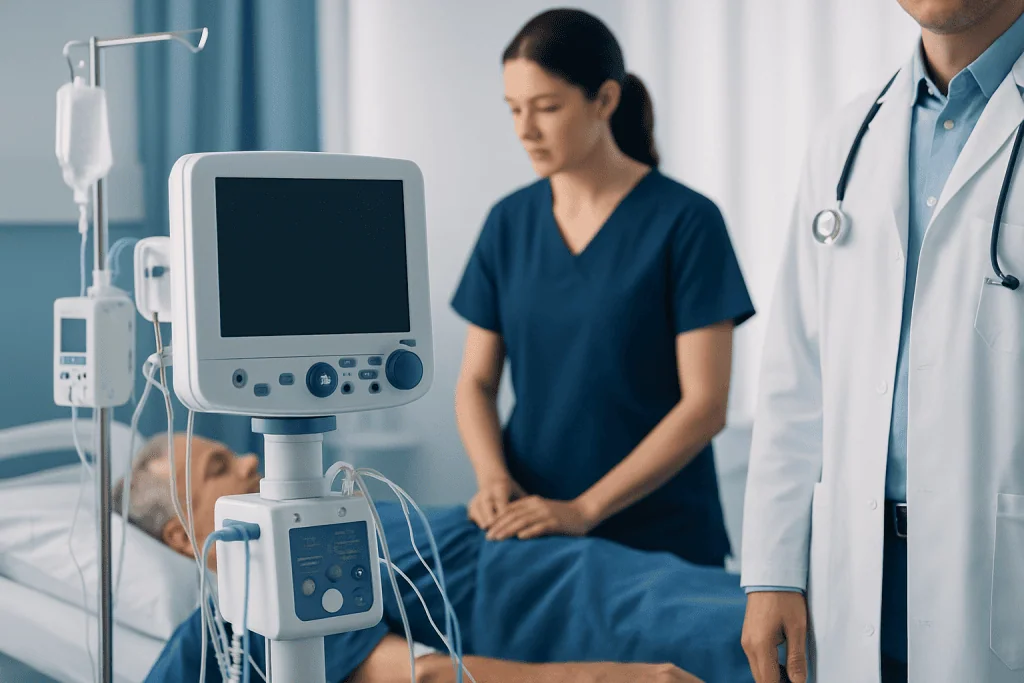
Infections often cause general symptoms because the immune system releases chemicals that affect the whole body. These may include fever, chills, sweating, fatigue, headache, muscle aches, loss of appetite, and feeling weak. In children, older adults, and people with weakened immune systems, symptoms can be less typical and may show up as reduced activity, poor feeding, or confusion rather than high fever.
Local symptoms depend on where the infection is located. Respiratory infections may cause a cough, sore throat, nasal congestion, shortness of breath, or chest discomfort. Digestive infections can lead to nausea, vomiting, diarrhea, abdominal pain, or dehydration. Urinary infections often cause burning with urination, a strong urge to urinate, lower abdominal pain, or cloudy or foul-smelling urine.
Skin and soft tissue infections commonly cause redness, warmth, swelling, tenderness, or pus. Infections in the ears, eyes, or sinuses may cause pain, pressure, discharge, or changes in hearing or vision. A dental infection can cause tooth pain, gum swelling, bad taste in the mouth, or facial swelling.
- Whole-body signs: fever, chills, fatigue, body aches
- Skin signs: redness, warmth, swelling, tenderness, drainage
- Breathing-related signs: cough, sore throat, congestion, shortness of breath
- Digestive signs: vomiting, diarrhea, stomach cramps
- Urinary signs: burning, urgency, pelvic discomfort
Possible causes and risk factors

The most common causes of infection are viruses and bacteria. Viral infections include colds, influenza, and some causes of gastroenteritis. Bacterial infections may affect the throat, lungs, skin, urinary tract, or other organs. Fungal infections are more likely to affect the skin, nails, mouth, or genital area, though they can become serious in people with weakened immunity. Parasites are less common in many settings but can affect the intestines, blood, or skin.
Several factors increase the risk of getting an infection or developing more severe symptoms. These include older age, very young age, diabetes, chronic lung or kidney disease, cancer treatment, immune-suppressing medicines, poor nutrition, recent surgery, open wounds, catheters, and close contact with someone who is ill. Travel, undercooked foods, unsafe water, and exposure to ticks or insects can also change which infections are more likely.
Sometimes the cause is linked to a specific condition or body system. For example, repeated cough and fever may point to pneumonia, while burning urination and pelvic discomfort can suggest a urinary tract infection. A painful, red skin area that is warm and spreading may be due to cellulitis. Recognizing these patterns can help a clinician decide which tests and treatments are most appropriate.
How doctors diagnose the cause
Diagnosis starts with a careful history and examination. A doctor may ask when the symptoms began, whether there has been fever, recent travel, sick contacts, a wound, surgery, sexual exposure, or changes in eating and drinking. They also consider medicines, immune status, and any long-term conditions that could affect the body’s response to infection.
Not every infection needs laboratory testing, especially when the symptoms are mild and typical of a common viral illness. However, tests may be helpful when symptoms are severe, unusual, long-lasting, or focused in one organ system. Depending on the situation, this may include blood tests, urine testing, throat swabs, stool tests, cultures, or imaging such as a chest X-ray or ultrasound.
The goal is not only to confirm that an infection is present, but also to identify where it is, how serious it is, and what type of germ is most likely. This helps avoid unnecessary antibiotics and supports more targeted care. In some cases, specialist evaluation or advanced imaging is needed if symptoms suggest a deeper or more complicated infection.
Treatment options and supportive care
Treatment depends on the cause, location, and severity of the infection. Many viral infections improve with rest, fluids, and measures to relieve symptoms, such as fever control and throat or nasal care. Bacterial infections may require antibiotics, while fungal or parasitic infections need different medicines. It is important that treatment matches the likely cause, because antibiotics do not treat viral illnesses and can contribute to side effects and resistance if used when not needed.
Supportive care is often an important part of recovery. Drinking enough fluids, getting rest, eating as tolerated, and monitoring for worsening symptoms can help the body heal. People with vomiting or diarrhea should watch for dehydration, including dizziness, dry mouth, reduced urination, or unusual sleepiness. Wounds should be kept clean and monitored for increasing redness, swelling, or drainage.
Some infections need procedures in addition to medication. For example, an abscess may need drainage, severe dental infection may need dental treatment, and complicated urinary or abdominal infections may require hospital-based care. If symptoms suggest a serious chest infection, doctors may consider bronchoscopy or imaging in selected cases. When the diagnosis is uncertain, tests such as MRI or CT scanning may help look for deeper sources of infection.
Prevention and self-care at home
Many infections can be reduced through everyday habits. Frequent handwashing, especially before eating and after using the bathroom, remains one of the most effective steps. Covering coughs and sneezes, avoiding close contact when sick, and cleaning high-touch surfaces can also help reduce spread in homes, schools, and workplaces.
Vaccination is another key tool for preventing certain serious infections or reducing their severity. Food safety matters as well: cook meats thoroughly, wash produce, avoid unsafe water, and refrigerate foods properly. Good wound care, skin hygiene, and prompt attention to cuts or insect bites may lower the risk of skin infection.
At home, mild symptoms can sometimes be managed with rest, fluids, and monitoring. However, self-care should not replace medical evaluation when symptoms are severe, persistent, or unusual. People with chronic illness, pregnancy, older age, or weakened immune systems may need earlier advice from a healthcare professional even if symptoms seem mild at first.
When to seek medical care
Medical care is advisable if signs of infection are getting worse, lasting longer than expected, or interfering with normal breathing, eating, drinking, urination, or daily activities. A person should also seek care for high or persistent fever, severe sore throat, a cough with worsening shortness of breath, painful urination with fever, a skin infection that is spreading, or symptoms that return after seeming to improve.
Urgent evaluation is important for chest pain, difficulty breathing, bluish lips, confusion, fainting, severe weakness, a stiff neck, new seizures, or signs of severe dehydration such as very little urination or inability to keep fluids down. Rapidly spreading redness, severe facial swelling, or a rash with fever also deserves prompt medical attention. In infants, older adults, and people with weak immune systems, even subtle changes can signal a more serious infection.
Near the end of the care pathway, some people may need multidisciplinary assessment, especially if the source of infection is unclear or complications are possible. Acibadem International’s multidisciplinary specialists and JCI-accredited hospitals evaluate and treat infections and their underlying causes for international patients when more advanced diagnosis or hospital care is needed.
Frequently asked questions
What are the first signs of infection?
Early signs of infection often include fever, chills, tiredness, body aches, headache, and a general feeling of being unwell. Depending on the location, there may also be cough, sore throat, diarrhea, painful urination, or redness and swelling on the skin.
Can you have an infection without a fever?
Yes. Not all infections cause fever, especially in older adults, people with weakened immune systems, or in mild localized infections. Some people may mainly notice fatigue, pain, cough, drainage, or confusion rather than a high temperature.
How do I know if an infection is viral or bacterial?
Symptoms can overlap, so it is not always possible to tell based on symptoms alone. Doctors look at the pattern of illness, physical findings, duration, and sometimes tests to decide whether a viral or bacterial cause is more likely.
When are signs of infection an emergency?
Emergency care is important for trouble breathing, chest pain, confusion, fainting, seizures, severe dehydration, or a rapidly spreading rash or skin redness. People who are very young, elderly, pregnant, or immunocompromised may also need urgent evaluation sooner.
Should antibiotics be taken for any signs of infection?
No. Antibiotics only treat bacterial infections and do not help viral illnesses such as many colds or flu-like infections. Taking them when they are not needed can cause side effects and make future infections harder to treat.
How long should common infection symptoms last before seeing a doctor?
That depends on the type of symptoms and whether they are improving. Medical advice is wise if symptoms are worsening, not improving after several days, keep returning, or are associated with fever, dehydration, breathing problems, or severe pain.
References
- World Health Organization
- Centers for Disease Control and Prevention
- National Institute of Allergy and Infectious Diseases
- Mayo Clinic
- Merck Manual Consumer Version
This article is for general information only and is not a substitute for professional medical advice. Please consult a qualified doctor about your individual situation.
Persistent digestive symptoms? Get evaluated in Turkey
JCI-accredited · board-certified surgeons · reply within 24h
Add us as a Preferred Source to see more of our trusted health content across Google Search, AI Overviews and Discover.