Sixth Nerve Palsy: Causes of Sudden Horizontal Double Vision

Sixth nerve palsy affects the abducens nerve, which helps one eye move outward. The most common symptom is horizontal double vision that is usually worse when looking to one side or at distant objects.
Key Takeaways
- Sixth nerve palsy affects the abducens nerve, which helps one eye move outward.
- The most common symptom is horizontal double vision that is usually worse when looking to one side or at distant objects.
- Causes range from temporary nerve injury related to diabetes or high blood pressure to infection, inflammation, trauma, or rarely a brain lesion.
- Diagnosis often includes an eye and neurological examination, and some people need imaging or blood tests.
- Treatment focuses on the underlying cause and may also include temporary measures to reduce double vision.
Sixth nerve palsy is a condition that affects the nerve controlling outward eye movement, often leading to sudden horizontal double vision. It can have several causes, so prompt medical assessment helps identify the reason and guide treatment.
Overview
Sixth nerve palsy, also called abducens nerve palsy or cranial nerve VI palsy, happens when the sixth cranial nerve does not work properly. This nerve controls the lateral rectus muscle, which moves the eye outward, away from the nose. When the nerve is weak or interrupted, the affected eye may turn inward slightly and have trouble moving to the side.
The main result is horizontal double vision, meaning two images appear side by side. This often starts suddenly and may be more noticeable when a person looks toward the affected side or focuses on distant objects. Some people also turn their head to keep vision single and more comfortable.
Sixth nerve palsy can occur in adults and children. In some cases, it is temporary and improves as the nerve recovers. In others, it is a sign of an underlying medical problem that needs timely evaluation, which is why new double vision should not be ignored.
Symptoms
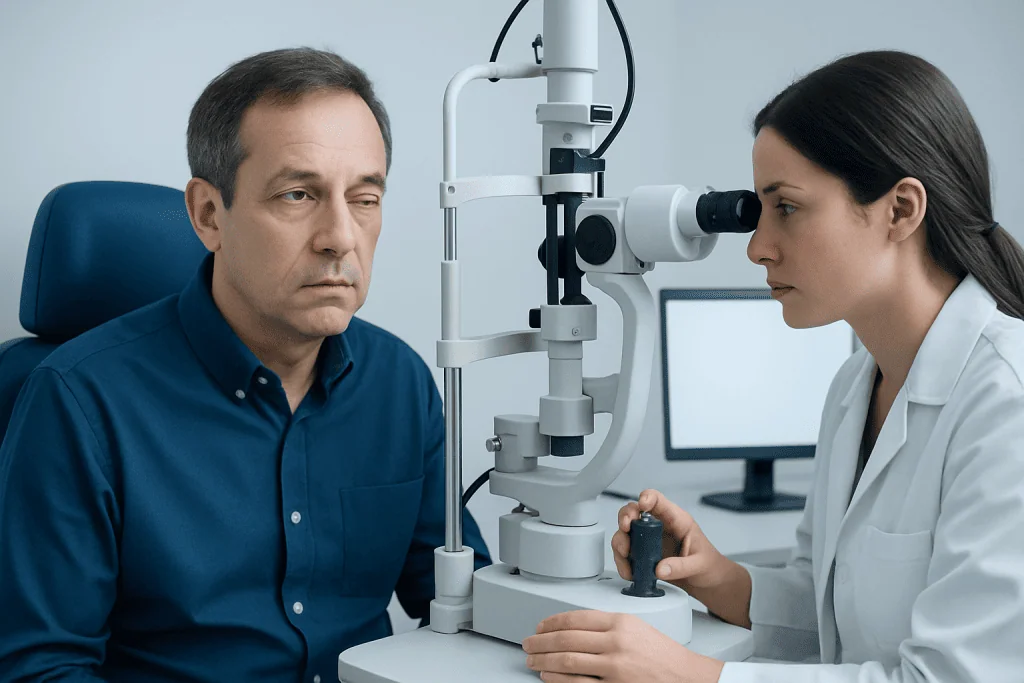
The hallmark symptom of sixth nerve palsy is horizontal double vision. The two images are typically side by side rather than one above the other. Double vision is often worse when looking in the direction of the weak eye muscle and may improve when one eye is covered.
Another common sign is limited outward movement of one eye. Family members or clinicians may notice that one eye does not move fully to the side. Because of this misalignment, the eye may rest slightly inward, especially when looking straight ahead.
People may also develop a compensatory head turn toward the affected side to reduce double vision. Some describe eye strain, trouble reading signs in the distance, or difficulty walking in busy visual environments. In children, symptoms may be less obvious because younger patients sometimes suppress the image from one eye instead of complaining of double vision.
- Sudden horizontal double vision
- Worse symptoms when looking far away or to one side
- Difficulty moving one eye outward
- Inward turning of one eye
- Head turn to keep vision single
Causes and Risk Factors

Sixth nerve palsy has many possible causes because the abducens nerve travels a long course from the brainstem to the eye muscle. In adults, one common reason is reduced blood supply to the nerve, sometimes called a microvascular palsy. This is more likely in people with diabetes, high blood pressure, high cholesterol, or other vascular risk factors.
Other causes include head injury, increased pressure inside the skull, stroke, inflammation, infection, and disorders that affect the brainstem, nerves, or eye socket. Tumors can occasionally affect the nerve along its pathway. In some people, sixth nerve palsy appears together with other neurological or eye symptoms, which can help point to the underlying problem.
In children, causes can differ and may include viral illness, inflammation, trauma, elevated intracranial pressure, or congenital conditions. A child with a new eye movement problem usually needs careful assessment. Depending on the broader picture, doctors may also evaluate for related neurological conditions, including brain tumors or pressure-related problems.
Risk factors do not always mean a person will develop sixth nerve palsy, but they can make certain causes more likely. These include older age, vascular disease, smoking, recent infection, cancer history, trauma, and known neurological disease. Sometimes, despite testing, no clear cause is found initially, and the condition is monitored closely while recovery is assessed.
How It Is Diagnosed
Diagnosis begins with a detailed medical history and examination. The doctor asks when the double vision started, whether it is constant or intermittent, and whether there are associated symptoms such as headache, facial numbness, weakness, imbalance, or pain. A history of diabetes, high blood pressure, head trauma, infection, or cancer is also important.
The examination includes checking vision, pupil reactions, eyelid position, eye alignment, and how the eyes move in different directions. The doctor looks for an outward movement deficit and determines whether one or both eyes are involved. A neuroophthalmic examination can also identify signs that suggest a problem beyond an isolated sixth nerve palsy.
Some people need further testing, especially if the diagnosis is uncertain, symptoms are atypical, both eyes are affected, there are other neurological findings, or recovery does not follow the expected pattern. Tests may include blood work, imaging such as MRI, or sometimes CT scanning when trauma or urgent structural causes are a concern.
Additional testing may be recommended based on age and symptoms. For example, doctors may check blood sugar, inflammatory markers, or signs of infection. If increased intracranial pressure is suspected, more urgent neurological evaluation is needed.
Treatment Options
Treatment for sixth nerve palsy depends on the cause. If it is related to a microvascular problem, the nerve may recover gradually over weeks to months while doctors also manage diabetes, blood pressure, cholesterol, and other vascular risks. If the palsy is caused by infection, inflammation, trauma, increased intracranial pressure, or a structural lesion, treatment is directed at that underlying problem.
While the nerve is healing, doctors may suggest ways to reduce the impact of double vision. These can include patching one eye temporarily, using a temporary lens treatment such as a prism, or changing daily activities to improve safety and comfort. These measures do not cure the nerve problem, but they can help people function more easily during recovery.
If symptoms do not improve or if eye misalignment remains stable after a longer period, more specialized treatment may be considered. Options can include strabismus surgery for persistent eye misalignment in selected cases. Some patients may also benefit from coordinated care involving neurology, ophthalmology, endocrinology, or rehabilitation specialists.
When the cause is related to a broader neurological condition, treatment may involve therapies specific to that disorder. In carefully selected cases, imaging findings or symptoms may lead to referral for procedures or surgery elsewhere in the nervous system. The exact plan is individualized and based on the patient’s age, cause, severity, and recovery pattern.
Recovery, Prevention, and Self-care
Recovery varies widely. Some people recover fully, especially when the palsy is due to a temporary microvascular injury or a reversible cause. Others improve partially or need longer-term support if the nerve damage is more severe or the underlying condition persists.
Self-care focuses on safety, symptom relief, and general health. Covering one eye may help with troubling double vision for short periods, especially during reading, walking outdoors, or travel. Because double vision can affect depth perception, people may need extra caution with driving, stairs, and activities that require precise visual judgment until a doctor says it is safe.
Prevention is not always possible, but managing overall health can lower the risk of some causes. Good control of blood sugar, blood pressure, and cholesterol may reduce the chance of microvascular nerve injury. Prompt treatment of infections, regular eye care, and use of protective measures to prevent head injury are also helpful.
For patients who need more complex assessment, care may involve imaging, neurological review, and eye muscle evaluation in the same pathway. Acibadem International’s multidisciplinary specialists at JCI-accredited hospitals evaluate and treat sixth nerve palsy for international patients when advanced neuroophthalmic care is needed.
When to See a Doctor
Any new double vision deserves medical attention, especially if it starts suddenly. Sixth nerve palsy can be benign and temporary, but it can also signal a condition that needs urgent treatment. An eye doctor, neurologist, or neuroophthalmologist can help determine the cause.
Urgent assessment is particularly important if double vision is accompanied by severe headache, weakness, numbness, difficulty speaking, imbalance, confusion, fever, or recent head injury. These symptoms may point to a more serious neurological or infectious problem. Children with a new eye movement problem should also be assessed promptly.
People should seek follow-up care if symptoms are worsening, not improving, or returning after recovery. Ongoing review helps doctors confirm that healing is happening as expected and decide whether further testing or treatment is necessary.
Frequently asked questions
What is sixth nerve palsy?
Sixth nerve palsy is a problem affecting the abducens nerve, which controls the muscle that moves the eye outward. When the nerve is weak, the eye may not turn properly to the side, leading to horizontal double vision.
Is sixth nerve palsy an emergency?
Not every case is an emergency, but sudden double vision should be assessed promptly. Urgent evaluation is especially important if there is headache, weakness, numbness, fever, trauma, or other neurological symptoms.
Can sixth nerve palsy go away on its own?
Some cases, especially those related to small-vessel circulation problems, can improve on their own over weeks to months. Recovery depends on the cause, so medical follow-up is important even when improvement begins.
What causes sudden horizontal double vision?
Sudden horizontal double vision can happen when the eyes are no longer aligned, as in sixth nerve palsy. Causes may include diabetes-related nerve injury, high blood pressure, trauma, infection, inflammation, increased intracranial pressure, or less commonly a structural brain problem.
How is sixth nerve palsy treated?
Treatment focuses on the underlying cause and may include controlling vascular risk factors, treating infection or inflammation, or addressing pressure-related or structural problems. Temporary patching or prisms may help reduce double vision while the nerve recovers.
Can children get sixth nerve palsy?
Yes, children can develop sixth nerve palsy, although the causes may differ from those in adults. Because children may not describe double vision clearly, any new eye turning or movement problem should be assessed by a doctor.
References
- American Academy of Ophthalmology
- National Eye Institute
- Merck Manual Professional Edition
- National Institute of Neurological Disorders and Stroke
- Mayo Clinic
This article is for general information only and is not a substitute for professional medical advice. Please consult a qualified doctor about your individual situation.
Explore treatments in Turkey — costs, top hospitals & a free quote
JCI-accredited · board-certified surgeons · reply within 24h
Add us as a Preferred Source to see more of our trusted health content across Google Search, AI Overviews and Discover.
Check your numbers in seconds
BMI, calories, due date, blood pressure and 30+ more clinical calculators — free, instant, doctor-reviewed ranges.