Skin Treatments for Pigmentation: Lasers, Peels, and Other Medical Options

Pigmentation treatment works best when the exact cause of discoloration is identified first. Common medical options include prescription creams, chemical peels, lasers, and other energy-based treatments.
Key Takeaways
- Pigmentation treatment works best when the exact cause of discoloration is identified first.
- Common medical options include prescription creams, chemical peels, lasers, and other energy-based treatments.
- Not every treatment suits every skin tone; a personalized plan helps lower the risk of irritation or rebound darkening.
- Daily sun protection is essential before, during, and after treatment.
- Results are often gradual and may require repeat sessions or maintenance care.
Skin treatments for pigmentation aim to reduce uneven darkening such as sun spots, melasma, and post-inflammatory marks. The best approach depends on the cause, skin type, and how deep the pigment sits in the skin.
Overview
Skin pigmentation refers to changes in skin color caused by melanin, the natural pigment that gives skin its tone. When melanin is produced unevenly or deposited in excess, patches of skin may look darker than the surrounding area. These changes are often called hyperpigmentation and can appear as freckles, sun spots, melasma, or marks left behind after acne or eczema.
Skin treatments for pigmentation are medical and cosmetic approaches used to lighten these darker areas and create a more even skin tone. Treatment may involve topical medicines, in-office procedures, or a combination of both. The most suitable choice depends on the type of pigmentation, how long it has been present, the depth of pigment in the skin, and the person’s natural skin tone.
Although pigmentation is usually harmless, it can affect confidence and quality of life. Many people benefit from a careful assessment by a dermatologist, because conditions that look similar on the surface do not always respond to the same therapy. A tailored treatment plan often brings safer and more consistent results than trying multiple products without guidance.
Common Types of Pigmentation and Symptoms
The main symptom is an area of skin that appears darker, brown, gray-brown, or sometimes bluish compared with nearby skin. Pigmentation may be flat and painless, and it can affect small spots or larger patches. It often appears on the face, hands, chest, shoulders, or any area exposed to inflammation or sunlight.
Different patterns can suggest different causes. Melasma often causes symmetrical patches on the cheeks, forehead, upper lip, or jawline. Sun-related pigmentation, sometimes called solar lentigines or age spots, typically appears as well-defined dark spots on chronically sun-exposed skin. Post-inflammatory hyperpigmentation develops after acne, a rash, an injury, or other irritation.
Signs that support medical evaluation include a lesion that changes quickly, has irregular borders, bleeds, itches persistently, or looks very different from other spots. While most pigmentation is benign, some dark lesions may need examination to rule out other skin conditions. When there is uncertainty, a dermatologist may assess the area before recommending treatment.
- Flat dark patches or spots
- Uneven skin tone after acne or inflammation
- Facial discoloration that worsens with sun exposure
- Recurring darkening after heat, hormones, or skin irritation
Causes and Risk Factors

Several factors can trigger or worsen pigmentation. Sun exposure is one of the most common causes because ultraviolet light stimulates melanin production. Even a small amount of daily sunlight can maintain or deepen existing discoloration, especially in melasma and sun spots.
Inflammation is another major trigger. Acne, eczema, cosmetic procedures, friction, and skin injuries can all leave darker marks as the skin heals. Hormonal influences, including pregnancy or the use of certain hormonal medications, can also contribute to melasma. Some medicines and medical conditions may make the skin more sensitive to light or more prone to pigment changes.
Skin tone matters when selecting treatment. People with medium to deep skin tones may be more likely to develop post-inflammatory hyperpigmentation and may also have a higher risk of rebound darkening if treatment is too aggressive. This does not mean treatment is unsafe, but it does mean that experienced assessment, careful settings, and a gradual approach are especially important.
How Pigmentation Is Diagnosed
Diagnosis usually begins with a skin history and physical examination. A doctor may ask when the pigmentation started, whether it changes with sun exposure, pregnancy, acne, or skincare products, and whether any previous treatments caused irritation. This background often helps identify the likely cause and the safest treatment path.
During the examination, the doctor looks at the color, pattern, borders, and location of the pigmentation. In some cases, a Wood’s lamp or dermatoscope may be used to assess whether pigment is more superficial or deeper in the skin. This matters because superficial pigment often responds better to topical therapies and peels, while deeper pigment can be more challenging and may require a combination approach.
If a lesion appears unusual, a doctor may recommend further evaluation rather than cosmetic treatment alone. Some people with darker patches may actually have another skin disorder, and management may need to focus on the underlying condition first. This is why a professional diagnosis is an important step before using lasers or strong peeling agents.
Treatment Options: Creams, Peels, Lasers, and More
Topical treatment is often the first step for many types of pigmentation. Doctors may recommend lightening agents, retinoids, azelaic acid, or other prescription and medical-grade products to gradually reduce excess pigment. These products generally work over weeks to months and are commonly combined with strict sun protection. They are especially useful for melasma and post-inflammatory marks, although they can irritate sensitive skin if used too aggressively.
Chemical peels use carefully selected acids to exfoliate the upper layers of skin and help disperse superficial pigment. A chemical peel may be considered for acne marks, dullness, and some cases of sun-related discoloration. Peels vary in depth and strength, and lighter peels are often preferred initially, particularly for patients with darker skin tones or melasma, because overly strong treatment can worsen pigmentation.
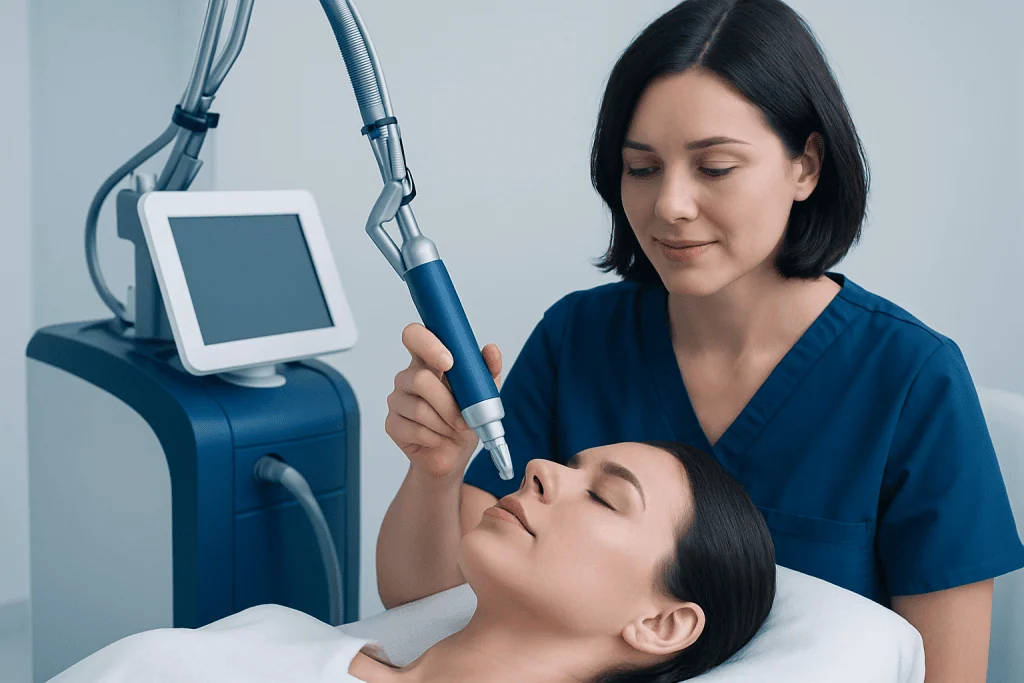
Laser and light-based procedures can target pigment more directly. Options may include pigment-specific lasers, fractionated devices, or selected light therapies depending on the diagnosis. In some patients, laser treatment can improve stubborn sun spots or localized pigmentation that has not responded to creams. However, melasma can be more unpredictable, and laser is usually chosen with caution because heat and inflammation may trigger recurrence in some individuals.
Additional approaches may include microneedling, combination topical therapy, or treatment of related skin issues such as acne or redness. In selected cases, doctors may coordinate pigmentation treatment with broader dermatology care to reduce inflammation and prevent new marks from forming. The most effective plans usually combine treatment of existing pigment with prevention of future triggers.
What to Expect During and After Treatment
Expectations vary depending on the method used. Topical therapies usually require consistent daily use and may show gradual improvement rather than immediate change. In-office peels and lasers are often performed in sessions, with the skin reassessed between visits to monitor response and tolerance.
After treatment, temporary redness, dryness, flaking, or mild swelling can occur. Some dark spots may look temporarily darker before they fade, especially after certain laser or light procedures. The skin usually needs gentle care while it heals, including a mild cleanser, moisturizer, and broad-spectrum sunscreen. Picking, scrubbing, or using multiple strong products at once can increase irritation and worsen discoloration.
Results depend on the depth and cause of pigment, as well as daily sun exposure and adherence to aftercare. Sun spots may respond relatively well, while melasma often requires long-term management and maintenance. Improvement is often meaningful but may not be permanent unless triggers such as ultraviolet light, heat, friction, and inflammation are controlled.
Prevention and Self-care
Sun protection is the foundation of both treatment and prevention. Daily use of a broad-spectrum sunscreen, along with hats, shade, and sun-protective clothing, can help stop existing pigment from deepening and reduce the chance of recurrence. For many patients, sunscreen is not an optional extra but a central part of successful pigmentation care.
Gentle skincare also matters. Harsh scrubs, overuse of acids, and frequent product changes can irritate the skin and trigger post-inflammatory hyperpigmentation. It is often better to follow a simple routine with a mild cleanser, moisturizer, and doctor-recommended active ingredients than to layer many potentially irritating products.
Preventing the original trigger can also limit new marks. For example, treating acne early, avoiding picking or squeezing spots, and controlling inflammatory skin conditions can lower the risk of leftover dark patches. People with melasma may also benefit from discussing hormonal triggers with their doctor when relevant. Near the end of a treatment journey, some patients seek coordinated follow-up through centers such as Acibadem International, where multidisciplinary specialists in JCI-accredited hospitals diagnose and treat skin conditions for international patients.
When to See a Doctor
A doctor should be consulted when pigmentation appears suddenly, changes shape or color, or does not match a person’s usual pattern of spots. Medical review is also important if over-the-counter products have not helped, if the skin becomes irritated, or if the pigmentation keeps returning after treatment.
Anyone considering peels, lasers, or prescription therapies can benefit from professional assessment first. This is especially true for people with sensitive skin, darker skin tones, melasma, active acne, or a history of scarring, because treatment needs to be customized to lower the risk of complications.
Early guidance can save time and help avoid setbacks. A doctor can identify the likely cause, recommend a realistic plan, and explain which options are best suited for the person’s skin type, goals, and daily routine.
Frequently asked questions
What is the best treatment for skin pigmentation?
The best treatment depends on the cause of the pigmentation, the person's skin tone, and how deep the pigment is in the skin. Many people do well with a combination of sunscreen, topical medicines, and selected in-office procedures such as peels or lasers.
Do laser treatments remove pigmentation permanently?
Laser treatments can significantly improve some types of pigmentation, especially sun spots, but results are not always permanent. Pigment can return if the underlying trigger continues, particularly with sun exposure or melasma.
Are chemical peels safe for dark skin?
Chemical peels can be safe for darker skin tones when they are chosen carefully and performed by an experienced clinician. Gentler peels and gradual treatment plans are often preferred to reduce the risk of irritation and post-inflammatory darkening.
How long does it take to see results from pigmentation treatment?
Topical treatments often take several weeks to a few months to show visible improvement. Peels and lasers may work more quickly for some spots, but most people still need more than one session and ongoing sun protection.
Can pigmentation come back after treatment?
Yes, pigmentation can return, especially if the cause is ongoing. Sun exposure, hormones, heat, and skin inflammation are common reasons for recurrence, which is why maintenance care and sunscreen are important.
Is pigmentation treatment painful?
Most treatments are tolerable, though the sensation varies by procedure. Topical products may cause mild stinging or dryness, while peels and lasers can cause temporary discomfort that usually settles soon after treatment.
References
- American Academy of Dermatology
- British Association of Dermatologists
- National Health Service
- Mayo Clinic
- DermNet
This article is for general information only and is not a substitute for professional medical advice. Please consult a qualified doctor about your individual situation.
Explore treatments in Turkey — costs, top hospitals & a free quote
JCI-accredited · board-certified surgeons · reply within 24h
Add us as a Preferred Source to see more of our trusted health content across Google Search, AI Overviews and Discover.

More from the Health Library



Related Specialists

Prof. Dr. Remzi Tözün
Orthopedic Surgery & Traumatology
Dt. Yeliz Çavuşoğlu Yüce
Oral & Dental Health
Dr. Asiye Merve Erdoğan
Otorhinolaryngology
Dr. Abdullah Doğan
Cardiovascular Surgery