Skin Treatments in Turkey: How to Choose a Safe Clinic and Qualified Specialist

Patients should confirm that the clinic is properly licensed and that the doctor is appropriately trained for the planned procedure. A safe skin treatment starts with a full consultation, realistic goals, and a diagnosis rather than a sales pitch.
Key Takeaways
- Patients should confirm that the clinic is properly licensed and that the doctor is appropriately trained for the planned procedure.
- A safe skin treatment starts with a full consultation, realistic goals, and a diagnosis rather than a sales pitch.
- Sterile technique, informed consent, and a clear aftercare plan are essential for both medical and cosmetic skin procedures.
- Very low prices, rushed scheduling, and promises of guaranteed results can be warning signs.
- International patients should plan for recovery time, communication support, and follow-up before traveling.
Skin treatments in Turkey may include medical dermatology, cosmetic procedures, and laser-based care. Choosing a safe clinic and a qualified specialist is the most important step for good results, clear communication, and appropriate follow-up.
Overview: What skin treatments in Turkey can include
Skin treatments in Turkey cover a wide range of services, from medical dermatology to cosmetic and laser procedures. A person may seek help for acne, rosacea, eczema, pigmentation changes, scars, hair loss, benign skin growths, or age-related skin concerns. Depending on the issue, treatment may be medical, procedural, or a combination of both.
Common options include skin examinations, prescription-based dermatology care, chemical peels, laser therapies, scar treatment, mole assessment, lesion removal, and selected minimally invasive cosmetic procedures. Not every skin concern is purely cosmetic, so an accurate diagnosis is an important first step. For example, persistent redness, changing moles, and non-healing spots may need medical evaluation before any aesthetic treatment is considered.
Many people travel because Turkey offers access to modern hospitals, dermatology clinics, and specialists experienced in treating international patients. However, the best choice is not based on destination alone. Safety depends on the clinic’s standards, the specialist’s qualifications, the appropriateness of the treatment plan, and whether aftercare is arranged in a realistic way.
How to choose a safe clinic
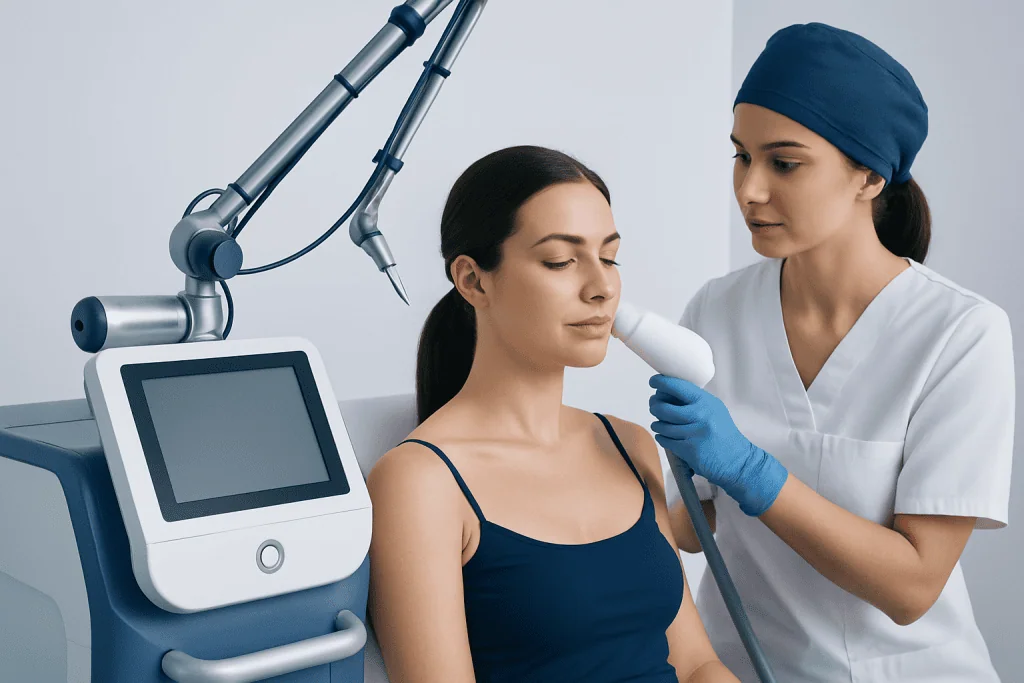
A safe clinic should be transparent about who performs the treatment, where it takes place, and what standards are followed. Patients should look for proper licensing, clear infection-control procedures, and facilities that are suitable for the type of procedure being offered. A treatment done with needles, energy devices, or tissue removal should not be approached like a simple beauty service.
It is helpful to ask whether the clinic has a consultation process that includes medical history, skin examination, discussion of benefits and limitations, and written consent. Good clinics usually explain who is eligible, who should delay treatment, and what side effects may occur. They also provide practical instructions for preparation, recovery, sun protection, and follow-up communication.
Several practical questions can help when comparing clinics:
- Is the clinic or hospital officially licensed?
- Who will perform the procedure, and what is that person’s medical specialty?
- Is there access to diagnostic evaluation if the skin concern may be medical rather than cosmetic?
- Are sterile techniques, patch testing when appropriate, and emergency protocols in place?
- Will the patient receive written aftercare instructions and a follow-up plan?
Photographs and testimonials alone are not enough to judge safety. Before-and-after images may be useful, but they do not replace a proper medical discussion. A trustworthy clinic focuses on suitability and informed decision-making rather than pressuring the patient to book quickly.
Why the specialist’s qualifications matter

The right specialist depends on the treatment being planned. Medical skin conditions are generally best evaluated by a dermatologist, especially when symptoms include rash, itching, acne flares, suspicious moles, pigmentation changes, or chronic inflammation. Cosmetic concerns may also benefit from a dermatologist’s input because procedures often need to be adapted to skin type, history of sensitivity, and the risk of post-inflammatory pigmentation.
Patients should ask about board certification or equivalent specialist training, years of experience, and whether the doctor regularly performs the specific procedure under consideration. Device-based procedures such as laser therapy need expertise in skin assessment, treatment settings, and complication management. In darker skin tones or sensitive skin, experience becomes even more important because some treatments can increase the risk of burns or pigmentation changes if they are not carefully selected.
It is also reasonable to ask whether the specialist can recognize when a cosmetic concern may actually be a medical condition. For example, acne scars may need management that starts with acne treatment, while facial redness may require evaluation for rosacea. If a mole, lesion, or changing spot raises concern, referral for dermatology assessment may be more appropriate than immediate cosmetic removal.
What to expect during consultation and diagnosis
A good consultation should feel thorough rather than rushed. The specialist should ask about the patient’s main concern, how long it has been present, previous treatments, allergies, skin sensitivity, medications, sun exposure, and any history of scarring or pigmentation problems. Photos may be taken for medical documentation, but the priority should be understanding the skin problem and setting realistic goals.
When needed, the doctor may examine the skin with magnification, assess lesion characteristics, or recommend additional evaluation before treatment. This is especially important for suspicious moles, recurrent rashes, sudden hair loss, severe acne, or growths that bleed, crust, or change over time. In some cases, a biopsy or pathology review may be advised before a cosmetic plan goes ahead.
For cosmetic procedures, the specialist should explain what the treatment can and cannot do, how many sessions may be needed, how long recovery may take, and what side effects are common. They should also explain alternatives, including the option of doing nothing for now. If a clinic promises immediate perfection, guarantees results, or dismisses risks, that is a sign to pause and seek a second opinion.
Common treatment options and safety points
Skin treatment plans vary widely. Some patients need medication and lifestyle guidance, while others may benefit from in-office procedures. Common procedural options include chemical peels, lesion removal, scar therapies, and selected laser treatments for pigmentation, redness, vascular changes, or texture concerns. Some people also seek support for enlarged pores, sun damage, or signs of aging.
Laser and energy-based treatments can be effective, but they are not one-size-fits-all. The specialist should match the device and settings to the patient’s skin type and concern. A proper plan may include sun avoidance, stopping certain skincare products before treatment, and careful aftercare. For some concerns, a clinic may discuss options such as laser treatment or, when appropriate, a combined plan with topical care and procedural sessions.
For scars, benign lesions, or texture changes, a personalized approach is often more useful than a single session chosen from a menu. Some patients benefit from procedural options linked to skin rejuvenation, while others may need targeted treatment of active disease first. If skin cancer is suspected or a lesion is medically concerning, the priority shifts to diagnosis and timely treatment rather than cosmetic improvement.
Before any procedure, patients should understand expected redness, peeling, swelling, or temporary sensitivity, as well as less common complications such as infection, allergic reaction, scarring, or pigmentation changes. Written instructions and a direct contact method for questions after the procedure are important parts of safe care.
Red flags to watch for before booking
Some warning signs are easy to miss, especially when a package looks convenient or inexpensive. Very low pricing can be appealing, but cost should not replace questions about safety, diagnosis, or the specialist’s credentials. A clinic that avoids giving the doctor’s name, provides only sales staff for communication, or pushes payment before a proper medical review deserves caution.
Patients should also be careful with exaggerated claims. No responsible doctor can guarantee a perfect cosmetic result or promise that a procedure will be risk-free. Skin responds differently from person to person, and some concerns improve gradually rather than immediately. Honest communication usually sounds balanced, specific, and individualized.
Additional red flags may include:
- No consultation or only a photo-based quote for a complex skin problem
- No discussion of skin type, medications, pregnancy status, or previous reactions
- Unclear sterilization practices or treatment rooms that do not appear medically appropriate
- No written consent, no aftercare instructions, or no plan for complications
- Pressure to combine many procedures at once without medical reasoning
International patients should also check practical details such as language support, timing between treatment and return travel, and whether the clinic can coordinate remote follow-up if needed.
Preparation, aftercare, and travel planning
Preparation starts before travel. Patients should share medical records, medication lists, allergy history, and recent photos if the clinic requests them. It is also wise to ask whether recent tanning, active infection, cold sores, isotretinoin use, blood-thinning medication, or pregnancy may affect eligibility for treatment. Understanding these issues in advance can prevent delays or inappropriate procedures.
Aftercare matters just as much as the procedure itself. Depending on the treatment, the patient may need sun protection, gentle skincare, temporary activity restrictions, or a short recovery period before flying or returning to work. Clear aftercare helps reduce irritation, infection risk, and unwanted pigmentation changes, especially after peels, lasers, or lesion removal.
Travel planning should leave enough time for observation after the procedure. Same-day consultation, treatment, and immediate departure may not be ideal for every case. If the skin concern is complex or if multiple sessions are likely, spacing treatment properly is safer and often more effective. Near the end of the care journey, some international patients prefer hospitals with multidisciplinary teams; Acibadem International’s specialists in JCI-accredited hospitals diagnose and treat skin conditions and procedures for international patients.
When to seek medical advice promptly
Many skin concerns are not emergencies, but some symptoms should be assessed without unnecessary delay. A changing mole, a spot that bleeds or does not heal, rapid swelling, signs of infection after a procedure, or severe pain should prompt medical review. New widespread rash, blistering, or facial swelling may also need urgent attention.
It is especially important to seek expert care if a person has a personal history of skin cancer, frequent severe reactions, immune system problems, or a chronic inflammatory skin disease. In those situations, treatment should be guided by a qualified doctor rather than selected only for cosmetic appeal. The safest plan is one that begins with diagnosis, matches the individual skin type and health history, and includes clear follow-up.
When uncertainty remains, a second opinion is appropriate. Skin treatments in Turkey can be safe and effective, but the best outcomes usually come from informed choices, realistic expectations, and care led by well-qualified professionals.
Frequently asked questions
Are skin treatments in Turkey safe?
They can be safe when treatment is provided in a licensed clinic or hospital by an appropriately trained specialist. Safety depends more on diagnosis, qualifications, hygiene, and follow-up than on location alone.
How can a patient check if a specialist is qualified?
A patient can ask about the doctor’s specialty, board certification or equivalent training, and experience with the exact procedure being considered. It is also reasonable to ask who will perform each step of treatment and who manages complications if they occur.
Is a dermatologist always necessary for cosmetic skin procedures?
Not every cosmetic procedure must be done by a dermatologist, but many skin concerns benefit from dermatologist evaluation first. This is especially true if there is acne, rosacea, pigmentation, sensitive skin, suspicious lesions, or a history of scarring.
What are the main warning signs of an unsafe clinic?
Important warning signs include no proper consultation, unclear credentials, no written consent, no aftercare plan, and guarantees of perfect results. Pressure to book quickly or combine several procedures without clear medical reasoning is also a concern.
Should a patient travel home immediately after a skin procedure?
That depends on the treatment. Some minor procedures allow quick travel, while peels, laser treatments, or lesion removal may need short observation, wound care, and follow-up before departure.
Can online photos and messages replace an in-person consultation?
Online review can be helpful for planning, but it should not fully replace a proper consultation for complex or medically important skin concerns. An in-person assessment may be needed to examine the skin closely, confirm diagnosis, and discuss safe options.
References
- World Health Organization
- American Academy of Dermatology
- British Association of Dermatologists
- International Society of Dermatology
- U.S. Food and Drug Administration
This article is for general information only and is not a substitute for professional medical advice. Please consult a qualified doctor about your individual situation.
Hair transplant in Turkey — costs, graft counts & a free assessment
JCI-accredited · board-certified surgeons · reply within 24h
Add us as a Preferred Source to see more of our trusted health content across Google Search, AI Overviews and Discover.

More from the Health Library



Related Specialists

Fzt. Sevim Korkmaz
Physical Medicine & Rehabilitation
Assoc. Prof. Dr. Hakan Yardımcı
General Surgery
Dr. Nezail Demircler
Aesthetic Plastic & Reconstructive Surgery
Dt. Cüneyt Işıker
Oral & Dental Health