Skincare Treatments for Uneven Tone and Dark Spots: What Works Best?

Dark spots and uneven tone can result from sun exposure, acne, inflammation, hormones, or skin injury. Daily broad-spectrum sunscreen is one of the most important steps in preventing and treating pigmentation.
Key Takeaways
- Dark spots and uneven tone can result from sun exposure, acne, inflammation, hormones, or skin injury.
- Daily broad-spectrum sunscreen is one of the most important steps in preventing and treating pigmentation.
- Topical ingredients, chemical peels, lasers, and microneedling may help, but treatment should be tailored to skin type and the cause of discoloration.
- Results usually take time, and over-treating the skin can worsen irritation and pigmentation.
- A dermatologist can help identify the cause and recommend the safest treatment plan.
Skincare treatments for uneven tone and dark spots can improve discoloration, but the best approach depends on what is causing the pigment change. A careful routine, daily sun protection, and the right professional treatments often work better than trying many products at once.
Overview
Skincare treatments for uneven tone and dark spots are designed to reduce areas of excess pigment and help the skin look more even. These concerns are very common and may appear as sun spots, acne marks, patches of discoloration, or a generally dull, blotchy complexion. Although many products promise quick improvement, the best results usually come from understanding the cause first.
Uneven tone is not one single condition. It can include freckles that darken with sun exposure, post-inflammatory marks after acne or eczema, hormonally influenced melasma, or age-related sun damage. Because these causes behave differently, the most effective treatment for one person may not be right for another.
In most cases, improvement takes consistency rather than harsh treatment. Gentle skin care, sun protection, and carefully chosen active ingredients are often the foundation. For deeper or more stubborn pigmentation, a dermatologist may recommend office-based procedures such as peels, light-based therapies, or other targeted options.
What Causes Uneven Tone and Dark Spots?
Dark spots develop when the skin produces extra melanin, the pigment that gives skin its color. This process can be triggered by ultraviolet light, inflammation, hormonal changes, friction, or skin injury. Some people are also naturally more prone to pigmentation, especially those with medium to deep skin tones or a history of melasma.
Common causes include sun spots from long-term ultraviolet exposure, acne marks known as post-inflammatory hyperpigmentation, and melasma, which often appears in patches on the cheeks, forehead, or upper lip. Irritation from aggressive exfoliation, picking at blemishes, or using unsuitable cosmetic products can also lead to discoloration. In some cases, redness from inflammation may be mistaken for pigmentation, so an accurate diagnosis matters.
Risk factors often include:
- Frequent sun exposure or tanning
- Acne, eczema, or other inflammatory skin conditions
- Hormonal influences such as pregnancy or some medications
- Darker skin tones, which may develop more noticeable post-inflammatory pigment
- Skin irritation from harsh treatments or injury
- Family history of melasma or other pigment concerns
How Dark Spots Are Evaluated
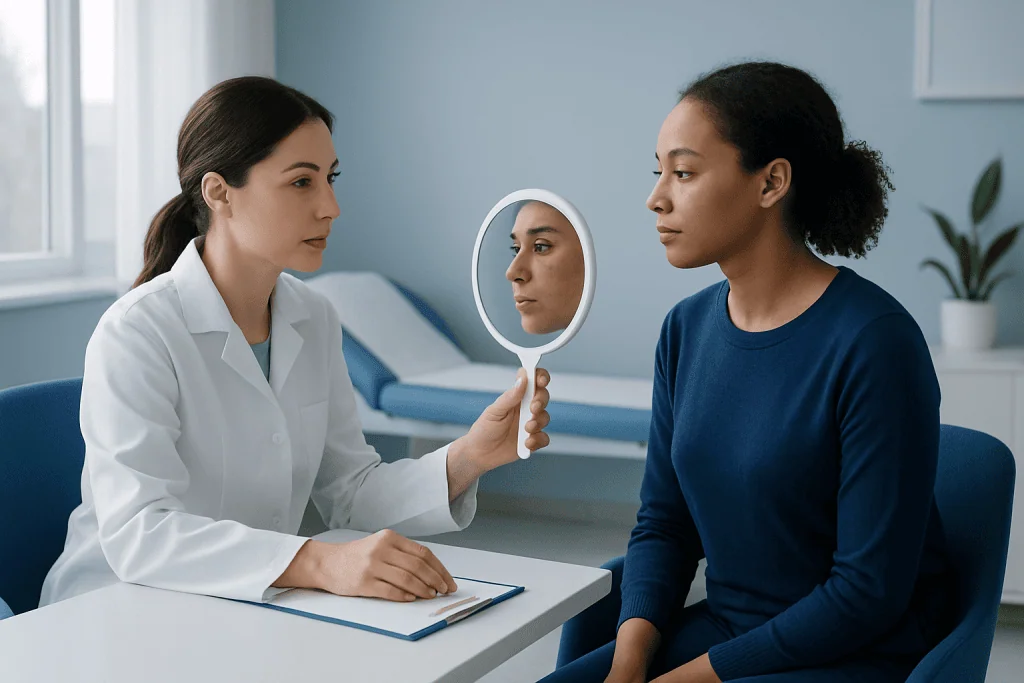
Before choosing treatment, a dermatologist usually examines the skin closely and asks when the spots appeared, whether they followed acne or irritation, and if they worsen with sun exposure. Skin type, previous reactions to products, and any hormonal or medication-related factors can help explain why pigmentation developed and which treatments are likely to be safest.
Diagnosis is often made through a clinical skin examination. In selected cases, a specialist may use special lighting or magnification to assess whether pigment lies more superficially or deeper in the skin. This can influence how well topical products or procedures are likely to work.
Not every dark mark is harmless pigment. Spots that change rapidly, bleed, itch persistently, have irregular borders, or look very different from others should be assessed promptly. If there is any uncertainty about whether a lesion is cosmetic pigmentation or another skin condition, further evaluation may be needed before treatment begins.
Topical Skincare Treatments That Often Help
For many people, the first step is a consistent home routine. Dermatologists often recommend broad-spectrum sunscreen every day, because ultraviolet exposure can deepen existing spots and trigger new ones. Even highly effective brightening products tend to work poorly if sun protection is inconsistent. Gentle cleansing and regular moisturizing also support the skin barrier and reduce the risk of irritation-related pigmentation.
Several active ingredients may help fade discoloration over time. Depending on the skin concern, a clinician may suggest vitamin C, niacinamide, azelaic acid, retinoids, tranexamic acid, kojic acid, or hydroquinone under medical guidance. Exfoliating acids such as glycolic acid, lactic acid, or salicylic acid may also improve surface unevenness, but using too many actives together can irritate the skin and make dark spots worse.
Results from topical care are usually gradual and often become clearer after weeks to months rather than days. Treatment is typically more successful when products are introduced slowly and chosen based on the cause of pigmentation. Someone dealing with acne marks may benefit from a different routine than a person with melasma or sun spots.
Common supportive skincare steps include:
- Daily broad-spectrum sunscreen with regular reapplication when outdoors
- A gentle cleanser that does not strip the skin
- A moisturizer to protect the skin barrier
- One or two targeted brightening ingredients rather than many strong products at once
- Avoiding picking, rubbing, or over-exfoliating the skin
Professional Treatments: Peels, Lasers, and More
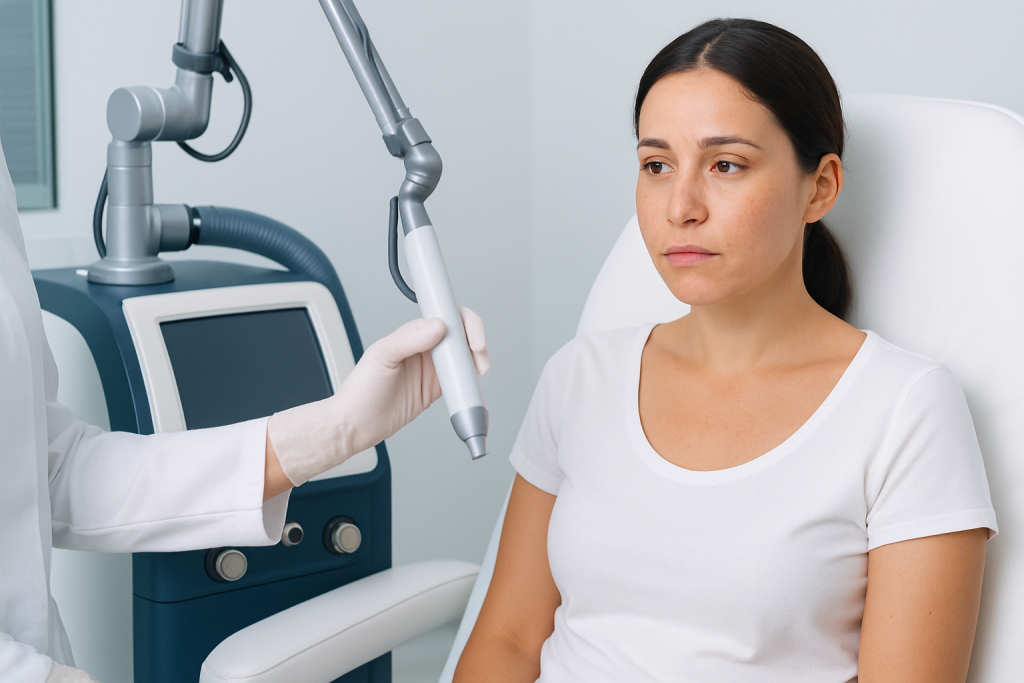
When dark spots are stubborn, widespread, or deeper in the skin, office-based procedures may be considered. These can include superficial chemical peels, light and laser treatments, and carefully selected resurfacing techniques. The aim is to reduce excess pigment while protecting the surrounding skin, especially in people who are more prone to post-inflammatory hyperpigmentation.
Chemical peels can help improve superficial discoloration by encouraging controlled exfoliation. They are often used for acne marks, mild sun damage, and texture concerns. Depending on the person and the cause of pigmentation, a dermatologist may also discuss chemical peels as part of a broader treatment plan, usually combined with sun protection and home care.
Laser and light-based approaches may be useful for selected types of pigmentation, but they are not suitable for every dark spot and should be chosen carefully. Melasma, for example, can be particularly challenging and may worsen if treated too aggressively. In experienced hands, laser skin resurfacing or pigment-targeting devices may help certain patients, while others may be better served by topical therapy first.
Some people also benefit from procedures that support skin renewal and texture, such as microneedling, especially when uneven tone is accompanied by acne scarring. These treatments are usually planned gradually, with attention to skin type, recent sun exposure, and the risk of irritation. A specialist may also evaluate whether related conditions such as melasma or acne are contributing to ongoing discoloration.
How to Choose the Best Treatment Plan
The best treatment is not always the strongest one. It is the one that matches the cause of pigmentation, the depth of the discoloration, the person’s skin tone, and how sensitive the skin is. For example, acne-related marks may improve with acne control and a retinoid, while sun spots may respond better to targeted procedures. Melasma often needs a long-term maintenance approach with strict sun protection.
Skin type matters because some procedures and strong ingredients can trigger additional pigmentation in more reactive or darker skin tones. This does not mean treatment is impossible. It means the plan should be more thoughtful, often starting gently and focusing on minimizing inflammation while fading pigment gradually.
A realistic timeline is important. Many patients see gradual change rather than immediate clearing, and maintenance is often needed to keep results. A clinician may recommend taking progress photos in consistent lighting, simplifying the routine, and changing only one major treatment at a time so that the skin can be monitored safely.
Prevention and Self-care
Preventing new spots is just as important as treating existing ones. Daily sun protection remains the most reliable preventive step. This includes broad-spectrum sunscreen, shade when possible, and protective measures such as hats and sunglasses. Visible light and heat can also worsen some forms of pigmentation, particularly melasma, so reducing prolonged direct exposure can help.
Gentle skin habits also matter. Squeezing blemishes, scrubbing the face, and layering many active products can irritate the skin and leave more discoloration behind. A simpler routine is often more effective than a complicated one, especially when the skin barrier is already sensitive.
People who are prone to pigmentation may benefit from using non-irritating products consistently and treating acne, eczema, or rashes early before marks develop. Near the end of a care pathway, some patients may choose specialist evaluation at centers such as Acibadem International, where multidisciplinary specialists in JCI-accredited hospitals diagnose and treat skin concerns for international patients.
When to See a Doctor
A doctor should be consulted if dark spots appear suddenly, spread quickly, or do not improve with a careful skincare routine. Professional advice is also helpful when discoloration follows persistent acne, pregnancy-related hormonal changes, inflammation, or cosmetic procedures. Early guidance can prevent irritation from trial-and-error treatment.
Medical review is especially important if a spot changes shape or color, has uneven borders, becomes raised, bleeds, or looks noticeably different from other marks. These features do not always mean something serious, but they should not be treated as ordinary pigmentation without proper assessment.
People with sensitive skin, deeper skin tones, or a history of melasma often benefit from individualized care before starting peels or lasers. A dermatologist can explain which treatments are most likely to help, which ones may carry a higher risk of worsening pigment, and how to build a safe long-term plan.
Frequently asked questions
What is the main cause of dark spots on the skin?
Dark spots usually develop when the skin makes extra pigment after sun exposure, inflammation, acne, or hormonal changes. In many people, more than one factor is involved, so treatment works best when the underlying trigger is identified.
Do dark spots go away on their own?
Some dark spots fade gradually, especially mild post-inflammatory marks. However, many persist for months or longer, and conditions like melasma or sun damage often need ongoing care and sun protection to improve.
Which skincare ingredients are commonly used for uneven skin tone?
Commonly used ingredients include sunscreen, vitamin C, niacinamide, azelaic acid, retinoids, and exfoliating acids. A dermatologist may also prescribe stronger options when needed, but combining too many active products can irritate the skin.
Are lasers always the best treatment for dark spots?
No. Lasers can be helpful for selected cases, but they are not the best choice for every type of pigmentation. Some conditions, especially melasma or skin prone to post-inflammatory hyperpigmentation, may worsen if treatment is too aggressive.
How long does it take to see improvement?
Improvement is usually gradual and often takes several weeks to months, depending on the cause and the treatment used. Deeper pigmentation and hormonally driven conditions may take longer and often require maintenance.
Is sunscreen really necessary if someone is treating dark spots indoors?
Yes. Daily broad-spectrum sunscreen is a key part of treatment because incidental daylight exposure can maintain or worsen pigmentation. Without sun protection, even effective brightening treatments may give limited results.
References
- American Academy of Dermatology
- National Health Service
- Mayo Clinic
- British Association of Dermatologists
- American Society for Dermatologic Surgery
This article is for general information only and is not a substitute for professional medical advice. Please consult a qualified doctor about your individual situation.
Explore treatments in Turkey — costs, top hospitals & a free quote
JCI-accredited · board-certified surgeons · reply within 24h
Add us as a Preferred Source to see more of our trusted health content across Google Search, AI Overviews and Discover.