Skinny Penis: A Complete Medical Overview
Penile girth varies widely, and a thinner appearance alone usually does not indicate a health problem. Erection quality, body weight, temperature, anxiety and viewing angle can temporarily affect how the penis looks.
Key Takeaways
- Penile girth varies widely, and a thinner appearance alone usually does not indicate a health problem.
- Erection quality, body weight, temperature, anxiety and viewing angle can temporarily affect how the penis looks.
- New narrowing, indentation, curvature, pain or erectile difficulties may need assessment by a urologist.
- There are no proven pills, creams or exercises that safely and permanently increase penile girth.
- A clinician can discuss sexual function, accurate measurement and appropriate options without judgment.
A skinny penis usually describes concern about penile girth rather than a recognized medical diagnosis. Penile size and shape vary naturally, and a medical assessment is most useful when there has been a noticeable change, pain, curvature, difficulty with erections, or distress about body image.
Understanding a Skinny Penis
The term “skinny penis” is commonly used to describe a penis that seems narrow or thin, especially during an erection. It is not a medical diagnosis. Penile length, circumference (girth), shape and the way the penis sits against the body differ substantially from person to person, so appearance alone does not determine whether a penis is healthy or sexually functional.
Many people compare themselves with images online, pornography, or an assumed standard that does not reflect normal variation. Camera angles, lighting, selective images and the use of erection medicines in adult entertainment can also create unrealistic expectations. In most cases, a penis that appears thin but has normal sensation, comfortable erections and no new change in shape does not require medical treatment.
Girth is different from length. It refers to the distance around the shaft, usually measured at the mid-shaft when fully erect. A doctor may measure stretched length or erect dimensions if there is a clinical reason to do so, using a consistent technique. Self-measurement can be affected by anxiety, room temperature, erection firmness and the position of the measuring tape.
What Can Affect Penile Appearance?
Penile appearance can change from day to day. During a partial erection, the penis may look narrower than it does when fully erect because the erectile tissues have not filled completely with blood. Stress, fatigue, alcohol, smoking, certain medicines, relationship concerns and performance anxiety can all affect erection firmness and, therefore, perceived girth.
The flaccid penis is particularly variable. Cold temperatures, exercise, emotional stress and normal muscle reflexes can make it temporarily retract or look smaller. Flaccid size does not reliably predict erect size. A layer of fat at the lower abdomen or around the pubic area may also cover part of the penile base, creating a shorter or less prominent appearance even when the penis itself has not changed.
Age-related changes can contribute as well. Blood flow, testosterone levels, connective tissue elasticity and general health may affect erection quality over time. Conditions such as diabetes, high blood pressure, high cholesterol and vascular disease can contribute to erectile dysfunction, which may make the shaft appear less full during erections.
- Temporary changes often relate to erection firmness or body position.
- Gradual change may be related to general health, weight or aging.
- A sudden or clearly progressive shape change deserves medical review.
When Thinness May Be Linked to a Medical Condition
A thinner-looking penis can occasionally be associated with a condition affecting the erectile tissues. One example is Peyronie’s disease, in which scar tissue forms beneath the skin of the penis. This may cause a new bend, a narrowed or indented area, shortening, painful erections or difficulty with sexual activity. A “hourglass” shape, where one section appears noticeably narrower than the rest of the shaft, should be evaluated rather than assumed to be normal variation.
Reduced rigidity from erectile dysfunction can also create the impression of reduced girth. Erectile dysfunction is common and can have physical, emotional or mixed causes. Because erection difficulties can sometimes be an early sign of cardiovascular or metabolic health concerns, it is worth discussing persistent symptoms with a qualified clinician.
Rarely, a penis that is much smaller than expected from birth or early development may be assessed for micropenis. This is a specific clinical term based on standardized stretched penile length measurements, not on visual comparison. Hormonal, genetic or developmental factors may be considered depending on a person’s age and medical history. Adults who have long-standing concerns can still benefit from a respectful urological or endocrine assessment.
Injury is another important consideration. A popping sensation, immediate pain, bruising, swelling or sudden loss of erection during sex can indicate a penile fracture and needs urgent medical care. These symptoms are not explained by ordinary concerns about being thin.
How Doctors Assess Penile Size and Sexual Health
A clinician, often a urologist, begins by listening to the person’s concerns and asking when they started. Helpful details include whether the appearance has always been similar or has changed, whether erections are firm enough for sexual activity, and whether there is pain, curvature, trauma, urinary symptoms or changes in libido. Medical history, medicines, smoking, alcohol use and emotional wellbeing are also relevant.
A physical examination may assess the penis, testes, pubic area and signs of scar tissue. If measurement is appropriate, it is performed in a standardized way and interpreted in clinical context. The clinician may also assess blood pressure, weight distribution and features that could suggest hormonal or vascular concerns.
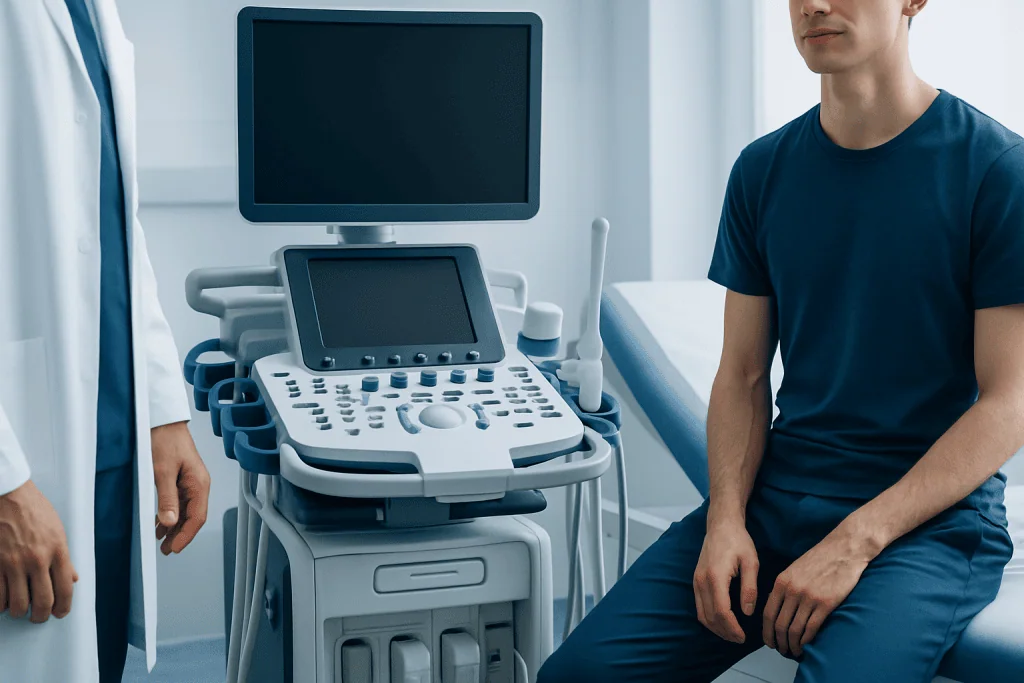
Tests are not always needed. Depending on symptoms, a doctor may recommend blood tests for diabetes, cholesterol or hormone levels, or an ultrasound examination to evaluate blood flow and penile tissue. The purpose is not to judge appearance but to identify treatable causes of pain, structural change or erection problems.
For people whose main concern is anxiety about normal anatomy, an informed discussion can itself be helpful. A clinician can explain what is typical, correct misleading information and discuss sexual confidence, relationship communication or mental health support when needed.
Treatment Options and Safer Choices
Treatment depends on the underlying issue rather than on a perceived ideal size. No treatment is needed for normal variation. If reduced erection firmness is contributing to the concern, managing factors such as diabetes, blood pressure, smoking, sleep, alcohol intake, stress and medication side effects may improve sexual health. A doctor may also discuss evidence-based treatments for erectile dysfunction when appropriate.
If Peyronie’s disease is diagnosed, management may include observation for stable, mild symptoms; medication or injections in selected situations; traction-based treatment under clinical guidance; or surgery for significant stable curvature or deformity that interferes with sexual activity. The best approach depends on pain, degree of change, erectile function and personal goals.
Products marketed for permanent penile enlargement deserve caution. Pills, supplements, creams, oils and “male enhancement” products have not been shown to safely increase girth permanently. Some may contain undisclosed ingredients or interact with prescription medicines. Unsupervised stretching, hanging weights, aggressive massage and vacuum devices may cause bruising, nerve injury, scar tissue or worsening erectile problems.
Penile surgery and injectable fillers may be considered only in carefully selected circumstances and carry risks, including infection, irregular contours, scarring, loss of sensation and dissatisfaction with appearance. A person considering any procedure should seek assessment from an experienced urologist and have a clear discussion of expected benefits, limitations and alternatives.
Body Image, Sexual Satisfaction and Self-Care
Sexual satisfaction is influenced by far more than penile measurements. Communication, trust, arousal, comfort, foreplay, sexual technique and attention to a partner’s preferences are often more important than size. Feeling worried about appearance can make it harder to become or remain fully erect, creating a cycle of anxiety and lower confidence.
Helpful self-care includes regular physical activity, balanced eating, adequate sleep, avoiding tobacco and limiting excess alcohol. These steps support circulation and overall health, which are important for erectile function. If excess fat around the lower abdomen is obscuring the penile base, gradual weight management may change its visible appearance without changing the actual penile size.
It can also help to limit comparison with edited or unrealistic online material. Talking openly with a trusted partner may reduce pressure and correct assumptions about what matters during intimacy. If worries about a skinny penis are persistent, upsetting, or lead to avoiding relationships or sex, counseling with a mental health professional or sex therapist can be a constructive part of care.
Acibadem International’s multidisciplinary specialists and JCI-accredited hospitals can assess penile health concerns, sexual function and related medical conditions for international patients in a confidential clinical setting.
When to Seek Medical Care
A routine appointment with a doctor or urologist is appropriate when there is a new or progressive reduction in penile girth, a dent or narrowed segment, new curvature, painful erections, difficulty maintaining erections, or concern that affects confidence or sexual relationships. Medical advice is also appropriate for anyone who believes penile development was unusually limited from childhood or puberty.
Urgent medical assessment is needed after a penile injury with severe pain, rapid swelling, bruising, a popping sound, visible deformity or sudden loss of an erection. Prompt care is important because injuries to penile tissue may require early treatment. New inability to urinate, blood at the urinary opening, fever or signs of infection also require timely evaluation.
People should avoid trying unproven enlargement products or forceful techniques before being assessed. A qualified clinician can distinguish normal variation from a possible medical issue and recommend a plan that protects sexual health and wellbeing.
Frequently asked questions
Is a skinny penis normal?
Yes. A penis that appears thin is often simply a normal variation in anatomy, especially if there is no pain, new shape change or difficulty with erections. Appearance can also vary with erection firmness, temperature, body weight and anxiety.
Can a penis become thinner with age?
Some people notice changes in erection firmness or visible penile length and fullness with aging. Changes in circulation, hormone levels, weight and general health can contribute. A new indentation, curvature or distinct narrowing should be assessed by a doctor.
Does erectile dysfunction make the penis look thinner?
It can. When the erectile tissues do not fill fully with blood, the penis may be less firm and may appear narrower or shorter than during a fully rigid erection. Persistent erection difficulties should be discussed with a healthcare professional.
Can exercises permanently increase penis girth?
There is no good evidence that exercises, manual stretching or massage safely and permanently increase penile girth. Forceful techniques can cause bruising, scarring and erectile difficulties. It is safer to speak with a urologist before trying any enlargement method.
What is an hourglass-shaped penis?
An hourglass shape describes a penis with a noticeably narrowed or indented area along the shaft. It can sometimes occur with scar tissue conditions such as Peyronie’s disease, particularly if it is new or accompanied by curvature, pain or erectile changes. A urological assessment is recommended.
When should someone see a doctor about penile size?
A doctor can help whenever concerns about size or shape cause distress. Medical evaluation is particularly important for a new change in girth, pain, curvature, a lump, erectile dysfunction or symptoms after an injury. The assessment is confidential and focused on overall sexual health, not judgment.
This article is for general information only and is not a substitute for professional medical advice. Please consult a qualified doctor about your individual situation.
Explore treatments in Turkey — costs, top hospitals & a free quote
JCI-accredited · board-certified surgeons · reply within 24h
Add us as a Preferred Source to see more of our trusted health content across Google Search, AI Overviews and Discover.
Check your numbers in seconds
BMI, calories, due date, blood pressure and 30+ more clinical calculators — free, instant, doctor-reviewed ranges.

More from the Health Library

Dehiscence: An Evidence-Based Guide for Patients

Normal Fetal Heart Rate: What Patients Need to Know
Cumin Seed Jeera: An Evidence-Based Guide for Patients

Myrrh — Explained by Medical Evidence, Not Myths

Intensive Bowel Support Probiotic — Explained by Medical Evidence, Not Myths