Skullcap — Explained by Medical Evidence, Not Myths

Skullcap is an herb used in traditional medicine, mainly for relaxation and sleep-related concerns. Research on skullcap is limited, so many popular claims are not strongly proven.
Key Takeaways
- Skullcap is an herb used in traditional medicine, mainly for relaxation and sleep-related concerns.
- Research on skullcap is limited, so many popular claims are not strongly proven.
- Possible side effects include drowsiness, stomach upset, and interactions with medicines or other supplements.
- Product quality matters because herbal supplements can vary in strength and purity.
- People who are pregnant, breastfeeding, have liver disease, or take regular medicines should speak with a doctor before using skullcap.
Skullcap is a traditional herbal product often promoted for stress, sleep, and relaxation, but modern medical evidence remains limited. A careful, evidence-based approach helps separate common claims from what is actually known about benefits, side effects, and safety.
What skullcap is — and what medical evidence says
Skullcap is the common name for herbs in the Scutellaria genus, most often American skullcap (Scutellaria lateriflora) and Chinese skullcap (Scutellaria baicalensis). These plants have been used in traditional herbal practices for different purposes, including calming the nervous system, supporting sleep, and easing discomfort linked to inflammation. However, these uses come from tradition and early research rather than strong proof from large, high-quality clinical trials.
From a medical perspective, the most accurate answer is that skullcap may have biologically active compounds, but evidence for clear health benefits in everyday patient care is still limited. Some laboratory and small human studies suggest possible effects on relaxation, inflammation, or antioxidant activity. Even so, this does not automatically mean that skullcap is effective, safe for everyone, or appropriate as a substitute for standard medical treatment.
It is also important to understand that “skullcap” is not one single, standardized medicine. Different species, extracts, doses, and formulations may act differently. This is one reason why myths and online claims about skullcap often go beyond what current evidence can reliably support.
Why people use skullcap
People most commonly take skullcap as a tea, capsule, tincture, or blended supplement. It is often marketed for stress, mild anxiety, restlessness, sleep support, or general relaxation. Some products also promote skullcap for headaches, muscle tension, menstrual discomfort, or immune support, although these claims are not equally supported by research.
Chinese skullcap is sometimes discussed separately because it contains flavonoids such as baicalin and baicalein, which have been studied in laboratory settings. These compounds have attracted interest because of their anti-inflammatory and antioxidant properties. Still, results from test tubes or animal studies do not provide the same level of certainty as well-designed human clinical trials.
For patients, the practical point is simple: skullcap may be used as a wellness herb, but it should not be viewed as a proven treatment for anxiety disorders, insomnia, chronic pain, infection, or other medical conditions. If symptoms are ongoing, severe, or affecting daily life, medical evaluation is more important than self-treatment with supplements alone.
Potential benefits and where the evidence is limited

The main question many people ask is whether skullcap really works. At present, the answer is that it may have mild calming effects for some people, but the evidence base is not strong enough to make broad medical claims. Small studies and traditional use suggest possible support for relaxation, but there is not enough consistent proof to confirm skullcap as a reliable treatment for anxiety or sleep disorders.
Some research has explored compounds from Chinese skullcap in relation to inflammation and cellular protection. This is scientifically interesting, but it is different from proving that over-the-counter skullcap products improve specific health conditions in real-world patients. Herbal supplement studies are often limited by small sample sizes, mixed formulations, and short follow-up periods.
That is why evidence-based care looks at the whole picture: possible benefit, possible harm, product quality, and whether safer or more effective options already exist. For example, persistent trouble sleeping may sometimes be linked to sleep disorders, while repeated headaches may need assessment for headache causes rather than relying only on herbal remedies.
- Most evidence for skullcap remains preliminary.
- Claims for anxiety, insomnia, pain, or inflammation are not equally proven.
- Skullcap should not replace diagnosis or treatment for a medical condition.
Side effects, interactions, and safety concerns
Skullcap is often described as “natural,” but natural does not always mean risk-free. Reported side effects may include drowsiness, dizziness, confusion, and stomach upset. In some people, especially at higher amounts or when combined with other sedating products, skullcap may impair alertness and affect activities such as driving.
There are also concerns about herb-drug interactions. Because skullcap may have sedative effects, it may increase drowsiness when taken with sleep medicines, anti-anxiety medicines, antihistamines, alcohol, or other calming supplements. People taking medicines that affect the liver, blood clotting, or the central nervous system should be especially cautious and ask a doctor or pharmacist before use.
One of the most important safety issues with supplements is product quality. Some historical reports of harm linked to “skullcap” may have involved contamination, mislabeling, or substitution with other herbs. This makes it difficult to judge risk from internet stories alone, but it also highlights why choosing reputable products matters.
Anyone with liver disease, kidney disease, seizure disorders, major psychiatric illness, or multiple chronic conditions should seek medical advice before using skullcap. Pregnant or breastfeeding individuals and children should avoid using it unless a qualified clinician specifically recommends it.
How doctors evaluate symptoms before blaming stress or treating with herbs
Many symptoms that lead people to consider skullcap—such as poor sleep, irritability, restlessness, or tension—can have many different causes. They may be related to stress, but they may also be linked to medication side effects, thyroid problems, depression, anxiety disorders, chronic pain, caffeine intake, menopause, sleep apnea, or other health issues. A proper medical evaluation helps separate temporary stress from a condition that needs treatment.
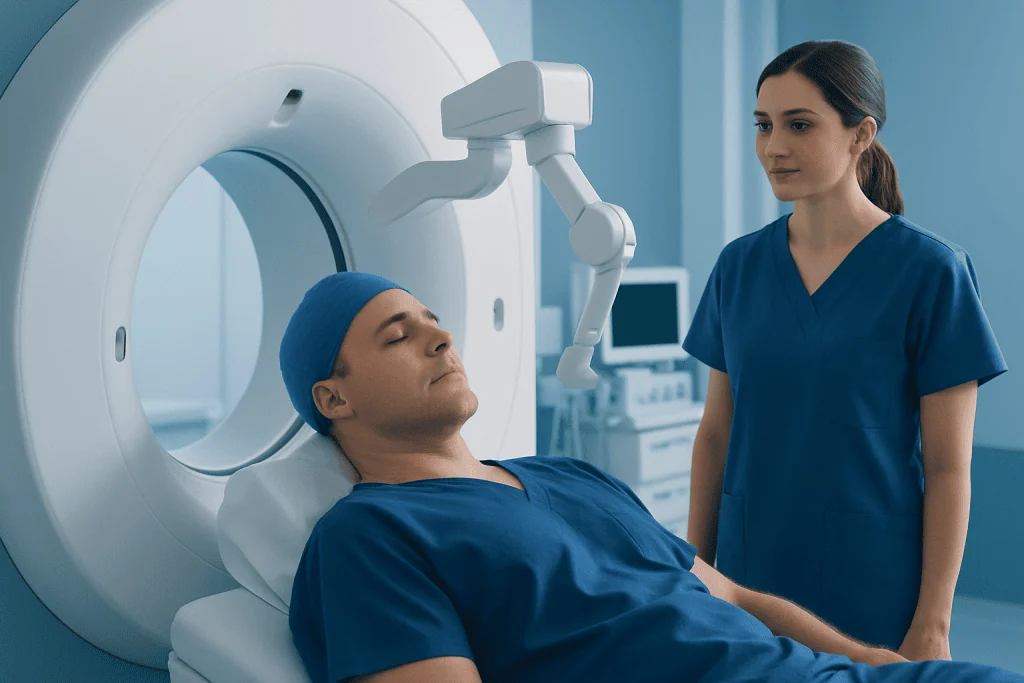
Doctors usually begin with a discussion about symptoms, sleep habits, mental health, existing diagnoses, and current medicines or supplements. In some cases, blood tests or further evaluation may be needed. If symptoms suggest a neurological or structural issue, advanced assessment can be helpful, including MRI scan imaging when clinically appropriate.
This approach is useful because self-treating without a diagnosis can delay care. For example, severe insomnia, worsening anxiety, memory problems, recurrent fainting, or new neurological symptoms should not simply be attributed to stress. If symptoms are frequent or unexplained, it is safer to discuss them with a qualified healthcare professional.
Safer ways to use skullcap, if someone is considering it
If a person is thinking about trying skullcap, the safest approach is to speak with a doctor or pharmacist first, especially if any prescription medicines are used regularly. This helps reduce the risk of interactions and can also clarify whether symptoms might need formal evaluation. Patients should bring the actual product label to the appointment whenever possible.
It is wise to choose products from established manufacturers that provide clear ingredient lists and quality testing information. People should avoid combining multiple sedating herbs or using skullcap together with alcohol. Starting with a low amount and stopping immediately if side effects occur is a cautious general principle, but specific dosing should follow the product instructions and clinician advice rather than online anecdotes.
Skullcap should never replace established care for significant anxiety, depression, chronic insomnia, or another diagnosed condition. Depending on the underlying problem, treatment may involve sleep hygiene, counseling, medication review, stress management, or specialist input. In selected cases, supportive care may include neurology evaluation or a medical check-up to look for broader health contributors.
When to seek medical care
Medical care is important if symptoms are persistent, severe, or changing. A person should speak with a doctor if they are using skullcap for sleep problems lasting more than a few weeks, anxiety that affects work or daily life, repeated headaches, or symptoms that continue despite self-care. Professional advice is also important before starting skullcap if there is pregnancy, breastfeeding, chronic illness, or regular use of medicines.
Urgent medical attention is needed for chest pain, shortness of breath, seizures, fainting, severe confusion, suicidal thoughts, or signs of an allergic reaction such as swelling or trouble breathing. These symptoms should not be managed with herbal products at home.
Near the end of the care pathway, patients may also want coordinated specialist support. Acibadem International’s multidisciplinary specialists and JCI-accredited hospitals diagnose and treat patients with sleep, neurological, and general medical concerns, including international patients who need a structured evaluation.
Frequently asked questions
What is skullcap used for?
Skullcap is mainly used as an herbal supplement for relaxation, stress support, and sleep-related concerns. Some traditional systems also use it for inflammation or discomfort, but these uses are not strongly proven in modern clinical research.
Is skullcap safe to take every day?
Daily use is not automatically safe for everyone. Safety depends on the specific product, the amount taken, a person’s overall health, and whether other medicines or supplements are being used. A doctor or pharmacist can help assess individual risk.
Can skullcap help with anxiety?
Skullcap may have mild calming effects for some people, but it is not a proven treatment for anxiety disorders. If anxiety is persistent, worsening, or affecting daily life, medical assessment is the safest next step.
Does skullcap make people sleepy?
It can. Drowsiness is one of the better-known possible effects, especially when skullcap is taken with alcohol, sleep medicines, antihistamines, or other sedating products. People should avoid driving or operating machinery if they feel sleepy after taking it.
Who should avoid skullcap?
People who are pregnant, breastfeeding, taking prescription medicines, or living with liver disease, kidney disease, seizures, or complex medical conditions should avoid skullcap unless a clinician advises otherwise. Children should not use it without professional guidance.
Can skullcap replace medical treatment for insomnia or stress?
No. Skullcap should not replace proper diagnosis or treatment when symptoms are ongoing or significant. Problems such as insomnia, anxiety, headaches, or fatigue may have underlying causes that need medical attention.
This article is for general information only and is not a substitute for professional medical advice. Please consult a qualified doctor about your individual situation.
Explore treatments in Turkey — costs, top hospitals & a free quote
JCI-accredited · board-certified surgeons · reply within 24h
Add us as a Preferred Source to see more of our trusted health content across Google Search, AI Overviews and Discover.

More from the Health Library

Recovering From a Cesarean: What Patients Need to Know

Cyanocobalamin: A Complete Medical Overview

Carbohydrates: A Complete Medical Overview

Average Resting Heart Rate by Age — Explained by Medical Evidence, Not Myths

Magic Mouthwash Recipe: A Complete Medical Overview