Sleep Apnea and the Nervous System: How Poor Sleep Affects Brain Health

Sleep apnea repeatedly disrupts breathing during sleep, reducing oxygen and fragmenting normal sleep cycles. These changes can affect attention, memory, mood, reaction time, and overall brain function.
Key Takeaways
- Sleep apnea repeatedly disrupts breathing during sleep, reducing oxygen and fragmenting normal sleep cycles.
- These changes can affect attention, memory, mood, reaction time, and overall brain function.
- Obstructive sleep apnea is the most common type and is often associated with snoring, gasping, and daytime sleepiness.
- Diagnosis usually involves a sleep study, along with a medical history and physical examination.
- Treatment may include CPAP, oral appliances, weight management, positional strategies, or surgery in selected cases.
- Early evaluation can improve symptoms and may help protect long-term cardiovascular and neurological health.
Sleep apnea does more than cause snoring and daytime fatigue. By repeatedly interrupting breathing and sleep quality, it can affect the brain, nerves, mood, concentration, and long-term neurological health.
Overview: why sleep apnea matters for brain health
Sleep apnea is a sleep-related breathing disorder in which breathing repeatedly becomes shallow or stops for short periods during sleep. The most common form is obstructive sleep apnea, which happens when the upper airway narrows or collapses. A less common form, central sleep apnea, occurs when the brain does not consistently send the right signals to the breathing muscles.
Although many people think of sleep apnea mainly as a snoring problem, its effects can reach far beyond the throat and lungs. Each breathing pause may briefly reduce oxygen levels and force the brain to wake the body enough to restart breathing. These repeated interruptions can disturb normal sleep architecture, including the deep and dream-related stages of sleep that support memory, attention, emotional balance, and recovery.
Over time, poor-quality sleep and intermittent oxygen drops may place stress on the nervous system. People with sleep apnea may notice trouble concentrating, forgetfulness, slower thinking, irritability, or morning headaches. In some cases, untreated sleep apnea can also contribute to wider health concerns that affect the brain, such as high blood pressure, heart rhythm problems, and stroke risk.
How sleep apnea affects the nervous system
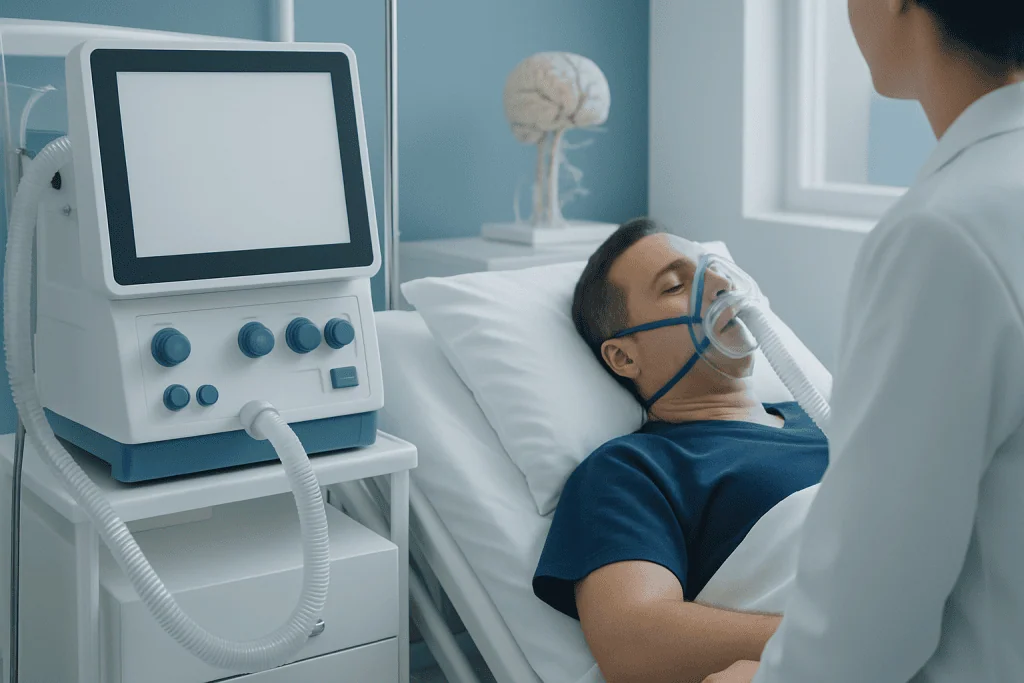
The brain depends on steady oxygen delivery and restorative sleep to function well. In sleep apnea, repeated breathing pauses create a cycle of oxygen reduction, carbon dioxide changes, and brief awakenings. Even when a person does not fully remember waking up, these interruptions can prevent the brain from moving smoothly through healthy sleep stages.
This process may affect several parts of nervous system function. Attention, mental processing speed, learning, and short-term memory can all suffer when sleep is repeatedly fragmented. Many people also experience mood changes such as anxiety, low motivation, irritability, or depressed mood, partly because sleep loss alters the brain systems involved in emotional regulation.
Sleep apnea can also affect the autonomic nervous system, which helps control heart rate, blood pressure, and stress responses. Repeated drops in oxygen may activate the body’s “fight or flight” response during the night, increasing sympathetic nervous system activity. This can contribute to elevated blood pressure and reduced overnight recovery, creating a pattern that may affect both neurological and cardiovascular health.
Research also suggests that untreated sleep apnea may be associated with a higher risk of cognitive decline in some people, especially when it is severe or combined with other risk factors. This does not mean that everyone with sleep apnea will develop dementia or permanent brain injury, but it does show why timely evaluation and treatment are important.
Symptoms to watch for

Symptoms of sleep apnea often develop gradually and may be noticed first by a bed partner or family member. Loud habitual snoring, choking or gasping during sleep, witnessed pauses in breathing, restless sleep, and waking with a dry mouth are common signs. Not everyone who snores has sleep apnea, but frequent snoring with daytime symptoms deserves attention.
During the day, people may feel unusually sleepy, unrefreshed, or mentally foggy. They may have difficulty concentrating at work or school, slower reaction times, trouble remembering details, or morning headaches. Some people notice mood changes, reduced libido, or a tendency to fall asleep during quiet activities such as reading, meetings, or watching television.
Children and older adults may show symptoms differently. Children may appear hyperactive, inattentive, or irritable rather than sleepy. Older adults may describe insomnia, confusion, memory changes, or fatigue that is easily mistaken for normal aging or another medical issue.
- Loud, frequent snoring
- Gasping, choking, or witnessed breathing pauses during sleep
- Excessive daytime sleepiness
- Morning headaches
- Trouble with concentration, memory, or focus
- Irritability, anxiety, or low mood
- Dry mouth or sore throat on waking
Causes and risk factors
Obstructive sleep apnea usually occurs when the muscles of the throat relax during sleep and the airway becomes too narrow for normal airflow. Anatomy can play an important role. Enlarged tonsils, a large tongue, a small jaw, nasal obstruction, and excess soft tissue around the airway can all increase the likelihood of blockage. This is why some people may need evaluation by specialists in ear, nose, and throat care if structural airway factors are suspected.
Body weight is another important factor, as extra tissue around the neck and upper airway can increase the tendency of the airway to collapse. Age, male sex, family history, alcohol use near bedtime, sedating medications, smoking, and sleeping on the back may also raise risk. However, sleep apnea can affect people of any age, body type, or gender.
Central sleep apnea has different causes. It may be linked to heart failure, stroke, certain neurological conditions, high-altitude exposure, or some medications. In these cases, the issue is less about physical blockage and more about unstable breathing control from the brain. Related neurological conditions may sometimes overlap with stroke or other disorders of the brain and circulation.
Sleep apnea often exists alongside other health conditions, including obesity, hypertension, type 2 diabetes, atrial fibrillation, and chronic nasal congestion. These overlaps matter because they can increase the overall effect on the brain, blood vessels, and daily functioning.
Diagnosis and neurological evaluation
Diagnosis begins with a detailed medical history and sleep history. A doctor may ask about snoring, witnessed pauses in breathing, daytime sleepiness, work or driving safety, morning headaches, medication use, and other medical conditions. A physical examination may include assessment of the airway, nose, jaw, neck, blood pressure, and body weight.
The main test for diagnosing sleep apnea is a sleep study. This may be done in a sleep laboratory or, for selected patients, with a home sleep apnea test. These studies monitor breathing, oxygen levels, heart rate, and sleep-related patterns to help confirm whether apnea is present and how severe it is.
When symptoms include memory problems, attention difficulties, or other nervous system concerns, further assessment may be helpful. Doctors may consider neurocognitive screening, evaluation for mood disorders, or referral to specialists in neurology or sleep medicine. If symptoms overlap with other causes of poor sleep or daytime fatigue, related conditions such as insomnia may also need attention.
A careful diagnosis is important because not all sleep-disordered breathing is the same. Treatment choices can differ depending on whether the problem is obstructive, central, mild, moderate, or severe, and whether other medical or neurological conditions are involved.
Treatment options and how they protect brain function
The goal of treatment is to keep breathing steady throughout sleep, improve oxygen delivery, and restore healthier sleep quality. For many people with obstructive sleep apnea, continuous positive airway pressure, or CPAP, is the standard first-line therapy. CPAP delivers air through a mask to help keep the airway open. When used consistently, it can reduce snoring, lower daytime sleepiness, and improve concentration, mood, and quality of life.
Some patients may benefit from other options, depending on the cause and severity of the condition. These may include oral appliances that reposition the jaw, positional therapy to reduce back-sleeping, treatment of nasal blockage, or weight management. In selected cases, doctors may recommend sleep apnea surgery or septoplasty if structural airway problems contribute significantly to obstruction.
Central sleep apnea treatment focuses on the underlying cause when possible. Managing heart, neurological, or medication-related issues may help stabilize breathing. Some patients may need specialized positive airway pressure devices or additional cardiopulmonary evaluation.
People often wonder whether treatment can reverse brain-related symptoms. Many patients notice better alertness, improved focus, and reduced morning headaches after effective treatment, especially when therapy is started early and used regularly. Improvement may take time, and some symptoms can also be influenced by stress, mood disorders, medications, or other health problems, so follow-up care is important.
Prevention and self-care
Not every case of sleep apnea can be prevented, but certain lifestyle steps can lower risk and support treatment. Reaching and maintaining a healthy weight may reduce airway narrowing in some people. Avoiding alcohol close to bedtime and discussing sedating medications with a doctor may also help, since these factors can relax the airway and worsen breathing pauses.
Good sleep habits matter as well. Keeping a regular sleep schedule, creating a restful sleep environment, and sleeping on the side rather than the back may improve symptoms in some cases. Managing nasal allergies or congestion can also make nighttime breathing easier.
People who already use CPAP or another device should aim for consistent use and proper mask fit. Dryness, discomfort, air leaks, and pressure intolerance are common early barriers, but these can often be solved with adjustments. Regular follow-up helps ensure the chosen therapy is working effectively and comfortably.
Near the end of the care journey, some patients may need coordinated support from sleep specialists, neurologists, ENT surgeons, or cardiologists. Acibadem International’s multidisciplinary specialists and JCI-accredited hospitals diagnose and treat sleep apnea for international patients when more comprehensive evaluation is needed.
When to see a doctor
A person should seek medical advice if snoring is loud and frequent, breathing pauses are witnessed during sleep, or daytime sleepiness affects work, school, mood, or driving safety. Evaluation is also important if there are morning headaches, poor concentration, memory changes, or waking with choking or gasping.
Medical attention should not be delayed when sleep apnea symptoms occur together with high blood pressure, heart disease, stroke history, or significant mood or cognitive changes. These combinations do not always mean an emergency, but they do raise the importance of prompt assessment.
Urgent care may be needed if severe sleepiness creates a risk of accidents, if breathing problems are rapidly worsening, or if neurological symptoms such as sudden weakness, new confusion, difficulty speaking, or severe chest pain occur. In those situations, immediate medical evaluation is appropriate.
Frequently asked questions
Can sleep apnea really affect the brain?
Yes. Sleep apnea can affect the brain by repeatedly interrupting sleep and lowering oxygen levels during the night. Over time, this may contribute to poor concentration, memory problems, mood changes, and slower mental performance.
Is every person who snores likely to have sleep apnea?
No. Snoring is common and does not always mean sleep apnea is present. However, loud regular snoring combined with gasping, witnessed pauses in breathing, or daytime sleepiness should be evaluated by a doctor.
Can treating sleep apnea improve memory and focus?
Many people notice improvement in alertness, concentration, and daytime energy after effective treatment. The degree of improvement varies from person to person and may depend on how severe the sleep apnea is and whether other health issues are also affecting cognition.
What is the difference between obstructive and central sleep apnea?
Obstructive sleep apnea happens when the airway becomes blocked during sleep, usually because the throat narrows or collapses. Central sleep apnea is different because breathing pauses happen when the brain does not consistently signal the body to breathe.
How is sleep apnea diagnosed?
Doctors usually diagnose sleep apnea using a sleep study, either in a sleep laboratory or at home in selected cases. The test measures breathing, oxygen levels, and other sleep-related patterns to show whether apnea is present and how severe it is.
Can sleep apnea increase stroke risk?
Sleep apnea is associated with health problems such as high blood pressure and abnormal stress responses during sleep, which can affect blood vessels and circulation. Because of this, it may contribute to a higher risk of stroke and should be assessed and treated appropriately.
References
- American Academy of Sleep Medicine
- National Heart, Lung, and Blood Institute
- National Institute of Neurological Disorders and Stroke
- Centers for Disease Control and Prevention
- World Health Organization
This article is for general information only and is not a substitute for professional medical advice. Please consult a qualified doctor about your individual situation.
Sleep Apnea in Turkey — costs, top hospitals & a free quote
JCI-accredited · board-certified surgeons · reply within 24h
Add us as a Preferred Source to see more of our trusted health content across Google Search, AI Overviews and Discover.
Check your numbers in seconds
BMI, calories, due date, blood pressure and 30+ more clinical calculators — free, instant, doctor-reviewed ranges.

Otorhinolaryngology (ENT)
Care for ear, nose, throat and head-and-neck conditions, including hearing and balance disorders.
126 specialists in this unitMore from the Health Library



Related Specialists

Dr. Mehmet İbrahim Cansunar
General Surgery
Dr. Haldun Şentürk
Emergency Service
Assoc. Prof. Dr. Halil Kara
General Surgery
Prof. Dr. A. Sibel Erdamar Çetin
Gastrointestinal Oncology Unit Clinical Service