Sleep Attacks and Safety Risks: Living Day to Day With Narcolepsy

Narcolepsy is a neurological sleep disorder, not simply tiredness or poor sleep habits. Common symptoms include excessive daytime sleepiness, sleep attacks, fragmented nighttime sleep, and sometimes cataplexy.
Key Takeaways
- Narcolepsy is a neurological sleep disorder, not simply tiredness or poor sleep habits.
- Common symptoms include excessive daytime sleepiness, sleep attacks, fragmented nighttime sleep, and sometimes cataplexy.
- Diagnosis usually involves a sleep history, sleep study, and specialized daytime testing.
- Treatment often combines medication, scheduled naps, regular sleep habits, and safety planning.
- People with narcolepsy should discuss driving, work, school, and injury risks with a qualified doctor.
Narcolepsy is a long-term neurological sleep disorder that can cause overwhelming daytime sleepiness, sudden sleep attacks, and disrupted nighttime sleep. With accurate diagnosis, treatment, and daily safety planning, many people can manage symptoms and maintain work, school, driving, and social routines more confidently.
Overview: What Narcolepsy Is
Narcolepsy is a chronic neurological sleep disorder that affects the brain’s ability to regulate sleep and wakefulness. A person with narcolepsy may feel very sleepy during the day even after what seems like enough nighttime sleep. This sleepiness can become so strong that it leads to unplanned naps or sudden sleep attacks during ordinary activities.
Sleep attacks are not usually dangerous by themselves, but they can create safety risks depending on what the person is doing at the time. Falling asleep while driving, cooking, crossing a road, using machinery, or caring for a child can put the person and others at risk. For this reason, narcolepsy is not only a sleep issue but also an everyday safety and quality-of-life concern.
Narcolepsy is generally divided into two main types: narcolepsy type 1, which includes cataplexy or low hypocretin levels, and narcolepsy type 2, which does not include cataplexy. Hypocretin, also called orexin, is a brain chemical involved in staying awake and regulating REM sleep. In both types, symptoms can affect school, work, relationships, emotional well-being, and independence.
Symptoms and Day-to-Day Challenges
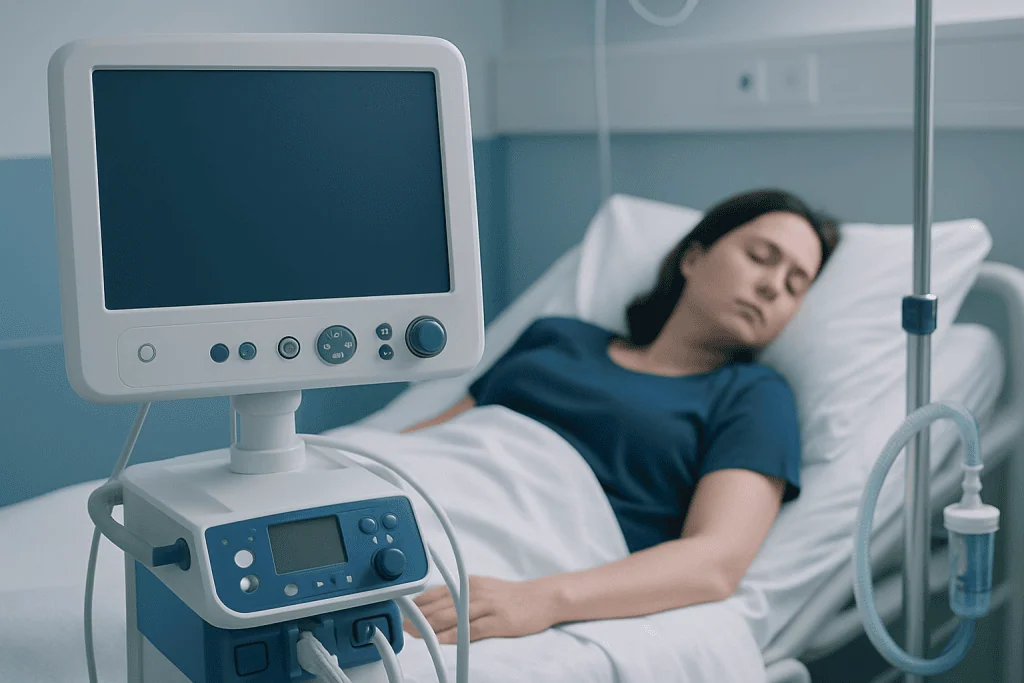
The most common symptom of narcolepsy is excessive daytime sleepiness. This is more than ordinary fatigue. It is a persistent, hard-to-resist need to sleep that can interfere with concentration, memory, and performance. Some people describe a feeling of “brain fog,” while others notice that they doze off during conversations, meetings, meals, or quiet activities.
Another important symptom is cataplexy, which is a sudden brief loss of muscle tone triggered by strong emotions such as laughter, excitement, surprise, or anger. Cataplexy may cause mild weakness in the face or knees, or it may lead to a collapse while the person remains aware. Not everyone with narcolepsy has cataplexy, but when it is present it can be a strong clue to the diagnosis.
Other symptoms may include sleep paralysis, vivid dream-like hallucinations when falling asleep or waking up, and fragmented nighttime sleep. Although narcolepsy is known for daytime sleepiness, nighttime sleep may also be disrupted, with frequent awakenings and poor sleep quality. This combination can make symptoms feel especially frustrating and misunderstood.
- Overwhelming daytime sleepiness
- Sudden sleep attacks
- Cataplexy in some people
- Sleep paralysis
- Vivid hallucinations at sleep-wake transitions
- Broken nighttime sleep
Causes and Risk Factors

Narcolepsy often develops because the brain’s sleep-wake control systems are disrupted. In narcolepsy type 1, many people have a loss of brain cells that produce hypocretin. Experts believe this may be related to an autoimmune process in which the immune system mistakenly damages these cells in people who are genetically susceptible. However, the exact cause is not always fully clear.
Genetics may increase risk, but narcolepsy is usually not strongly inherited in a simple way. Most people with narcolepsy do not have a close family member with the condition. Certain infections or environmental triggers have also been studied, but they do not explain every case.
Narcolepsy can sometimes be confused with other conditions that also cause sleepiness, such as sleep deprivation, obstructive sleep apnea, depression, medication effects, or other neurological disorders. A careful specialist evaluation is important because the best treatment depends on the true cause of symptoms. In some people, the doctor may also need to distinguish narcolepsy from sleep apnea or other sleep disorders.
Safety Risks in Daily Life
One of the most important practical concerns in narcolepsy is safety. A sleep attack can happen with little warning or after a period of increasing drowsiness. Tasks that require sustained attention, quick reactions, or physical coordination may become unsafe if symptoms are not well controlled. This is especially relevant for driving, cycling, swimming alone, climbing heights, and operating tools or machinery.
Workplace and school settings may also need adjustments. A person might struggle during long lectures, quiet office work, shift-based schedules, or repetitive tasks. Some people benefit from planned nap breaks, flexible scheduling, written reminders, or seating choices that support alertness. These changes are not signs of weakness; they are practical ways to reduce risk and improve function.
Safety planning should be individualized. A doctor may advise a person not to drive until symptoms are better controlled, particularly if sleep attacks are frequent or recent near-miss events have occurred. Family members can also help by understanding warning signs, encouraging consistent treatment, and supporting safer routines at home and outside.
- Avoid driving when sleepy or when symptoms are not well controlled
- Use caution around heat, open flames, and sharp tools
- Plan brief scheduled naps if recommended
- Discuss school or workplace accommodations early
- Tell trusted people how narcolepsy affects daily function
How Narcolepsy Is Diagnosed
Diagnosis begins with a detailed medical and sleep history. The doctor asks about daytime sleepiness, sleep attacks, cataplexy, sleep paralysis, nighttime sleep quality, medications, work schedule, and overall health. Because several conditions can cause daytime drowsiness, this discussion is important for narrowing the possibilities and deciding which tests are needed.
Specialized sleep testing is often used to confirm the diagnosis. An overnight sleep study, called polysomnography, may be performed first to evaluate sleep patterns and rule out other causes of sleepiness. This is commonly followed by a Multiple Sleep Latency Test, which measures how quickly a person falls asleep during scheduled daytime naps and whether REM sleep appears unusually early.
In selected cases, additional tests may be considered, such as actigraphy, sleep logs, or measurement of hypocretin levels. Accurate diagnosis matters because treatment should match the specific type of sleep disorder. Evaluation by a specialist in sleep disorders care can help clarify symptoms and guide long-term management.
Treatment Options and Symptom Management
There is no single cure for narcolepsy, but treatment can significantly reduce symptoms and improve daily functioning. Management often combines medication with lifestyle strategies. Doctors may prescribe medicines to improve wakefulness during the day or to reduce cataplexy and REM-related symptoms. The best choice depends on symptom pattern, age, other medical conditions, and potential side effects.
Behavioral approaches are also important. Many people benefit from a regular sleep schedule, planned short naps, and limiting factors that worsen sleepiness, such as alcohol, sleep deprivation, or irregular overnight routines. Good sleep habits do not replace medical treatment, but they can make symptoms more predictable and easier to manage.
If another sleep problem is also present, treating it can make a meaningful difference. For example, if testing shows insomnia or disrupted nighttime sleep patterns, the care plan may include targeted support for that issue as well. In more complex situations, a broader neurology evaluation may be part of care to assess overlapping neurological symptoms and confirm the diagnosis.
Prevention, Self-Care, and Living Well
Narcolepsy cannot always be prevented because its underlying causes are not fully controllable. Still, symptom flare-ups and daily complications can often be reduced with steady routines and self-awareness. Keeping a sleep diary, noting triggers, and recognizing times of highest sleepiness may help a person plan important tasks more safely.
Healthy daily habits can support overall alertness. These include keeping consistent bed and wake times, taking prescribed treatment as directed, staying physically active within personal limits, eating regular balanced meals, and avoiding sleep loss whenever possible. It may also help to tell teachers, employers, or close friends about the condition so they understand that symptoms are medical, not a lack of motivation.
Emotional support matters too. Living with a chronic condition that others may not see can be isolating. Some people benefit from counseling, support groups, or education for family members. Near the end of the care journey, some international patients seek coordinated assessment at centers such as Acibadem International, where multidisciplinary specialists in JCI-accredited hospitals diagnose and treat sleep-related neurological conditions.
When to See a Doctor
A person should speak with a doctor if daytime sleepiness is persistent, interferes with work or school, or leads to unplanned sleep episodes. Medical attention is especially important if sleepiness affects driving, job safety, or caregiving responsibilities. Early assessment may help prevent accidents and reduce delays in diagnosis.
Prompt evaluation is also important if there are episodes of sudden weakness triggered by emotion, vivid hallucinations around sleep, or frequent sleep paralysis. These symptoms do not automatically mean narcolepsy, but they should be assessed by a qualified clinician. People who are being treated should return for review if symptoms worsen, medicines cause side effects, or safety concerns continue.
If a person has had a near-miss or accident related to sleepiness, urgent medical guidance is advisable before returning to high-risk activities. Follow-up care allows treatment to be adjusted over time, since needs can change with age, work demands, pregnancy, other illnesses, or new medications.
Frequently asked questions
What is the difference between narcolepsy and being very tired?
Narcolepsy causes excessive daytime sleepiness that is usually stronger and more persistent than ordinary tiredness. It may lead to sudden sleep attacks, REM-related symptoms, and sometimes cataplexy. A doctor can help distinguish narcolepsy from sleep deprivation, stress, or other medical conditions.
Can people with narcolepsy drive?
Some people with narcolepsy can drive safely when symptoms are well controlled, but this must be assessed individually. A doctor may advise avoiding driving until treatment is effective and daytime sleepiness is reliably managed. Local driving regulations and reporting rules may also apply.
Is narcolepsy a mental health condition?
No. Narcolepsy is a neurological sleep disorder involving the brain’s control of sleep and wakefulness. However, living with narcolepsy can affect mood, stress, and social well-being, so emotional support may still be helpful.
Does narcolepsy always include cataplexy?
No. Cataplexy is common in narcolepsy type 1, but not everyone with narcolepsy has it. Some people have narcolepsy type 2, in which excessive daytime sleepiness is present without cataplexy.
Can narcolepsy be cured?
There is currently no single cure for narcolepsy, but treatment can often control symptoms effectively. Medicines, scheduled naps, and healthy sleep routines may help reduce sleep attacks and improve daily function. Ongoing follow-up is usually needed.
How is narcolepsy diagnosed?
Diagnosis usually includes a detailed history, an overnight sleep study, and a daytime nap test called the Multiple Sleep Latency Test. These tests help confirm narcolepsy and rule out other causes of sleepiness. In some cases, additional testing may be recommended.
References
- National Institute of Neurological Disorders and Stroke
- American Academy of Sleep Medicine
- National Heart, Lung, and Blood Institute
- Mayo Clinic
- NHS
This article is for general information only and is not a substitute for professional medical advice. Please consult a qualified doctor about your individual situation.
Narcolepsy in Turkey — costs, top hospitals & a free quote
JCI-accredited · board-certified surgeons · reply within 24h
Add us as a Preferred Source to see more of our trusted health content across Google Search, AI Overviews and Discover.