Sleep Paralysis and Narcolepsy: Are They Connected?

Sleep paralysis is a brief inability to move or speak when falling asleep or waking up. Narcolepsy is a neurological sleep disorder that affects how the brain regulates sleep-wake cycles.
Key Takeaways
- Sleep paralysis is a brief inability to move or speak when falling asleep or waking up.
- Narcolepsy is a neurological sleep disorder that affects how the brain regulates sleep-wake cycles.
- Sleep paralysis is more common in people with narcolepsy, but many people who have sleep paralysis do not have narcolepsy.
- Other symptoms such as excessive daytime sleepiness, cataplexy, and vivid hallucinations make narcolepsy more likely.
- A sleep specialist may use sleep history, sleep studies, and other tests to confirm narcolepsy.
- Regular sleep habits, stress management, and medical evaluation can help reduce episodes and improve quality of life.
Sleep paralysis and narcolepsy are related through REM sleep, the stage when vivid dreaming and temporary muscle paralysis normally occur. Sleep paralysis can happen in healthy people, but when it appears with excessive daytime sleepiness, vivid dream-like hallucinations, or sudden muscle weakness, narcolepsy may need to be considered.
Overview: how sleep paralysis and narcolepsy are connected
Sleep paralysis is a temporary episode in which a person is awake or partly awake but cannot move or speak. It usually happens while falling asleep or waking up and often lasts only a few seconds to a few minutes. Although it can feel frightening, the episode typically ends on its own and does not usually cause physical harm.
Narcolepsy is a chronic neurological sleep disorder that affects the brain’s control of sleep and wakefulness. People with narcolepsy may feel overwhelming daytime sleepiness and can enter rapid eye movement (REM) sleep unusually quickly. REM sleep is the stage associated with vivid dreaming and normal muscle paralysis, which helps prevent the body from acting out dreams.
The connection between sleep paralysis and narcolepsy lies in REM sleep. In sleep paralysis, REM-related muscle relaxation briefly continues into wakefulness. This can also happen in narcolepsy, where REM sleep features may appear at unusual times. For that reason, sleep paralysis is considered one of the classic symptoms that can occur in narcolepsy, along with excessive daytime sleepiness, vivid hallucinations around sleep, and sometimes cataplexy.
However, having sleep paralysis does not automatically mean a person has narcolepsy. Many people experience isolated sleep paralysis at some point in life, often during times of sleep deprivation, stress, irregular sleep schedules, or sleeping on the back. The key question is whether it occurs alone or alongside other symptoms that suggest a broader sleep-wake disorder.
Symptoms: what sleep paralysis feels like and when narcolepsy may be suspected
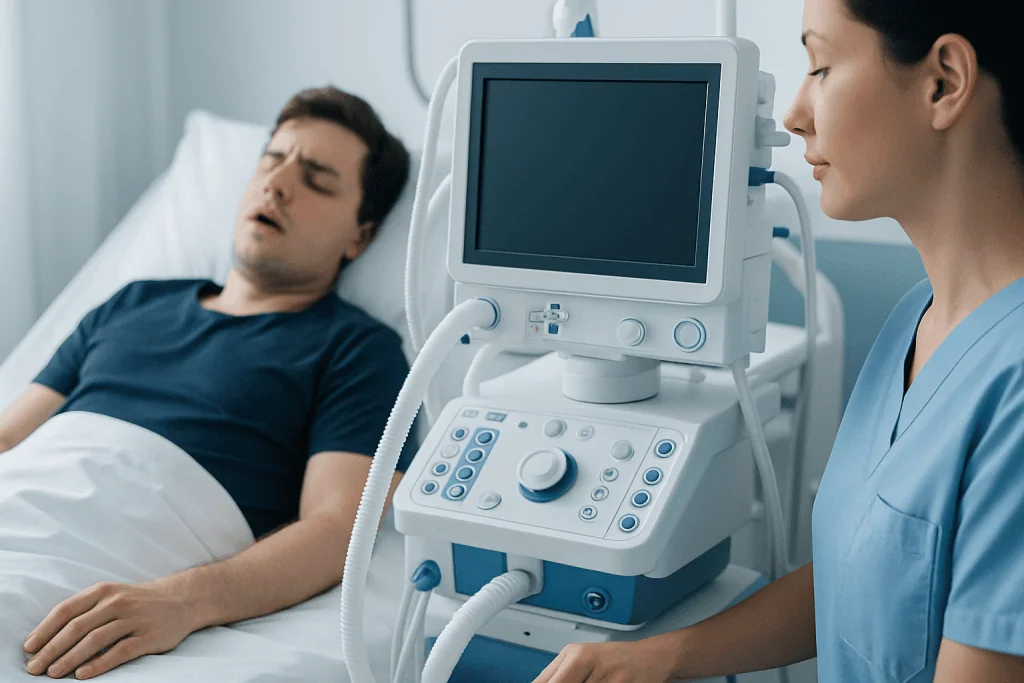
During sleep paralysis, a person may feel fully aware of the room but unable to move the arms, legs, or body. Speech may also be impossible for a short time. Breathing usually continues normally, though it may feel restricted or heavy, which can make the episode seem more intense than it is.
Some people also experience vivid sensory events during an episode. These may include seeing a figure in the room, hearing sounds, sensing pressure on the chest, or feeling a presence nearby. These experiences are called hypnagogic hallucinations when they happen while falling asleep and hypnopompic hallucinations when they happen while waking. They are dream-like REM phenomena and can occur with or without narcolepsy.
Narcolepsy may be suspected when sleep paralysis is not the only problem. Symptoms that raise concern include excessive daytime sleepiness, unplanned naps, difficulty staying awake during quiet activities, and sleep that does not feel refreshing. Some people also have cataplexy, which is a sudden, brief loss of muscle tone triggered by emotions such as laughter, surprise, or excitement.
- Common sleep paralysis features: temporary inability to move, awareness, brief duration, fear, and vivid dream-like experiences
- Symptoms that may suggest narcolepsy: persistent daytime sleepiness, sudden sleep attacks, cataplexy, fragmented nighttime sleep, and hallucinations around sleep
- Symptoms that warrant evaluation: frequent episodes, injuries, major distress, or interference with work, school, or driving
Because symptoms can overlap with anxiety, poor sleep habits, and other sleep disorders, diagnosis should not be based on one symptom alone. A full clinical picture is important.
Causes and risk factors

Sleep paralysis happens when the normal muscle relaxation of REM sleep overlaps with wakefulness. In a typical sleep cycle, a person moves smoothly between wakefulness, non-REM sleep, and REM sleep. If this transition becomes misaligned, the mind may become alert before the body’s REM-related paralysis fully clears.
Common triggers for isolated sleep paralysis include sleep deprivation, irregular sleep schedules, jet lag, high stress, shift work, and sleeping in the supine position. Mental health conditions such as anxiety may also increase the likelihood of episodes, partly because they can disturb sleep continuity. In some cases, sleep paralysis is seen alongside other sleep disorders, including obstructive sleep apnea or sleep disorders that fragment sleep.
Narcolepsy has a different underlying mechanism. It is usually related to disrupted regulation of REM sleep and wakefulness by the brain. In narcolepsy type 1, there is often a loss of hypocretin-producing nerve cells, which affects the stability of wakefulness and REM sleep boundaries. This helps explain why REM features such as sleep paralysis, vivid hallucinations, and cataplexy can appear at unusual times.
Risk factors that may make narcolepsy more likely include a family history of the condition and certain immune-related factors, although most cases are not directly inherited. The presence of repeated sleep paralysis together with strong daytime sleepiness is more concerning for narcolepsy than sleep paralysis alone.
Diagnosis: how doctors tell the difference
Diagnosis begins with a detailed medical and sleep history. A doctor will ask when the episodes started, how often they happen, how long they last, whether hallucinations or cataplexy occur, and whether there is daytime sleepiness. Sleep habits, medications, alcohol use, work schedules, and emotional stress are also important because they may point toward isolated sleep paralysis rather than narcolepsy.
If narcolepsy is suspected, referral to a sleep specialist is often recommended. The specialist may ask the patient to keep a sleep diary or use actigraphy, a wearable device that tracks sleep-wake patterns over time. This helps identify insufficient sleep, circadian rhythm disruption, or other patterns that may mimic narcolepsy.
Objective sleep testing can be an important part of diagnosis. Overnight polysomnography evaluates sleep architecture and can identify other sleep disorders, such as sleep apnea, that may contribute to symptoms. This may be followed by a multiple sleep latency test the next day, which measures how quickly a person falls asleep and whether REM sleep appears unusually early. In selected cases, additional evaluation may be considered to support the diagnosis of narcolepsy.
Because daytime sleepiness can also result from many other conditions, accurate diagnosis matters. It helps avoid unnecessary worry in people with isolated sleep paralysis and ensures that those with narcolepsy receive appropriate long-term care.
Treatment options for sleep paralysis and narcolepsy
Treatment depends on the cause. Isolated sleep paralysis often improves when contributing factors such as poor sleep habits, irregular sleep times, and stress are addressed. Reassurance is also helpful, because understanding that the episodes are brief and usually harmless can reduce fear and interrupt a cycle in which anxiety worsens sleep.
When narcolepsy is diagnosed, treatment usually combines lifestyle strategies with medical management. The goal is to improve daytime alertness, reduce REM-related symptoms, and support safety in daily life. Some people benefit from scheduled naps, while others may need medications prescribed by a sleep specialist to address excessive daytime sleepiness, cataplexy, or disrupted nighttime sleep.
If another sleep disorder is contributing, treating that condition can also help reduce episodes. For example, people who have snoring, pauses in breathing, or unrefreshing sleep may need evaluation for sleep apnea, and some may benefit from sleep apnea treatment. In complex cases, a comprehensive sleep disorders treatment plan can address overlapping causes of poor sleep.
People with symptoms strongly suggestive of narcolepsy may be assessed in specialist centers where formal narcolepsy treatment is available. Near the end of the care pathway, some international patients may choose centers such as Acibadem International, where multidisciplinary specialists in JCI-accredited hospitals evaluate and treat sleep-related neurological conditions.
Prevention and self-care
Not all episodes can be prevented, but many people can reduce sleep paralysis by improving sleep regularity. Going to bed and waking up at the same times each day can help stabilize the sleep-wake cycle. Adequate sleep duration also matters, since sleep deprivation is a common trigger.
Stress reduction can be useful as well. Relaxation techniques before bed, limiting stimulating screen use late at night, and creating a quiet sleep environment may improve sleep quality. Some people notice fewer episodes when they avoid sleeping on their back, though this does not help everyone.
Good self-care also includes avoiding substances or habits that interfere with restorative sleep. Alcohol close to bedtime, excess caffeine later in the day, and inconsistent work-rest patterns can all contribute to disrupted sleep. If symptoms are recurrent, keeping a journal of episodes, triggers, and daytime sleepiness can provide useful information for a doctor.
- Keep a consistent sleep schedule, including weekends when possible
- Aim for enough total sleep each night
- Manage stress with calming bedtime routines
- Seek help for snoring, insomnia, or persistent daytime fatigue
- Avoid driving or hazardous activities if severe sleepiness is present
Self-care can improve symptoms, but persistent or disabling episodes should still be discussed with a healthcare professional, especially when there are signs of narcolepsy.
When to see a doctor
Occasional sleep paralysis is usually not an emergency, but medical advice is appropriate if episodes become frequent, highly distressing, or disruptive to daily life. A doctor should also be consulted if the episodes are accompanied by excessive daytime sleepiness, sudden muscle weakness with emotions, or repeated dream-like hallucinations around sleep.
People should seek prompt evaluation if sleepiness affects school, work, concentration, or safe driving. Falling asleep unintentionally, struggling to stay awake in meetings or while reading, or needing frequent naps may suggest a treatable sleep disorder rather than simple fatigue. These symptoms deserve professional assessment.
Nighttime symptoms may also point to another underlying condition. Loud snoring, witnessed pauses in breathing, choking awakenings, or very restless sleep may indicate problems beyond isolated sleep paralysis. In such cases, testing can clarify the cause and guide treatment.
Early evaluation can be reassuring even when narcolepsy is not present. It helps distinguish isolated sleep paralysis from other conditions and allows patients to receive practical advice, support, and follow-up tailored to their symptoms.
Frequently asked questions
Does sleep paralysis mean a person has narcolepsy?
No. Sleep paralysis can happen on its own in otherwise healthy people, especially during periods of stress or sleep deprivation. Narcolepsy is more likely when sleep paralysis occurs together with excessive daytime sleepiness, vivid hallucinations around sleep, or cataplexy.
What is the main link between sleep paralysis and narcolepsy?
The main link is REM sleep. In both conditions, features of REM sleep can overlap with wakefulness, causing temporary muscle paralysis, vivid dream-like experiences, or sudden transitions between sleep and wake states.
Can sleep paralysis be dangerous?
Sleep paralysis is usually not physically dangerous and often ends within minutes. Even though it can feel intense or frightening, breathing generally continues normally. However, recurrent episodes or major distress should be discussed with a doctor.
How is narcolepsy diagnosed?
Doctors usually begin with a detailed sleep history and symptom review. If needed, they may arrange overnight sleep testing and a multiple sleep latency test to measure daytime sleepiness and early REM sleep. A sleep specialist can interpret these findings in context.
Can improving sleep habits help sleep paralysis?
Yes, many people notice fewer episodes when they keep a regular sleep schedule and get enough rest. Stress management and addressing other sleep problems, such as insomnia or sleep apnea, may also help. These steps are especially useful when sleep paralysis occurs without narcolepsy.
What is cataplexy, and why does it matter?
Cataplexy is a sudden, brief loss of muscle tone triggered by strong emotions such as laughter or surprise. It may cause facial drooping, knee buckling, or weakness while the person remains conscious. Its presence strongly supports the possibility of narcolepsy type 1.
References
- American Academy of Sleep Medicine
- National Institute of Neurological Disorders and Stroke
- National Heart, Lung, and Blood Institute
- Mayo Clinic
- Cleveland Clinic
This article is for general information only and is not a substitute for professional medical advice. Please consult a qualified doctor about your individual situation.
Narcolepsy in Turkey — costs, top hospitals & a free quote
JCI-accredited · board-certified surgeons · reply within 24h
Add us as a Preferred Source to see more of our trusted health content across Google Search, AI Overviews and Discover.