Sleep Position After Heart Bypass Surgery: Comfort, Sternal Healing, and Safety

Most patients are advised to sleep on their back, often slightly elevated, during the early weeks after coronary artery bypass grafting. Side sleeping may be allowed later if it does not cause chest pulling, pain, or pressure, but patients should follow their surgical team’s advice.
Key Takeaways
- Most patients are advised to sleep on their back, often slightly elevated, during the early weeks after coronary artery bypass grafting.
- Side sleeping may be allowed later if it does not cause chest pulling, pain, or pressure, but patients should follow their surgical team’s advice.
- Stomach sleeping is usually avoided early because it can strain the breastbone and chest incision.
- Pillows, a recliner, careful rolling techniques, and good pain control can make sleep safer and more comfortable.
- New chest pain, shortness of breath, wound changes, fever, palpitations, or worsening swelling should be reported promptly.
After heart bypass surgery, the safest sleep position is usually on the back with the upper body slightly elevated, especially while the breastbone is healing. Comfort, breathing, pain control, and the surgeon’s specific instructions all help guide when and how a person can change positions safely.
Overview: Why Sleep Position Matters After Heart Bypass Surgery
Heart bypass surgery, also called coronary artery bypass grafting or CABG, is performed to improve blood flow to the heart muscle. In many patients, the surgeon reaches the heart through an incision in the center of the chest and divides the breastbone, or sternum. After the operation, the sternum is carefully closed so it can heal, much like a broken bone heals over time.
Because the chest, ribs, muscles, and breastbone are healing, sleep position after heart bypass surgery is more than a comfort issue. A supportive position can reduce pulling on the incision, make breathing easier, help coughing feel safer, and lower the chance of accidentally pushing or twisting the upper body during sleep.
For many people, the best early position is lying on the back with the head and chest slightly elevated. Some patients use several pillows, a wedge pillow, or a recliner for the first days or weeks at home. The exact advice may vary depending on the surgical technique, wound healing, other medical conditions, and the surgeon’s sternal precautions.
The Safest Early Sleeping Positions
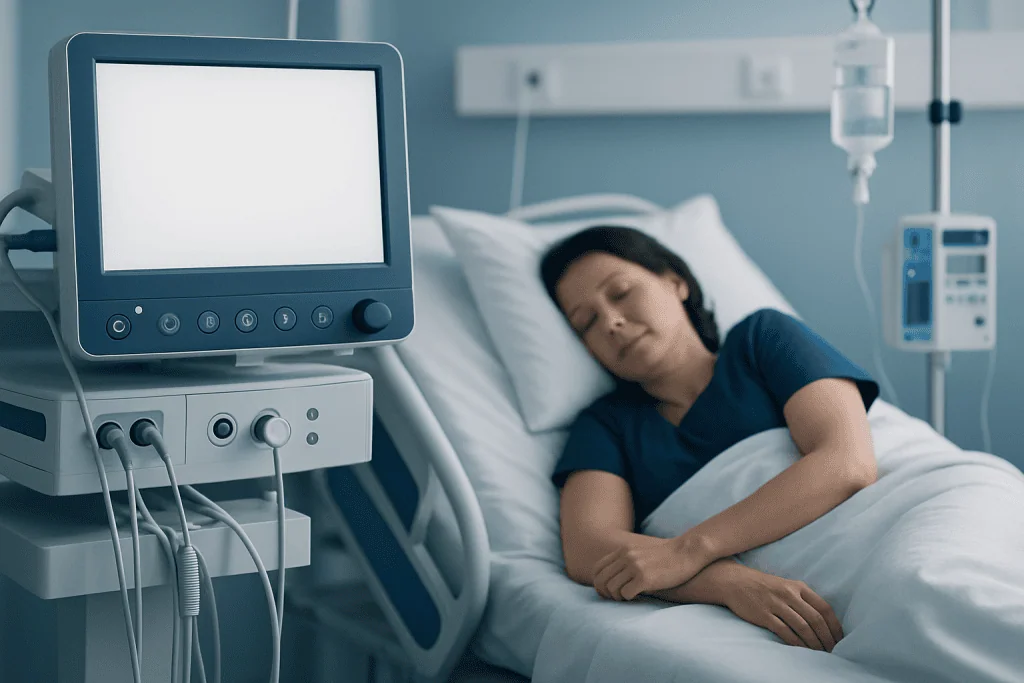
During the first stage of recovery, sleeping on the back is commonly recommended because it keeps the chest in a neutral position. This position avoids direct pressure on the breastbone and helps prevent twisting through the upper body. Keeping the upper body slightly raised can also reduce strain when getting in and out of bed.
A semi-upright position may be especially helpful for patients who feel short of breath when flat, have fluid retention, experience reflux, or feel chest tightness from the incision. A recliner can be useful if it allows the person to stand without pushing strongly through the arms. If a bed is used, pillows should support the head, shoulders, and upper back rather than bending the neck sharply forward.
Helpful positioning options include:
- Back sleeping with elevation: Use a wedge pillow or several firm pillows to raise the upper chest.
- Pillow support under the knees: This can reduce lower back strain while lying on the back.
- Side pillows: Placing pillows along both sides of the body can prevent rolling during sleep.
- A small chest pillow nearby: Hugging a pillow while coughing or changing position can make movement feel more secure.
Side Sleeping, Stomach Sleeping, and Turning in Bed
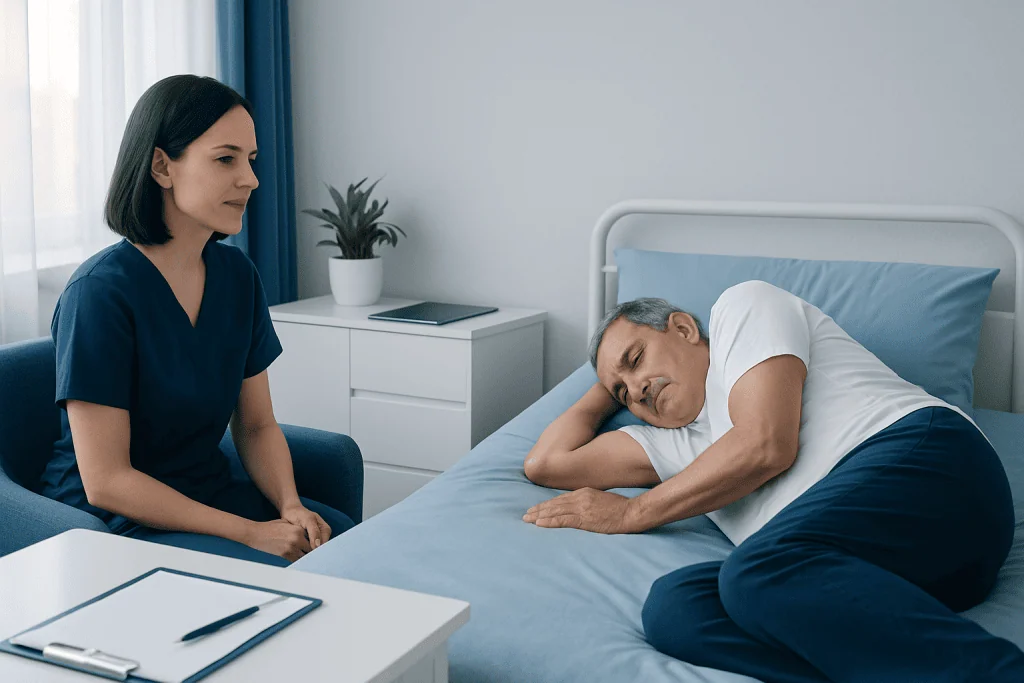
Many people who normally sleep on their side wonder when they can return to that position. In general, side sleeping may be possible once pain is controlled, the incision is healing well, and the surgical team confirms that it is safe. Some patients are advised to avoid side sleeping for a period of time because it can create pulling across the chest or pressure on the sternum.
If side sleeping is allowed, the person should move slowly and keep the shoulders, chest, and hips aligned. A pillow hugged against the chest may reduce the feeling of pulling, and another pillow between the knees can support the spine. The position should be stopped if it causes sharp pain, clicking or shifting sensations in the breastbone, increased shortness of breath, or discomfort around the incision.
Stomach sleeping is usually not recommended during the early recovery period. It places direct pressure on the chest and often requires twisting the neck and shoulders. Patients should ask their surgeon when stomach sleeping is safe, as the answer depends on healing, the type of incision, and individual risk factors.
Turning in bed should be done with a controlled technique. Many teams teach a log-roll method: bend the knees, keep the arms close to the body, roll the body as one unit, then use the legs to help move toward the side of the bed. Patients should avoid pushing forcefully with both arms, pulling on bed rails, or twisting suddenly through the chest.
Sternal Healing and Common Sternal Precautions
Sternal precautions are instructions designed to protect the breastbone while it heals. Different hospitals and surgeons may use different wording, but the goal is the same: reduce stress across the healing sternum. These precautions often apply during sleep, getting out of bed, bathing, dressing, and daily activities.
Traditional instructions may include avoiding heavy lifting, avoiding strong pushing or pulling, and not reaching both arms far behind the body at the same time. Some programs use a more flexible approach that encourages safe, pain-free movement while still avoiding strain. Patients should follow the plan provided by their own cardiac surgery and rehabilitation team.
During sleep and nighttime movement, practical sternal precautions may include keeping items within easy reach, avoiding sudden twisting to reach a phone or lamp, and using the legs rather than the arms to help sit up. If a person hears or feels clicking, popping, grinding, or movement in the breastbone, especially with pain, they should contact their surgical team for guidance.
Managing Pain, Breathing, and Better Sleep Quality
Discomfort after bypass surgery can interrupt sleep, especially in the chest, shoulders, back, or leg if a vein was taken for the bypass graft. Pain control is not only about comfort; it also helps patients breathe deeply, cough effectively, and move safely. Patients should take prescribed medicines exactly as directed and speak with their doctor if pain prevents sleep or daily activity.
Breathing exercises are often part of recovery. An incentive spirometer, gentle coughing, and regular short walks can help keep the lungs expanded. Some patients cough more at night or feel anxious about coughing because of the chest incision. Holding a pillow firmly against the chest while coughing or sneezing can provide support and reduce discomfort.
Sleep quality may also be affected by hospital routines, stress, changes in appetite, frequent urination, or new medications. A calm bedtime routine can help: limit caffeine late in the day, keep the room cool and quiet, use relaxation breathing, and take short daytime naps only when needed. If insomnia, nightmares, anxiety, or low mood continue, patients should mention this during follow-up because emotional recovery is an important part of heart surgery recovery.
Special Considerations: Sleep Apnea, Reflux, and Other Conditions
Some patients have medical conditions that influence the safest sleeping position. People with obstructive sleep apnea should ask when to restart CPAP or other breathing support if it was used before surgery. In many cases, continuing prescribed sleep apnea treatment is important, but mask fit, pressure settings, and comfort may need review after chest surgery.
Patients with reflux or heartburn may sleep better with the upper body elevated and by avoiding large meals close to bedtime. Those with heart failure symptoms, lung disease, or fluid retention may also feel more comfortable in a semi-upright position. However, new or worsening difficulty breathing while lying down should be discussed with a clinician rather than assumed to be normal recovery.
People with back, shoulder, or neck problems may need individualized positioning advice from a physiotherapist or cardiac rehabilitation specialist. The goal is to protect the chest while avoiding stiffness and muscle strain. Gentle movement during the day, within the allowed activity plan, often improves nighttime comfort.
Practical Self-Care Tips for Sleeping at Home
Preparing the sleep area before going home can make recovery smoother. The bed should be easy to enter and exit, with a clear path to the bathroom and a light within reach. A firm mattress may be easier than a very soft bed because the body sinks less, making it easier to turn without pushing through the arms.
Patients may want to set up a small bedside table with water, prescribed medicines, tissues, a phone, glasses, and the chest support pillow. Loose, front-opening sleepwear can reduce friction on the incision and make dressing easier. If pets or young children share the bed, temporary changes may be needed to prevent accidental pressure on the chest.
Daytime habits also affect sleep. Short walks as recommended, balanced meals, avoiding tobacco, and attending follow-up appointments all support recovery. Cardiac rehabilitation, when recommended, can improve confidence with movement and help patients understand safe activity progression. Acibadem International’s multidisciplinary specialists and JCI-accredited hospitals diagnose and treat heart conditions and support international patients through recovery planning after procedures such as bypass surgery.
When to See a Doctor
Some discomfort and sleep disruption are expected after heart bypass surgery, but certain symptoms should be reported promptly. Patients should contact their surgical team or seek urgent care according to their discharge instructions if they develop new or worsening chest pain, shortness of breath, fainting, sudden weakness, confusion, or a fast or irregular heartbeat that does not settle.
Wound changes also need attention. Redness that spreads, increasing warmth, swelling, pus-like drainage, opening of the incision, fever, or worsening pain around the breastbone should be assessed. A clicking, shifting, or unstable feeling in the sternum should not be ignored, especially if it occurs during turning or getting out of bed.
Leg symptoms can also matter, particularly if a vein was harvested from the leg. Increasing calf pain, one-sided swelling, redness, or sudden shortness of breath should be discussed urgently because they may need medical evaluation. For non-urgent questions, such as when to return to side sleeping or how long to use a recliner, the safest source is the patient’s own cardiac surgery team.
Frequently asked questions
What is the best sleep position after heart bypass surgery?
The best early sleep position is usually on the back with the upper body slightly elevated. This supports breathing and reduces pressure or twisting across the healing breastbone. Patients should follow the specific instructions given by their surgeon.
How long should someone sleep on their back after bypass surgery?
The timing varies depending on the surgical approach, healing, pain level, and the surgeon’s sternal precautions. Many patients use back sleeping for the first weeks, then gradually adjust as comfort and medical advice allow. The follow-up visit is a good time to ask when side sleeping is appropriate.
Is it safe to sleep on the side after heart bypass surgery?
Side sleeping may be safe for some patients once the incision and sternum are healing well and the surgical team approves it. It should not cause sharp pain, pulling, shortness of breath, or a sensation that the breastbone is moving. Pillows can help keep the body aligned and reduce chest strain.
Can a recliner be used for sleeping after bypass surgery?
Yes, many patients find a recliner comfortable in the early recovery period because it keeps the upper body elevated and can make standing easier. The recliner should allow the person to get up without pushing strongly through the arms. If dizziness, breathing difficulty, or swelling worsens, medical advice is needed.
Why is stomach sleeping usually avoided after bypass surgery?
Stomach sleeping places direct pressure on the chest and may strain the healing sternum. It also often requires twisting the neck, shoulders, and upper body. Patients should wait until their surgeon confirms that this position is safe.
What can help with sleep discomfort after heart bypass surgery?
Pillows, a wedge cushion, careful log-rolling, prescribed pain medicine, and a calm bedtime routine can help. Gentle walking and breathing exercises during the day may also improve comfort at night. If pain regularly prevents sleep, the patient should contact their healthcare team.
When should sleep-related symptoms be reported after bypass surgery?
Patients should report new or worsening chest pain, shortness of breath when lying down, fainting, fever, wound drainage, or a clicking or unstable feeling in the breastbone. These symptoms do not always mean there is a serious problem, but they should be assessed promptly. Urgent symptoms should be handled according to the discharge instructions or local emergency services.
References
- American Heart Association
- Society of Thoracic Surgeons
- American Association for Thoracic Surgery
- National Health Service
- European Society of Cardiology
This article is for general information only and is not a substitute for professional medical advice. Please consult a qualified doctor about your individual situation.
Heart Bypass Surgery in Turkey — costs, top hospitals & a free quote
JCI-accredited · board-certified surgeons · reply within 24h
Add us as a Preferred Source to see more of our trusted health content across Google Search, AI Overviews and Discover.