Sleep-Related Seizures: Symptoms That Can Be Mistaken for Parasomnias

Sleep-related seizures may cause sudden movements, stiffening, jerking, unusual behaviors, or confusion during the night. These events are often mistaken for parasomnias because both can happen out of sleep and may not be remembered clearly.
Key Takeaways
- Sleep-related seizures may cause sudden movements, stiffening, jerking, unusual behaviors, or confusion during the night.
- These events are often mistaken for parasomnias because both can happen out of sleep and may not be remembered clearly.
- Clues that favor seizures include brief, stereotyped episodes, frequent recurrence, tongue biting, bed-wetting, or injuries.
- Diagnosis may involve a detailed history, sleep and seizure diaries, video recordings, EEG, brain imaging, and overnight video-EEG monitoring.
- Treatment depends on the cause and may include anti-seizure medicines, safety measures, and management of sleep deprivation or other triggers.
Sleep-related seizures are episodes of abnormal brain activity that happen during sleep or around sleep-wake transitions. Because they can look like sleepwalking, night terrors, or other parasomnias, careful medical evaluation is often needed to tell the difference.
Overview
Sleep-related seizures are epileptic events that occur during sleep or as a person is falling asleep or waking up. They can involve stiffening, rhythmic jerking, brief shaking, sudden sitting up, unusual vocal sounds, repetitive movements, or abrupt awakenings with confusion. Some episodes are dramatic, while others are subtle and easy to miss.
One reason these events are challenging is that they may resemble parasomnias. Parasomnias are sleep-related behaviors such as sleepwalking, confusional arousals, night terrors, or dream-enactment behaviors. Both seizures and parasomnias can happen at night, can involve movements or sounds, and may leave the person with little or no memory of what happened.
Distinguishing between the two matters because treatment and safety planning are different. Seizures may be a sign of epilepsy and can sometimes increase the risk of falls, injury, daytime tiredness, or disruption to school, work, and family life. A specialist in sleep medicine or neurology can help identify the cause and guide care.
Symptoms That May Be Mistaken for Parasomnias
Sleep-related seizures can look very different from one person to another. Some people have sudden body stiffening or jerking, while others show complex movements such as bicycling motions of the legs, twisting, rocking, pelvic thrusting, grimacing, or sudden frightened behaviors. Episodes may last only a few seconds to a couple of minutes and can happen more than once in the same night.
Because parasomnias can also involve movement, talking, crying out, sitting up, or wandering, families may assume a nighttime event is simply sleepwalking or a night terror. In children especially, parasomnias are common, which can make seizure recognition harder. Adults may be told they “act out dreams” or “thrash in bed” when the true cause is epileptic activity.
Features that can raise suspicion for seizures include highly similar episodes happening again and again, abrupt onset, short duration, clustering through the night, and events occurring in any sleep stage rather than mainly in deep sleep. Additional clues may include tongue biting, drooling, loss of bladder control, unexplained bruises, falling from bed, muscle soreness on waking, or marked confusion afterward.
- Sudden waking with stiffening or shaking
- Repeated nighttime episodes with the same pattern
- Strange vocalizations, gasping, or grunting
- Brief confusion or sleepiness after the event
- Morning headache, muscle aches, or bitten tongue
Causes and Risk Factors

Sleep-related seizures are most often linked to epilepsy, a condition in which bursts of abnormal electrical activity occur in the brain. Some seizure types are especially likely to appear during sleep, including focal seizures that begin in one area of the brain. In certain people, the frontal lobe is involved, which can produce abrupt, unusual nighttime behaviors that strongly mimic parasomnias.
Not every person with nocturnal events has an identifiable structural brain problem. Some have a genetic tendency toward epilepsy, while others may develop seizures after head injury, stroke, brain infection, developmental conditions, or previous neurological disease. In many cases, routine daytime functioning appears normal between events.
Several factors can make sleep-related seizures more likely or more noticeable. Sleep deprivation is a well-known trigger for seizures in susceptible individuals. Alcohol use, missing anti-seizure medication, fever, stress, and some other sleep disorders may also worsen nighttime events. A careful evaluation is important because conditions such as epilepsy and parasomnias can occasionally coexist.
How Doctors Tell Seizures from Parasomnias
Diagnosis begins with a detailed history from the patient and, when possible, a bed partner or family member who has seen the event. Doctors usually ask what the person was doing before the episode, how the movements started, how long they lasted, whether the pattern is the same each time, and how the person feels afterward. Smartphone video recordings, when obtained safely, can be very helpful.
A sleep diary and seizure diary may reveal patterns such as clustering after sleep loss or repeated episodes at a similar time of night. Doctors also ask about daytime staring spells, unusual sensations, sudden jerks, waking injuries, or family history of seizures and parasomnias. This broader picture often provides important clues.
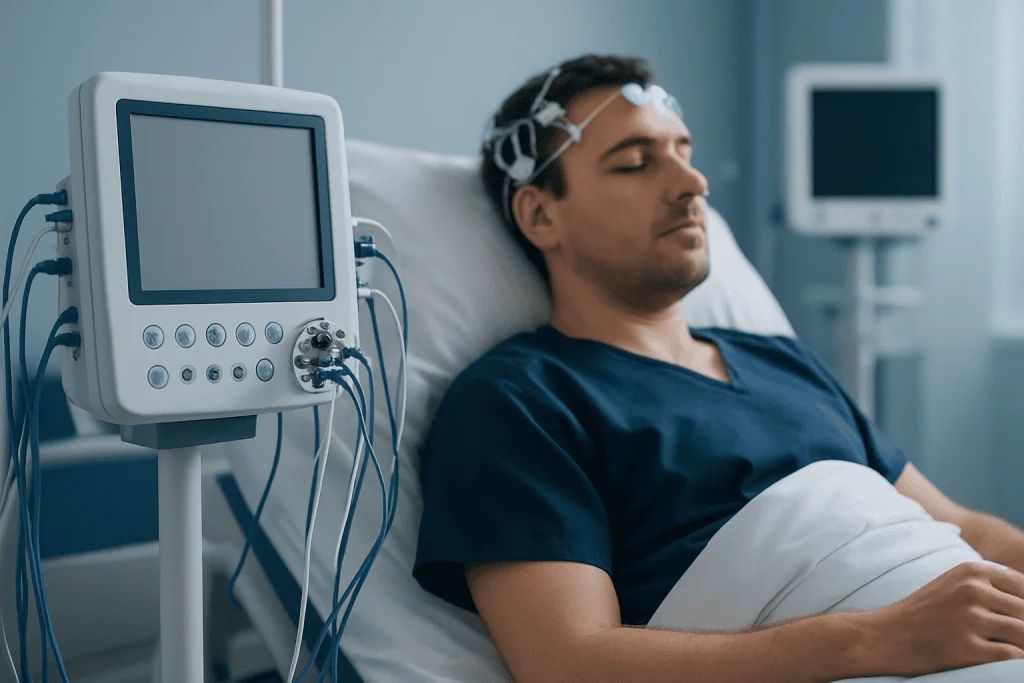
Tests may include an electroencephalogram to look for abnormal electrical activity and brain imaging such as MRI to search for structural causes. When the diagnosis remains uncertain, overnight monitoring may be recommended. Depending on the situation, this can include a formal EEG evaluation, brain MRI, or an inpatient video-EEG monitoring study that records both behavior and brain activity during sleep. In some cases, a sleep study may also be used, especially if the doctor is considering another sleep disorder.
Treatment Options
Treatment depends on what is causing the nighttime events. If sleep-related seizures are confirmed, the main treatment is usually anti-seizure medication chosen according to the seizure type, age, other health conditions, and possible side effects. The goal is to reduce or stop seizures while supporting normal sleep and daytime alertness.
If a brain lesion, other neurological condition, or medication issue is contributing to seizures, treatment may also address that underlying problem. In selected patients whose seizures continue despite medication, specialists may discuss additional options such as epilepsy surgery, neurostimulation, or other advanced epilepsy therapies after a full evaluation. Some patients may also benefit from treatment for another sleep disorder that is worsening the events.
Good sleep habits are an important part of care. Regular sleep schedules, avoiding severe sleep deprivation, taking medicines exactly as prescribed, and limiting alcohol can help reduce seizure risk in many people. Near the end of the diagnostic journey, some international patients seek coordinated care at centers such as Acibadem International, where multidisciplinary specialists in JCI-accredited hospitals evaluate and treat complex seizure and sleep-related conditions.
Prevention, Safety, and Self-Care
Not all seizures can be prevented, but reducing triggers can make a meaningful difference. Sleep deprivation is one of the most important and modifiable factors, so consistent sleep is a priority. It may also help to manage stress, avoid excess alcohol, and review any new medicines or supplements with a doctor if they seem to coincide with more episodes.
Nighttime safety measures are also important while the diagnosis is being clarified or if seizures are ongoing. Padding sharp furniture edges, lowering the bed if falls are possible, keeping the sleeping area free of dangerous objects, and considering supervision for children can reduce the chance of injury. A partner should avoid restraining the person during an event and instead focus on protecting them and noting what happened.
Families often find it useful to keep a written record of episodes, including time of night, duration, movements seen, sounds made, possible triggers, and recovery afterward. This information helps specialists decide whether the events are more suggestive of seizures, parasomnias, or both. If a doctor has confirmed a seizure disorder, following the care plan closely is the best long-term self-care approach.
When to See a Doctor
Medical review is important when nighttime events are frequent, repetitive, violent, cause injury, or are followed by confusion, weakness, or extreme sleepiness. A doctor should also be consulted if the person bites their tongue, wets the bed unexpectedly, falls out of bed, or has unexplained bruises and sore muscles in the morning. These features may suggest a seizure rather than a simple parasomnia.
Urgent medical attention is needed if a seizure lasts longer than several minutes, if seizures happen back-to-back without recovery, if breathing seems difficult, or if the event occurs in a person who is pregnant, has diabetes, or is injured. First-time seizure-like events also deserve prompt assessment. Children and older adults should not have recurrent nighttime episodes dismissed without evaluation.
If the diagnosis remains uncertain after an initial review, referral to a neurologist, epileptologist, or sleep specialist can be helpful. In some cases, further testing may also look for related conditions such as sleep apnea, which can worsen sleep quality and complicate the overall picture.
Frequently asked questions
Can sleep-related seizures look exactly like sleepwalking or night terrors?
They can look very similar, which is why confusion is common. Repeated brief episodes with the same pattern, especially if there is stiffening, jerking, tongue biting, or confusion afterward, make seizures more likely and should be assessed by a doctor.
Do people remember sleep-related seizures?
Many people do not remember the event clearly, especially if it happened from sleep. They may only notice morning clues such as fatigue, soreness, a bitten tongue, wet bedding, or reports from a partner or parent.
Are sleep-related seizures always dangerous?
Not every episode is an emergency, but they should not be ignored. The main concerns are injury, sleep disruption, and the possibility of an underlying seizure disorder that benefits from diagnosis and treatment.
What tests are commonly used to diagnose nocturnal seizures?
Doctors often begin with a detailed history and witness description, then may use EEG and brain MRI. If the diagnosis remains unclear, overnight video-EEG monitoring can be especially helpful because it records both behavior and brain activity during an event.
Can lack of sleep trigger seizures during the night?
Yes. Sleep deprivation is a common seizure trigger in people who are susceptible, so poor sleep can make nighttime events more likely or more frequent. Maintaining regular sleep is an important part of seizure care.
Are sleep-related seizures treatable?
Yes, many are treatable. Treatment often includes anti-seizure medicine, trigger reduction, and management of any underlying cause, while some patients with difficult-to-control seizures may need more specialized evaluation.
References
- International League Against Epilepsy
- American Academy of Sleep Medicine
- National Institute of Neurological Disorders and Stroke
- Epilepsy Foundation
- World Health Organization
This article is for general information only and is not a substitute for professional medical advice. Please consult a qualified doctor about your individual situation.
Explore treatments in Turkey — costs, top hospitals & a free quote
JCI-accredited · board-certified surgeons · reply within 24h
Add us as a Preferred Source to see more of our trusted health content across Google Search, AI Overviews and Discover.