Sleep Training Baby: A Complete Medical Overview

Sleep training baby approaches are not one-size-fits-all; the right method depends on age, feeding needs, temperament, and family goals. A predictable bedtime routine and safe sleep environment are the foundation of healthy infant sleep.
Key Takeaways
- Sleep training baby approaches are not one-size-fits-all; the right method depends on age, feeding needs, temperament, and family goals.
- A predictable bedtime routine and safe sleep environment are the foundation of healthy infant sleep.
- Before starting sleep training, parents should consider whether waking may be linked to hunger, illness, reflux, eczema, or another medical issue.
- Sleep training should never involve unsafe sleep positions, skipping needed feeds, or ignoring signs of illness or distress.
- If sleep problems are severe, persistent, or associated with poor growth, breathing issues, or vomiting, medical assessment is important.
Sleep training a baby means helping an infant learn to settle to sleep with less parental assistance, usually through a consistent routine and age-appropriate response plan. It can be helpful for some families, but it should be approached gently, safely, and only after hunger, illness, reflux, and other medical causes of disturbed sleep have been considered.
Overview: What Sleep Training a Baby Means
Sleep training baby strategies are structured ways to help an infant fall asleep and return to sleep with less parental help over time. In practice, this usually involves a calming bedtime routine, a consistent sleep schedule, and a planned response when the baby wakes. The goal is not to force sleep, but to support healthy sleep habits in a way that fits the baby’s developmental stage.
Many healthy babies wake during the night, especially in the first months of life. Night waking can be linked to feeding needs, normal brain development, teething, growth spurts, or temporary discomfort. For this reason, sleep training is best viewed as one tool among many, not as a cure for every sleep difficulty.
A medical overview is helpful because sleep disruption is sometimes caused or worsened by conditions such as reflux, nasal congestion, eczema-related itching, food intolerance, or breathing problems during sleep. If a baby seems unusually uncomfortable, is not feeding well, or has poor weight gain, it is sensible to look for an underlying cause before changing sleep habits.
When Babies Are Developmentally Ready
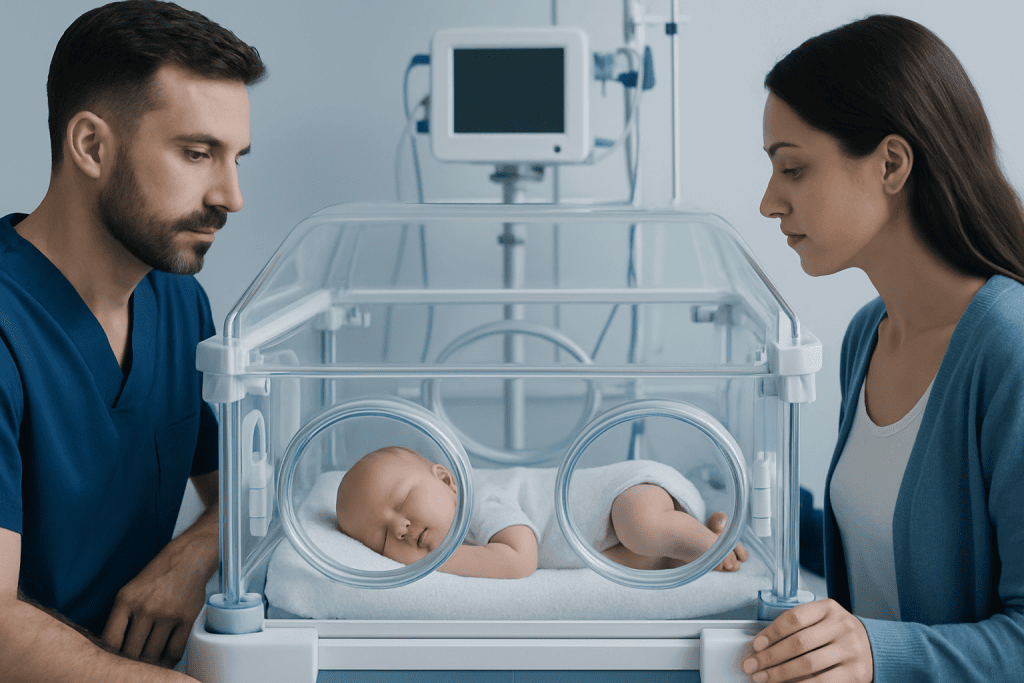
There is no single age that suits every infant. Readiness depends on the baby’s corrected age if born early, feeding pattern, weight gain, general health, and ability to self-soothe for short periods. Very young infants still need frequent feeding and close response, so formal sleep training is usually not appropriate in the newborn period.
As babies grow, sleep becomes more organized, and many begin to sleep for longer stretches. Some families consider gentle sleep training once the baby has a more predictable day-night rhythm and the pediatrician is satisfied with feeding and growth. A baby who is going through illness, vaccination recovery, travel disruption, or a developmental leap may not be ready for change at that moment.
Parents may find it useful to ask practical readiness questions: Is the baby feeding effectively? Is there a fairly regular bedtime? Can the baby sometimes settle with less rocking or feeding? If the answer is mostly yes, a gradual approach may be reasonable. If the answer is no, focusing first on routine, comfort, and medical review is often more helpful than formal training.
Common Sleep Training Methods

There are several accepted approaches to baby sleep training, and none is universally best. Responsive or gradual methods often include placing the baby down drowsy but awake, offering reassurance at intervals, or slowly reducing rocking, feeding, or holding over several nights. These methods usually suit families who want change to happen in small steps.
Some families choose a more structured behavioral approach, while others prefer a “camping out” method in which a parent stays nearby and gradually withdraws support. The key principle is consistency. Changing the response many times in one night can be confusing for the baby and stressful for caregivers.
Whatever method is chosen, it should be paired with safe sleep practices. Babies should sleep on their backs, on a firm flat mattress, without loose blankets, pillows, or soft toys. Sleep training is not appropriate if a baby is unwell, has difficulty breathing, is vomiting repeatedly, or appears in pain.
- Gentle fading: gradually reducing feeding, rocking, or contact needed to fall asleep
- Check-and-soothe: brief, calm reassurance at planned intervals
- Chair or camping-out method: staying nearby, then slowly increasing distance
- Routine-based approach: strengthening bedtime timing and sleep cues before changing responses overnight
Possible Reasons a Baby Is Not Sleeping Well
Not every sleep problem is a behavioral issue. Babies may wake frequently because they are hungry, overtired, overstimulated, too hot or too cold, or dealing with a temporary change such as teething or a cold. In other cases, persistent waking may be linked to discomfort from eczema, blocked nasal passages, or digestive symptoms.
Feeding-related discomfort can also affect sleep. Babies with arching, frequent spit-up, coughing during feeds, or distress after lying flat may need evaluation for gastroesophageal reflux disease. If sleep disturbance is accompanied by snoring, pauses in breathing, noisy breathing, or sweating during sleep, clinicians may also consider airway or sleep-related breathing concerns.
Sometimes the main problem is not illness but an association: the baby has learned to fall asleep only while feeding, being rocked, or being held. This is common and not a sign of poor parenting. However, if a sleep association is the major issue, the baby may fully wake between sleep cycles and need the same help each time to return to sleep.
Families should also remember that parental exhaustion can make sleep patterns feel even harder to manage. Keeping a simple sleep diary for a week can help show whether the problem is bedtime resistance, frequent short naps, early morning waking, or repeated night wakings, each of which may need a slightly different plan.
Medical Assessment and Diagnosis
There is no laboratory test for a sleep association or a routine behavioral sleep problem. Diagnosis usually begins with a detailed history: the baby’s age, birth history, feeding pattern, growth, bedtime routine, night waking pattern, naps, medications, and symptoms such as vomiting, rashes, snoring, or breathing pauses. A doctor may ask parents to bring a sleep log or videos of nighttime sounds or movements.
A physical examination may focus on growth, hydration, ears, nose, throat, skin, abdomen, and breathing. Depending on symptoms, the doctor may recommend further evaluation. For example, if reflux symptoms are prominent, specialist review may be helpful, and some babies may need assessment through pediatric gastroenterology. If there are airway concerns, evaluation by pediatric specialists or a sleep-focused team may be appropriate.
In most cases, the aim of the assessment is to rule out illness, confirm normal development, and help families choose safe behavioral strategies. If a baby has severe sleep disturbance along with poor weight gain, cyanosis, recurrent choking, or unusual movements, the priority is medical evaluation rather than home sleep training.
Treatment Options and Practical Sleep Support
Treatment depends on the cause. If a baby’s sleep is disrupted by a medical condition, managing that condition comes first. This may include treatment for skin irritation, feeding difficulties, or reflux-related discomfort. When symptoms suggest a digestive problem, targeted care such as reflux treatment may be part of the plan, depending on the clinician’s assessment.
When the main issue is sleep habit formation, treatment is usually behavioral and family-centered. Helpful measures include choosing a regular bedtime, using dim light in the evening, keeping feeds calm and unhurried, and placing the baby down sleepy but still awake when possible. During the night, responses should be calm, brief, and consistent with the method the family has chosen.
Progress is often gradual rather than immediate. Some babies improve within days, while others need a few weeks of steady practice. It is common for sleep to temporarily worsen during illness, travel, teething, or developmental changes. This does not mean the approach has failed; it simply means the plan may need to pause or be adjusted.
Parents should not blame themselves if a method does not suit their child. A plan that supports the baby’s safety, feeding, and emotional regulation is more important than following a rigid schedule. If uncertainty continues, a pediatrician can help tailor a strategy to the infant’s age and symptoms.
Prevention and Self-Care for Healthier Infant Sleep
Healthy sleep habits often begin with predictability rather than strictness. A short pre-sleep routine, such as feeding, bathing, reading, singing, or cuddling, helps the baby recognize that bedtime is approaching. Consistent wake times and age-appropriate naps may also reduce overtiredness, which commonly makes settling more difficult.
The sleep environment matters. A dark, quiet room with a comfortable temperature can help, but safe sleep remains the highest priority. Babies should sleep on their backs, on a firm flat surface, in a sleep space free from loose bedding and soft objects. Caregivers should avoid unsupported sitting devices or sofas for sleep.
Parents’ self-care is also part of good infant sleep management. Sharing nighttime responsibilities when possible, resting during the day, and asking for practical help can reduce exhaustion. If a caregiver feels overwhelmed, hopeless, or persistently anxious about the baby’s sleep, medical support is important because parental mental health can strongly affect family well-being.
For families traveling internationally or seeking specialist input, Acibadem International’s multidisciplinary teams in JCI-accredited hospitals evaluate and treat infants with feeding, reflux, and sleep-related concerns when needed.
When to Seek Medical Care
Medical advice is recommended if a baby’s sleep problem is persistent and paired with other symptoms. Examples include poor feeding, poor weight gain, repeated vomiting, chronic cough, severe irritability, fever, rash, noisy breathing, snoring, pauses in breathing, or unusual body movements during sleep. In these situations, the focus should be on identifying and treating the cause rather than simply changing bedtime behavior.
Urgent care is needed if the baby has breathing difficulty, turns blue or very pale, is hard to wake, shows signs of dehydration, or has repeated choking or vomiting. Caregivers should also seek help if they feel too exhausted to safely care for the baby or if concerns about sleep are affecting mental health.
It is always reasonable to discuss sleep with a qualified doctor, even when symptoms seem mild. Early guidance can reassure families, improve routines, and help distinguish normal infant waking from a problem that needs medical attention.
Frequently asked questions
What does sleep training a baby actually mean?
Sleep training means helping a baby learn to fall asleep and settle back to sleep with less assistance over time. It usually combines a consistent routine, safe sleep habits, and a planned way for caregivers to respond at bedtime and during night waking.
At what age can parents consider sleep training?
There is no single correct age for every baby. Readiness depends on health, feeding needs, growth, and developmental stage, so families should discuss timing with their pediatrician, especially for younger infants or babies born prematurely.
Is it harmful for a baby to cry during sleep training?
Short periods of fussing can occur with some methods, but sleep training should never mean ignoring signs of illness, pain, breathing difficulty, or severe distress. Many families choose gradual, responsive methods that aim to reduce crying while still building consistent sleep habits.
Can reflux or illness look like a sleep problem?
Yes. Babies who have reflux, nasal congestion, eczema, feeding problems, or other medical issues may wake often because they are uncomfortable rather than because they need behavioral sleep training. If sleep trouble comes with vomiting, poor growth, coughing, rash, or breathing symptoms, medical review is important.
How long does sleep training usually take?
Some babies improve within a few days, while others need several weeks of consistent practice. Progress is rarely perfectly steady, and temporary setbacks are common during illness, teething, travel, or developmental changes.
Should night feeds be stopped during sleep training?
Not necessarily. Many babies, especially younger infants, still need night feeds, and cutting them too soon may be unsafe or ineffective. Decisions about reducing nighttime feeds should be guided by the baby’s age, growth, and advice from a qualified doctor.
References
- American Academy of Pediatrics
- Centers for Disease Control and Prevention
- National Institute for Health and Care Excellence
- American Academy of Sleep Medicine
- World Health Organization
This article is for general information only and is not a substitute for professional medical advice. Please consult a qualified doctor about your individual situation.
Explore treatments in Turkey — costs, top hospitals & a free quote
JCI-accredited · board-certified surgeons · reply within 24h
Add us as a Preferred Source to see more of our trusted health content across Google Search, AI Overviews and Discover.

More from the Health Library

Stroke Test: What Patients Need to Know

How Can I Get Rid of Cellulite?

Advantages Cold Showers — Explained by Medical Evidence, Not Myths

Contraindications for Miralax: An Evidence-Based Guide for Patients

Water Kefir: An Evidence-Based Guide for Patients