Sleepy All Day: What Patients Need to Know
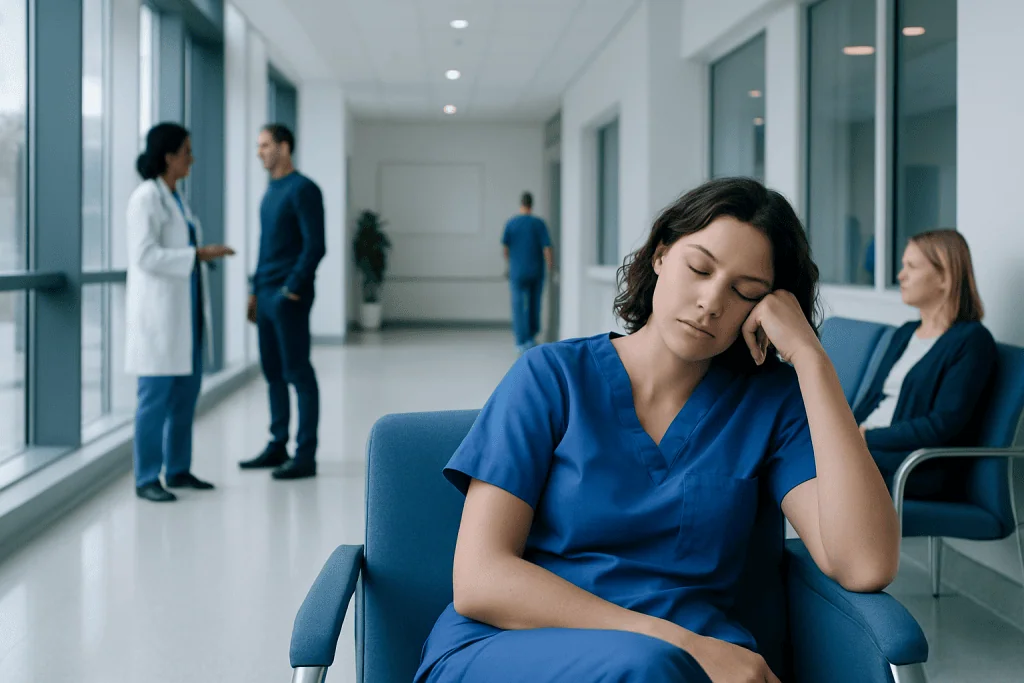
Persistent daytime sleepiness is different from occasional tiredness after a short night of sleep. Poor sleep quality can cause sleepiness even when a person spends enough hours in bed.
Key Takeaways
- Persistent daytime sleepiness is different from occasional tiredness after a short night of sleep.
- Poor sleep quality can cause sleepiness even when a person spends enough hours in bed.
- Sleep apnea, restless legs syndrome, medicines, depression, anemia and thyroid disorders are among possible contributors.
- Drowsy driving and unintended sleep episodes require prompt attention because they can increase the risk of injury.
- A sleep diary, medication review and targeted medical assessment can help clarify the reason for ongoing sleepiness.
Feeling sleepy all day is often linked to insufficient or disrupted sleep, but it can also reflect medication effects, mood concerns, or an underlying medical or sleep condition. When daytime sleepiness persists, affects safety, or interferes with daily life, a healthcare professional can help identify the cause and appropriate treatment.
Sleepy All Day: What Does It Mean?
Being sleepy all day means having an ongoing tendency to doze off, struggle to stay alert, or feel an unusually strong need to sleep during waking hours. It is sometimes called excessive daytime sleepiness. It differs from feeling physically tired: fatigue may involve low energy or reduced motivation, whereas sleepiness is a real likelihood of falling asleep.
An occasional sleepy day is common after a late night, travel, illness, or a disrupted routine. However, sleepiness that continues for weeks, occurs despite adequate time in bed, or affects work, school, relationships, or driving deserves attention. It is a symptom rather than a diagnosis, and the underlying reason is often treatable once identified.
People can become used to functioning while drowsy and may not realize how much it affects concentration, memory, mood, reaction time, and decision-making. Regular unplanned naps, nodding off while reading or watching television, and difficulty staying awake in passive situations may all be useful clues to discuss with a doctor.
Why a Full Night in Bed May Not Feel Restorative
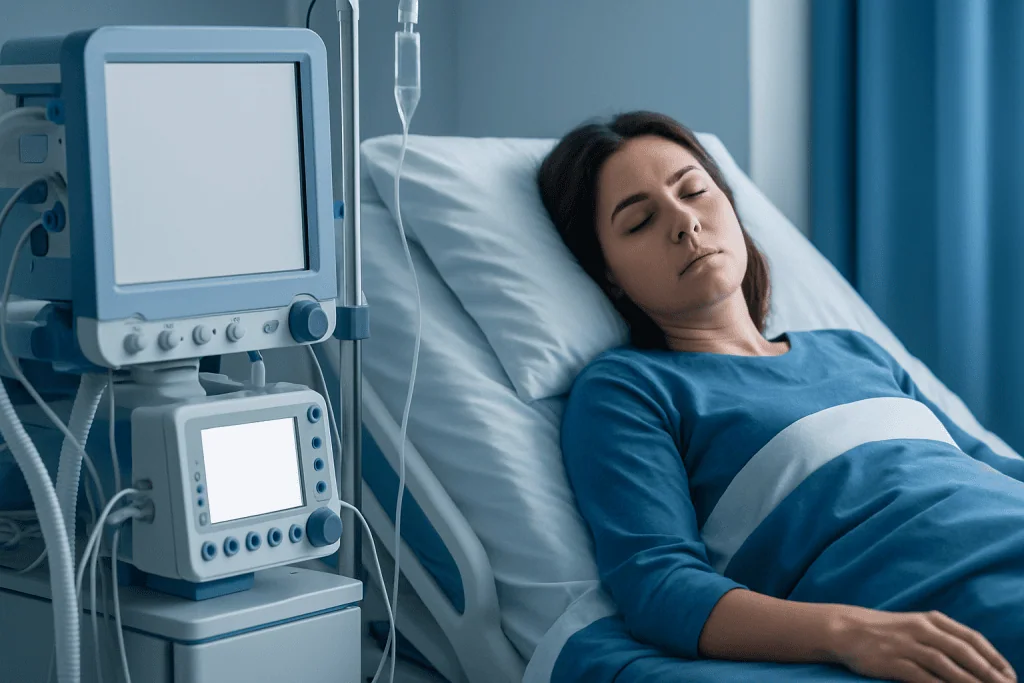
Adults generally need about seven to nine hours of sleep each night, although individual needs differ. Spending sufficient time in bed does not always mean that sleep has been deep, regular, or restorative. Frequent awakenings, an inconsistent sleep schedule, noise, pain, alcohol, and a bedroom that is too bright or warm can reduce sleep quality.
Sleep debt can also build gradually. Someone who sleeps a little less than they need on most nights may feel increasingly sleepy over time, even if they do not notice severe sleep loss on any one night. Shift work, caring responsibilities, long commutes, and frequent time-zone changes can make it harder for the body clock to support alertness during the day.
Brief daytime naps may help some people, particularly when kept earlier in the day and limited in length. Long or late naps, however, can make it harder to fall asleep at night and can reinforce an irregular sleep-wake pattern. A clinician can help distinguish a routine-related problem from a sleep or medical disorder.
Common Causes of Daytime Sleepiness

Insufficient sleep is a common explanation, but disrupted breathing during sleep is another important cause. In obstructive sleep apnea, the airway repeatedly narrows or closes during sleep, interrupting normal breathing and sleep continuity. Loud habitual snoring, witnessed pauses in breathing, gasping, morning headaches, dry mouth, and waking unrefreshed can be associated features. Learn more about sleep apnea.
Other sleep-related causes include insomnia, circadian rhythm sleep-wake disorders, restless legs syndrome, periodic limb movements during sleep, and less common conditions such as narcolepsy or idiopathic hypersomnia. Narcolepsy may involve sudden sleep episodes, vivid dream-like experiences as a person falls asleep or wakes, sleep paralysis, or sudden brief muscle weakness triggered by strong emotion. These symptoms should be assessed by a qualified clinician.
Medical and emotional health factors can contribute as well. Depression, anxiety, chronic pain, infections, anemia, underactive thyroid function, diabetes, heart or lung disease, and neurological conditions may disturb sleep or reduce daytime alertness. Sleepiness may also occur during pregnancy or after major changes in health, activity, or routine.
Medication and substance effects are frequently overlooked. Some allergy medicines, pain medicines, anti-anxiety medicines, sleeping tablets, certain antidepressants, and medicines for blood pressure or seizures may cause drowsiness. Alcohol can fragment sleep later in the night despite making a person feel sleepy at first. Caffeine can temporarily improve alertness but may worsen nighttime sleep if used late in the day.
Clues That Can Help Identify the Cause
The timing and pattern of sleepiness can offer useful information. Sleepiness after consistently short nights may point toward insufficient sleep. Drowsiness that is strongest during quiet activities but improves with activity may be different from sleepiness that causes unexpected sleep episodes in active settings. Symptoms such as snoring, restless legs, nighttime reflux, pain, frequent urination, or repeated awakenings should also be noted.
It can be helpful to keep a sleep diary for one to two weeks before an appointment. This may include bedtimes, wake times, naps, caffeine and alcohol use, medicines, work shifts, exercise, nighttime symptoms, and how alert the person feels during the day. Wearable devices may provide general sleep-pattern information, but they do not diagnose sleep disorders.
A doctor may ask about mental health, diet, recent illness, and family history, as well as review all prescribed medicines, over-the-counter products, and supplements. They may use a questionnaire to assess daytime sleepiness and arrange blood tests when anemia, thyroid disease, metabolic concerns, or other medical conditions are possible.
If a sleep disorder is suspected, assessment may include an overnight sleep study or home sleep apnea test for selected patients. Some people need specialized daytime testing to measure how quickly they fall asleep and whether they enter dream sleep unusually early. The right test depends on the symptoms and medical history.
Treatment Depends on the Underlying Reason
Effective treatment focuses on the cause rather than simply trying to stay awake. When sleep duration or timing is the main issue, establishing a regular sleep schedule and protecting time for sleep can make a meaningful difference. Managing pain, nasal symptoms, reflux, mood concerns, or other health conditions may also improve sleep quality and daytime functioning.
For obstructive sleep apnea, treatment can include lifestyle measures, positional approaches, oral appliances for appropriate patients, or positive airway pressure therapy. In some cases, procedures may be considered after specialist evaluation. A formal sleep study can help clarify whether breathing disturbances or another sleep problem is present.
If a medicine is contributing to drowsiness, a prescriber may be able to adjust the timing, dose, or medication choice. People should not stop prescription medicines suddenly or change treatment without medical advice. Specific treatments for narcolepsy and other central disorders of hypersomnolence are chosen by sleep specialists based on a thorough diagnosis.
Acibadem International’s multidisciplinary specialists and JCI-accredited hospitals assess sleep-related and medical causes of persistent daytime sleepiness for international patients. An individualized evaluation can coordinate sleep medicine, neurology, respiratory care, internal medicine, and mental health support when needed.
Practical Steps to Support Daytime Alertness
A consistent wake-up time is often a useful starting point, including on days off when possible. Adults can aim to allow enough time for sleep, create a calm and dark sleep environment, and use a wind-down routine that does not rely on alcohol. Bright light exposure in the morning and regular daytime movement may support the body’s sleep-wake rhythm.
It may help to limit caffeine later in the day and avoid nicotine close to bedtime. Heavy meals, alcohol, and vigorous exercise immediately before bed can disturb sleep for some people. Screens and stimulating work near bedtime may also delay sleep, particularly when they replace a consistent wind-down routine.
Safety is essential. A person who feels drowsy should not drive, operate machinery, work at heights, or take on other safety-sensitive tasks. Opening a window, turning up music, or using caffeine is not a reliable solution for drowsy driving. The safer option is to stop driving and arrange rest or alternative transport.
These measures can support healthy sleep, but they are not a substitute for assessment when sleepiness is persistent or severe. Continuing to push through significant drowsiness can delay diagnosis and increase the risk of mistakes or accidents.
When to Seek Medical Care
Medical advice is appropriate when someone feels sleepy all day most days for more than a few weeks, sleeps enough but does not feel refreshed, or finds that drowsiness is affecting daily activities. An appointment is also important for loud snoring, witnessed breathing pauses, waking gasping or choking, repeated morning headaches, uncomfortable urges to move the legs at night, or sudden uncontrollable sleep episodes.
Prompt medical assessment is recommended if daytime sleepiness has led to near-misses while driving, falling asleep at work, or other safety concerns. A person should seek urgent care for new severe confusion, fainting, weakness on one side of the body, chest pain, severe shortness of breath, or other sudden symptoms that may indicate an emergency.
Healthcare professionals can assess whether the problem is related to sleep habits, medications, a sleep disorder, or another health condition. Bringing a sleep diary and an up-to-date medication list can make the visit more productive and support a clear plan for next steps.
Frequently asked questions
Why am I sleepy all day even after sleeping for eight hours?
Eight hours in bed may not equal eight hours of restful sleep. Fragmented sleep, sleep apnea, an irregular body clock, medicines, stress, pain, and medical conditions can all reduce sleep quality. Persistent sleepiness despite adequate opportunity for sleep should be discussed with a doctor.
Is being sleepy all day the same as fatigue?
No. Sleepiness is a tendency to fall asleep or difficulty staying awake, while fatigue is more often a feeling of exhaustion, low energy, or reduced stamina. They can occur together, and both may have overlapping causes.
Can sleep apnea make a person sleepy during the day?
Yes. Repeated breathing interruptions can disrupt normal sleep even when a person does not fully remember waking. Common clues include snoring, gasping during sleep, morning headaches, dry mouth, and unrefreshing sleep, but not everyone has all of these signs.
Can anxiety or depression cause daytime sleepiness?
They can. Anxiety and depression may change sleep duration, sleep quality, and daily energy, and some medicines used to treat mental health conditions can also cause drowsiness. A clinician can help identify contributing factors without assuming that symptoms are due to mood alone.
What should a person do if they feel sleepy while driving?
They should pull over safely as soon as possible and avoid continuing to drive while drowsy. Caffeine, fresh air, loud music, and conversation do not reliably prevent sleep-related driving impairment. Ongoing drowsy driving should prompt medical assessment.
What tests might be used for excessive daytime sleepiness?
A doctor may begin with a medical history, physical examination, medication review, sleep diary, and selected blood tests. Depending on the symptoms, they may recommend an overnight sleep study, a home sleep apnea test, or specialized daytime sleep testing.
This article is for general information only and is not a substitute for professional medical advice. Please consult a qualified doctor about your individual situation.
Explore treatments in Turkey — costs, top hospitals & a free quote
JCI-accredited · board-certified surgeons · reply within 24h
Add us as a Preferred Source to see more of our trusted health content across Google Search, AI Overviews and Discover.
Check your numbers in seconds
BMI, calories, due date, blood pressure and 30+ more clinical calculators — free, instant, doctor-reviewed ranges.

More from the Health Library

Aversion: An Evidence-Based Guide for Patients

Normal Blood Sugar — Explained by Medical Evidence, Not Myths

Ginger Benefits Sexually: A Complete Medical Overview

Loratadine: What Patients Need to Know

Tavr Procedure: An Evidence-Based Guide for Patients