Small Bowel: What Patients Need to Know

The small bowel is a long part of the digestive tract that digests food and absorbs most nutrients. Symptoms linked to small bowel problems may include abdominal pain, bloating, diarrhea, nausea, bleeding, or unexplained weight loss.
Key Takeaways
- The small bowel is a long part of the digestive tract that digests food and absorbs most nutrients.
- Symptoms linked to small bowel problems may include abdominal pain, bloating, diarrhea, nausea, bleeding, or unexplained weight loss.
- Small bowel conditions range from temporary infections to chronic diseases such as Crohn’s disease, celiac disease, and bowel obstruction.
- Diagnosis may involve blood tests, stool tests, imaging, endoscopy, or capsule endoscopy depending on symptoms.
- Treatment depends on the cause and may include dietary changes, medicines, endoscopic care, or surgery.
- Prompt medical review is important for severe pain, dehydration, ongoing bleeding, or signs of obstruction.
The small bowel, also called the small intestine, is where most digestion and nutrient absorption happen. When it is affected by inflammation, infection, blockage, bleeding, or other disorders, symptoms such as pain, bloating, diarrhea, or weight loss may develop and should be assessed in context.
Overview: what the small bowel does
The small bowel, also known as the small intestine, is the part of the digestive system between the stomach and the large intestine. It is a long, folded tube made up of three sections: the duodenum, jejunum, and ileum. Although it is called “small,” it is much longer than the large intestine and has a large surface area designed to process food efficiently.
Its main job is to continue digestion after food leaves the stomach and to absorb nutrients into the bloodstream. Proteins, carbohydrates, fats, vitamins, minerals, and much of the body’s fluid intake are handled here. The lining of the small bowel contains tiny structures that increase its surface area, helping the body absorb what it needs from food.
Because the small bowel has such an important role, problems in this area can affect more than digestion alone. A disorder may cause stomach discomfort, changes in bowel habits, poor nutrient absorption, anemia, fatigue, or weight loss. Some small bowel conditions are temporary and resolve with simple treatment, while others are long-term and need specialist care.
How small bowel problems can feel
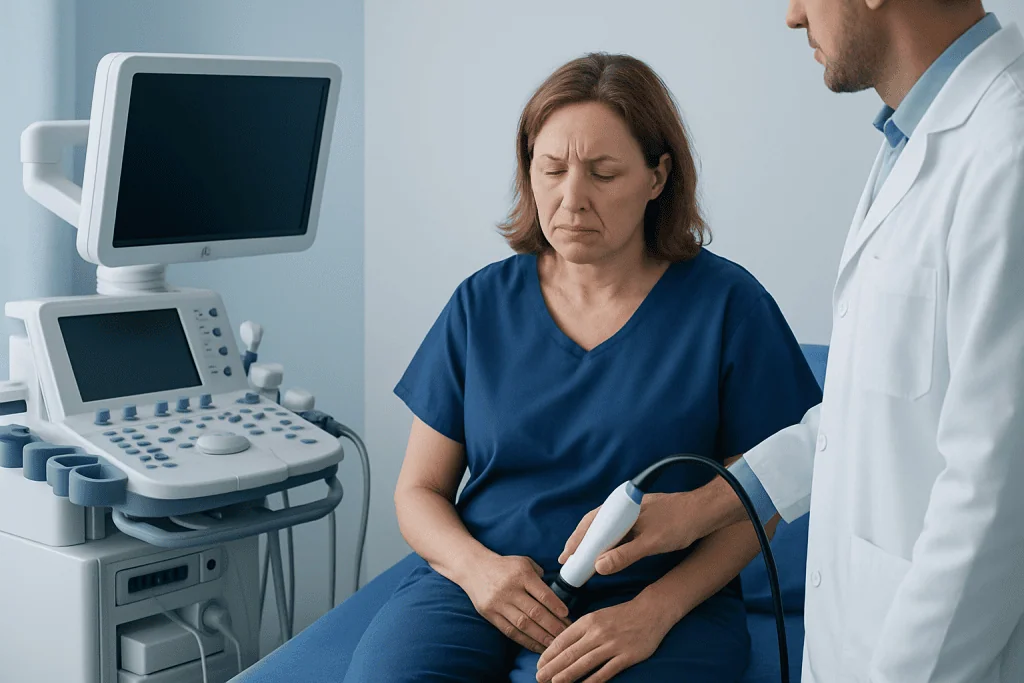
Symptoms of a small bowel problem can vary widely depending on the cause, the part of the bowel involved, and whether the problem is sudden or chronic. Some people notice mild bloating after meals, while others develop more persistent symptoms that interfere with eating, energy levels, or daily activities.
Common symptoms may include cramping abdominal pain, bloating, nausea, vomiting, diarrhea, constipation, or a feeling of fullness. If the bowel is not absorbing nutrients well, there may also be unintended weight loss, weakness, pale skin, anemia, or vitamin deficiencies. In some cases, blood may appear in the stool, or the stool may become dark and tarry, which can suggest bleeding higher in the digestive tract.
Symptoms do not always point to a single diagnosis. For example, abdominal discomfort and diarrhea may be related to infection, inflammation, food intolerance, Crohn’s disease, or celiac disease. A careful assessment helps distinguish a short-lived digestive upset from a condition that needs targeted treatment.
- Abdominal pain or cramps
- Bloating or excessive gas
- Diarrhea or changes in bowel habits
- Nausea and vomiting
- Unexplained weight loss
- Fatigue, anemia, or signs of poor absorption
- Blood in the stool or black stools
Common causes and risk factors
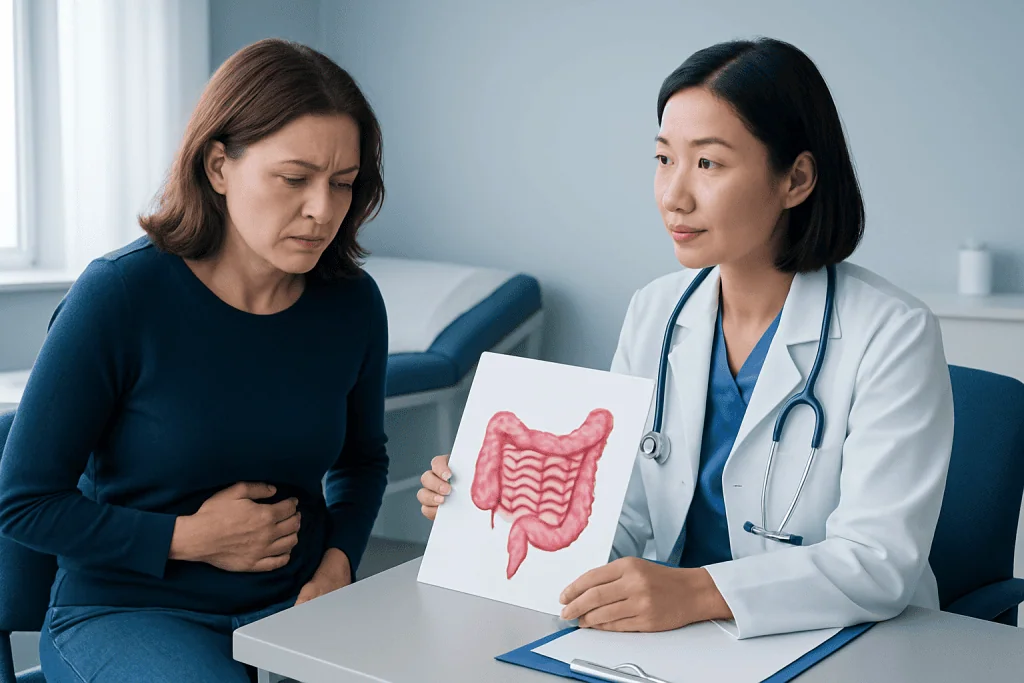
Small bowel symptoms can develop for many reasons. Infections may cause short-term inflammation and diarrhea. Food-related conditions, such as celiac disease, damage the bowel lining and reduce nutrient absorption. Chronic inflammatory conditions, especially Crohn’s disease, can affect the small bowel over time and lead to pain, diarrhea, strictures, or fistulas.
Mechanical problems can also occur. A bowel obstruction may be caused by scar tissue from prior surgery, a hernia, inflammation, or less commonly a tumor. Reduced blood flow to the intestines, certain medicines, bacterial overgrowth, ulcers, or bleeding from the small bowel are other possible causes. Rarely, inherited or immune-related disorders are involved.
Risk factors depend on the condition. They may include a family history of digestive disease, previous abdominal surgery, autoimmune disease, long-term use of some medications, smoking, certain infections, or radiation exposure to the abdomen. In many patients, symptoms are caused by conditions that are treatable once identified, so persistent digestive changes should not be ignored.
How doctors diagnose small bowel conditions
Diagnosis starts with a detailed history and physical examination. A doctor will ask about pain, bowel habits, food triggers, weight changes, fever, travel, medication use, previous surgery, and family history. Blood tests may check for anemia, inflammation, infection, dehydration, and nutrient deficiencies. Stool tests can help look for infection, bleeding, or inflammatory markers.
Because the small bowel is deep inside the abdomen, imaging is often helpful. Ultrasound, CT, or MRI may be used to look for obstruction, inflammation, thickening, abscesses, or other structural problems. When the concern is ongoing bleeding, inflammation, or a lesion inside the bowel, specialized tests may be recommended.
Depending on symptoms, a gastroenterologist may advise capsule endoscopy to visualize areas of the small bowel that are difficult to reach with standard endoscopy. In selected cases, endoscopy or colonoscopy can assess the upper digestive tract or the end of the small bowel, and biopsies may be taken to confirm conditions such as celiac disease or inflammatory bowel disease. The exact workup is tailored to the patient’s symptoms and overall health.
Treatment options and ongoing care
Treatment depends entirely on the underlying cause. A short-term infection may improve with hydration, rest, and symptom-guided care. Inflammatory disorders may need medication to reduce inflammation and control the immune response. If poor absorption is the main issue, treatment focuses on correcting the cause and replacing missing nutrients such as iron, vitamin B12, folate, or other vitamins and minerals.
Dietary changes can be important, but they should be based on a clear diagnosis whenever possible. For example, celiac disease requires strict avoidance of gluten, while other conditions may improve with temporary adjustments such as smaller meals, low-residue foods during a flare, or guided elimination of trigger foods. A doctor or dietitian can help ensure that needed nutrition is maintained.
Some small bowel conditions need procedures or surgery. Severe narrowing, perforation, persistent bleeding, or bowel obstruction may require hospital treatment and sometimes general surgery. In complex digestive diseases, care may involve gastroenterologists, surgeons, radiologists, pathologists, and nutrition specialists. Near the end of the care pathway, some international patients may choose evaluation at Acibadem International, where multidisciplinary specialists in JCI-accredited hospitals diagnose and treat digestive conditions.
Prevention and self-care for small bowel health
Not every small bowel disorder can be prevented, but general digestive health habits can lower risk and support recovery. Good hand hygiene, safe food handling, and drinking clean water can reduce some infections. Avoiding unnecessary use of medications that may irritate the digestive tract, especially without medical advice, may also help.
For people with chronic digestive symptoms, keeping a symptom diary can be useful. Recording meals, bowel changes, pain, and any related triggers may help a doctor identify patterns. Eating balanced meals, staying hydrated, and seeking help early for ongoing symptoms can reduce complications such as dehydration or nutrient deficiency.
Self-care should not replace medical review when symptoms are significant or persistent. Over-the-counter remedies may ease temporary discomfort, but they can also mask signs of a more serious problem. If there is concern about chronic inflammation, malabsorption, or unexplained bleeding, formal assessment is the safest approach.
When to seek medical care
Medical advice is recommended if abdominal symptoms last more than a few days, keep returning, or begin to affect appetite, hydration, sleep, or weight. Ongoing diarrhea, repeated vomiting, bloating that does not settle, or signs of anemia such as unusual tiredness should also be assessed. These symptoms do not always mean serious disease, but they deserve proper evaluation.
Urgent care is important for severe or worsening abdominal pain, a swollen abdomen, inability to pass stool or gas, persistent vomiting, fainting, black stools, or visible blood in the stool. These can be warning signs of bleeding, obstruction, or another complication that needs prompt treatment. High fever, dehydration, or sudden weakness also warrant medical attention.
If symptoms suggest a complicated bowel disorder, a specialist may recommend advanced digestive testing, imaging, or hospital-based care. Conditions such as bowel obstruction should be evaluated without delay. Early diagnosis often makes treatment more straightforward and can help prevent avoidable complications.
Frequently asked questions
What is the small bowel?
The small bowel is another name for the small intestine, the part of the digestive tract between the stomach and the large intestine. It breaks down food further and absorbs most nutrients, vitamins, minerals, and fluids.
What symptoms can suggest a small bowel problem?
Symptoms may include abdominal pain, bloating, diarrhea, nausea, vomiting, unexplained weight loss, or fatigue. In some cases, bleeding, black stools, or signs of poor nutrient absorption may occur.
Are small bowel symptoms always serious?
No. Some symptoms come from short-term infections, food intolerance, or mild digestive upset. However, persistent, recurrent, or severe symptoms should be checked by a doctor because they can also be linked to inflammation, blockage, bleeding, or malabsorption.
How is the small bowel examined?
Doctors may use blood tests, stool tests, CT or MRI scans, and endoscopic procedures depending on the concern. Capsule endoscopy can be especially helpful because it allows doctors to view parts of the small bowel that are hard to reach with standard scopes.
Can small bowel conditions be treated without surgery?
Many can. Infections, inflammatory conditions, and some absorption problems are often managed with medicines, dietary changes, hydration, and nutritional support. Surgery is usually reserved for complications such as obstruction, severe narrowing, perforation, or ongoing bleeding.
What is the difference between the small bowel and the large bowel?
The small bowel mainly digests food and absorbs nutrients. The large bowel, or colon, absorbs water and helps form and store stool before it leaves the body.
References
- National Institute of Diabetes and Digestive and Kidney Diseases
- National Health Service
- Mayo Clinic
- American College of Gastroenterology
- World Gastroenterology Organisation
This article is for general information only and is not a substitute for professional medical advice. Please consult a qualified doctor about your individual situation.
Medical weight-loss options in Turkey — costs & eligibility
JCI-accredited · board-certified surgeons · reply within 24h
Add us as a Preferred Source to see more of our trusted health content across Google Search, AI Overviews and Discover.

More from the Health Library



Related Specialists

Dr. Sercan Başböyük
Anesthesiology
Assoc. Prof. Dr. Erdem Güven (m)
Aesthetic Plastic & Reconstructive Surgery
Esra Er
Physical Medicine & Rehabilitation
Dr. Cihangir Görgülü
Radiology