Small Carcinoma of the Lung: Early Signs, Risk Factors, and How It Is Treated
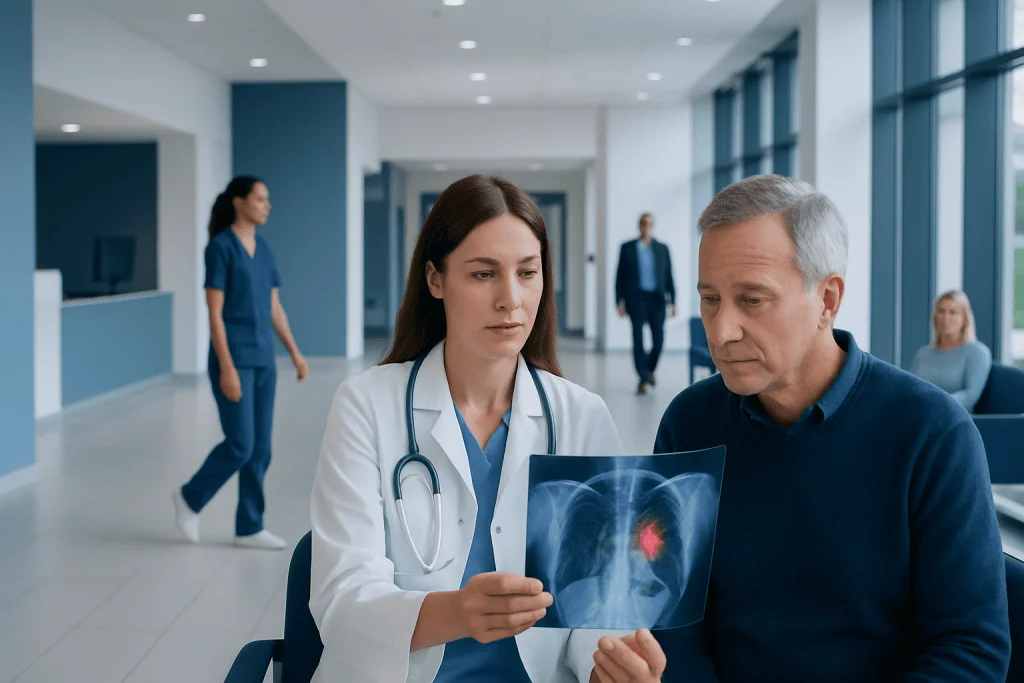
Small carcinoma of the lung usually refers to small cell lung cancer, an aggressive type of lung cancer. Smoking is the main risk factor, though not everyone diagnosed has the same exposure history.
Key Takeaways
- Small carcinoma of the lung usually refers to small cell lung cancer, an aggressive type of lung cancer.
- Smoking is the main risk factor, though not everyone diagnosed has the same exposure history.
- Symptoms may include a persistent cough, chest pain, shortness of breath, weight loss, and fatigue.
- Diagnosis often involves imaging, biopsy, and staging tests to see whether the cancer has spread.
- Treatment commonly includes chemotherapy and radiation, with immunotherapy used in selected cases.
- New or worsening breathing symptoms, coughing up blood, or unexplained weight loss should be assessed by a doctor.
Small carcinoma of the lung is a fast-growing form of lung cancer that often starts in the airways and tends to spread earlier than many other lung cancers. Early symptoms can be subtle, but prompt evaluation, accurate staging, and timely treatment can help guide care and improve symptom control.
Overview: What Small Carcinoma of the Lung Means
Small carcinoma of the lung usually refers to small cell lung cancer, a type of lung cancer made up of small abnormal cells that grow quickly. It most often begins near the central airways of the lungs and is known for spreading earlier than many other lung cancer types. Because of this behavior, doctors focus not only on confirming the diagnosis but also on determining how far the disease has spread.
This cancer is strongly associated with tobacco exposure, although a person’s exact risk depends on many factors, including smoking history, secondhand smoke, occupational exposures, age, and overall health. Some people notice symptoms early, while others are diagnosed after a chest scan done for another reason or after symptoms develop outside the lungs because the cancer has spread.
Understanding the nature of small carcinoma of the lung can help patients and families make sense of the treatment plan. Care usually involves a multidisciplinary team that may include pulmonologists, medical oncologists, radiation oncologists, thoracic surgeons, radiologists, and pathologists. The goal is to define the stage accurately, relieve symptoms, and choose the most appropriate therapy for the individual.
Early Signs and Symptoms
Early signs of small carcinoma of the lung can be easy to overlook because they may resemble common respiratory illnesses. A cough that does not go away, increasing shortness of breath, wheezing, chest discomfort, hoarseness, or repeated chest infections can all be warning signs. In some people, the first clue is a noticeable decline in energy or appetite rather than a dramatic chest symptom.
As the disease grows, symptoms may become more apparent. Coughing up blood, unexplained weight loss, ongoing fatigue, or pain in the chest, shoulder, or back deserve prompt medical attention. If the cancer spreads, symptoms can also involve other areas of the body, such as headaches, balance problems, bone pain, or neurological changes.
Small cell lung cancers can sometimes produce hormone-like substances that cause what doctors call paraneoplastic syndromes. These effects may lead to weakness, confusion, low sodium, muscle problems, or other unusual symptoms not directly caused by the tumor mass itself. This is one reason a thorough medical evaluation is important when symptoms do not have a clear explanation.
- Persistent cough or a change in a chronic cough
- Shortness of breath or wheezing
- Chest pain or pressure
- Coughing up blood
- Unexplained weight loss or poor appetite
- Fatigue or repeated lung infections
Causes and Risk Factors
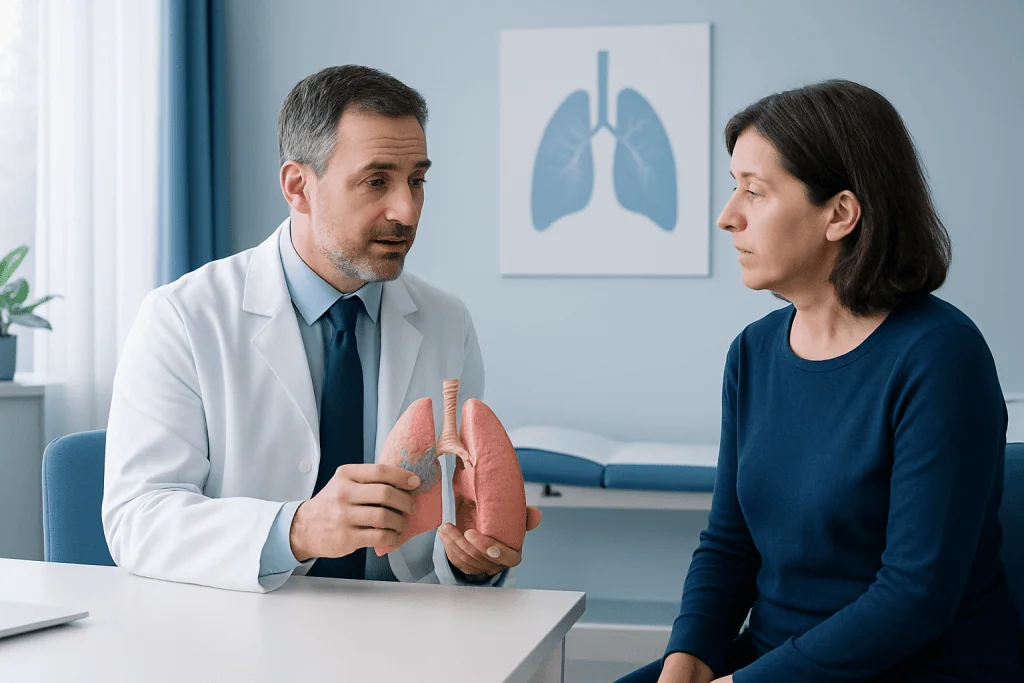
The strongest risk factor for small carcinoma of the lung is cigarette smoking. The risk generally rises with longer duration and heavier tobacco exposure, but former smokers can also develop this cancer years after quitting. Pipe and cigar smoking may also contribute, and secondhand smoke can increase risk as well.
Other possible risk factors include exposure to radon, asbestos, diesel exhaust, and certain industrial chemicals. Air pollution and a history of previous radiation exposure to the chest may also play a role in some people. Family history can contribute to overall lung cancer risk, though smoking remains the dominant factor for small cell disease.
Having risk factors does not mean a person will definitely develop cancer, and some people with lung cancer have no obvious high-risk exposure beyond age or environmental factors. Still, reducing tobacco exposure is the most effective preventive step. People at higher risk may also benefit from discussing lung cancer screening and respiratory symptoms with a qualified physician, especially if they have a history of smoking or chronic lung disease.
How Doctors Diagnose and Stage It
Diagnosis begins with a medical history, physical examination, and imaging tests. A chest X-ray may show an abnormality, but a chest CT scan is usually more informative because it can identify the size and location of a lung mass and whether nearby lymph nodes appear enlarged. Doctors may also use PET-CT to help evaluate whether the cancer has spread to other parts of the body.
A definite diagnosis requires a tissue sample. Depending on where the abnormal area is located, doctors may obtain a biopsy through bronchoscopy, needle biopsy guided by imaging, or sampling of lymph nodes. Pathologists then examine the cells under a microscope to confirm whether the tumor is small cell lung cancer or another type of lung cancer, such as lung cancer.
Staging is especially important because treatment decisions depend on whether the cancer is limited to one side of the chest or has spread more widely. Brain imaging, often with MRI, may be recommended because small cell lung cancer can spread to the brain. Pulmonary function testing and blood tests may also help assess a person’s overall health and ability to tolerate treatment. In many centers, advanced diagnostic tools such as PET-CT imaging and bronchoscopy are used to guide accurate staging.
Treatment Options
Treatment for small carcinoma of the lung depends on the stage, symptoms, overall health, and personal treatment goals. Because this cancer tends to spread early, systemic treatment is often a key part of care. Chemotherapy is commonly used, and for many patients it is combined with immunotherapy or radiation therapy. The exact combination varies based on whether the disease is limited-stage or extensive-stage.
For limited-stage disease, doctors often recommend chemotherapy together with chest radiation given in a coordinated treatment plan. In selected situations, radiation to the brain may also be discussed to reduce the chance of future spread there, although decisions are individualized and balanced against possible side effects. Surgery is not commonly used, but it may be considered in rare, very early cases after careful staging.
For extensive-stage disease, treatment often focuses on controlling cancer throughout the body, relieving symptoms, and maintaining quality of life. This may include chemotherapy, radiation therapy, immunotherapy, and supportive care measures for pain, breathing difficulty, nutrition, or fatigue. If the diagnosis overlaps with or is compared against lung cancer treatment pathways more broadly, the care plan is tailored specifically to the behavior of small cell disease rather than applied in a one-size-fits-all way.
People with recurrent or progressing cancer may still have treatment options, including different drug combinations, palliative radiation, clinical trials, and symptom-directed care. The best approach is usually discussed in a multidisciplinary tumor board or specialist setting, where imaging, pathology, and the patient’s priorities are reviewed together.
Living With the Condition: Supportive Care and Self-Care
Supportive care is an important part of treatment from the time of diagnosis onward. It aims to reduce symptoms such as cough, breathlessness, pain, nausea, poor appetite, anxiety, and fatigue. This type of care can be offered alongside active cancer treatment and is not limited to end-of-life care. Early symptom management may help people stay stronger during therapy and maintain day-to-day function.
Self-care measures can also support overall well-being. Stopping smoking, if a person still smokes, is helpful at any stage because it may improve breathing, treatment tolerance, and general health. Nutritious meals, hydration, light physical activity as tolerated, and regular rest can all play a role. Patients should ask their care team before starting supplements or alternative therapies, as some may interact with treatment.
Emotional support matters too. A cancer diagnosis can affect sleep, mood, relationships, and practical planning. Counseling, support groups, rehabilitation, palliative care specialists, and social work support may all be useful. Near the end of the care pathway, some international patients choose evaluation at centers such as Acibadem International, where multidisciplinary specialists in JCI-accredited hospitals diagnose and treat lung cancers with coordinated oncology care.
Prevention and When to Seek Medical Care
The most effective way to lower the risk of small carcinoma of the lung is to avoid smoking and seek support to quit if needed. Reducing exposure to secondhand smoke, testing homes for radon where appropriate, and following workplace safety guidance for dust and chemical exposure can also help. People at elevated risk should ask a doctor whether low-dose CT screening is appropriate, since screening can detect some lung cancers before they cause symptoms.
Medical care should be sought if there is a cough that lasts more than a few weeks, new shortness of breath, chest pain, repeated chest infections, hoarseness, unexplained weight loss, or coughing up blood. Urgent evaluation is especially important if symptoms are worsening quickly or are associated with severe breathing trouble, confusion, weakness, or neurological changes.
Prompt assessment does not automatically mean cancer is present, but it allows serious causes to be ruled out or treated earlier. For anyone with persistent respiratory symptoms or a history of smoking, a timely medical review is a sensible and reassuring next step.
Frequently asked questions
Is small carcinoma of the lung the same as small cell lung cancer?
In most medical contexts, yes. The phrase small carcinoma of the lung is generally used to describe small cell lung cancer, a fast-growing type of lung cancer that is treated differently from most non-small cell lung cancers.
What are the earliest signs of small carcinoma of the lung?
Early symptoms may include a persistent cough, mild shortness of breath, chest discomfort, fatigue, or recurrent chest infections. Some people also notice appetite loss or unexplained weight loss before more obvious lung symptoms develop.
Can non-smokers get small carcinoma of the lung?
Yes, although it is much more strongly linked to smoking than many other lung cancers. Environmental and occupational exposures may also contribute, and individual risk can vary from person to person.
How is small carcinoma of the lung confirmed?
Doctors confirm the diagnosis with imaging and a biopsy. The tissue sample is examined by a pathologist, and additional tests are used to determine the stage and whether the cancer has spread.
Is surgery usually part of treatment?
Surgery is uncommon because this cancer often spreads early and is frequently treated with chemotherapy and radiation. In rare, very early cases, surgery may be considered after careful staging and specialist review.
Can treatment still help if the cancer has spread?
Yes. Even when the disease is extensive, treatment may shrink the cancer, relieve symptoms, and improve quality of life. Options can include chemotherapy, immunotherapy, radiation therapy, and supportive care.
References
- National Cancer Institute
- American Cancer Society
- National Comprehensive Cancer Network
- Centers for Disease Control and Prevention
- World Health Organization
This article is for general information only and is not a substitute for professional medical advice. Please consult a qualified doctor about your individual situation.
Oncology care in Turkey — second opinion and treatment plan
JCI-accredited · board-certified surgeons · reply within 24h
Add us as a Preferred Source to see more of our trusted health content across Google Search, AI Overviews and Discover.

More from the Health Library



Related Specialists

Dt. Cüneyt Işıker
Oral & Dental Health
Assoc. Prof. Dr. Işil Fazilet Kartaloğlu
Physical Medicine & Rehabilitation
Prof. Dr. Memet Özek
Neurosurgery
Atilla Murat Ünver
Physical Medicine & Rehabilitation