Smart Hospital Technology: What International Patients May Notice During Care

Smart hospital technology can improve coordination, safety, and convenience during care. International patients may notice digital registration, electronic records, bedside monitoring, and imaging systems.
Key Takeaways
- Smart hospital technology can improve coordination, safety, and convenience during care.
- International patients may notice digital registration, electronic records, bedside monitoring, and imaging systems.
- Many tools support clinicians rather than replace them, helping teams make faster and more informed decisions.
- Privacy, language support, and clear communication remain important parts of patient-centered digital care.
- Patients can ask how hospital technologies are used in their diagnosis, treatment, and follow-up.
Smart hospital technology uses connected digital tools to support communication, safety, diagnosis, treatment, and recovery. International patients may notice these systems throughout their hospital journey, from appointment planning to bedside care and follow-up.
Overview: What Smart Hospital Technology Means
Smart hospital technology refers to digital and connected systems that help hospitals deliver care more safely, efficiently, and consistently. These tools may include electronic medical records, digital imaging, bedside monitoring, medication management systems, telemedicine platforms, and communication tools that connect different members of the care team. For patients, the goal is usually a smoother and more coordinated experience rather than technology for its own sake.
International patients may notice smart hospital technology at several points in their care journey. It can begin before travel, when appointments, records, and test results are shared securely online. During the hospital stay, patients may see digital check-in processes, wristband identification, bedside screens, and real-time monitoring devices. After treatment, remote follow-up tools may help patients stay in contact with their doctors once they return home.
In most cases, these systems are designed to support doctors, nurses, and other professionals. They do not replace clinical judgment. Instead, they help teams access the right information at the right time, reduce delays, and improve communication across departments such as radiology, surgery, intensive care, rehabilitation, and outpatient clinics.
What International Patients May Notice Before and During Admission
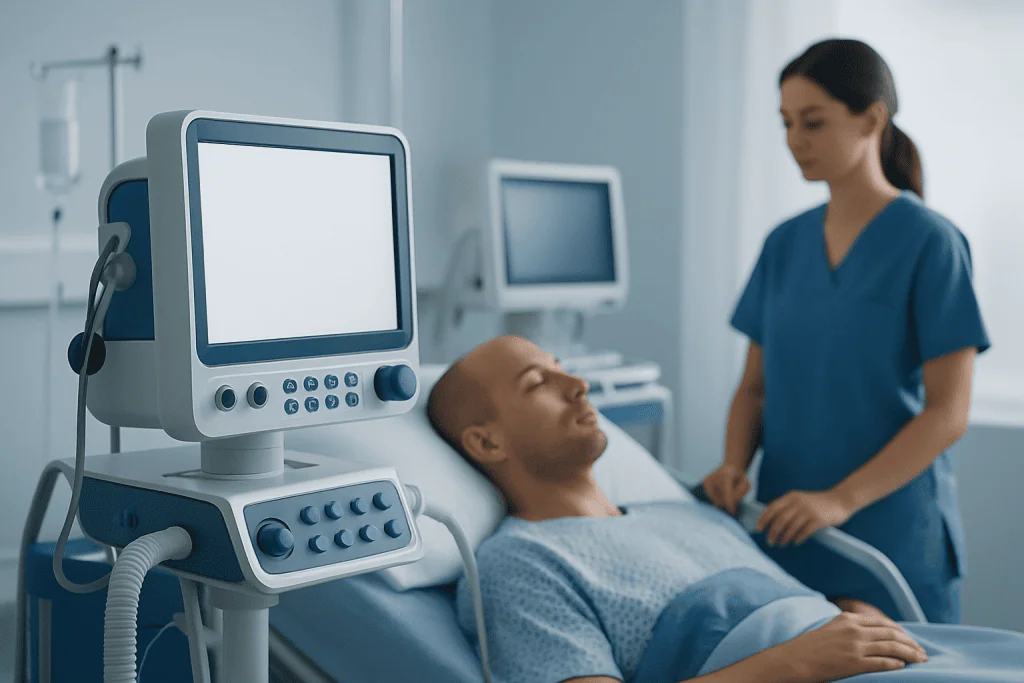
Before arriving at the hospital, international patients may already experience digital care coordination. Medical records, imaging, laboratory results, and previous doctor reports can often be reviewed electronically in advance. This may help the hospital team prepare consultations, recommend additional tests if needed, and organize care plans before the patient travels.
At admission, digital registration systems may simplify identity verification and scheduling. Patients may be given a barcode or smart wristband that helps staff confirm identity before tests, medications, or procedures. This kind of system supports patient safety by helping reduce mix-ups and keeping important information linked to the correct medical record.
Some hospitals also use multilingual communication tools, electronic consent forms, and patient portals. These systems can help international patients review appointment details, receive instructions, and stay updated on parts of their treatment plan. Even with advanced digital systems, hospital staff should still explain the process clearly and answer questions in an understandable way.
- Online sharing of medical records before travel
- Digital appointment and scheduling systems
- Electronic registration and identity verification
- Patient portals for reports, instructions, and follow-up
Technology Used in Diagnosis and Treatment
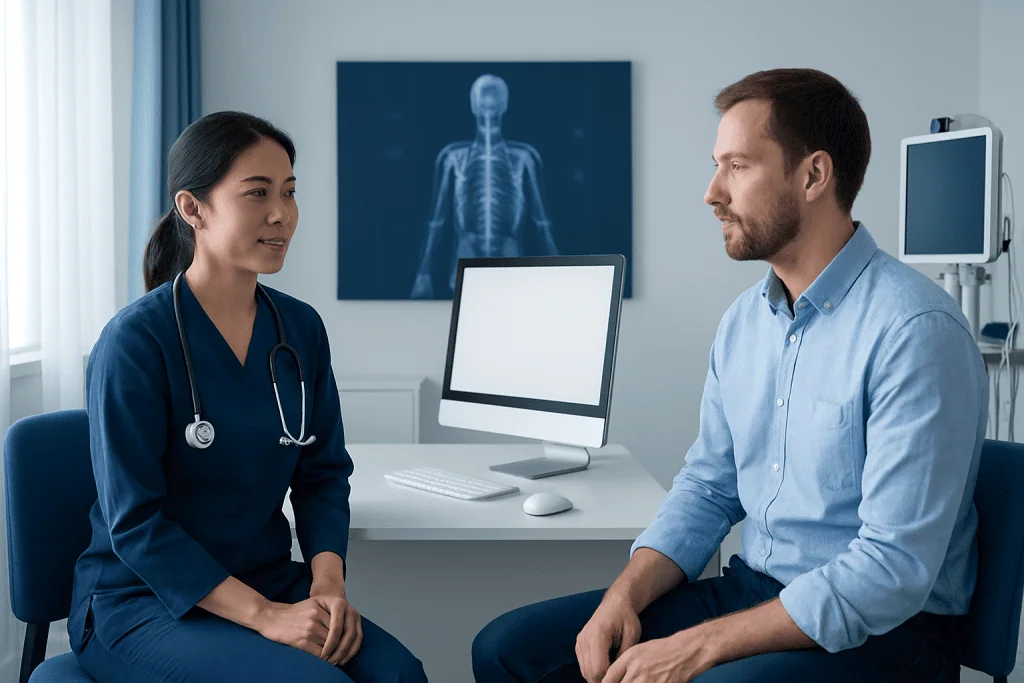
Smart hospital technology is often especially visible during diagnosis. Hospitals may use advanced imaging systems, digital pathology workflows, laboratory automation, and integrated reporting tools. These systems can help specialists review scans and test results more efficiently and collaborate across departments. For example, a radiologist, surgeon, and oncologist may all review the same digital information when planning care.
In procedural and surgical settings, technology may include image-guided treatment, digital operating room systems, and tools that track equipment and clinical workflow. For patients, this may mean that images, monitoring data, and treatment information are easier for the care team to access in real time. In some cases, smart systems support MRI imaging, CT scanning, or robotic surgery when these are medically appropriate.
Technology may also help in treatment planning for complex conditions. Hospitals sometimes use integrated digital platforms to review findings from different specialties together. This can be important in areas such as cancer care, neurological conditions, or major orthopedic surgery, where several teams may be involved in diagnosis and treatment decisions.
Monitoring, Safety, and Daily Care in the Hospital
During a hospital stay, patients may notice bedside monitors, infusion devices, digital nursing documentation, and alert systems connected to the hospital network. These technologies allow staff to watch important health information such as heart rate, blood pressure, oxygen levels, and other clinical signs more closely. In higher-acuity settings, they may support rapid response if a patient’s condition changes.
Medication safety technology is another important area. Hospitals may use barcode-based medication checks, electronic prescribing, and smart infusion pumps. These systems are designed to help the clinical team confirm that the right patient receives the right medication in the right way. They also create a clear digital record that can improve continuity of care between departments.
Patients may also see digital tools that support comfort and communication, such as bedside call systems, electronic meal ordering, or displays that help organize daily care. Although these features may seem small, they can make hospital routines easier to understand, especially for international patients who are adjusting to a new environment and healthcare system.
How Smart Technology Can Benefit International Patients
For international patients, one of the main advantages of smart hospital technology is coordination. Traveling for care often involves multiple documents, appointments, specialists, and time-sensitive decisions. Digital systems can help organize this information so that test results, consultation notes, and treatment plans are available to the right clinicians when needed.
Another benefit is continuity across borders. Secure digital records and telehealth platforms may support pre-travel assessment and post-treatment follow-up after the patient returns home. This can be useful after surgery, during rehabilitation, or when long-term monitoring is needed. In some situations, digital care pathways also help patients understand each step of treatment and recovery more clearly.
Smart systems may also improve the patient experience by reducing repeated paperwork, limiting unnecessary duplication of tests, and helping teams work together more efficiently. However, the benefits depend on how well the technology is integrated into compassionate, well-organized care. Good communication, interpretation support, and individualized decision-making remain just as important as the digital tools themselves.
Privacy, Questions to Ask, and Possible Limitations
Like all medical systems, smart hospital technology has limits. Digital tools can improve efficiency, but they do not remove the need for careful examination, clear doctor-patient discussions, and individualized treatment decisions. Some patients may also feel uncertain about unfamiliar devices or electronic systems, especially if they are receiving care in another country.
Privacy and data protection are common concerns. Patients can ask how their medical information is stored, who can access it, and how records are shared with outside providers if follow-up is needed at home. Reputable hospitals should have clear policies for confidentiality, informed consent, and secure handling of digital health information.
It is also reasonable for patients to ask practical questions, such as:
- Which parts of care are supported by digital systems?
- How are imaging, test results, and treatment plans shared between specialists?
- Will reports be available in a format that can be shared with doctors back home?
- Is remote follow-up available after discharge?
- What language support is offered for digital tools and consent processes?
Near the end of the care journey, some international patients may wish to learn how smart systems connect with specialized treatment services such as comprehensive check-up programs or advanced multidisciplinary treatment planning. Acibadem International’s multidisciplinary specialists and JCI-accredited hospitals use integrated technologies to diagnose and treat patients traveling from abroad.
After Discharge and Follow-Up Care
Smart hospital technology often continues to play a role after discharge. Electronic summaries, digital prescriptions, rehabilitation plans, and remote follow-up appointments may help patients transition from hospital care to recovery at home. For international patients, this can be especially valuable because ongoing communication may continue even after they leave the country where treatment took place.
Some patients may receive secure access to reports, imaging, pathology results, and discharge instructions through a digital portal. This can make it easier to share information with doctors in their home country. Remote follow-up may be useful for reviewing wound healing, medication tolerance, symptom changes, or the next steps in rehabilitation, depending on the treatment involved.
Patients should still know when in-person medical attention is needed. Technology supports follow-up, but urgent symptoms, new complications, or significant concerns should be assessed promptly by a qualified doctor. A clear discharge plan that explains warning signs and contact methods remains an essential part of safe recovery.
Frequently asked questions
What is smart hospital technology?
Smart hospital technology refers to connected digital systems used to support patient care in hospitals. Examples include electronic medical records, bedside monitoring, digital imaging, medication safety tools, and telemedicine platforms. These systems are designed to help clinicians work more efficiently and safely.
Does smart hospital technology replace doctors and nurses?
No. These technologies are meant to support healthcare professionals, not replace them. Doctors and nurses still make clinical decisions, examine patients, and explain treatment options. Technology mainly helps with information sharing, monitoring, and coordination.
Why might smart hospital technology matter for international patients?
International patients often have more complex logistics, including travel, medical document transfer, and follow-up across countries. Smart systems can help organize records, improve communication between specialists, and support remote follow-up after discharge. This may make care more coordinated and convenient.
Are digital hospital systems safe for personal medical information?
Hospitals are expected to use secure systems and privacy policies to protect patient information. Patients can ask how data is stored, who can view it, and how records are shared with outside doctors. It is reasonable to request clear explanations before giving consent.
What kinds of technology might a patient see during a hospital stay?
Patients may notice electronic registration, smart wristbands, digital bedside monitors, imaging systems, and electronic medication checks. Some may also use patient portals or telehealth tools. The exact technology depends on the hospital, the condition being treated, and the level of care needed.
Can smart hospital technology help after the patient returns home?
Yes, in many cases it can. Digital reports, online access to test results, and remote follow-up appointments may help patients stay connected with their treatment team. This can be helpful for recovery monitoring and for sharing information with local doctors.
References
- World Health Organization
- American Hospital Association
- Agency for Healthcare Research and Quality
- U.S. Food and Drug Administration
- European Society of Radiology
This article is for general information only and is not a substitute for professional medical advice. Please consult a qualified doctor about your individual situation.
Explore treatments in Turkey — costs, top hospitals & a free quote
JCI-accredited · board-certified surgeons · reply within 24h
Add us as a Preferred Source to see more of our trusted health content across Google Search, AI Overviews and Discover.
Check your numbers in seconds
BMI, calories, due date, blood pressure and 30+ more clinical calculators — free, instant, doctor-reviewed ranges.