Snacks for Type 2 Diabetes: An Evidence-Based Guide for Patients

A good diabetes-friendly snack usually combines carbohydrate with protein, fiber, or healthy fat. Not everyone with type 2 diabetes needs snacks; the choice depends on hunger, medication, meal timing, and blood sugar patterns.
Key Takeaways
- A good diabetes-friendly snack usually combines carbohydrate with protein, fiber, or healthy fat.
- Not everyone with type 2 diabetes needs snacks; the choice depends on hunger, medication, meal timing, and blood sugar patterns.
- Portion size matters as much as food type, especially for packaged or highly processed snacks.
- Whole foods such as nuts, yogurt, vegetables, fruit, and legumes are often better choices than sweets or refined starches.
- People who take insulin or certain glucose-lowering medicines may need individualized snack guidance from a clinician or dietitian.
Snacks for type 2 diabetes can be helpful when they are planned, portion-aware, and built around fiber, protein, and healthy fats rather than refined sugar alone. The best choices support blood sugar stability, fit the person’s meal plan, and are tailored to medicines, activity level, and daily routine.
Overview: What makes a snack suitable for type 2 diabetes?
Snacks for type 2 diabetes are not simply “sugar-free” foods. In most cases, the most useful snack is one that helps manage hunger, supports a steady energy level, and does not cause a sharp rise in blood glucose. Many people do best with snacks that contain a balance of carbohydrate, protein, fiber, and sometimes healthy fat, rather than foods made mostly of refined starch or added sugar.
It is also important to note that not every person with type 2 diabetes needs snacks between meals. Some people feel well and keep glucose levels stable with three regular meals, while others benefit from a planned snack because of long gaps between meals, exercise, medication timing, or repeated hunger. For people learning about type 2 diabetes, snack choices should be part of the overall eating plan rather than treated as a separate issue.
A helpful way to think about snacks is to ask three practical questions: Will this satisfy hunger? Will this fit the person’s usual carbohydrate target? And will this be easy to repeat in daily life? A snack that answers “yes” to all three is often more useful than one marketed as a “diabetic” product.
Why snacks may help some people but not others
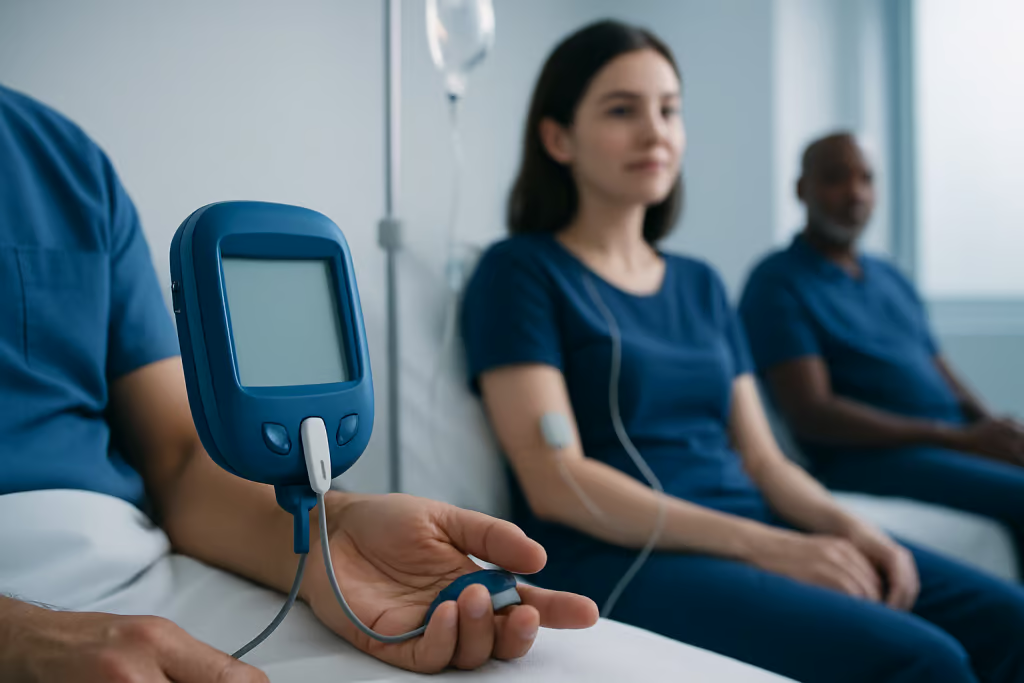
Snacking is not automatically good or bad for type 2 diabetes. For some people, a snack can prevent extreme hunger that later leads to overeating at meals. It may also help maintain a more consistent eating pattern on busy days or support exercise recovery. For others, frequent snacking can add extra calories and carbohydrates without improving glucose control.
Medication use is one of the main reasons snack needs differ. People taking insulin or medicines that can cause low blood sugar may sometimes need planned snacks, especially if meals are delayed, activity increases, or blood glucose trends lower than expected. In contrast, someone who is not prone to hypoglycemia may not need routine snacks at all.
Timing matters as well. A long afternoon stretch between lunch and dinner, evening hunger after exercise, or an early breakfast followed by a late lunch may all be reasonable times for a balanced snack. The decision should be based on the person’s body signals, daily schedule, and monitoring results, ideally reviewed with a clinician or dietitian.
How to build a blood sugar-friendly snack

A practical snack for type 2 diabetes usually starts with one whole-food foundation and then adds another nutrient group for balance. Pairing carbohydrate with protein or fat can slow digestion and make a snack more satisfying. Examples include apple slices with nut butter, plain yogurt with berries, or whole-grain crackers with hummus.
Fiber is especially helpful because it supports fullness and can reduce rapid glucose spikes after eating. Foods such as vegetables, fruit, beans, seeds, oats, and whole grains tend to offer more fiber than highly processed snack foods. Protein from yogurt, cheese, eggs, soy foods, nuts, or legumes may also help reduce hunger between meals.
Portion awareness remains important even with nutritious foods. Nuts, dried fruit, granola, and smoothies can become large sources of calories or carbohydrate if serving sizes are not considered. Reading labels for total carbohydrate, added sugars, and serving size can help people compare products more accurately.
- Choose snacks with fiber, protein, or healthy fat.
- Favor minimally processed foods when possible.
- Keep portions realistic and consistent.
- Use blood glucose readings, if advised, to learn how specific snacks affect the body.
Examples of balanced snacks for type 2 diabetes
Many simple foods can work well as snacks for type 2 diabetes. Fresh vegetables with hummus, a small piece of fruit with a handful of nuts, plain Greek yogurt with cinnamon, cottage cheese with cucumber, or roasted chickpeas are common examples. These options can be prepared at home or packed for work, travel, or school.
Other balanced ideas include a boiled egg with cherry tomatoes, whole-grain toast with avocado, edamame, a small serving of unsweetened oatmeal with seeds, or cheese with whole-grain crackers. For people who prefer sweeter options, pairing fruit with protein is often more helpful than eating sweets alone. Berries, pears, oranges, and apples may be easier to portion than juices or large blended drinks.
Packaged foods can sometimes fit too, but they should be chosen thoughtfully. High-protein bars, “keto” products, and sugar-free cookies may still contain significant calories, saturated fat, or sugar alcohols that cause digestive discomfort. When in doubt, simpler foods are often easier to understand and fit into a personalized eating plan.
Snacks that may raise blood sugar more quickly
Foods that contain mainly refined carbohydrate and little fiber or protein are more likely to raise blood sugar quickly. Common examples include candy, sweet bakery items, sugary breakfast cereals eaten dry as a snack, chips made from refined starches, sweetened yogurt, and many flavored coffee drinks. Fruit juice and regular soft drinks can raise glucose rapidly because they provide concentrated carbohydrate with little fiber.
This does not mean these foods can never be eaten, but they usually do not work well as everyday snacks for type 2 diabetes. They may leave a person hungry again soon after eating and can make blood sugar patterns less predictable. Replacing them with more balanced choices often improves both satiety and glucose control.
Some products labeled “no added sugar” can still contain large amounts of carbohydrate. Others may use sugar alcohols or alternative sweeteners that lower sugar content but do not automatically make the product nutritious. Checking the full nutrition label is generally more useful than relying on front-of-package claims.
Personalizing snack choices: meals, exercise, and glucose goals
The best snack pattern depends on the whole picture, including body weight goals, activity level, meal timing, and treatment plan. Someone trying to lose weight may do best with fewer, more structured snacks, while a very active person may need one before or after exercise. Blood glucose monitoring, when recommended by a clinician, can help identify whether certain snacks are helpful or whether they are adding unnecessary carbohydrate.
People who use insulin or medicines that increase insulin release should ask their healthcare team how to prepare for exercise and how to respond to low or falling blood glucose. In these cases, the right snack may differ from a routine everyday snack because quick-acting carbohydrate may be needed. General advice from articles cannot replace individualized instruction.
Nutrition planning is often one part of broader diabetes care, which may include checkups, lab review, and, when indicated, treatments such as diabetes treatment and weight-management support. For some individuals with obesity and difficult-to-control diabetes, specialists may also discuss structured metabolic care, including options such as obesity surgery, when medically appropriate.
Self-care tips for choosing snacks day to day
Planning ahead is one of the most effective ways to improve snack choices. Keeping a few reliable options available at home, at work, or while traveling can reduce the temptation to rely on vending machines or convenience foods. Pre-portioning nuts, cutting vegetables in advance, and carrying shelf-stable options like roasted chickpeas can make healthier choices more practical.
Regular meals also matter. Sometimes frequent snacking is a sign that meals are too small, low in protein, or inconsistent from day to day. Improving breakfast or lunch composition may reduce the need for unplanned snacks later. Hydration, sleep, and stress management can also affect appetite and food decisions.
If a person notices repeated spikes or lows after snacking, a food and glucose record may help reveal patterns. Reviewing this information with a doctor or registered dietitian can make snack guidance more precise. In multidisciplinary centers, including Acibadem International, specialists in endocrinology, nutrition, and internal medicine help international patients assess diabetes management in JCI-accredited hospitals when further evaluation is needed.
When to seek medical care
A person should seek medical advice if they are unsure whether snacks are needed because of diabetes medicines, recurrent low blood sugar, or wide glucose swings. Medical review is also important if eating patterns have changed because of nausea, poor appetite, unintentional weight loss, or digestive symptoms. These issues may point to medication side effects or another health problem that needs attention.
Urgent help may be needed for symptoms of significant hypoglycemia or marked hyperglycemia, especially if they are severe or do not improve as instructed by a clinician. Warning signs can include confusion, fainting, severe weakness, dehydration, vomiting, or trouble staying awake. People with persistent high blood sugar should also be evaluated for complications and may need review for related conditions such as obesity or other metabolic concerns.
Anyone newly diagnosed, pregnant, preparing for surgery, or living with kidney disease should get individualized nutrition advice rather than relying only on general snack lists. Personalized guidance is the safest approach when health needs are more complex.
Frequently asked questions
What are the best snacks for type 2 diabetes?
The best snacks for type 2 diabetes are usually those that combine fiber, protein, and modest portions of carbohydrate. Examples include plain yogurt with berries, vegetables with hummus, fruit with nuts, or a boiled egg with whole-grain crackers. The best choice also depends on the person’s medicines, hunger, and glucose patterns.
Can people with type 2 diabetes eat fruit as a snack?
Yes, fruit can be part of a balanced snack for many people with type 2 diabetes. Whole fruit is usually a better choice than juice because it contains fiber and is often more filling. Pairing fruit with protein or fat, such as yogurt or nuts, may help reduce rapid blood sugar rises.
Should a person with type 2 diabetes snack between meals?
Not always. Some people do well without routine snacks, while others benefit from them because of long gaps between meals, exercise, or medicines that can lower blood sugar. A doctor or dietitian can help decide whether snacks are useful in an individual care plan.
Are sugar-free snacks automatically safe for type 2 diabetes?
No. Sugar-free products may still contain significant carbohydrate, calories, or ingredients that do not support overall nutrition. Reading the nutrition label and considering portion size is more helpful than relying on marketing terms alone.
What snacks should usually be limited?
Foods made mainly of refined starch or added sugar are often best limited as routine snacks. This includes candy, sweet pastries, chips, sugary drinks, and many dessert-style snack foods. These items can raise blood sugar quickly and may not keep hunger away for long.
How can someone know whether a snack is affecting blood sugar too much?
If home glucose monitoring is part of the treatment plan, checking patterns before and after eating can be helpful. A person may notice that some snacks keep them steady while others lead to spikes or drops. A food and glucose record can help a clinician or dietitian give more precise advice.
References
- American Diabetes Association
- Centers for Disease Control and Prevention
- National Institute of Diabetes and Digestive and Kidney Diseases
- Academy of Nutrition and Dietetics
- World Health Organization
This article is for general information only and is not a substitute for professional medical advice. Please consult a qualified doctor about your individual situation.
Type 2 Diabetes in Turkey — costs, top hospitals & a free quote
JCI-accredited · board-certified surgeons · reply within 24h
Add us as a Preferred Source to see more of our trusted health content across Google Search, AI Overviews and Discover.

Check-up & Preventive Medicine
Comprehensive health screenings designed for early detection and prevention.
3 specialists in this unit