Snap in Dentures: A Complete Medical Overview

Snap in dentures are removable dentures that connect to implants placed in the jawbone. They usually feel more stable than conventional dentures and may improve chewing and speech.
Key Takeaways
- Snap in dentures are removable dentures that connect to implants placed in the jawbone.
- They usually feel more stable than conventional dentures and may improve chewing and speech.
- Not everyone is an immediate candidate; gum health, bone volume, and overall health matter.
- Daily cleaning, routine dental visits, and proper implant care are essential for long-term success.
- A dental professional should evaluate pain, looseness, sore spots, or signs of infection promptly.
Snap in dentures are removable dentures that attach to dental implants, offering a more secure fit than traditional dentures. They can improve comfort, speech, and chewing, but they require healthy oral tissues, careful planning, and regular dental follow-up.
What are snap in dentures?
Snap in dentures are removable dentures that attach to dental implants anchored in the jawbone. Unlike traditional dentures, which rest mainly on the gums, snap in dentures use special connectors that allow the denture to “snap” into place for added retention. In everyday terms, they are a type of implant-supported denture, often called an overdenture.
For many people, the main advantage is stability. Because the denture is connected to implants, it is less likely to slip during speaking or eating. This can make daily life more comfortable and may help people feel more confident when smiling, talking, and sharing meals.
Snap in dentures are still removable, which means they can be taken out for cleaning. This is different from some fixed full-arch implant restorations that stay in the mouth at all times. The removable design can be easier for some patients to maintain while still offering much stronger support than a conventional denture.
They are most often used when several or all teeth are missing in the upper or lower jaw. A dentist or oral surgeon can explain whether snap in dentures are appropriate or whether alternatives such as dental implants or other full-mouth restorative options may be more suitable.
How snap in dentures work and who may benefit
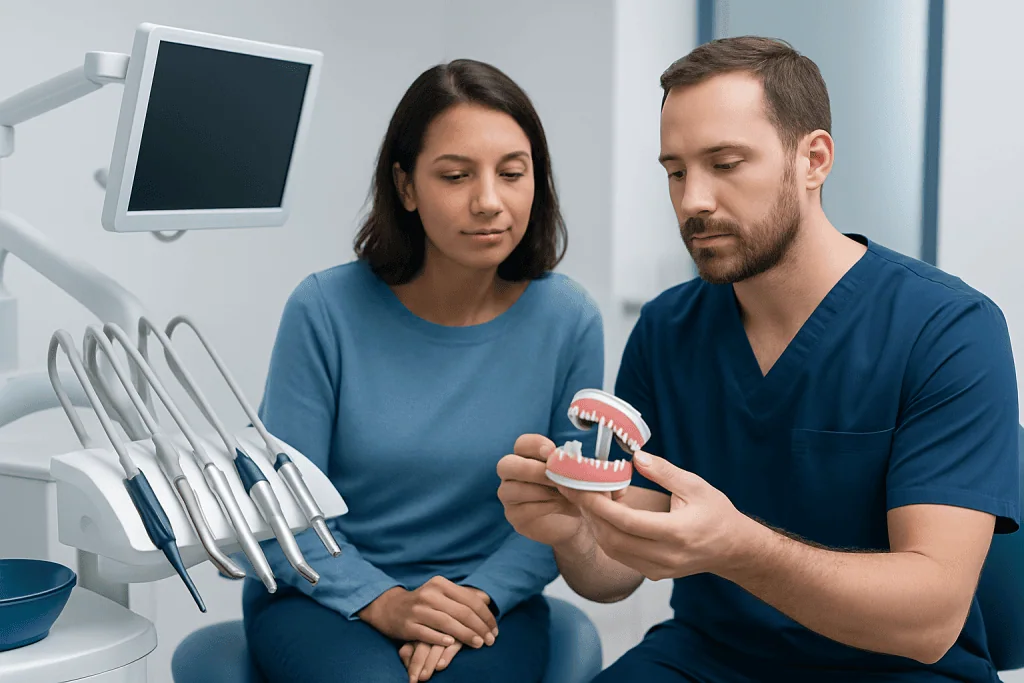
Snap in dentures work through attachments that connect the denture base to implants. The implants are small titanium or similar posts placed into the jawbone. After healing, connectors are fitted so the denture can lock onto them securely while still being removed when needed.
This option may benefit people who have trouble with loose traditional dentures, discomfort from gum pressure, or difficulty chewing certain foods. It can also help those who want more retention but prefer a removable appliance rather than a fully fixed solution. Some patients find that the added support reduces the movement that can lead to irritation and sore spots.
People who have lost teeth because of extensive decay, gum disease, or trauma may be candidates, but they need a proper dental assessment first. Existing oral health problems, especially active gum disease, should be treated before implant-based care is planned. Adequate bone support is also important, although bone grafting may sometimes help when bone loss is present.
The number of implants and the exact design depend on the jaw, the anatomy, and the treatment goals. A lower denture often needs fewer implants for stability than an upper denture, because the upper jaw may require broader support. The plan is individualized rather than one-size-fits-all.
Potential benefits and possible limitations

Compared with conventional dentures, snap in dentures can offer improved stability, better chewing efficiency, and less worry about the denture shifting unexpectedly. Some people also notice clearer speech because the appliance moves less. Since support is shared with implants, there may be less pressure on the gums than with a standard denture alone.
Another important benefit is patient comfort and function. A more secure denture can make it easier to eat a wider variety of foods and may improve satisfaction with daily activities. For individuals frustrated by denture adhesives or repeated movement, this can be a meaningful change.
However, snap in dentures also have limitations. They require minor or more advanced surgical implant placement, a healing period, and ongoing maintenance. The attachment parts can wear over time and may need professional replacement or adjustment. Good oral hygiene is essential to protect both the implants and surrounding tissues.
They also do not feel exactly like natural teeth. While they often improve function, they are still a prosthetic device and adaptation takes time. Some patients may be better suited to other forms of prosthodontic treatment depending on their anatomy, expectations, and medical history.
Evaluation, planning, and the procedure
Assessment for snap in dentures usually begins with a detailed dental examination. The clinician evaluates the gums, bite, remaining teeth if present, jaw relationships, and the condition of any existing dentures. Medical history is also reviewed because healing, medications, and chronic conditions can affect treatment decisions.
Dental imaging is an important part of planning. Panoramic X-rays and, in many cases, 3D imaging help measure available bone and identify the safest implant positions. If significant bone loss is present, the team may discuss preparatory steps before implants can be placed.
The procedure often happens in stages. First, any necessary extractions or treatment of infection are completed. Next, implants are placed into the jawbone and allowed to heal and integrate with the bone over time. Once the implants are stable, attachments are connected and the denture is adjusted to fit them properly. In some cases, an existing denture can be modified; in others, a new denture is made.
During planning, dentists also review expectations about appearance, comfort, speech, and maintenance. This discussion is important because success is not only about implant placement but also about choosing a denture design that matches the patient’s needs and daily routine.
Recovery, aftercare, and long-term maintenance
After implant placement, mild swelling, tenderness, or temporary discomfort can occur. The dental team typically recommends a soft-food period, careful oral hygiene, and follow-up appointments to monitor healing. Once the denture is connected, a short adjustment period is common as the mouth adapts to the new fit and pressure pattern.
Daily care is essential. Snap in dentures should usually be removed and cleaned as instructed, and the gums and implant areas should be cleaned gently but thoroughly. Even though the denture is more stable, food debris and plaque can still collect around attachments and under the appliance.
Regular dental reviews are important because the attachments may loosen or wear with time. The denture base may also need adjustment if the mouth changes. If the denture starts to rock, click, or cause pressure areas, it should be checked rather than forced into continued use.
Long-term implant health depends on controlling inflammation around the implants and maintaining general oral health. Patients with a history of tooth loss related to gum problems or poor oral hygiene may need closer monitoring to reduce the risk of future complications.
Risks, complications, and when to seek medical care
Snap in dentures are widely used, but like all dental procedures, they carry some risks. Possible concerns include soreness, pressure points, attachment wear, denture fracture, implant failure, or inflammation around the implants. Smoking, uncontrolled diabetes, poor oral hygiene, and untreated gum disease can increase the chance of complications.
Medical or dental care should be sought promptly if there is persistent pain, swelling, bleeding, pus, fever, worsening bad taste, a denture that no longer snaps in correctly, or an implant area that feels loose. These symptoms do not always mean a serious problem, but they should be assessed early so treatment can be adjusted if needed.
It is also wise to arrange a dental review if eating becomes difficult, speech changes suddenly, or new sore spots keep returning. Small fit problems can become larger issues if they are ignored. Early attention may help protect the implants and improve comfort.
Near the end of the treatment journey, some patients benefit from multidisciplinary support, especially when bone loss, missing teeth, or complex bite problems are present. Acibadem International’s multidisciplinary specialists and JCI-accredited hospitals evaluate and treat international patients needing advanced dental restoration, including full-arch implant solutions when clinically appropriate.
How to support oral health with snap in dentures
Good self-care plays a major role in how well snap in dentures function over time. A balanced diet, attention to hydration, tobacco avoidance, and management of chronic conditions all support oral healing and implant health. Dental appliances last best when the mouth around them stays healthy.
Cleaning routines should follow the advice of the treating dentist because attachment systems can differ. In general, patients are advised to clean the denture every day, clean around the implants carefully, and store the appliance properly when it is out of the mouth. Harsh products or home adjustments should be avoided unless specifically recommended.
People who clench or grind their teeth may need additional guidance because excessive force can affect both the denture and the attachments. If sleep-related grinding or jaw tension is suspected, the dentist may assess the bite and discuss protective strategies.
Regular checkups remain important even when the denture feels comfortable. These visits help detect early tissue irritation, wear of the attachment components, and hygiene issues before they lead to more significant problems. Preventive care is often the simplest way to protect long-term results.
Frequently asked questions
Are snap in dentures the same as permanent teeth?
No. Snap in dentures are removable prosthetic teeth that attach to implants for stability, but they are not the same as natural teeth. They can improve function and comfort significantly, though they still require daily removal and cleaning in most cases.
How many implants are needed for snap in dentures?
The number varies based on the upper or lower jaw, bone quality, and denture design. Some lower dentures can be supported by fewer implants, while upper dentures often need more support. A dental examination and imaging are needed to decide the safest and most effective plan.
Do snap in dentures hurt?
Some discomfort can occur after implant placement and during the adjustment period, but this is usually temporary. Once healing is complete and the denture fits properly, many patients find them more comfortable than loose conventional dentures. Ongoing pain should be evaluated by a dentist.
Can a person sleep with snap in dentures?
The advice depends on the specific denture design and the dentist’s instructions. Many removable overdentures are taken out at night to allow cleaning and tissue rest. Following the treating clinician’s guidance is the safest approach.
How long do snap in dentures last?
The implants, denture base, and attachment parts have different lifespans. With good care, implants may function for many years, but the denture and connectors may need adjustment, relining, or replacement over time. Regular dental follow-up is important for long-term success.
Who may not be a good candidate for snap in dentures?
People with uncontrolled medical conditions, active gum disease, heavy smoking habits, poor oral hygiene, or severe bone loss may need treatment or lifestyle changes before implants are considered. Some may be better suited to other restorative options. A full dental and medical review is necessary to determine candidacy.
References
- American Dental Association
- National Institute of Dental and Craniofacial Research
- Mayo Clinic
- Cleveland Clinic
This article is for general information only and is not a substitute for professional medical advice. Please consult a qualified doctor about your individual situation.
Explore treatments in Turkey — costs, top hospitals & a free quote
JCI-accredited · board-certified surgeons · reply within 24h
Add us as a Preferred Source to see more of our trusted health content across Google Search, AI Overviews and Discover.