Snoring in Children: When It Could Be Sleep Apnea
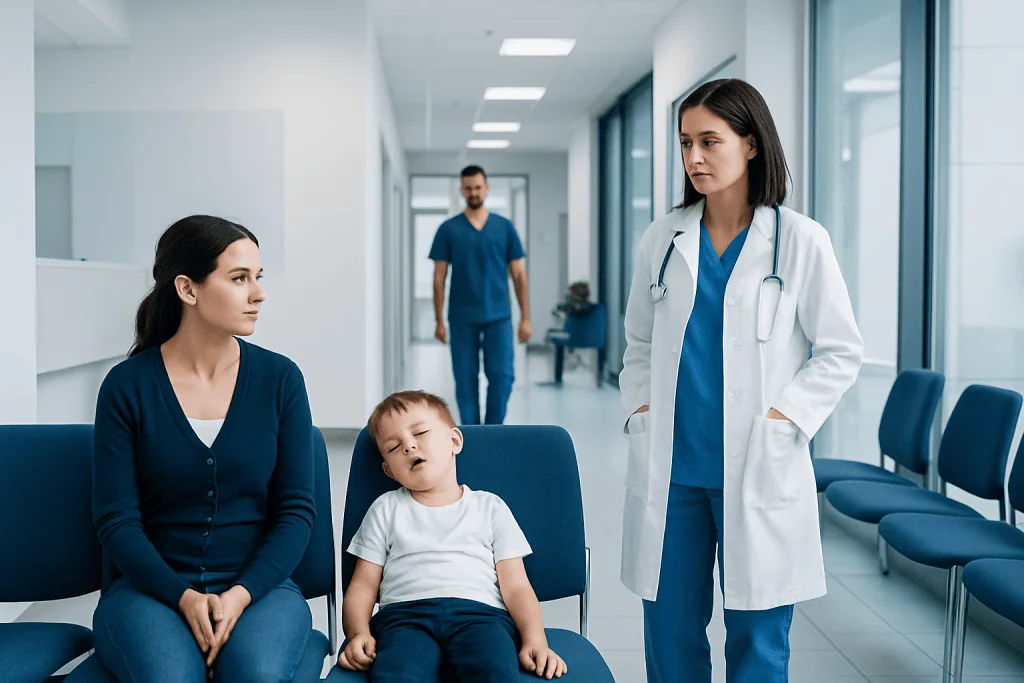
Occasional snoring during a cold is common, but frequent snoring deserves attention. Obstructive sleep apnea in children can cause pauses in breathing, restless sleep, and daytime behavior or learning problems.
Key Takeaways
- Occasional snoring during a cold is common, but frequent snoring deserves attention.
- Obstructive sleep apnea in children can cause pauses in breathing, restless sleep, and daytime behavior or learning problems.
- Enlarged tonsils and adenoids are a common cause, but allergies, nasal blockage, and excess weight can also contribute.
- Diagnosis may include a sleep history, physical examination, and sometimes an overnight sleep study.
- Treatment depends on the cause and may involve monitoring, treating nasal symptoms, or surgery such as tonsil and adenoid removal.
Snoring in children is common, especially during colds, but regular loud snoring is not always normal. In some children, it can be a sign of obstructive sleep apnea, a condition that interrupts breathing during sleep and may affect growth, behavior, and daytime well-being.
Overview: Is Snoring Normal in Children?
Many children snore from time to time, especially when they have a cold, seasonal allergies, or a stuffy nose. Occasional mild snoring is often short-lived and improves as the child recovers. However, snoring that happens most nights, is loud, or is accompanied by pauses in breathing should not be dismissed as simply a deep sleep habit.
Persistent snoring may be linked to obstructive sleep apnea, a condition in which the upper airway becomes partly or fully blocked during sleep. This can reduce sleep quality and make it harder for the child to get the restorative rest needed for growth, attention, mood, and learning. Because children may not describe sleep problems clearly, parents and caregivers often notice the signs first.
Sleep-disordered breathing exists on a spectrum. At one end is simple snoring, where breathing sounds are noisy but airflow is not significantly blocked. At the other end is obstructive sleep apnea, where repeated breathing interruptions can strain the body over time. A healthcare professional can help distinguish between the two.
Symptoms That May Suggest Sleep Apnea
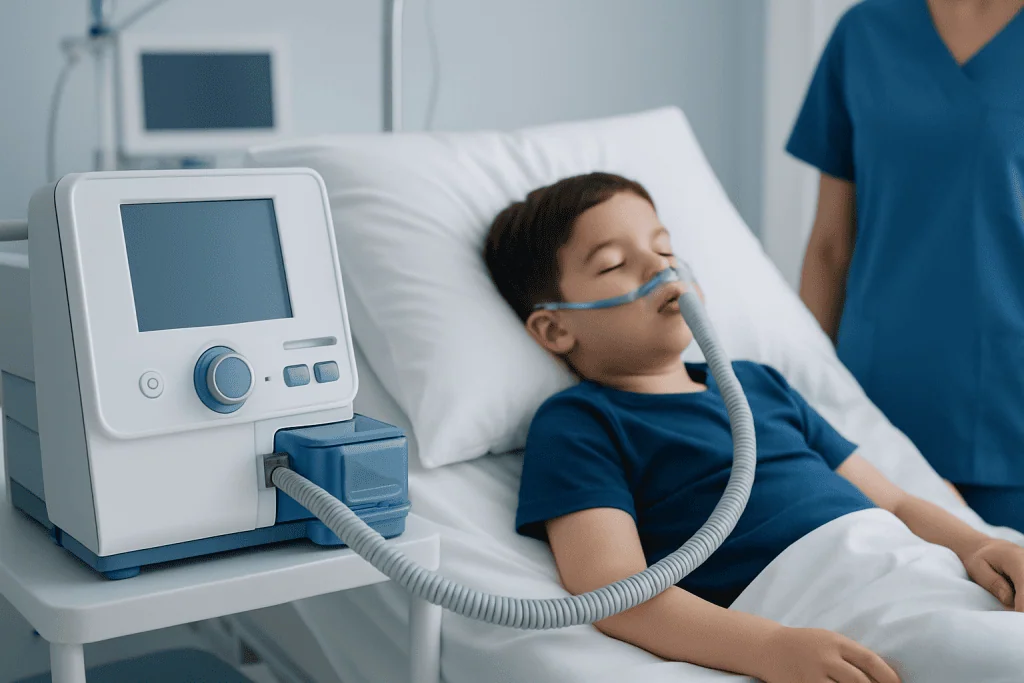
The clearest sign is regular snoring, especially if it occurs on most nights and is loud enough to be heard from another room. Some children also breathe through the mouth during sleep, sweat heavily, sleep in unusual positions, or seem restless with frequent tossing and turning. Pauses in breathing, gasping, choking sounds, or repeated awakenings are stronger warning signs that need medical attention.
Daytime symptoms can be easy to miss because they do not always look like sleepiness. Instead of appearing tired, some children become irritable, impulsive, or overactive. Others may have trouble concentrating at school, headaches in the morning, mood changes, bedwetting, or slower growth than expected.
- Loud snoring on most nights
- Pauses in breathing, gasping, or choking during sleep
- Mouth breathing or chronic nasal congestion
- Restless sleep or unusual sleeping positions
- Morning headaches or dry mouth
- Daytime behavioral, attention, or learning difficulties
These signs do not always mean a child has sleep apnea, but they do suggest that a medical evaluation may be helpful. Keeping a simple sleep diary or recording brief examples of the snoring pattern can sometimes help during the appointment.
Causes and Risk Factors
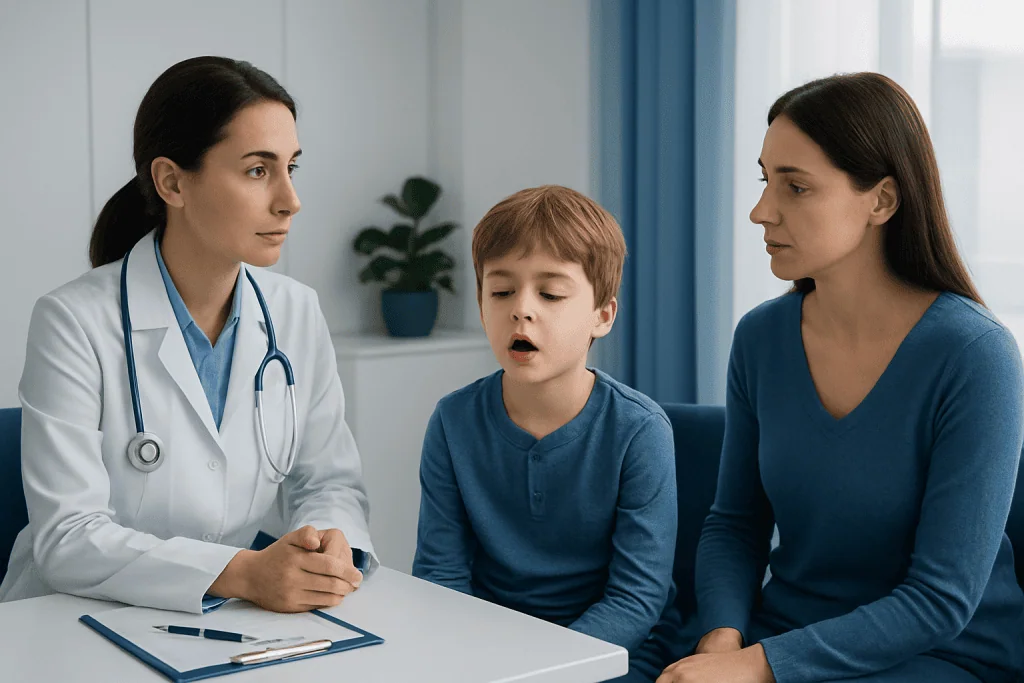
In children, the most common cause of obstructive sleep apnea is enlarged tonsils and adenoids. These tissues sit at the back of the throat and behind the nose, and when they are large, they can narrow the airway during sleep. This is why many children with persistent snoring are assessed by an ear, nose, and throat specialist.
Other causes and contributing factors can also play a role. Nasal allergies, chronic congestion, a deviated nasal septum, recurrent infections, and obesity may increase the chance of airway obstruction. Some children are more vulnerable because of the shape of the face or jaw, low muscle tone, or certain genetic or neuromuscular conditions.
Risk can also be higher in children with asthma, craniofacial differences, Down syndrome, or a family history of sleep-disordered breathing. In some cases, snoring may occur together with other ENT problems such as recurrent throat infections or tonsillitis. If symptoms are linked to chronic nasal blockage, clinicians may also consider whether sinusitis or allergic inflammation is contributing.
How Doctors Diagnose the Problem
Diagnosis starts with a careful history. A doctor will ask how often the child snores, whether breathing pauses have been seen, how the child behaves during the day, and whether there are problems such as mouth breathing, frequent infections, or poor school performance. A physical examination usually includes the nose, throat, tonsils, adenoids, facial structure, growth pattern, and weight.
If sleep apnea is suspected, the most reliable test is an overnight sleep study, also called polysomnography. This test monitors breathing, oxygen levels, heart rate, sleep stages, and body movements while the child sleeps. It helps confirm whether true airway obstruction is occurring and how severe it is.
Not every child who snores needs a sleep study right away. In some cases, the doctor may first treat likely causes such as allergies or enlarged tonsils, or refer the child to an ENT specialist. Depending on the findings, additional evaluation may involve imaging or an endoscopic look at the airway to better understand where the blockage occurs.
Treatment Options for Snoring and Pediatric Sleep Apnea
Treatment depends on the cause, the child’s age, and the severity of symptoms. When enlarged tonsils and adenoids are the main reason for airway blockage, surgery to remove them is often considered. This may significantly improve breathing during sleep in carefully selected children, especially when the symptoms clearly match the examination findings.
If a child has significant tonsil or adenoid enlargement, an ENT team may discuss tonsil and adenoid removal as a treatment option. When nasal obstruction plays an important role, care may also include treatment for allergies, saline rinses, or evaluation for adenoidectomy if enlarged adenoids are contributing. Children with persistent ear and upper airway issues may also undergo broader pediatric ENT care as part of their assessment.
Some children improve with medical treatment alone, especially if symptoms are mild and linked to allergic rhinitis or temporary congestion. Weight management may be recommended when excess weight contributes to airway narrowing. In children who continue to have sleep apnea after surgery, or who are not surgical candidates, doctors may consider positive airway pressure therapy during sleep.
Follow-up is important because symptoms do not always disappear completely after treatment. The care team may reassess sleep quality, daytime behavior, and growth, and in some situations repeat a sleep study to confirm improvement.
Prevention and Self-care at Home
Not every cause of snoring can be prevented, but healthy sleep habits and prompt attention to nasal symptoms may help. Parents can encourage regular bedtimes, a calm sleep routine, and a sleep environment that supports nose breathing rather than mouth breathing. Treating colds, allergies, and congestion early may reduce short-term snoring episodes.
Maintaining a healthy weight is also important, as extra weight around the neck and airway can worsen obstruction. Exposure to tobacco smoke should be avoided because it can irritate the airway and make swelling and congestion worse. If reflux, asthma, or allergies are present, keeping these conditions well managed may also improve sleep quality.
- Keep a regular sleep schedule
- Seek care for persistent nasal blockage or allergies
- Avoid smoke exposure around the child
- Support a balanced diet and active lifestyle
- Watch for changes in sleep, mood, attention, or school performance
Home strategies can be helpful, but they should not replace medical evaluation when snoring is frequent or severe. A child who regularly snores should not be assumed to simply “outgrow it” without assessment if other symptoms are present.
When to See a Doctor
Medical advice is recommended if a child snores most nights for several weeks, especially if the snoring is loud or getting worse. A doctor should also assess any child who has breathing pauses, gasping, choking sounds, or very restless sleep. These signs suggest that airflow may be disrupted during the night.
Parents should also seek evaluation if snoring is accompanied by mouth breathing, morning headaches, bedwetting, unusual daytime tiredness, hyperactivity, poor concentration, or growth concerns. These issues may reflect sleep that is not truly restful, even if the child appears to sleep for enough hours.
If specialist care is needed, a multidisciplinary approach can be valuable. Acibadem International’s specialists in pediatrics, sleep medicine, and ENT evaluate and treat children with snoring and suspected sleep apnea in JCI-accredited hospitals for international patients. Timely assessment can help identify the cause and guide safe, appropriate treatment.
Frequently asked questions
Is it normal for children to snore?
Occasional snoring during a cold or allergy flare can be common in children. But snoring that happens most nights is not considered normal and may need medical evaluation, especially if there are breathing pauses or daytime problems.
How can parents tell if snoring may be sleep apnea?
Warning signs include loud habitual snoring, pauses in breathing, gasping, choking sounds, mouth breathing, and restless sleep. Daytime clues may include irritability, trouble focusing, hyperactivity, morning headaches, or poor school performance.
What causes sleep apnea in children?
Enlarged tonsils and adenoids are among the most common causes. Other contributors include allergies, chronic nasal blockage, obesity, certain facial or jaw structures, and some genetic or neuromuscular conditions.
Does every child who snores need a sleep study?
No. Some children can be assessed first with a detailed history and examination, especially if the cause seems clear. However, an overnight sleep study is the best test when sleep apnea is strongly suspected or when the diagnosis is uncertain.
Can sleep apnea affect behavior and learning?
Yes. Poor-quality sleep can affect attention, memory, mood, and behavior, and some children may appear hyperactive rather than sleepy. Treating the underlying breathing problem may help improve daytime functioning.
What treatments are used for pediatric sleep apnea?
Treatment depends on the cause and severity. Options may include treating allergies or congestion, monitoring mild cases, weight management when appropriate, surgery for enlarged tonsils and adenoids, or positive airway pressure therapy in selected children.
References
- American Academy of Pediatrics
- American Academy of Sleep Medicine
- National Heart, Lung, and Blood Institute
- American Academy of Otolaryngology–Head and Neck Surgery
- National Institute of Child Health and Human Development
This article is for general information only and is not a substitute for professional medical advice. Please consult a qualified doctor about your individual situation.
Sleep Apnea in Turkey — costs, top hospitals & a free quote
JCI-accredited · board-certified surgeons · reply within 24h
Add us as a Preferred Source to see more of our trusted health content across Google Search, AI Overviews and Discover.
Check your numbers in seconds
BMI, calories, due date, blood pressure and 30+ more clinical calculators — free, instant, doctor-reviewed ranges.

Otorhinolaryngology (ENT)
Care for ear, nose, throat and head-and-neck conditions, including hearing and balance disorders.
126 specialists in this unitMore from the Health Library



Related Specialists

Assoc. Prof. Dr. Demet Çekdemir
Hematology
Dr. Nima Babavand Arablou
Emergency Service
Dr. Fuad Alakbarli
Orthopedic Surgery & Traumatology
Dt. İpek Mehmetoğlu Torun
Oral & Dental Health