Sodium Blood Test: What Low and High Levels Mean — and What to Do Next

A sodium blood test measures the concentration of sodium in the blood, which helps regulate fluid balance, nerves, and muscles. Low sodium is called hyponatremia and high sodium is called hypernatremia.
Key Takeaways
- A sodium blood test measures the concentration of sodium in the blood, which helps regulate fluid balance, nerves, and muscles.
- Low sodium is called hyponatremia and high sodium is called hypernatremia.
- Results should be interpreted alongside symptoms, hydration status, medications, kidney function, and other laboratory tests.
- Both low and high sodium can be mild or serious depending on how abnormal the level is and how quickly it changed.
- Do not try to correct abnormal sodium levels without medical guidance, especially if symptoms are present.
Sodium low high levels on a blood test usually reflect the body's fluid balance rather than sodium intake alone. Low sodium often means there is too much water relative to sodium, while high sodium often means there is too little water relative to sodium, so the next step is to review symptoms, medicines, and related test results with a doctor.
Overview: what sodium low and high levels mean
Sodium is an essential mineral and electrolyte that helps control how much water stays inside and outside cells. It also supports normal nerve signaling, muscle function, and blood pressure regulation. A sodium blood test measures the concentration of sodium in the bloodstream, not the total amount of sodium in the body.
When sodium is low, the condition is called hyponatremia. When sodium is high, it is called hypernatremia. In many cases, these results reflect a problem with water balance rather than salt intake alone. For example, a low sodium level may happen when the body holds on to too much water, and a high sodium level may happen when the body loses too much water.
Because sodium is tightly regulated, even a modest abnormality may matter if it develops quickly or causes symptoms. Doctors usually interpret the result together with medical history, physical examination, kidney function, glucose, and sometimes urine tests to understand the cause and decide whether treatment is needed right away or can be done more gradually.
What the sodium blood test measures
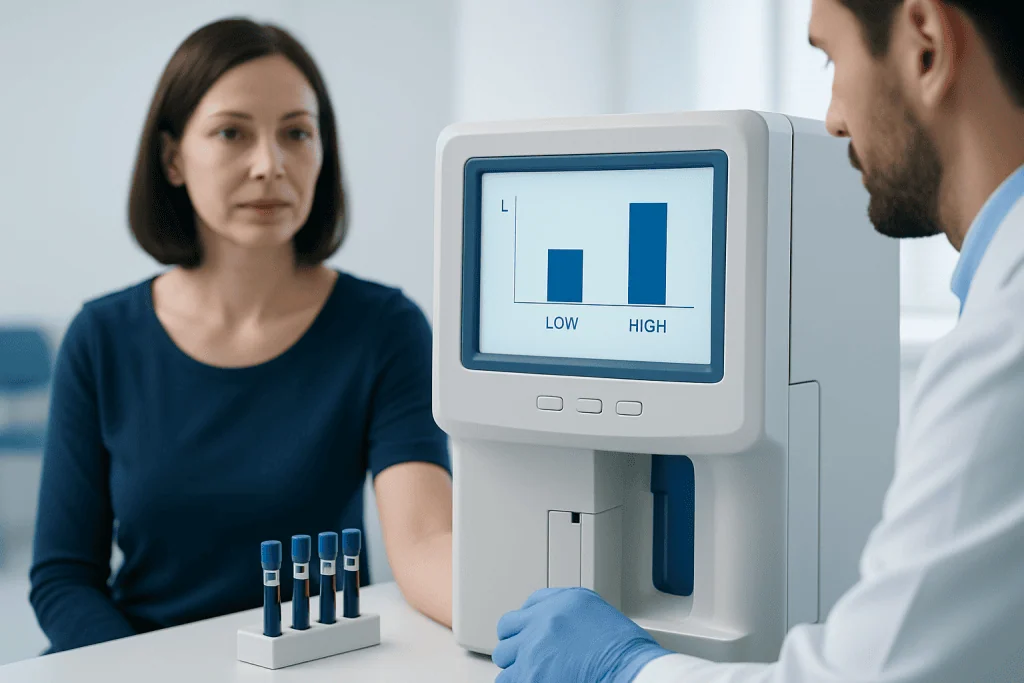
The sodium blood test is usually part of an electrolyte panel, basic metabolic panel, or comprehensive metabolic panel. It shows the concentration of sodium in a blood sample, usually reported in milliequivalents per liter (mEq/L) or millimoles per liter (mmol/L). This helps clinicians assess hydration, fluid shifts, kidney function, and the effects of certain illnesses or medicines.
Sodium works closely with other electrolytes and hormones. The kidneys help regulate sodium and water, while hormones such as aldosterone and antidiuretic hormone influence how much sodium and water the body retains or excretes. For that reason, an abnormal sodium result may point toward issues involving the kidneys, heart, liver, endocrine system, or fluid intake and loss.
A sodium result is rarely interpreted in isolation. Doctors often review potassium, chloride, bicarbonate, glucose, blood urea nitrogen, creatinine, and serum osmolality. In some situations, urine sodium and urine osmolality are helpful to determine whether the body is losing sodium, retaining water, or responding appropriately to dehydration.
Normal sodium range and how to read the result

Many laboratories use a normal blood sodium range of about 135 to 145 mEq/L, although the exact reference interval may vary slightly by lab. A result just outside the range does not always mean there is a serious problem. The context matters, including age, current symptoms, recent fluid losses, medicines, and whether the change is new or long-standing.
The table below gives a general guide:
- Low sodium: below 135 mEq/L
- Typical reference range: 135 to 145 mEq/L
- High sodium: above 145 mEq/L
Some people have no symptoms with mild abnormalities, especially if the change happened slowly. Others may become unwell quickly if sodium changes rapidly. This is one reason the number alone does not tell the whole story. If there is a question about what is normal across life stages, a clinician may also compare the result with age-related expectations and related guidance such as normal sodium levels by age.
Low sodium: causes, symptoms, and next steps
Low sodium, or hyponatremia, often happens when there is too much water in relation to sodium. Common causes include vomiting or diarrhea, drinking very large amounts of water, certain diuretics, antidepressants or seizure medicines, heart failure, liver disease, kidney disease, severe pain, lung disease, and hormone problems such as adrenal insufficiency or low thyroid function. A condition called syndrome of inappropriate antidiuretic hormone secretion can also cause the body to retain water and lower sodium.
Symptoms depend on how low the level is and how quickly it falls. Mild low sodium may cause fatigue, headache, nausea, poor concentration, muscle cramps, or unsteadiness. More severe or rapid drops can lead to confusion, vomiting, marked drowsiness, seizures, or loss of consciousness. These serious symptoms need urgent medical attention.
Next steps after a low result usually include confirming the value, reviewing recent illnesses, checking medicines, and evaluating fluid status. Doctors may order repeat electrolytes, kidney function tests, serum and urine osmolality, urine sodium, glucose, and sometimes hormone tests. Treatment depends on the cause and severity. It may include adjusting fluids, stopping or changing a medicine, treating an underlying condition, or managing related disorders such as kidney failure or heart failure. Severe symptomatic hyponatremia is treated carefully in hospital because sodium must not be corrected too quickly.
High sodium: causes, symptoms, and next steps
High sodium, or hypernatremia, usually means the body has lost more water than sodium. This can happen with fever, heavy sweating, vomiting, diarrhea, burns, inadequate fluid intake, or reduced access to water. It may also occur when the kidneys are unable to conserve water properly, as in diabetes insipidus, or less commonly after receiving too much sodium in medical fluids or certain medications.
Symptoms often relate to dehydration and the effect of concentrated sodium in the blood. A person may feel very thirsty, weak, irritable, restless, or dizzy. More significant hypernatremia can cause confusion, muscle twitching, lethargy, and in severe cases seizures or coma. Older adults, infants, and people who are unable to communicate thirst may be at higher risk.
Next steps focus on identifying the reason for water loss or reduced intake. Doctors may assess blood pressure, pulse, weight changes, urine output, and mental status, and they may order kidney tests, glucose, urine studies, or serum osmolality. Treatment usually means careful rehydration and management of the underlying problem. If there is concern about an endocrine cause or complications affecting the kidneys, further evaluation may involve specialists and supportive care such as nephrology care. Rapid self-treatment with large amounts of water is not always appropriate, especially if a person is frail, vomiting, or confused.
How the test is done and what other tests may be needed
A sodium blood test is done using a standard blood sample, usually taken from a vein in the arm. It is quick, and most people do not need any special preparation unless the doctor has ordered additional tests that require fasting. Results are often available the same day, depending on the laboratory.
If the sodium level is abnormal, a doctor may look at the broader clinical picture rather than repeating the same test alone. Additional testing may include a basic or comprehensive metabolic panel, kidney function tests, glucose, serum osmolality, urine osmolality, and urine sodium. These tests help distinguish between dehydration, water retention, medication effects, kidney problems, or hormone-related causes.
Sometimes imaging or specialist evaluation is needed if the doctor suspects a related condition affecting the brain, kidneys, lungs, adrenal glands, or pituitary gland. If symptoms suggest a complex cause, a hospital team may coordinate care across internal medicine, endocrinology, nephrology, and critical care. At Acibadem International, multidisciplinary specialists in JCI-accredited hospitals evaluate and treat sodium disorders in international patients when more advanced assessment is needed.
Factors that can skew results
Not every abnormal sodium result reflects a true disturbance in the body’s effective sodium balance. Some results can be influenced by laboratory or physiologic factors. For example, very high blood sugar can lower the measured sodium concentration because water shifts from cells into the bloodstream. Extremely high levels of fats or proteins in the blood can rarely create a falsely low sodium result in some testing methods, a situation sometimes called pseudohyponatremia.
Fluid status around the time of testing also matters. Recent intravenous fluids, severe dehydration, intense exercise, excessive water intake, vomiting, or diarrhea can affect the result. Medicines are another important factor. Diuretics, some antidepressants, antipsychotics, antiseizure medicines, and certain hormone-related treatments may influence sodium levels.
Because of these variables, doctors often repeat the test or compare it with prior results if the number does not match the person’s symptoms. It is helpful for patients to tell the care team about all prescription medicines, over-the-counter products, supplements, recent illnesses, and any major changes in drinking habits or exercise. If an abnormal result is found, it should be interpreted by a qualified clinician rather than treated based on the number alone.
When to seek medical care
A routine sodium abnormality without symptoms may still need follow-up, but the urgency depends on the result and the person’s overall condition. Anyone who has been told that sodium is low or high should contact their doctor promptly for advice on the next step, especially if the result is new, clearly outside the reference range, or accompanied by ongoing vomiting, diarrhea, or reduced fluid intake.
Urgent medical care is needed if a person has confusion, severe weakness, fainting, seizures, trouble staying awake, marked shortness of breath, or signs of severe dehydration such as very little urine, a rapid heartbeat, or inability to keep fluids down. These symptoms may indicate a significant sodium disturbance or another serious medical problem and should not be managed at home.
People with heart, liver, kidney, or hormone disorders should be especially cautious, because sodium changes may signal worsening of the underlying condition. In some cases, the broader issue may require treatment such as dialysis or specialist assessment for fluid and electrolyte balance. Prompt evaluation helps ensure sodium is corrected safely and the underlying cause is addressed.
Frequently asked questions
Does a high sodium level mean a person eats too much salt?
Not necessarily. High sodium on a blood test is more often related to too little water in the body than to salt intake alone. Dehydration, fever, diarrhea, or conditions that impair water balance are common reasons.
Can low sodium happen even if a person is not dehydrated?
Yes. Low sodium often happens when the body retains too much water relative to sodium, so a person may have normal or even increased body fluid. This can occur with certain medicines, heart failure, liver disease, kidney disease, or hormone-related conditions.
Are mild sodium abnormalities dangerous?
They are not always dangerous, but they should not be ignored. Mild changes may cause no symptoms, especially if they developed slowly, yet they can still signal an underlying health issue. A doctor can decide whether repeat testing or further evaluation is needed.
Should a person drink more water after a high sodium result?
Sometimes, but not always in a simple or immediate way. If high sodium is due to dehydration, careful rehydration may be appropriate, but the correct amount and speed depend on the cause, age, and overall health. People who are frail, confused, vomiting, or have heart or kidney disease should seek medical advice rather than self-treat.
Can medications affect sodium levels?
Yes. Diuretics are a common cause, but antidepressants, antipsychotics, antiseizure medicines, and some hormone-related drugs can also change sodium balance. Patients should tell their doctor about all medicines and supplements when reviewing an abnormal result.
How is low or high sodium treated?
Treatment depends on the cause, severity, and how quickly the sodium changed. It may include adjusting fluids, changing a medication, treating vomiting or diarrhea, or addressing kidney, heart, liver, or hormone problems. Severe cases may require hospital treatment so sodium can be corrected safely.
References
- National Institutes of Health
- MedlinePlus
- Merck Manual Professional Edition
- Mayo Clinic
- National Kidney Foundation
This article is for general information only and is not a substitute for professional medical advice. Please consult a qualified doctor about your individual situation.
Explore treatments in Turkey — costs, top hospitals & a free quote
JCI-accredited · board-certified surgeons · reply within 24h
Add us as a Preferred Source to see more of our trusted health content across Google Search, AI Overviews and Discover.
Check your numbers in seconds
BMI, calories, due date, blood pressure and 30+ more clinical calculators — free, instant, doctor-reviewed ranges.