Specialist of the Stomach: An Evidence-Based Patient Guide

Gastroenterologists diagnose and manage stomach and intestinal conditions, including reflux, ulcers, gastritis and inflammatory bowel disease. Persistent upper abdominal pain, swallowing trouble, unexplained weight loss or gastrointestinal bleeding require prompt medical assessment.
Key Takeaways
- Gastroenterologists diagnose and manage stomach and intestinal conditions, including reflux, ulcers, gastritis and inflammatory bowel disease.
- Persistent upper abdominal pain, swallowing trouble, unexplained weight loss or gastrointestinal bleeding require prompt medical assessment.
- Endoscopy is a common diagnostic procedure that lets a specialist examine the oesophagus, stomach and first part of the small intestine.
- Preparation for a gastroenterology appointment includes bringing a symptom record, medication list and previous test results.
- Many digestive conditions improve with a tailored combination of lifestyle measures, medicines and follow-up care.
A specialist of the stomach is typically a gastroenterologist: a doctor trained to assess conditions affecting the stomach, intestines, liver, pancreas and related digestive organs. They can investigate persistent digestive symptoms, arrange appropriate tests and coordinate medical, nutritional, endoscopic or surgical care when needed.
Overview: What Does a Specialist of the Stomach Do?
A specialist of the stomach is usually a gastroenterologist. This doctor has specialist training in digestive diseases and evaluates problems affecting the oesophagus, stomach, small and large intestines, liver, gallbladder and pancreas. A gastroenterologist may help identify the cause of symptoms such as ongoing indigestion, upper abdominal pain, bloating, nausea, altered bowel habits or bleeding.
The phrase specialist in the study of stomach and intestines describes gastroenterology. A gastroenterologist is also the specialist who studies the stomach and small intestine, although some concerns may involve other professionals. For example, a dietitian can support nutrition, a surgeon may treat conditions requiring an operation, and an oncologist is involved if cancer is diagnosed.
Care begins with understanding the person’s symptoms, health history and risk factors. The specialist then decides whether tests, treatment, monitoring or referral to another service is appropriate. Not every digestive symptom indicates a serious condition, but persistent or changing symptoms deserve careful assessment.
What Are 7 Signs It's Time to See a Gastroenterologist?
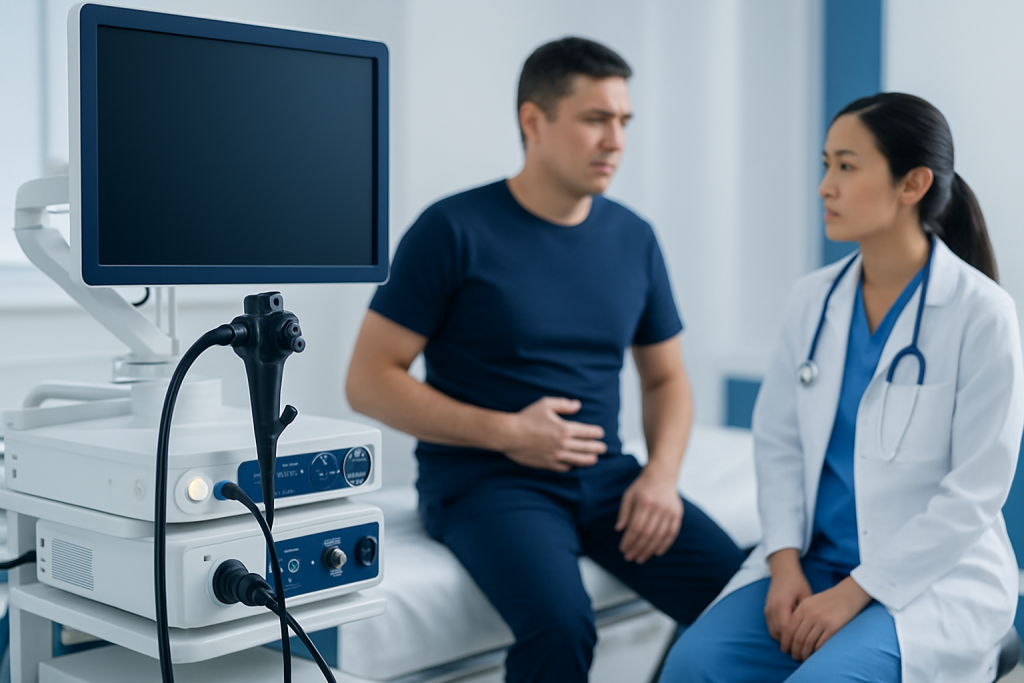
A primary care doctor can assess many short-lived digestive symptoms. Referral to a gastroenterologist is often useful when symptoms persist, recur, affect daily life or suggest a condition needing specialist testing. The following signs are common reasons to arrange an appointment:
- Persistent heartburn, acid regurgitation or indigestion despite initial treatment.
- Upper abdominal or epigastric pain that continues, returns frequently or has no clear cause.
- Difficulty swallowing, pain with swallowing or a sensation that food is sticking.
- Unexplained nausea, vomiting or feeling full unusually quickly when eating.
- A continuing change in bowel habits, such as diarrhoea, constipation or new urgency.
- Unexplained weight loss, reduced appetite, fatigue or iron-deficiency anaemia.
- Blood in vomit or stool, black tar-like stools, or symptoms that wake a person from sleep.
A specialist for epigastric pain may assess causes such as reflux disease, gastritis, peptic ulcer disease, gallbladder conditions or pancreatic disorders. The location of pain alone cannot confirm a diagnosis, so the doctor will consider the timing, severity, triggers and associated symptoms.
Urgent medical attention is important for vomiting blood, black stools, severe or worsening abdominal pain, fainting, chest pain, inability to keep fluids down, or signs of dehydration. These symptoms should not wait for a routine outpatient appointment.
Common Stomach Conditions and How They Are Diagnosed

Gastroenterologists assess a wide range of conditions. Common examples include gastro-oesophageal reflux disease, functional dyspepsia, gastritis, peptic ulcers, infection with Helicobacter pylori, coeliac disease, irritable bowel syndrome and inflammatory bowel disease. Some symptoms may also arise from gallbladder, pancreatic, hormonal, medication-related or non-digestive causes.
Diagnosis starts with a detailed discussion and physical examination. The clinician may order blood tests, stool tests, breath tests for H. pylori, ultrasound, CT or MRI scans, depending on the concern. Testing is selected individually; it is not necessary or helpful for every person to undergo every test.
An upper gastrointestinal endoscopy, also called gastroscopy, is often considered when there are ongoing upper digestive symptoms, alarm features or a need to collect tissue samples. During this test, a flexible camera is passed through the mouth to view the oesophagus, stomach and first part of the small intestine. Biopsies may be taken without causing pain and can help identify inflammation, infection, coeliac disease or other changes.
For bowel symptoms or screening, the doctor may recommend colonoscopy. This procedure examines the large bowel and can help investigate bleeding, persistent bowel changes or inflammation. A clear diagnosis helps avoid unnecessary treatment and supports a plan matched to the individual’s needs.
What Is the Most Common Diagnosis in Gastroenterology?
There is no single diagnosis that is most common in every gastroenterology clinic, because referral patterns and local populations vary. However, conditions related to acid reflux, functional digestive symptoms and irritable bowel syndrome are among the frequently assessed problems. Dyspepsia, meaning recurring discomfort or pain in the upper abdomen, is also a common reason for consultation.
Many people with dyspepsia have no structural disease identified on testing; this may be called functional dyspepsia. It is a real condition, but its symptoms can be influenced by stomach sensitivity, gut-brain communication, eating patterns, stress and other factors. A specialist’s role is to rule out conditions that need different treatment and to offer practical symptom management.
Acid reflux can cause burning behind the breastbone, sour-tasting fluid in the mouth, cough or throat discomfort. Other conditions, including ulcers and inflammation, can produce similar symptoms. For that reason, ongoing symptoms should be discussed with a qualified clinician rather than self-diagnosed.
How Endoscopy Works: Candidacy, Steps, Recovery and Risks
Gastroscopy may be recommended for people with persistent upper digestive symptoms, unexplained anaemia, swallowing problems, suspected ulcer disease, recurrent vomiting or warning signs such as unintended weight loss. It may also be used to check healing or monitor certain known conditions. The decision balances expected benefit with the person’s symptoms, medical history and alternatives.
Before the procedure, the care team explains fasting instructions and reviews medicines, allergies, pregnancy status and relevant health conditions. Some medicines, including blood thinners and diabetes treatments, may need individual adjustments; patients should never stop prescribed medicines without instructions from their clinician. Sedation may be offered in many settings, and someone may need to accompany the patient home afterwards.
During gastroscopy, a thin flexible instrument with a camera is carefully passed through the mouth. The specialist examines the lining of the upper digestive tract and may take biopsies or treat selected findings, such as minor bleeding. The examination itself is usually brief, though preparation and recovery take additional time.
Most people return home the same day. A mild sore throat, bloating or drowsiness after sedation can occur temporarily. Serious complications, such as bleeding, a tear in the digestive tract, aspiration or reactions to sedation, are uncommon but possible. The team provides clear aftercare instructions and explains which symptoms require urgent contact.
What Should I Avoid Before Seeing a Gastroenterologist?
Before seeing a gastroenterologist, it is generally best to avoid making major changes that could obscure the pattern of symptoms. For example, a person should not stop prescribed medicines, start restrictive diets or use frequent over-the-counter remedies without discussing this with a clinician. Some tests require specific preparation, but the clinic will provide personalised instructions if a procedure is scheduled.
It can be helpful to avoid alcohol, tobacco and foods that reliably worsen symptoms, particularly if reflux, stomach irritation or nausea is present. However, there is no need to avoid all foods before a routine consultation. If a patient has severe pain, ongoing vomiting or cannot eat or drink, they should seek medical advice promptly rather than wait for the appointment.
Patients can prepare by recording when symptoms began, where discomfort occurs, what makes it better or worse, and whether there are bowel changes, weight changes or signs of bleeding. Bringing a list of medicines, supplements, allergies, family history and previous test results can make the consultation more efficient.
For an endoscopy or colonoscopy, fasting and bowel-preparation requirements are different from a standard clinic visit. Following the written instructions exactly is important for safety and for obtaining accurate results.
Treatment, Prevention and Day-to-Day Digestive Care
Treatment depends on the cause. Options may include dietary adjustments, short-term or longer-term medicines, treatment for H. pylori infection, management of inflammation, endoscopic therapy or surgery in selected situations. The specialist should explain the expected benefits, limitations and possible side effects of each option so the patient can take part in decisions.
Simple measures can help some people with reflux or indigestion: eating regular meals, avoiding large late-night meals, limiting personal trigger foods, maintaining a weight that supports overall health, avoiding smoking and moderating alcohol. These strategies are supportive rather than a substitute for assessment when symptoms are persistent or concerning.
Stress can intensify digestive symptoms for some people, particularly in functional conditions. Adequate sleep, gentle physical activity and psychological support where appropriate can be useful parts of a wider care plan. Symptoms should be monitored over time, especially when new medicines or lifestyle changes are introduced.
Acibadem International’s multidisciplinary specialists and JCI-accredited hospitals diagnose and treat digestive conditions for international patients, with testing and treatment plans tailored to clinical needs.
When to Seek Medical Care
A routine medical appointment is appropriate for symptoms that last more than a few weeks, return often, interfere with eating or sleep, or do not improve with initial advice. Early consultation can clarify whether symptoms are related to a common manageable condition or require more detailed investigation.
Same-day or urgent assessment is needed for vomiting blood, black or bloody stools, severe abdominal pain, sudden swallowing difficulty, persistent vomiting, yellowing of the skin or eyes, confusion, fainting, or symptoms of significant dehydration. Chest pain should be treated as an emergency until a clinician determines its cause.
People with a strong family history of digestive cancers, inflammatory bowel disease, coeliac disease or hereditary polyposis syndromes should discuss whether earlier assessment or screening is appropriate. A gastroenterologist can help create an individual follow-up plan based on personal and family risk.
Frequently asked questions
Who is the best gastroenterologist in Maryland?
There is no single best gastroenterologist for every person in Maryland or elsewhere. The right specialist depends on the health concern, such as reflux, liver disease, inflammatory bowel disease, advanced endoscopy or cancer risk. Patients can ask their primary care clinician for a referral and consider board certification, relevant experience, hospital affiliation, communication style and insurance or access needs.
Is a gastroenterologist the same as a stomach doctor?
In everyday language, a gastroenterologist is often called a stomach doctor. Their training is broader than the stomach alone and includes the oesophagus, intestines, liver, pancreas and bile system. Some digestive conditions also require input from surgeons, radiologists, dietitians or other specialists.
Do I need a referral to see a gastroenterologist?
Referral requirements depend on the healthcare system, insurance plan and local practice. Some patients can book directly, while others need a referral from a primary care doctor. A primary care assessment can also help ensure the most suitable tests or specialist are selected.
Does a gastroscopy hurt?
A gastroscopy can feel uncomfortable because the scope passes through the throat, but it should not be painful. The team may use throat spray, sedation or both, depending on local practice and the patient’s needs. Patients should discuss concerns about gagging, anxiety, previous sedation reactions or medical conditions before the procedure.
How long does it take to receive endoscopy results?
The specialist may discuss visual findings shortly after the procedure, especially if no sedation was used or after the patient has recovered from it. Biopsy results usually take longer because tissue needs laboratory analysis. The care team will explain how and when results will be shared.
Can stomach pain be caused by stress?
Stress can worsen or trigger digestive symptoms in some people through the connection between the brain and digestive system. However, stress should not be assumed to be the cause of new, severe or persistent stomach pain without medical assessment. A clinician can evaluate symptoms and recommend appropriate treatment or supportive care.
References
- National Institute of Diabetes and Digestive and Kidney Diseases
- American College of Gastroenterology
- National Health Service
- Mayo Clinic
- World Gastroenterology Organisation
This article is for general information only and is not a substitute for professional medical advice. Please consult a qualified doctor about your individual situation.
Persistent digestive symptoms? Get evaluated in Turkey
JCI-accredited · board-certified surgeons · reply within 24h
Add us as a Preferred Source to see more of our trusted health content across Google Search, AI Overviews and Discover.