Speech Therapy for Adults: Early Signs, Risk Factors, and How It Is Treated

Adult speech therapy can address speech, language, voice, cognitive-communication, and swallowing concerns. A sudden new problem with speech or understanding can be a sign of stroke and needs emergency assessment.
Key Takeaways
- Adult speech therapy can address speech, language, voice, cognitive-communication, and swallowing concerns.
- A sudden new problem with speech or understanding can be a sign of stroke and needs emergency assessment.
- Speech-language pathologists assess the underlying communication difficulty and set practical, person-centered goals.
- Treatment may include exercises, strategy training, communication tools, and support for family members or caregivers.
- Progress varies by cause and severity, but regular practice and early assessment can support recovery and independence.
Speech therapy for adults is a personalized rehabilitation service that helps people communicate more clearly, understand and express language, use their voice safely, or manage swallowing difficulties. It may be useful after a stroke, brain injury, surgery, neurological condition, or a gradual change in speech or voice.
Overview: What Is Speech Therapy for Adults?
Speech therapy for adults is care provided by a speech-language pathologist, also called a speech therapist. It is designed to assess and improve difficulties with speaking, understanding language, reading, writing, voice, thinking skills used for communication, or swallowing. Therapy is tailored to the individual’s symptoms, daily activities, health condition, and personal goals.
Adults may need speech therapy after a stroke, traumatic brain injury, head and neck surgery, or a progressive neurological condition. It can also help people whose voice has become weak, strained, hoarse, or tiring, as well as those who have long-standing speech differences that affect work or social life.
Communication is more than pronouncing words correctly. It includes finding the right words, following conversation, organizing thoughts, using memory and attention, reading messages, and participating in family, work, and community life. For this reason, adult speech therapy often focuses on practical outcomes, such as making phone calls, speaking at appointments, eating safely, or returning to work.
Early Signs That May Need Assessment
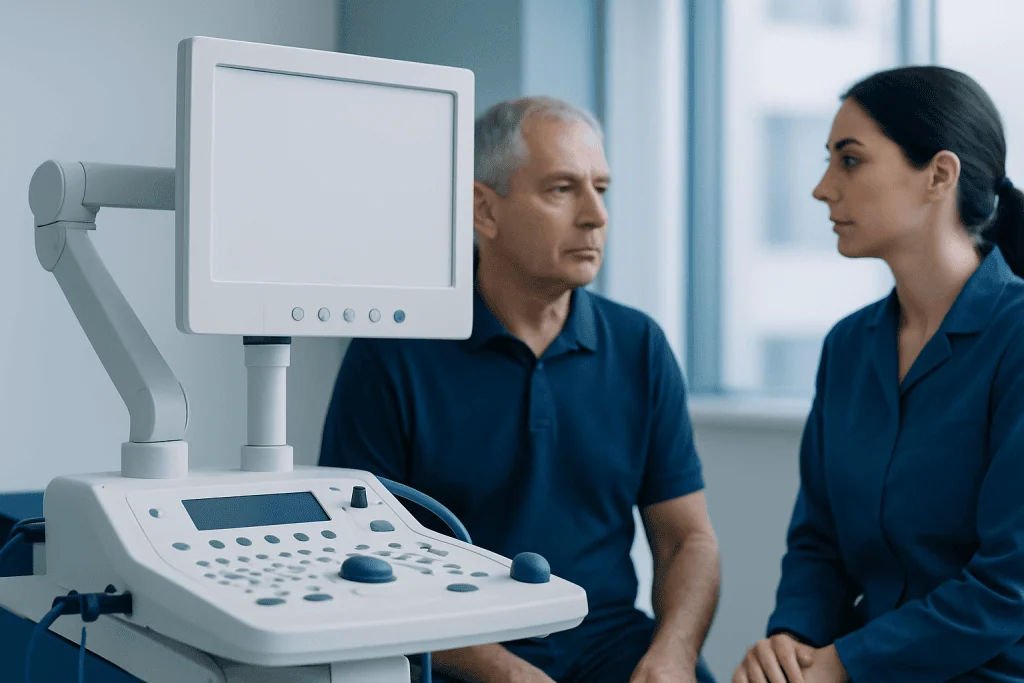
Speech and communication changes can be subtle at first. A person may pause more often to find words, misname familiar objects, repeat themselves, lose track of conversations, or have difficulty understanding fast or complex speech. Others notice slurred speech, unclear pronunciation, changes in speech rate, or a voice that is unusually soft, breathy, rough, or effortful.
Some concerns involve language rather than the muscles used for speech. For example, a person may know what they want to say but be unable to form the words, have trouble following written information, or struggle to write emails that were previously easy. Problems with attention, planning, memory, or social communication can also affect everyday communication after a neurological illness or injury.
Swallowing symptoms may be assessed by the same specialist because swallowing and speech use related muscles and nerves. Coughing or choking during meals, a wet-sounding voice after drinking, food feeling stuck, prolonged eating times, or unexplained weight loss should be discussed with a clinician. These symptoms do not always indicate a serious condition, but they deserve timely evaluation.
- Frequently asking others to repeat themselves or being misunderstood
- New hoarseness, vocal fatigue, or loss of vocal volume
- Difficulty naming objects, understanding instructions, or following conversation
- Slurred, slow, rushed, or imprecise speech
- Coughing, throat clearing, or discomfort when eating and drinking
Common Causes and Risk Factors

Stroke is a common cause of new communication difficulties in adults. Depending on the area of the brain affected, it may cause aphasia, which affects language; dysarthria, which causes weak or poorly coordinated speech muscles; or apraxia of speech, which makes it difficult to plan the movements needed to say words. Recovery can continue over time, and rehabilitation is an important part of care.
Other possible causes include traumatic brain injury, brain tumors, dementia, Parkinson’s disease, multiple sclerosis, motor neurone disease, and other neurological disorders. Head and neck cancer treatment, facial or jaw surgery, prolonged intubation, and certain lung or vocal cord conditions can also affect speech, voice, or swallowing.
Risk factors depend on the underlying cause. High blood pressure, diabetes, smoking, high cholesterol, irregular heart rhythms, and limited physical activity can increase stroke risk. Voice problems may be more likely in people who use their voice heavily at work, frequently strain or shout, smoke, have reflux symptoms, or have chronic respiratory conditions. A clinician can help identify whether a new symptom needs neurological, ear-nose-throat, or other medical assessment.
How Adult Speech and Swallowing Problems Are Diagnosed
Assessment usually begins with a medical history and discussion of when symptoms started, how they have changed, and how they affect daily life. The healthcare team may include a primary care clinician, neurologist, ear-nose-throat specialist, rehabilitation physician, psychologist, dietitian, and speech-language pathologist, depending on the situation.
The speech-language pathologist may listen to speech, assess voice quality, test understanding and word-finding, and review reading, writing, memory, attention, and problem-solving abilities. They may ask the person to complete everyday tasks, such as describing a picture, following directions, making a call, or reading information aloud. Assessment should consider the person’s first language, education, hearing, culture, and communication priorities.
If swallowing is a concern, the clinician may observe eating and drinking or recommend an instrumental assessment. This can include a videofluoroscopic swallow study, which uses moving X-ray images, or a flexible endoscopic evaluation of swallowing. These tests help identify whether food or liquid is entering the airway and guide safe, individualized recommendations.
What Speech Therapy for Adults Involves
Adult speech therapy begins with goals that matter to the person. One individual may want to speak more clearly with family, while another may aim to participate in meetings, communicate after a stroke, preserve independence, or eat and drink more safely. Sessions may take place in hospital, an outpatient clinic, rehabilitation center, home setting, or through telehealth when appropriate.
Treatment for speech clarity may include exercises and techniques to improve breath support, pacing, articulation, loudness, and intelligibility. Language therapy can involve practicing word retrieval, sentence formation, comprehension, reading, writing, and conversation strategies. For cognitive-communication challenges, therapy may focus on planning, memory aids, attention strategies, and organizing information for real-life situations.
People with aphasia may benefit from supported conversation techniques, picture or word boards, writing aids, smartphone applications, or other augmentative and alternative communication tools. These tools do not replace recovery; they can reduce frustration and help a person stay connected while skills are being rebuilt. Family training is often valuable because communication partners can learn how to allow time, reduce distractions, and ask clear questions.
For swallowing difficulties, therapy may include exercises, posture or pacing strategies, and guidance on food and drink textures when clinically indicated. Recommendations should be based on a professional assessment rather than self-directed dietary restriction. The frequency and length of therapy vary, and home practice is commonly included to reinforce skills between sessions.
Supporting Progress at Home and in Daily Life
Consistent, manageable practice can support therapy goals. The speech-language pathologist may suggest short daily activities, such as reading aloud, naming objects, practicing specific sounds, using a communication notebook, or rehearsing phrases needed for appointments and daily routines. It is generally more helpful to practice regularly without excessive fatigue than to undertake long, stressful sessions.
Family members and friends can make conversations easier by reducing background noise, facing the person, speaking at a natural but unhurried pace, and giving enough time for a response. They can confirm what they understood without pretending to understand. Using yes-or-no questions, written key words, gestures, pictures, or a phone-based note can help when spoken language is difficult.
For voice concerns, hydration, avoiding smoking, taking voice breaks, and limiting repeated throat clearing may be useful for some people. However, persistent hoarseness needs medical review rather than self-treatment alone. For swallowing concerns, people should follow individualized advice from their care team and seek help promptly if coughing, choking, chest infections, or reduced food and fluid intake occur.
When to Seek Medical Care
A sudden inability to speak, new slurred speech, confusion, trouble understanding language, facial drooping, weakness or numbness on one side, loss of balance, or a sudden severe headache can be signs of stroke. These symptoms require emergency medical attention immediately, even if they improve after a few minutes. Fast assessment is important because some stroke treatments are time-sensitive.
Non-emergency medical advice should be sought for speech, language, voice, or swallowing changes that are new, persistent, worsening, or interfering with daily life. A hoarse voice lasting more than a few weeks, especially in a person who smokes or has difficulty breathing, should be assessed by a clinician. Recurrent choking, food sticking, dehydration, weight loss, or repeated chest infections also need prompt review.
Early evaluation does not mean a serious diagnosis is expected. It helps identify the cause, address reversible factors such as hearing or medication issues, and arrange suitable rehabilitation when needed. Acibadem International’s multidisciplinary specialists and JCI-accredited hospitals can assess and treat communication and swallowing concerns for international patients.
Frequently asked questions
Can adults improve their speech with therapy?
Many adults can improve communication skills, learn useful strategies, or maintain abilities through therapy. The degree and speed of progress depend on the cause, severity, time since symptoms began, general health, and regular practice. Therapy goals may include clearer speech, easier conversation, safer swallowing, or greater confidence in daily activities.
What is the difference between speech therapy and language therapy?
Speech therapy may address how sounds are produced, including clarity, rate, volume, and coordination of speech muscles. Language therapy addresses understanding, finding words, speaking in sentences, reading, and writing. A speech-language pathologist can assess both areas because they often overlap.
How soon should speech therapy start after a stroke?
The medical team usually considers communication and swallowing assessment early after a stroke, once the person is medically stable. The appropriate timing and intensity of therapy are individualized. Rehabilitation can remain helpful after the early recovery period, so it is reasonable to ask about referral even when symptoms have been present for some time.
Does speech therapy help with swallowing problems?
Yes. Speech-language pathologists are trained to evaluate and treat many swallowing disorders, also called dysphagia. They may recommend exercises, safer eating strategies, or further testing, depending on the cause and assessment findings.
How long does adult speech therapy take?
There is no single timeline. Some people need a focused course of treatment for a temporary issue, while others benefit from longer-term rehabilitation or periodic review for a progressive condition. The therapist should review goals and progress regularly and adjust the plan as needs change.
Can anxiety cause speech difficulties in adults?
Anxiety can make speech feel less fluent and may worsen stuttering, voice tension, word-finding difficulties, or fear of speaking in some situations. However, new, persistent, or sudden speech changes should not be assumed to be anxiety without medical assessment. A clinician can help determine whether neurological, voice, hearing, emotional, or other factors are involved.
References
- American Speech-Language-Hearing Association
- National Institute on Deafness and Other Communication Disorders
- National Institute of Neurological Disorders and Stroke
- World Health Organization
- National Health Service
This article is for general information only and is not a substitute for professional medical advice. Please consult a qualified doctor about your individual situation.
Explore treatments in Turkey — costs, top hospitals & a free quote
JCI-accredited · board-certified surgeons · reply within 24h
Add us as a Preferred Source to see more of our trusted health content across Google Search, AI Overviews and Discover.
Check your numbers in seconds
BMI, calories, due date, blood pressure and 30+ more clinical calculators — free, instant, doctor-reviewed ranges.