Spinal Cord Stimulation for Chronic Pain: Candidates and Expected Relief

Spinal cord stimulation does not cure the cause of pain, but it may reduce how strongly pain is felt. It is most often used for chronic nerve-related pain, especially after other treatments have not provided enough relief.
Key Takeaways
- Spinal cord stimulation does not cure the cause of pain, but it may reduce how strongly pain is felt.
- It is most often used for chronic nerve-related pain, especially after other treatments have not provided enough relief.
- A temporary trial is usually done first to see whether the device meaningfully improves pain and daily function.
- The best results often come when spinal cord stimulation is part of a broader pain management plan.
- Careful evaluation, realistic expectations, and follow-up programming are important for success.
Spinal cord stimulation for chronic pain is a neuromodulation treatment that uses mild electrical impulses to change how pain signals travel to the brain. It is usually considered for carefully selected patients whose pain has not improved enough with medicines, physical therapy, injections, or surgery.
Overview
Spinal cord stimulation for chronic pain is a treatment in which a small implanted device sends low-level electrical signals to the spinal cord. These signals aim to change the way pain messages are processed before they reach the brain. The goal is not to remove the underlying condition itself, but to reduce pain, improve function, and support quality of life.
This approach belongs to a field called neuromodulation. It is most often used for long-lasting pain that has not improved enough with more conservative treatment. Doctors may consider it when pain continues despite medication, physical therapy, targeted injections, or surgery, especially when the pain has a nerve-related or burning quality.
Modern systems can be programmed in different ways. Some create a tingling sensation, while others are designed to work without noticeable stimulation. The settings can often be adjusted over time to better match a person’s symptoms and daily needs.
Who May Be a Candidate
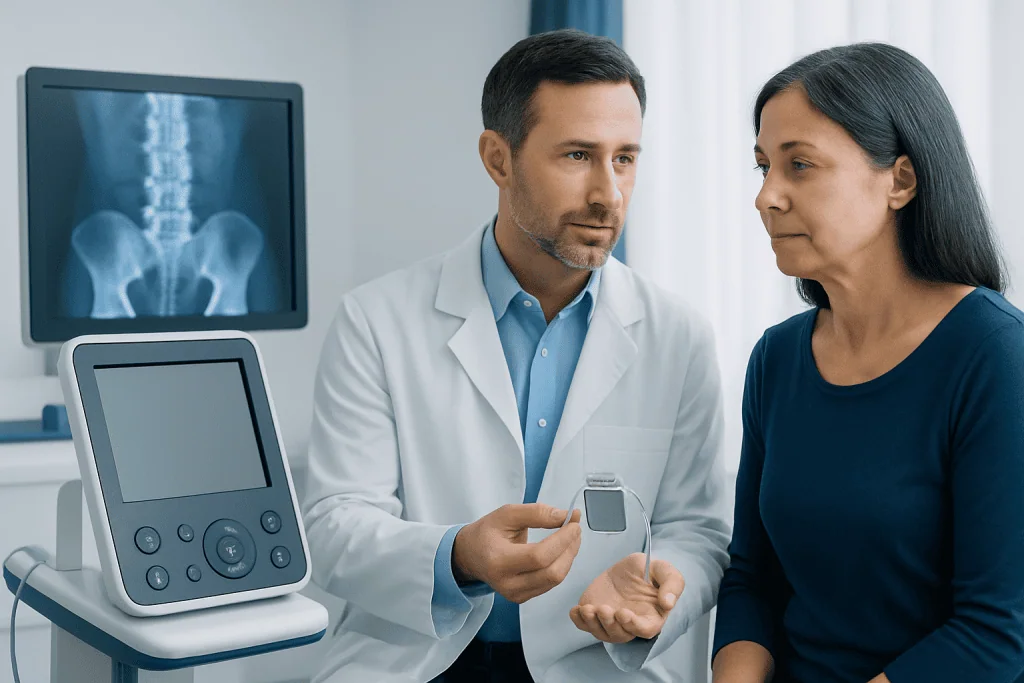
Good candidates are usually adults with chronic pain lasting several months or longer, particularly when the pain interferes with walking, sleep, work, or daily activities. Spinal cord stimulation is commonly considered for certain types of neuropathic pain, including persistent pain after spine surgery, leg pain that follows nerve injury, and some regional pain syndromes. It may also be discussed for selected cases of back pain or limb pain after careful evaluation.
Doctors look not only at the pain diagnosis, but also at the pattern of symptoms and prior treatment history. In general, candidates have already tried standard therapies and still have significant pain or unacceptable side effects from medicines. Pain that is mainly nerve-related often responds better than pain caused purely by mechanical instability or ongoing tissue damage.
Not everyone with chronic pain is a suitable candidate. The treatment may be less appropriate if there is an untreated infection, a bleeding risk that cannot be managed, uncontrolled serious medical illness, or a pain condition better treated in another way. Psychological health also matters, because depression, severe anxiety, untreated substance use, or unrealistic expectations can affect outcomes and recovery.
Before proceeding, the care team usually makes sure the pain source has been evaluated thoroughly. In some situations, patients may also have related spine conditions such as a herniated disc or spinal stenosis, and those conditions may need separate treatment planning before neuromodulation is chosen.
How Spinal Cord Stimulation Works and What Relief to Expect
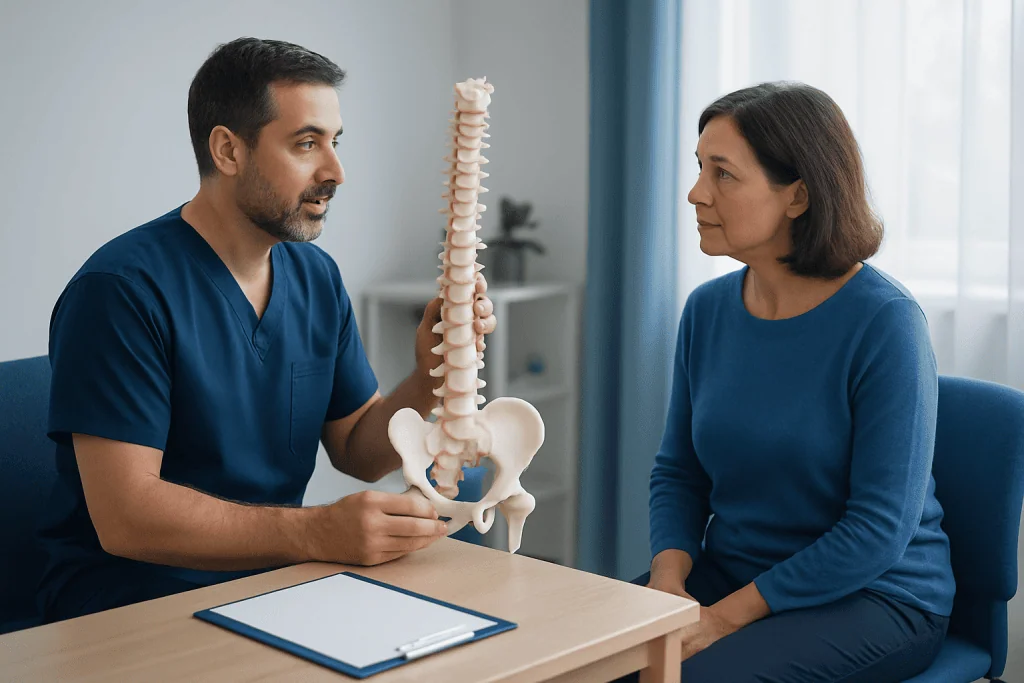
The spinal cord and surrounding nerves carry pain signals from the body to the brain. A spinal cord stimulator places thin wires, called leads, near the spinal cord in the epidural space. The implanted pulse generator sends controlled electrical impulses through these leads. Although the exact mechanisms are complex, the therapy is believed to alter pain signaling pathways so that pain feels less intense.
Expected relief varies from person to person. Many patients hope for complete pain removal, but that is not the usual goal. A more realistic aim is meaningful pain reduction together with better physical function, better sleep, and less reliance on pain medication. Some people notice enough improvement to return to activities they had reduced or avoided.
Relief is often judged not only by pain scores, but by everyday outcomes. For example, can the person walk farther, sit longer, do household tasks more comfortably, or participate more fully in work and family life? These practical changes often matter as much as the pain number itself.
Results can change over time. Some patients continue to do well for years, while others may need reprogramming, lead adjustment, battery replacement, or a change in overall pain management strategy. Because of this, spinal cord stimulation works best when viewed as part of long-term care rather than a one-time fix.
Evaluation and Diagnosis Before the Procedure
Before recommending spinal cord stimulation, doctors first confirm the nature of the chronic pain. This may include a medical history, physical and neurological examination, review of prior treatments, and imaging studies if needed. The main question is whether the pain pattern fits a condition that is likely to respond to neuromodulation.
Many centers also include a psychological assessment. This is not meant to suggest that the pain is “all in the mind.” Rather, it helps identify factors such as coping style, mood symptoms, sleep issues, and treatment expectations, all of which can influence the final result. A clear understanding of the person’s goals is an important part of selection.
In some cases, physicians may recommend updated testing or referral to other specialists before moving forward. This is especially important when there is concern about progressive weakness, bowel or bladder changes, infection, or another medical problem that may need urgent attention instead of pain-focused treatment.
A trial period is a key step. Temporary leads are placed first, and the patient uses the system for several days to about a week, depending on the practice. If the trial provides worthwhile relief and improved function, the team may discuss a permanent implant. This step helps avoid unnecessary surgery for people who are unlikely to benefit.
The Procedure and Treatment Options
The treatment usually happens in two stages: a trial and, if successful, a permanent implantation. During the trial, temporary leads are inserted through a needle, typically with imaging guidance. The patient goes home and tests the system during everyday activities. If pain relief is meaningful, a permanent device may then be implanted under the skin, often near the buttock or abdomen, with leads positioned near the spinal cord.
Permanent implantation is generally a minimally invasive procedure, but it is still a medical intervention with risks and recovery needs. The exact technique depends on the person’s anatomy, pain pattern, and device type. Patients are usually advised to limit bending, twisting, and heavy lifting for a period after implantation to reduce the chance of lead movement.
There are different stimulation modes and hardware options, including rechargeable and non-rechargeable systems. Programming is individualized, and follow-up visits are important because fine-tuning can improve comfort and outcomes. In some patients, other therapies remain important, such as medication review, rehabilitation, or physical therapy and rehabilitation.
For complex pain, care is often coordinated across specialties. Depending on the cause of symptoms, a patient may also be evaluated through neurosurgery or a broader pain management program before or after implantation.
Benefits, Risks, and Limitations
The main potential benefit of spinal cord stimulation is reduced pain intensity with better day-to-day function. Some patients also report improved sleep and reduced need for certain pain medicines. Because the treatment is tested first with a trial, it offers a practical way to estimate likely benefit before committing to a permanent implant.
Like any procedure, it has risks. These can include infection, bleeding, discomfort at the implant site, lead movement, hardware malfunction, or insufficient pain relief. Less commonly, there may be nerve injury or other complications related to the procedure. Patients should discuss personal risk factors with their doctor before making a decision.
It is also important to understand the limitations. Spinal cord stimulation does not work equally well for all pain types, and it may be less effective for pain that is not primarily nerve-related. It may reduce pain without eliminating it, and some people still need medication, exercise therapy, or other treatments afterward.
Decision-making is strongest when expectations are realistic. Patients who understand that success means meaningful improvement rather than perfection are often better prepared for the process of trialing, programming, and ongoing follow-up.
Recovery, Self-care, and When to Seek Medical Advice
After the trial or permanent implant, patients are given instructions on wound care, activity limits, and device use. In the early recovery period, avoiding sudden stretching, repetitive twisting, and heavy lifting helps reduce the chance that the leads move out of position. The care team also explains how charging, remote control use, and follow-up programming work if the chosen system requires them.
Self-care remains important even when the device helps. Many people do best when they continue a broader plan that may include paced activity, rehabilitation exercise, sleep support, stress management, and medical follow-up. Pain often affects the whole person, so combining therapies can produce steadier long-term improvement than relying on one approach alone.
Patients should contact their doctor if they develop fever, worsening redness or drainage at the incision, new weakness, severe headache, sudden loss of stimulation effect, or unexpected changes in bladder or bowel function. These symptoms do not always mean a serious complication, but they need prompt review. It is also important to discuss MRI compatibility and airport or security screening instructions for the specific implanted device.
For international patients seeking assessment, Acibadem International’s multidisciplinary specialists and JCI-accredited hospitals evaluate chronic pain and offer neuromodulation treatment plans tailored to individual needs.
Frequently asked questions
What is spinal cord stimulation used for?
Spinal cord stimulation is used to help manage chronic pain, especially nerve-related pain that has not improved enough with standard treatments. It is often considered when pain continues despite medication, physical therapy, injections, or surgery.
Does spinal cord stimulation cure chronic pain?
No. Spinal cord stimulation does not cure the underlying cause of pain. Its purpose is to reduce how strongly pain is felt and to help improve function, sleep, and daily activities.
How do doctors know if someone is a good candidate?
Doctors review the pain diagnosis, prior treatments, medical history, imaging when needed, and overall health. A trial stimulation period is usually used to see whether the therapy provides meaningful benefit before a permanent device is implanted.
How much pain relief can a person expect?
Relief varies from person to person. Many patients aim for meaningful improvement rather than complete pain removal, such as being able to walk farther, sleep better, or reduce some pain medication.
Is the implantation permanent?
The permanent system is designed to stay in place long term, but it can usually be adjusted and in some cases removed if needed. Batteries may also need replacement or recharging depending on the device type.
Are there risks with spinal cord stimulation?
Yes, as with any procedure there are possible risks, including infection, bleeding, discomfort, lead movement, or device problems. Careful patient selection, a trial period, and close follow-up help reduce these risks.
References
- International Neuromodulation Society
- National Institute of Neurological Disorders and Stroke
- National Institute for Health and Care Excellence
- American Association of Neurological Surgeons
- Cleveland Clinic
This article is for general information only and is not a substitute for professional medical advice. Please consult a qualified doctor about your individual situation.
Spinal Cord Stimulation in Turkey — costs, top hospitals & a free quote
JCI-accredited · board-certified surgeons · reply within 24h
Add us as a Preferred Source to see more of our trusted health content across Google Search, AI Overviews and Discover.

Physical Medicine & Rehabilitation
Restoring movement and function after injury, surgery or neurological conditions.
152 specialists in this unit