Spinal Stenosis: Causes, Symptoms, and When Surgery Is Considered

Spinal stenosis most often affects the neck or lower back and may cause pain, numbness, tingling, or weakness. Many people improve with non-surgical care such as physical therapy, activity changes, and pain-relieving treatments.
Key Takeaways
- Spinal stenosis most often affects the neck or lower back and may cause pain, numbness, tingling, or weakness.
- Many people improve with non-surgical care such as physical therapy, activity changes, and pain-relieving treatments.
- Surgery may be considered when symptoms are severe, progressive, or not improving with conservative treatment.
- Urgent medical assessment is important for sudden weakness, balance problems, or bladder and bowel changes.
- Imaging tests such as MRI help confirm the diagnosis and show where nerves are being compressed.
Spinal stenosis is a narrowing of spaces within the spine that can place pressure on the spinal cord or nerves. It often develops gradually with age, and treatment depends on symptoms, daily function, and whether nerve compression is severe.
Overview of spinal stenosis
Spinal stenosis means narrowing of the spaces inside the spine. This narrowing can put pressure on the spinal cord or on the nerves that travel from the spine to the arms, chest, or legs. The condition most often affects the lower back, called lumbar spinal stenosis, and the neck, called cervical spinal stenosis.
In many people, spinal stenosis develops slowly over time as part of age-related wear and tear in the joints, discs, and ligaments of the spine. Not everyone with narrowing has symptoms. Some people learn they have spinal stenosis only after imaging is done for another reason.
When symptoms do occur, they can range from mild discomfort to significant pain, weakness, numbness, or difficulty walking. The exact pattern depends on which part of the spine is affected and how much pressure is placed on nearby nerves. A careful evaluation helps distinguish spinal stenosis from other causes of back or neck symptoms, such as a herniated disc.
Symptoms and how they may feel
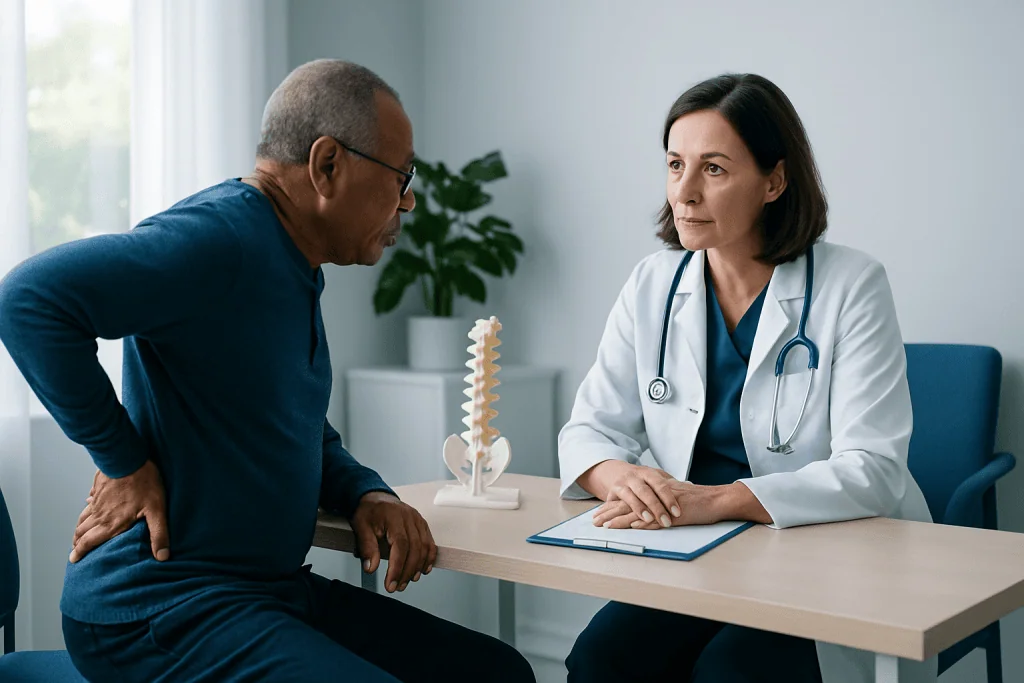
Symptoms vary depending on the location of the narrowing. Lumbar spinal stenosis commonly causes lower back pain, buttock pain, leg aching, tingling, or numbness. Many people notice that standing upright or walking for a while makes symptoms worse, while sitting down or bending forward brings relief. This pattern is sometimes called neurogenic claudication.
Cervical spinal stenosis can cause neck pain, shoulder discomfort, arm pain, hand numbness, or weakness. If the spinal cord is compressed in the neck, a person may also notice clumsiness in the hands, trouble with balance, or changes in walking. These symptoms deserve prompt medical attention because spinal cord compression can affect function over time.
Common symptoms may include:
- Back or neck pain
- Numbness or tingling in the arms, hands, legs, or feet
- Muscle weakness
- Cramping or heaviness in the legs when walking
- Reduced balance or coordination
- Symptoms that improve when sitting or leaning forward
Symptoms can overlap with other spine conditions, including scoliosis or nerve compression from disc disease. Because of this, a diagnosis should be based on both symptoms and examination findings rather than imaging alone.
Causes and risk factors
The most common cause of spinal stenosis is degeneration related to aging. Over time, the spinal discs can lose height, joints can enlarge from arthritis, and ligaments can thicken. These changes reduce the available space for nerves and may gradually lead to symptoms.
Other causes are also possible. A person may be born with a naturally narrower spinal canal. Spinal injuries, past surgery, bone overgrowth, cysts, or less commonly tumors can also contribute to narrowing. In some cases, inflammatory conditions may play a role.
Risk factors for spinal stenosis include older age, osteoarthritis of the spine, previous spinal trauma, and certain structural changes in the spine. Good posture, regular physical activity, and core strength can support spine health, but they cannot always prevent age-related narrowing from developing.
How spinal stenosis is diagnosed
Diagnosis starts with a medical history and physical examination. A doctor asks about the pattern of pain, numbness, weakness, walking tolerance, and any changes in balance or hand function. The examination may include checking strength, reflexes, sensation, posture, and gait.
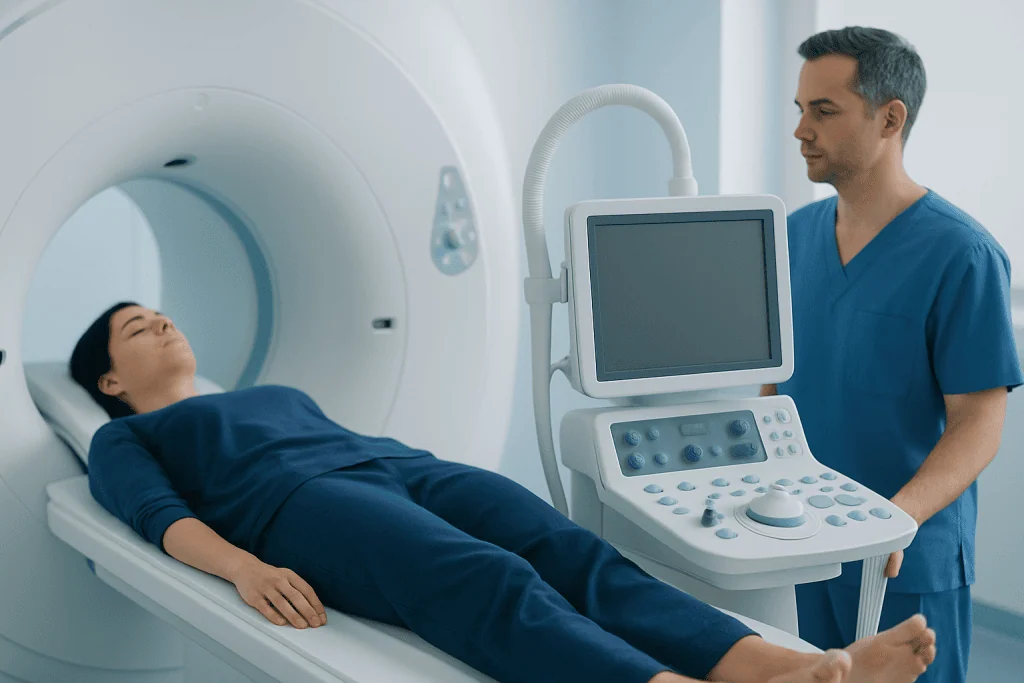
Imaging tests are often used to confirm the diagnosis and identify the level of nerve compression. X-rays can show alignment changes and arthritis, but they do not show nerves well. MRI is commonly the most helpful test because it can show the spinal canal, discs, ligaments, and nerve structures in detail. In some situations, CT scanning may be used, especially when MRI is not suitable.
It is also important to rule out other causes of similar symptoms, such as vascular problems in the legs, peripheral neuropathy, or hip disease. In selected cases, nerve studies may help clarify whether symptoms are coming from the spine or another part of the nervous system.
Treatment options: from conservative care to surgery
Treatment depends on symptom severity, how much daily life is affected, and whether there is ongoing nerve or spinal cord compression. Many people begin with non-surgical care. This may include activity modification, supervised exercise, physical therapy, and medicines to reduce pain or inflammation. A structured physical therapy and rehabilitation plan can help improve flexibility, posture, endurance, and core support.
Some people may benefit from injections to reduce inflammation around irritated nerves, especially when leg pain is limiting activity. These treatments can provide temporary relief, but they do not reverse the narrowing itself. Conservative treatment is often appropriate when symptoms are mild to moderate and there is no concerning neurological decline.
Surgery may be considered if symptoms remain significant despite non-surgical treatment, if walking ability continues to decline, or if weakness, coordination problems, or spinal cord compression are present. The goal of surgery is to create more space for the nerves. Depending on the cause and location, this may involve a decompression procedure and sometimes stabilization with spine surgery. In selected cases, surgery may also be planned alongside correction of instability or deformity.
Doctors consider surgery more urgently when there is progressive weakness, severe balance problems, or bladder or bowel dysfunction. The best approach is individualized, weighing expected benefits, general health, imaging findings, and personal goals for mobility and quality of life.
Prevention, self-care, and living well with spinal stenosis
Spinal stenosis cannot always be prevented, especially when it is linked to normal aging changes. Still, daily habits can help reduce strain on the spine and support better function. Regular low-impact exercise, such as walking, cycling, or water-based activity, can help maintain strength and flexibility without overloading the joints.
Many people find it useful to pace activities and take breaks before symptoms become intense. Exercises that improve core strength and posture may reduce discomfort in some cases. Weight management, stopping smoking, and safe lifting habits can also support spinal health and overall recovery if treatment is needed.
Self-care measures may include:
- Staying as active as symptoms allow
- Using a guided home exercise program
- Avoiding repeated heavy lifting or prolonged standing when these trigger symptoms
- Choosing supportive footwear and a safe walking environment
- Discussing pain management options with a doctor rather than relying on long-term self-medication
For people needing specialist care, Acibadem International’s multidisciplinary teams in JCI-accredited hospitals evaluate and treat spinal conditions for international patients, including advanced imaging, rehabilitation, and surgical care when appropriate.
When to see a doctor
A doctor should assess ongoing back or neck pain that is associated with numbness, tingling, weakness, or reduced walking tolerance. Medical review is especially important when symptoms are interfering with work, sleep, exercise, or independent daily activities.
Prompt assessment is recommended if there are signs that nerve or spinal cord compression may be worsening. These signs include increasing weakness, loss of hand coordination, frequent falls, marked balance problems, or pain that rapidly intensifies. New bladder or bowel control problems need urgent medical attention.
People who already have another spine condition, such as kyphosis, may need careful evaluation to understand whether symptoms are coming from stenosis, deformity, or both. Early assessment can help guide timely treatment and may improve comfort, mobility, and long-term function.
Frequently asked questions
Is spinal stenosis the same as a slipped or herniated disc?
No. Spinal stenosis refers to narrowing of the spinal canal or nerve passageways, while a herniated disc happens when disc material bulges or leaks and irritates nearby nerves. A herniated disc can contribute to stenosis, but the two conditions are not the same.
Can spinal stenosis go away on its own?
The narrowing itself usually does not fully reverse on its own, especially when it is caused by age-related changes. However, symptoms can improve with exercise, physical therapy, posture changes, and other non-surgical treatments. Some people have stable symptoms for long periods.
Does everyone with spinal stenosis need surgery?
No. Many people manage well with non-surgical care, particularly if symptoms are mild or moderate and there is no progressive nerve damage. Surgery is usually considered when symptoms remain limiting, walking becomes difficult, or weakness and spinal cord compression are present.
What is the difference between lumbar and cervical spinal stenosis?
Lumbar spinal stenosis affects the lower back and often causes leg pain, heaviness, or numbness when walking or standing. Cervical spinal stenosis affects the neck and may cause arm symptoms, hand clumsiness, balance problems, or signs of spinal cord compression. The location helps determine the symptom pattern and treatment plan.
Is walking good for spinal stenosis?
For many people, gentle walking is helpful because it supports mobility, circulation, and overall fitness. Still, symptoms should guide activity level, and some people tolerate cycling or forward-leaning exercise better than upright walking. A doctor or physical therapist can suggest a safer plan based on the person’s symptoms.
What symptoms mean spinal stenosis needs urgent attention?
Urgent assessment is needed for sudden or worsening weakness, severe balance difficulty, new falls, or changes in bladder or bowel control. These symptoms may suggest significant nerve or spinal cord compression. Rapid evaluation can help determine whether more immediate treatment is needed.
References
- World Health Organization
- National Institute of Arthritis and Musculoskeletal and Skin Diseases
- American Academy of Orthopaedic Surgeons
- National Institute of Neurological Disorders and Stroke
This article is for general information only and is not a substitute for professional medical advice. Please consult a qualified doctor about your individual situation.
Joint and spine care in Turkey — expert assessment & treatment
JCI-accredited · board-certified surgeons · reply within 24h
Add us as a Preferred Source to see more of our trusted health content across Google Search, AI Overviews and Discover.