Spinal Stenosis: Early Symptoms, Diagnosis, and Treatment Options

Spinal stenosis means narrowing in the spinal canal or nerve passageways. Common symptoms include back or neck pain, numbness, tingling, weakness, and leg pain that may worsen with walking.
Key Takeaways
- Spinal stenosis means narrowing in the spinal canal or nerve passageways.
- Common symptoms include back or neck pain, numbness, tingling, weakness, and leg pain that may worsen with walking.
- Diagnosis usually involves a medical history, physical examination, and imaging such as MRI or CT scans.
- Many cases can be managed without surgery through exercise, physical therapy, medicines, and activity modification.
- Urgent medical care is needed for sudden severe weakness or loss of bladder or bowel control.
Spinal stenosis is a condition in which spaces within the spine become narrower, placing pressure on the spinal cord or nearby nerves. It often develops gradually, especially with age, and many people improve with a combination of lifestyle changes, physical therapy, medicines, and sometimes procedures or surgery.
Overview
Spinal stenosis is the narrowing of spaces in the spine. This narrowing can place pressure on the spinal cord or on the nerves that travel from the spine to the arms, chest, or legs. The condition most often affects the lower back, called lumbar spinal stenosis, or the neck, called cervical spinal stenosis.
In many people, spinal stenosis develops slowly over time as part of age-related wear and tear. Changes such as thickened ligaments, enlarged joints, disc bulging, and bone spurs can all reduce the space available for nerves. Some people have narrowing visible on scans but have few or no symptoms, while others have pain or difficulty walking that affects daily life.
The pattern of symptoms often depends on where the narrowing occurs. Lumbar spinal stenosis commonly causes pain, heaviness, tingling, or weakness in the buttocks or legs, especially when standing or walking. Cervical spinal stenosis may lead to neck pain, hand clumsiness, arm numbness, balance problems, or weakness.
Although the symptoms can be frustrating, spinal stenosis is often manageable. Early evaluation can help clarify the cause of symptoms, rule out other conditions, and guide treatment to reduce pain and preserve mobility.
Symptoms
Symptoms of spinal stenosis vary widely. Some people notice mild discomfort that comes and goes, while others develop more persistent nerve-related symptoms. The most common complaints are back or neck pain, numbness, tingling, burning sensations, and weakness in the arms or legs.
In lumbar spinal stenosis, a classic symptom is pain or heaviness in the legs that worsens with standing or walking and improves with sitting or leaning forward. Some people find that walking uphill or pushing a shopping cart feels easier than walking on level ground because a slightly flexed posture may open the spinal canal and reduce pressure on nerves.
Cervical spinal stenosis can affect the shoulders, arms, and hands. It may cause dropping objects, reduced finger coordination, or balance difficulties. If the spinal cord itself is compressed, symptoms can include stiffness, changes in walking, or weakness in both the arms and legs.
- Low back or neck pain
- Numbness or tingling in the arms, hands, legs, or feet
- Muscle weakness
- Pain that worsens with walking or standing
- Cramping or heaviness in the legs
- Balance problems or reduced coordination
Symptoms should always be evaluated in context because other problems, such as disc disease, hip arthritis, poor circulation, or peripheral nerve disorders, can cause similar complaints. A doctor can help identify whether spinal stenosis is the likely reason.
Causes and Risk Factors

The most common cause of spinal stenosis is degenerative change related to aging. Over time, spinal discs can lose height, joints can enlarge from arthritis, and ligaments can thicken. These changes may gradually narrow the spinal canal or the openings where nerves exit the spine.
Osteoarthritis is a frequent contributor because it can lead to bone spur formation. Herniated or bulging discs may also reduce the available space for nerves. In some people, spinal alignment problems such as spondylolisthesis, in which one vertebra slips forward over another, play an important role. Narrowing may also develop after injury or previous spine surgery.
Less commonly, people are born with a naturally smaller spinal canal, making them more prone to symptoms earlier in life. Certain skeletal conditions, inflammatory disorders, or rare tumors can also narrow the canal, although these are much less common than age-related causes.
Risk increases with age, especially after midlife. Other factors that may raise the chance of symptoms include a history of spine arthritis, previous back or neck injuries, repeated mechanical strain, and conditions associated with disc degeneration. Some people with a herniated disc or advanced spinal arthritis may eventually develop stenosis as well.
How Spinal Stenosis Is Diagnosed
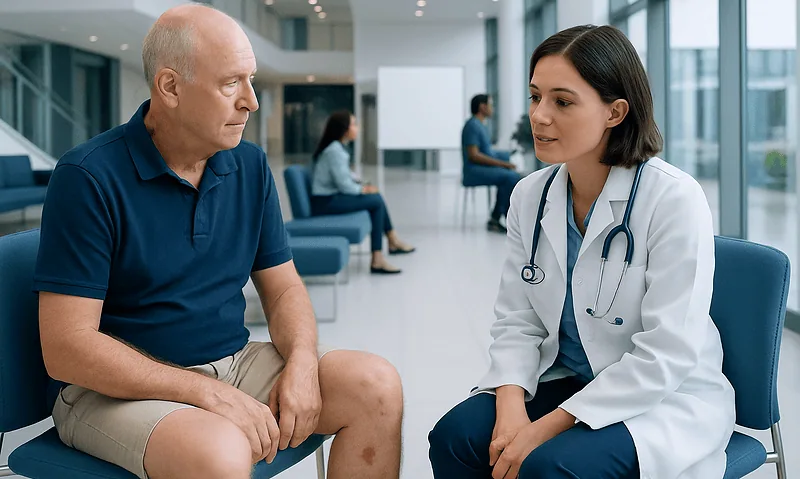
Diagnosis begins with a careful review of symptoms, medical history, and daily function. A doctor will usually ask where the pain occurs, what makes it better or worse, how far the person can walk, and whether there are any signs of weakness, balance trouble, or bladder or bowel changes.
A physical examination can provide important clues. The doctor may check posture, walking pattern, range of motion, reflexes, muscle strength, and sensation. In cervical stenosis, testing coordination and balance is especially important. In lumbar stenosis, the doctor may look for signs that leg symptoms are triggered by standing and relieved by bending forward.
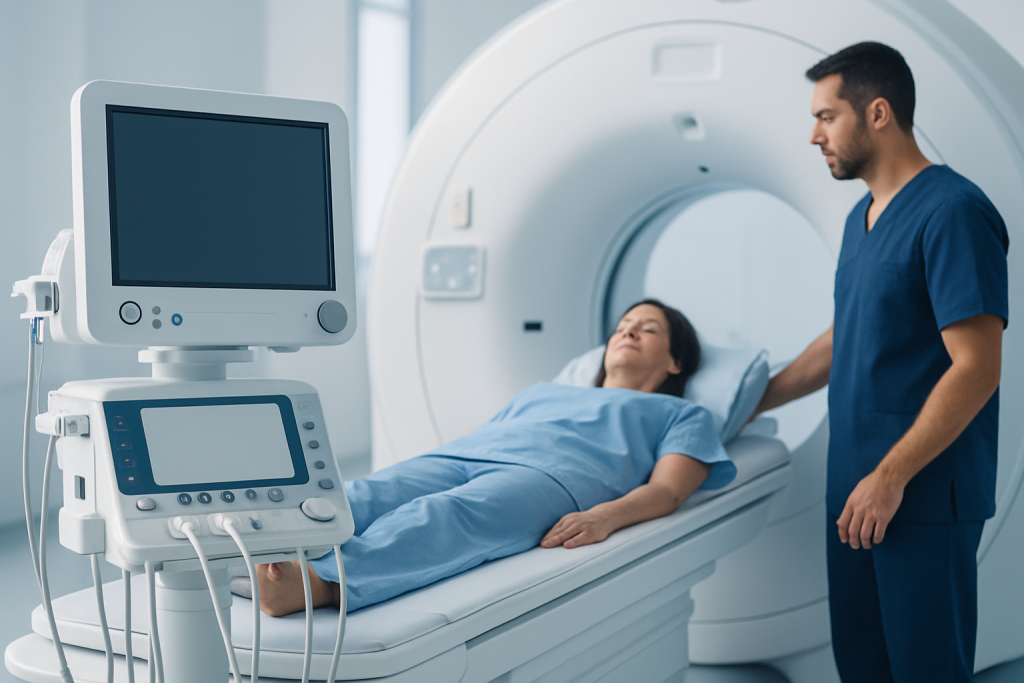
Imaging helps confirm the diagnosis and show the location and severity of narrowing. MRI is commonly used because it shows discs, nerves, ligaments, and the spinal cord clearly. CT scans can be helpful, especially when MRI is not suitable, and standard X-rays may show alignment problems, arthritis, or slippage of the vertebrae.
In some cases, additional testing is needed to rule out other causes of pain or weakness. These may include nerve studies, blood tests, or vascular assessment if poor circulation is a concern. Because symptoms can overlap with other spine conditions, evaluation may also consider problems such as scoliosis or spinal instability.
Treatment Options
Treatment depends on symptom severity, the part of the spine involved, overall health, and how much the condition affects daily activities. Many people begin with conservative treatment, especially if symptoms are mild to moderate and there is no significant or rapidly worsening nerve damage.
Common non-surgical measures include activity modification, guided exercise, physical therapy, and medicines to ease pain and inflammation. Physical therapy often focuses on posture, flexibility, core strength, and walking tolerance. Some patients benefit from supervised rehabilitation to improve function and reduce strain on the spine. If symptoms are linked to chronic degenerative changes, doctors may also evaluate related problems such as degenerative disc disease.
When symptoms persist despite conservative treatment, procedures may be considered. Depending on the individual case, doctors may use image-guided injections to reduce inflammation around irritated nerves. In selected patients, epidural steroid injection may provide temporary symptom relief, although it does not correct the underlying narrowing.
Surgery may be an option when pain is severe, walking ability is significantly limited, or there is progressive weakness, coordination loss, or spinal cord compression. The aim is to create more space for the nerves. Procedures vary and may include spine surgery to remove pressure from nerves, and in some cases spinal fusion if there is instability or vertebral slippage. A specialist will weigh expected benefits, risks, and recovery needs before recommending an operation.
Prevention and Self-care
Spinal stenosis cannot always be prevented, especially when it is related to aging, but healthy habits may help protect spine function and reduce symptoms. Regular movement is one of the most useful strategies. Gentle walking, stretching, and strength work can support the muscles that stabilize the spine and improve endurance.
Maintaining a healthy weight may reduce stress on the lower back. Good posture, safe lifting technique, and avoiding long periods in one position can also help. Some people do better when they break activities into shorter periods and alternate movement with brief rest.
Home self-care should stay within comfortable limits. Overdoing activity can aggravate symptoms, but complete inactivity may lead to stiffness and deconditioning. A physical therapist can suggest exercises that suit the person’s age, mobility, and the part of the spine involved.
- Stay physically active with low-impact exercise
- Strengthen core and back-supporting muscles
- Use proper body mechanics during lifting and bending
- Maintain a healthy body weight
- Follow a doctor’s plan for pain control and rehabilitation
Self-care works best when it is part of a broader treatment plan. If symptoms are changing, spreading, or limiting independence, a doctor should reassess the condition rather than relying on home measures alone.
When to See a Doctor
A medical review is appropriate when back or neck pain is persistent, when numbness or tingling keeps returning, or when walking becomes more difficult. Assessment is also important if symptoms interfere with sleep, work, exercise, or daily routines. Early evaluation can help prevent avoidable loss of mobility and clarify whether the nerves or spinal cord are affected.
Urgent medical attention is needed for certain warning signs. These include sudden or worsening weakness, new problems with coordination, loss of balance, loss of bladder or bowel control, or numbness in the groin or saddle area. These symptoms can suggest significant nerve compression and should not be ignored.
People with cervical symptoms such as hand clumsiness or increasing falls should seek prompt evaluation because spinal cord compression in the neck can become serious if left untreated. Likewise, severe leg pain, rapidly reduced walking distance, or foot weakness in lumbar stenosis deserves timely medical review.
For patients seeking specialist evaluation, Acibadem International’s multidisciplinary teams in JCI-accredited hospitals diagnose and treat spinal conditions for international patients, with care plans tailored to the findings of examination and imaging.
Frequently asked questions
What is the first sign of spinal stenosis?
The first sign is often gradual pain or discomfort in the lower back or neck, sometimes followed by numbness, tingling, or heaviness in the legs or arms. In lumbar spinal stenosis, many people first notice that walking or standing becomes less comfortable and improves when they sit or lean forward.
Can spinal stenosis heal on its own?
The narrowing itself usually does not reverse on its own, especially when it is caused by age-related changes. However, symptoms can improve with conservative treatment such as exercise, physical therapy, pain management, and changes in daily activities.
Is walking good for spinal stenosis?
Walking is often helpful because it supports general fitness and mobility, but the right amount varies from person to person. Short, manageable walks and guided exercise are usually better than pushing through severe pain. A doctor or physical therapist can suggest a safe plan.
Does spinal stenosis always require surgery?
No, many people do well without surgery. Surgery is usually considered when symptoms remain severe despite non-surgical care, when daily function is greatly limited, or when there is progressive weakness or spinal cord compression.
What is the difference between a herniated disc and spinal stenosis?
A herniated disc happens when disc material pushes outward and can irritate or compress a nearby nerve. Spinal stenosis is a broader narrowing of the spinal canal or nerve openings, often caused by several structural changes together. A herniated disc can sometimes contribute to stenosis.
Can spinal stenosis cause permanent nerve damage?
It can if nerve or spinal cord compression is severe and left untreated for too long. That is why progressive weakness, balance problems, or bladder and bowel symptoms need prompt medical attention. Early diagnosis and treatment may help reduce the risk of lasting problems.
References
- National Institute of Arthritis and Musculoskeletal and Skin Diseases
- American Academy of Orthopaedic Surgeons
- National Institute of Neurological Disorders and Stroke
- Mayo Clinic
- North American Spine Society
This article is for general information only and is not a substitute for professional medical advice. Please consult a qualified doctor about your individual situation.
Joint and spine care in Turkey — expert assessment & treatment
JCI-accredited · board-certified surgeons · reply within 24h
Add us as a Preferred Source to see more of our trusted health content across Google Search, AI Overviews and Discover.