Spleen: What Patients Need to Know

The spleen filters blood, stores some blood cells, and supports immune defense. An enlarged spleen is usually a sign of another condition rather than a disease by itself.
Key Takeaways
- The spleen filters blood, stores some blood cells, and supports immune defense.
- An enlarged spleen is usually a sign of another condition rather than a disease by itself.
- Left upper abdominal pain, early fullness after meals, and symptoms of anemia or infection can suggest spleen problems.
- A ruptured spleen after trauma is a medical emergency and needs immediate care.
- Evaluation may include a physical exam, blood tests, and imaging such as ultrasound or CT.
- Treatment depends on the cause and may range from monitoring to treating infection, blood disorders, or surgery.
The spleen is an organ in the upper left abdomen that filters blood, helps the immune system respond to infection, and removes old blood cells. Most people do not notice it in daily life, but spleen problems can cause pain, fullness, fatigue, or become an emergency if the organ is injured or ruptures.
Overview: What the Spleen Does
The spleen is a small, soft organ located in the upper left side of the abdomen, tucked under the rib cage and next to the stomach. Although many people are less familiar with it than the heart or liver, the spleen plays an important role in everyday health. It helps filter the blood, removes old or damaged blood cells, and supports the body’s immune response.
One useful way to think about the spleen is as both a blood filter and an immune checkpoint. It contains specialized cells that identify and help clear certain bacteria and other harmful substances from the bloodstream. It also stores some platelets and white blood cells, which can be released when needed.
People can live without a spleen, but they become more vulnerable to some infections. For that reason, spleen health matters even when a person has no symptoms. When the spleen becomes enlarged, inflamed, injured, or overactive, it may affect blood counts, digestion, energy levels, and the body’s ability to fight infection.
How Spleen Problems May Feel
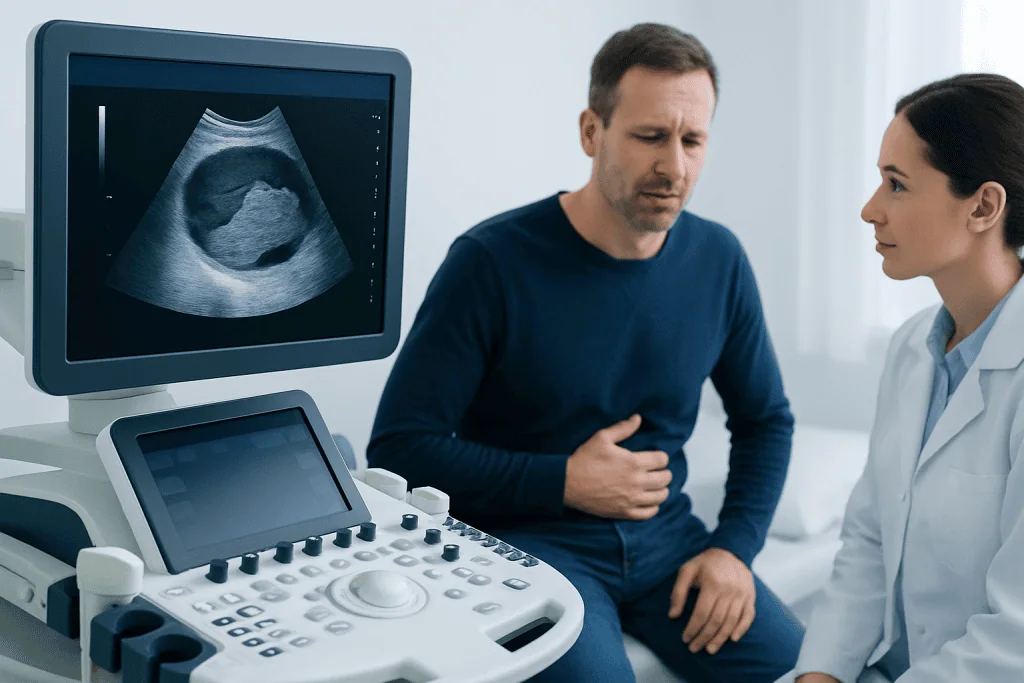
Many spleen conditions do not cause clear symptoms at first. When symptoms do appear, they often relate either to the spleen becoming enlarged or to an underlying illness affecting it. A person may notice discomfort or pain in the upper left abdomen, sometimes spreading to the left shoulder. This pain can be mild and dull, or more sudden and severe if there is injury or rupture.
Another common clue is a feeling of fullness soon after starting a meal. Because the spleen sits close to the stomach, an enlarged spleen can press on it and make a person feel full earlier than usual. Some people also report bloating, decreased appetite, or a sense of pressure under the left ribs.
Symptoms may also come from changes in blood cells. If the spleen removes too many blood cells, a person may develop tiredness, weakness, easy bruising, pale skin, or frequent infections. Possible symptoms include:
- Upper left abdominal pain or tenderness
- Fullness after eating a small amount
- Fatigue or shortness of breath from anemia
- Frequent infections
- Easy bleeding or bruising
- Fever, depending on the cause
These symptoms are not specific to the spleen alone, so medical evaluation is important. Similar complaints can occur with stomach, pancreas, blood, or liver conditions.
Common Spleen Conditions and Why They Happen
The spleen itself can be affected by several different problems. One of the most common is an enlarged spleen, also called splenomegaly. This is not a diagnosis on its own but a finding that often points to another condition. Infections, liver disease, blood disorders, inflammatory diseases, and some cancers can all make the spleen enlarge.
Infections such as mononucleosis, certain viral illnesses, bacterial infections, and parasitic diseases may temporarily enlarge the spleen. Blood-related disorders can also affect it. For example, some people with leukemia or other bone marrow conditions develop an enlarged spleen because abnormal blood cells collect there. Liver disease with portal hypertension can also increase pressure in the veins connected to the spleen.
Another important problem is hypersplenism, which means the spleen becomes overactive and removes too many blood cells from circulation. This may lead to low levels of red blood cells, white blood cells, or platelets. Less commonly, the spleen may develop cysts, abscesses, infarction from blocked blood flow, or tumors.
The spleen can also be injured by blunt trauma, such as a fall, sports injury, or traffic accident. A damaged spleen may bleed internally, and a ruptured spleen is a medical emergency. In some cases, doctors may recommend surgery such as splenectomy when the spleen is severely injured, diseased, or causing serious blood-related complications.
Risk Factors and Situations That Need Attention
Some people are more likely to develop spleen problems because of their medical history. Risk can be higher in those with chronic liver disease, blood disorders, autoimmune diseases, certain infections, or cancers involving blood and lymphatic tissues. Recent viral illness with prolonged fatigue and sore throat may raise concern for temporary spleen enlargement, especially in younger adults.
Participation in contact sports or activities with a risk of abdominal impact deserves special care if the spleen is enlarged. An enlarged spleen is more vulnerable to injury because it stretches beyond its usual protected position under the ribs. Doctors often advise avoiding heavy contact or collision activities until the cause is known and the spleen returns to normal size.
Abdominal trauma should never be ignored, even if symptoms seem mild at first. Warning signs after an injury include worsening left-sided abdominal pain, dizziness, fainting, shoulder pain, rapid heartbeat, or unusual weakness. These symptoms may suggest internal bleeding and require urgent evaluation.
How Doctors Diagnose Spleen Disorders
Diagnosis begins with a medical history and physical examination. A doctor may ask about recent infections, injuries, weight loss, bleeding, fatigue, travel history, alcohol use, and family history of blood disorders. During the exam, they may gently feel the abdomen to check whether the spleen can be felt below the rib cage, though not every enlarged spleen is obvious on examination.
Blood tests often help show whether the spleen is affecting blood cells or whether another disease is the main cause. A complete blood count can reveal anemia, low platelets, or abnormal white blood cells. Additional tests may look for infection, liver disease, inflammation, or immune-related conditions.
Imaging is commonly used to confirm spleen size and look for injury or other abnormalities. Ultrasound is a simple, noninvasive way to assess enlargement. CT scanning can provide more detailed information, especially after trauma or when doctors need to evaluate nearby organs. In some cases, MRI or specialized blood and bone marrow tests may be needed when a blood cancer or complex immune condition is suspected.
If the findings suggest a hematologic condition, further workup may be directed toward lymphoma or other disorders affecting blood and lymph tissues. The goal is not only to identify that the spleen is abnormal, but also to find the reason why.
Treatment Options for Spleen Problems
Treatment depends on the underlying cause rather than the spleen alone. When infection is responsible, treatment may focus on the specific infection and supportive care. If the spleen is enlarged after a viral illness, rest and temporary activity restrictions may be all that is needed while the body recovers. In blood or immune disorders, treatment may target the primary disease to help the spleen improve.
Some people need careful monitoring rather than immediate intervention. If symptoms are mild and the cause is known, a doctor may recommend repeat blood tests, follow-up examinations, and avoiding activities that increase the risk of abdominal injury. In other cases, medicines may be used to control inflammation or manage the related condition.
Surgery may be considered if the spleen is ruptured, severely damaged, causing major symptoms, or destroying too many blood cells. In selected patients, minimally invasive approaches may be possible, and surgeons may discuss robotic surgery depending on the condition and anatomy. If surgery is planned, the care team also considers infection prevention before and after removal of the spleen.
Traumatic bleeding from the spleen is not always treated with immediate removal. In some stable patients, doctors may use close monitoring or image-guided procedures such as interventional radiology to help control bleeding while preserving the organ when appropriate. The best approach depends on the patient’s overall condition, the extent of injury, and the cause of the spleen problem.
Living Well: Prevention and Self-Care
There is no single way to prevent all spleen disorders, because many develop as a result of other illnesses. Still, practical steps can help protect spleen health. These include using seat belts, wearing appropriate sports protection, and seeking care after significant abdominal trauma. Preventing infections and managing chronic conditions such as liver disease can also reduce risk.
Anyone told they have an enlarged spleen should follow activity advice carefully. Avoiding contact sports, heavy lifting, or situations that could injure the abdomen may be important until a doctor says it is safe. It is also helpful to keep follow-up appointments, because changes in spleen size or blood counts can guide treatment.
People who have had their spleen removed need long-term infection awareness. Vaccinations and prompt medical attention for fever are especially important because the body loses part of its defense against certain bacteria. A doctor can provide personalized guidance about vaccines, travel precautions, and when antibiotics may be needed.
Near the end of evaluation or treatment, some patients benefit from care across several specialties, such as general surgery, hematology, gastroenterology, and radiology. Acibadem International’s multidisciplinary specialists and JCI-accredited hospitals diagnose and treat spleen-related conditions for international patients when advanced assessment or treatment is needed.
When to Seek Medical Care
Medical care is appropriate if a person has ongoing pain or pressure in the upper left abdomen, feels unusually full after small meals, or develops unexplained fatigue, bruising, frequent infections, or weight loss. These symptoms do not always mean a serious problem, but they deserve professional assessment, especially if they persist.
Urgent care is needed after an abdominal injury if there is increasing pain under the left ribs, dizziness, fainting, shoulder pain, confusion, or weakness. These can be signs of internal bleeding from a damaged spleen. Fever after spleen removal also needs prompt attention because infections can become serious more quickly in people without a spleen.
In general, it is wise to seek medical advice sooner rather than later if symptoms are new, worsening, or difficult to explain. Early assessment can help identify whether the spleen is involved and whether another underlying condition needs treatment.
Frequently asked questions
Can a person live without a spleen?
Yes. A person can live without a spleen, but the body becomes more vulnerable to certain infections. That is why vaccines, infection prevention, and prompt medical care for fever are especially important after spleen removal.
What causes an enlarged spleen?
An enlarged spleen can happen because of infections, liver disease, blood disorders, inflammatory conditions, or some cancers. It is usually a sign of another health problem rather than a condition on its own.
Where is spleen pain usually felt?
Spleen-related pain is often felt in the upper left abdomen under the rib cage. Sometimes the discomfort can also be felt in the left shoulder, especially if the spleen is irritated or injured.
Is an enlarged spleen always dangerous?
Not always. Some cases are mild and temporary, such as enlargement during recovery from certain infections. However, an enlarged spleen can be more easily injured and may reflect an underlying condition that needs treatment.
How is a spleen problem diagnosed?
Doctors usually start with a history, physical exam, and blood tests. Imaging such as ultrasound or CT is often used to confirm enlargement, detect injury, and help look for the underlying cause.
When is spleen removal necessary?
Spleen removal may be needed if the spleen is ruptured, severely injured, causing major symptoms, or destroying too many blood cells. The decision depends on the cause, the severity of the problem, and the person’s overall health.
References
- National Institute of Diabetes and Digestive and Kidney Diseases
- Merck Manual Consumer Version
- Mayo Clinic
- National Health Service
- American College of Surgeons
This article is for general information only and is not a substitute for professional medical advice. Please consult a qualified doctor about your individual situation.
Persistent digestive symptoms? Get evaluated in Turkey
JCI-accredited · board-certified surgeons · reply within 24h
Add us as a Preferred Source to see more of our trusted health content across Google Search, AI Overviews and Discover.