Spondylitt: What Patients Need to Know

Spondylitt is a general term often used for inflammatory conditions affecting the spine. Typical symptoms include persistent back pain, stiffness, and reduced flexibility, especially in the morning.
Key Takeaways
- Spondylitt is a general term often used for inflammatory conditions affecting the spine.
- Typical symptoms include persistent back pain, stiffness, and reduced flexibility, especially in the morning.
- Diagnosis may involve a physical exam, blood tests, and imaging such as X-rays or MRI.
- Treatment often combines exercise, physical therapy, anti-inflammatory medicines, and specialist follow-up.
- Medical review is important if back pain lasts for weeks, wakes a person at night, or is linked with eye, bowel, or skin symptoms.
Spondylitt usually refers to inflammation involving the spine or the joints that connect the spine and pelvis. It commonly causes ongoing back pain and morning stiffness, and it is best evaluated early because treatment can reduce symptoms and help preserve mobility.
What spondylitt means
Spondylitt is a term people often use when they mean spondylitis, a group of conditions that cause inflammation in the spine. This inflammation may affect the vertebrae, the joints between the spine and pelvis, and sometimes nearby ligaments or tendons. The result can be chronic back pain, stiffness, and gradually reduced flexibility.
In everyday use, spondylitt may refer broadly to inflammatory spinal disease rather than a single diagnosis. One of the best-known forms is ankylosing spondylitis, but related conditions can also occur with psoriasis, inflammatory bowel disease, or after certain infections. This is why doctors look beyond back pain alone and ask about other symptoms throughout the body.
Unlike back pain caused mainly by muscle strain or wear and tear, inflammatory spinal pain often behaves differently. It may be worse after rest, improve with movement, and come with marked morning stiffness. Recognizing that pattern helps patients and doctors move toward the right tests and treatment plan.
Common symptoms and how they may feel
The most common symptom of spondylitt is persistent pain in the lower back or buttock area. Many people notice that it develops gradually rather than suddenly. Stiffness after waking is common, and it may take time and movement before the back loosens up.
Pain may improve with gentle activity but return during long periods of sitting or inactivity. Some people also feel discomfort in the neck, chest wall, hips, or shoulders. As inflammation continues, the spine may become less flexible, making bending, twisting, or standing fully upright more difficult.
Spondylitt can affect more than the spine. Depending on the underlying cause, symptoms may include:
- Fatigue or low energy
- Pain or swelling in other joints
- Tenderness where tendons attach to bone, such as the heel
- Eye redness and pain, especially with light sensitivity
- Skin changes such as psoriatic plaques
- Bowel symptoms such as diarrhea or abdominal pain
Because symptoms can come and go, some people delay evaluation. However, ongoing inflammatory symptoms deserve medical attention, especially when they interfere with sleep, work, daily movement, or exercise.
Causes and risk factors

Spondylitt is usually linked to immune system-driven inflammation. In many cases, the exact cause is not fully understood, but genetics play an important role. A well-known genetic marker called HLA-B27 is associated with some types of spondylitis, although not everyone with this marker develops disease and not everyone with the condition has the marker.
Doctors often group inflammatory spinal conditions under the umbrella of spondyloarthritis. These include ankylosing spondylitis, psoriatic arthritis with spinal involvement, arthritis linked to inflammatory bowel disease, and reactive arthritis. Each can share spinal pain and stiffness while also having its own extra features.
Risk factors and associated clues may include:
- A family history of inflammatory arthritis
- Symptoms starting in younger adulthood
- Psoriasis or a history of skin disease
- Crohn’s disease or ulcerative colitis
- Prior episodes of eye inflammation
- A past infection that preceded joint symptoms in some cases
It is also important to separate inflammatory spinal disease from mechanical back pain, infection, fracture, or cancer-related causes. This is one reason accurate medical assessment matters when back pain is persistent or unusual.
How doctors diagnose spondylitt
Diagnosis begins with a careful history. Doctors ask when the pain started, whether it improves with exercise, how long morning stiffness lasts, and whether there are associated eye, skin, bowel, or joint symptoms. A physical examination checks posture, spinal movement, chest expansion, and tenderness around joints and tendon insertions.
Blood tests can support the evaluation, although they do not confirm the diagnosis by themselves. These may include markers of inflammation and, in selected cases, testing for HLA-B27. Some people with active symptoms have normal blood tests, so results are interpreted together with the history and examination.
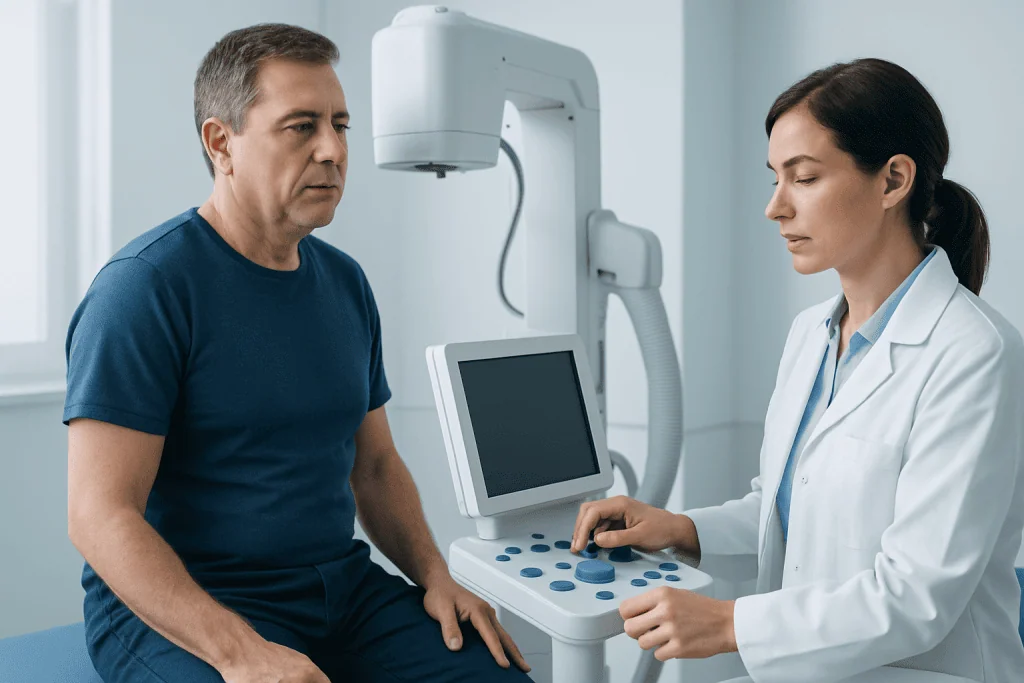
Imaging is often important. X-rays may show changes in the sacroiliac joints or spine, but early disease can be missed on plain films. MRI can detect active inflammation before structural changes become obvious, which can help guide earlier treatment. Depending on the symptoms, the doctor may also arrange physical therapy and rehabilitation assessment to document movement limits and functional needs.
Diagnosis can take time, especially in early stages or when symptoms overlap with other causes of back pain. Referral to a rheumatologist is often helpful when inflammatory spinal disease is suspected.
Treatment options and long-term care
Treatment for spondylitt aims to reduce pain and inflammation, preserve mobility, and help prevent long-term stiffness or structural damage. Most people need a plan that combines medication, regular exercise, and follow-up over time. The right approach depends on how active the inflammation is, which joints are involved, and whether other organs such as the eyes, skin, or bowel are affected.
Doctors often start with anti-inflammatory medication when appropriate, along with tailored exercise. If symptoms remain active or imaging shows ongoing inflammation, specialist treatment may include advanced medicines that target immune pathways. These decisions are made individually after balancing symptom severity, medical history, and treatment goals.
Physical therapy is a key part of care. Posture training, stretching, breathing exercises, and strengthening can help maintain movement and chest expansion. Some patients also benefit from coordinated pain management and rehabilitation support, particularly if stiffness has already limited function.
In rare situations, surgery may be considered for complications such as severe joint damage or major spinal deformity. For example, patients with significant hip involvement may eventually need hip replacement. If surgery becomes necessary, doctors discuss expected benefits, rehabilitation, and realistic recovery goals in detail.
Self-care, exercise, and daily living
Daily habits can make a meaningful difference for people living with spondylitt. Regular movement is usually more helpful than prolonged rest. Gentle, consistent exercise can reduce stiffness, support posture, and maintain flexibility over time.
Helpful routines often include stretching, walking, swimming, and exercises that strengthen the core and back muscles. Breathing exercises may also be useful when chest wall stiffness is present. A physical therapist can help design a program that matches the person’s pain level, posture, and mobility.
Other practical self-care steps include:
- Avoiding smoking, which can worsen overall health and may affect disease outcomes
- Using an ergonomic workspace and changing position regularly
- Maintaining a healthy body weight to reduce strain on joints
- Prioritizing sleep and stress management
- Taking medicines exactly as prescribed and attending follow-up visits
Self-care does not replace medical treatment, but it supports it. People should ask their doctor before starting a new exercise program, especially if pain is severe, balance is poor, or there is concern about advanced spinal changes.
When to seek medical care
Medical assessment is important if back pain lasts more than a few weeks, keeps returning, or is associated with marked morning stiffness. It is especially worthwhile when pain improves with movement rather than rest, starts at a younger age, or begins without a clear injury.
Prompt review is also advised if spinal symptoms occur together with red, painful eyes, swollen joints, heel pain, psoriasis, or bowel symptoms. These clues can point toward a wider inflammatory condition and may help doctors reach a diagnosis sooner.
Urgent medical attention is needed for warning signs such as new weakness, numbness, loss of bladder or bowel control, fever, unexplained weight loss, or severe pain after trauma. These symptoms are not typical of uncomplicated spondylitt and can suggest another serious cause that needs immediate care.
For people seeking specialist evaluation, Acibadem International’s multidisciplinary teams in JCI-accredited hospitals diagnose and treat inflammatory spinal conditions for international patients, often working with rheumatology, radiology, rehabilitation, and orthopedic specialists when needed.
Frequently asked questions
Is spondylitt the same as ankylosing spondylitis?
Not exactly. Spondylitt is often used informally to describe inflammatory disease of the spine, while ankylosing spondylitis is one specific diagnosis within that group. A doctor can determine whether symptoms fit ankylosing spondylitis or another form of spondyloarthritis.
How is spondylitt different from ordinary back pain?
Inflammatory back pain often develops gradually, is worse after rest, and improves with movement. Mechanical back pain from strain or degeneration more often worsens with activity and feels better with rest. Because symptoms can overlap, persistent pain should be assessed by a clinician.
Can spondylitt be cured?
There is usually no simple cure, but many people control symptoms well with the right treatment plan. Medicines, exercise, and regular monitoring can reduce inflammation and help maintain movement. Early diagnosis is helpful because it may limit long-term stiffness and damage.
What tests are used to diagnose spondylitt?
Doctors may use a physical examination, blood tests for inflammation, and imaging such as X-rays or MRI. No single test proves the diagnosis in every case. The overall pattern of symptoms, examination findings, and imaging results is what matters most.
Does exercise help or worsen spondylitt?
Appropriate exercise usually helps rather than harms. Gentle stretching, posture work, strengthening, and low-impact aerobic activity can reduce stiffness and support daily function. Exercise plans should be tailored if pain is severe or if mobility is already limited.
Can spondylitt affect parts of the body other than the spine?
Yes. Some people develop problems in the eyes, skin, bowel, heels, or other joints. That is why doctors often ask about symptoms beyond the back when inflammatory spinal disease is suspected.
This article is for general information only and is not a substitute for professional medical advice. Please consult a qualified doctor about your individual situation.
Joint and spine care in Turkey — expert assessment & treatment
JCI-accredited · board-certified surgeons · reply within 24h
Add us as a Preferred Source to see more of our trusted health content across Google Search, AI Overviews and Discover.

More from the Health Library

Grasp Reflex: A Complete Medical Overview

Radius: What Patients Need to Know

Brewers Yeast Benefits: What Patients Need to Know

Gemfibrozil: What Patients Need to Know

Skin Lightening Cream: A Complete Medical Overview