Sports & Spinal Physical Therapy: How It Works, Results and What to Expect
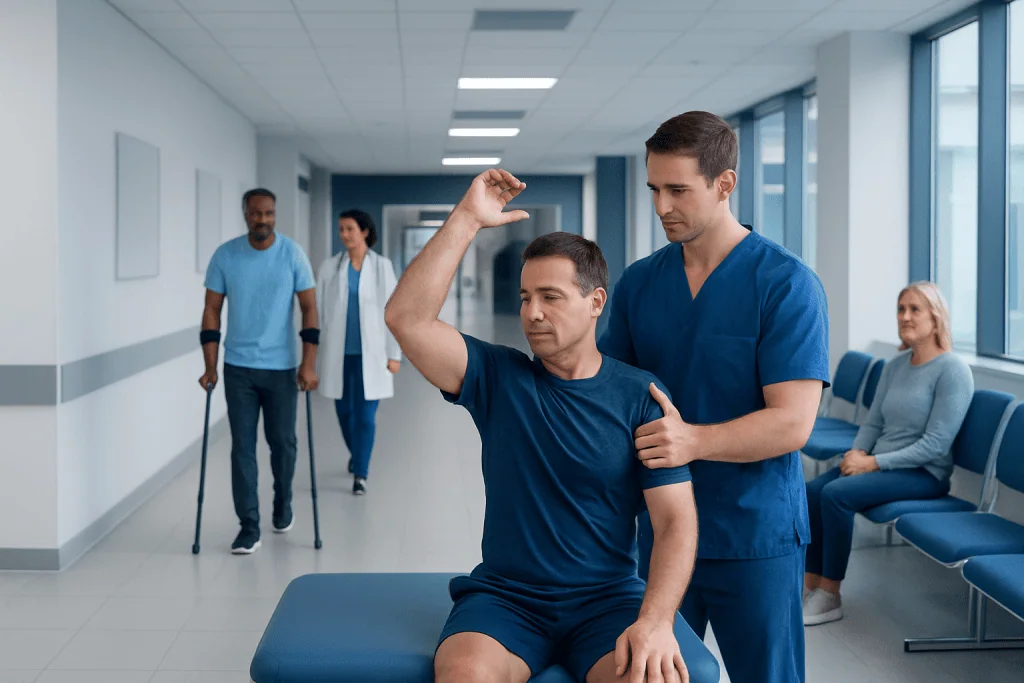
Sports and spinal physical therapy can address injuries, persistent musculoskeletal pain, post-operative recovery and return-to-sport goals. A thorough assessment guides a personalized plan that usually combines progressive exercise, movement retraining and self-management education.
Key Takeaways
- Sports and spinal physical therapy can address injuries, persistent musculoskeletal pain, post-operative recovery and return-to-sport goals.
- A thorough assessment guides a personalized plan that usually combines progressive exercise, movement retraining and self-management education.
- Improvement may begin within a few visits for some people, while recovery from more complex conditions can take weeks or months.
- Physical therapy should not be painful or pushed through worsening symptoms; new neurological symptoms or severe pain need prompt medical assessment.
- The best results usually depend on consistent participation in the home program and gradual progression of activity.
Sports & spinal physical therapy is a rehabilitation approach that assesses how a person moves, then uses individualized exercise, education and selected hands-on techniques to help manage pain, improve function and return to daily activities or sport. Plans are adjusted over time according to symptoms, goals, healing stage and medical findings.
Overview: What Is Sports & Spinal Physical Therapy?
Sports & spinal physical therapy is a specialized form of rehabilitation for people with sports-related injuries, spine pain and movement problems affecting everyday life. It aims to improve mobility, strength, coordination and confidence with movement while helping a person manage symptoms safely. Care may be useful for recreational exercisers, competitive athletes, active workers and people whose back or neck symptoms are unrelated to sport.
Rather than following one fixed protocol, a physical therapist identifies the movements, loads and daily habits that may be contributing to symptoms. The plan can include guided exercise, advice on activity modification, movement retraining, manual therapy when appropriate and a home exercise program. The overall goal is meaningful function, such as walking comfortably, lifting at work, sleeping better, returning to training or participating in a chosen sport.
Sports physical therapy places particular emphasis on the demands of a specific activity, including running, jumping, throwing, changing direction or contact. Spinal physical therapy focuses on the neck, upper back and low back, while also considering the hips, shoulders, core, nerves and general movement patterns that can influence spinal symptoms.
How It Works: Assessment, Goals and Personalized Care
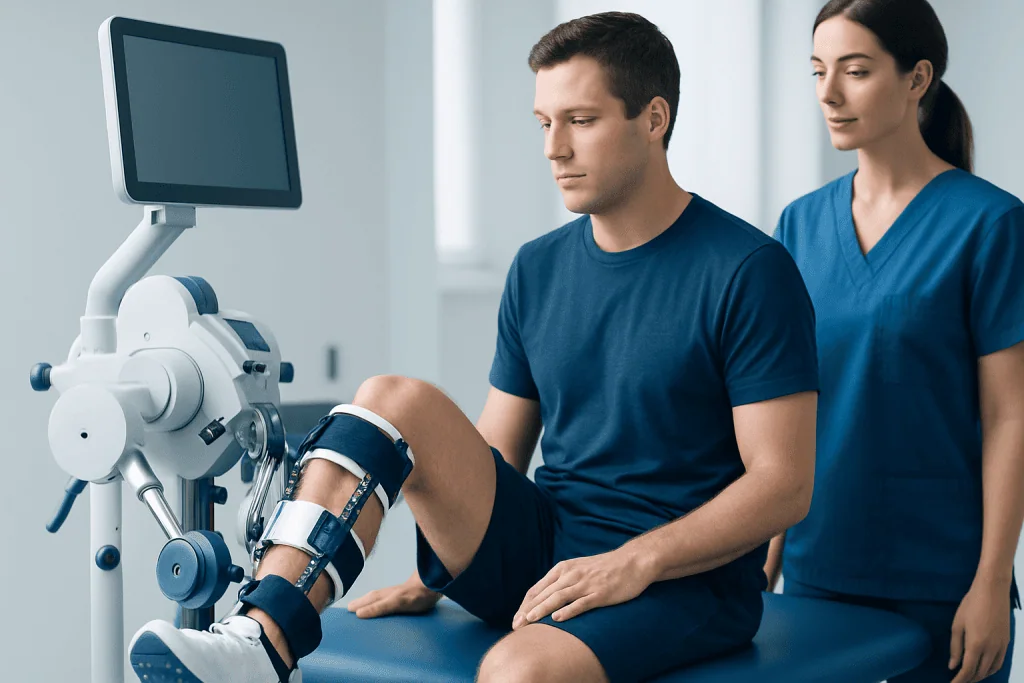
The first appointment usually begins with a detailed discussion. The therapist asks about the onset and pattern of symptoms, previous injuries or operations, sport or work demands, general health, medications and personal goals. They also ask what makes symptoms better or worse and whether any warning signs suggest the need for medical review before rehabilitation continues.
The physical assessment may include posture and movement observation, range-of-motion testing, muscle strength, balance, walking or running analysis, and task-specific testing. For a spinal concern, the therapist may assess how symptoms respond to bending, twisting, sitting, standing and nerve-related tests. A diagnosis is not based on one test alone; the findings are interpreted alongside a person’s history and, where available, medical imaging or specialist reports.
Based on this information, the therapist and patient agree on realistic, measurable goals. Treatment is then progressed according to symptom response and function. Referral to another clinician may be appropriate when there is concern for a condition needing additional investigation, medication, injection treatment, surgery or other specialist care.
- Early goals may include controlling symptoms and restoring comfortable movement.
- Middle-stage goals often focus on strength, endurance, balance and tolerance for daily tasks.
- Later-stage goals can include sport-specific drills, work simulation and strategies to reduce reinjury risk.
Who May Benefit and What a Typical Program Involves
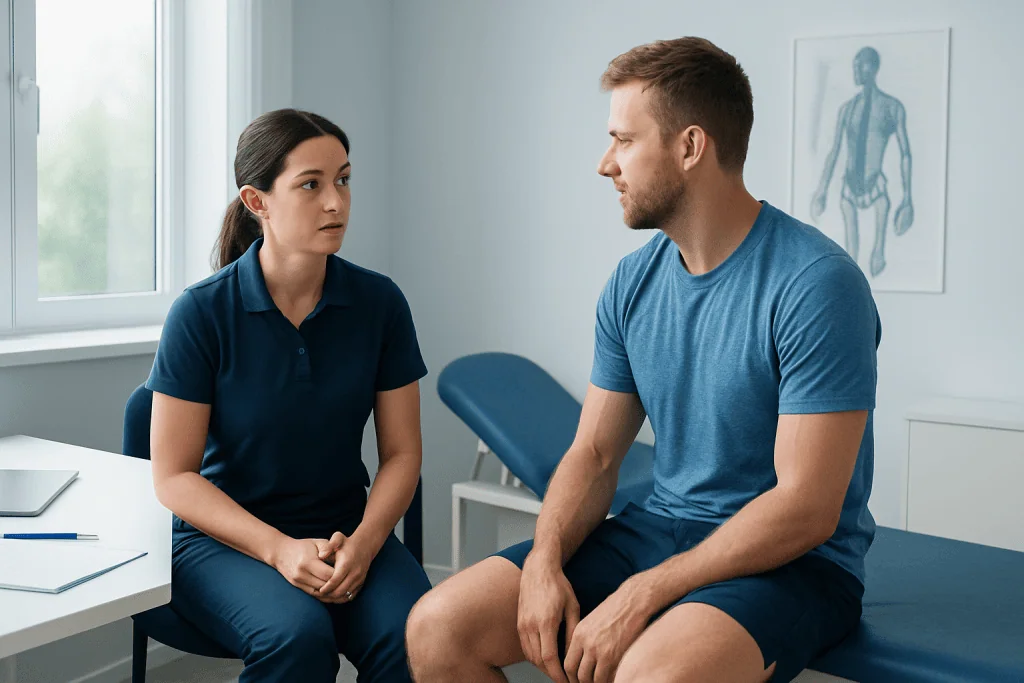
Sports & spinal physical therapy may be appropriate for many common musculoskeletal concerns, including sprains, muscle strains, tendon problems, overuse injuries, joint pain, persistent low back or neck pain, and rehabilitation after orthopedic treatment. It may also support recovery after an acute episode of back pain once serious causes have been excluded. People with symptoms related to a herniated disc may benefit from a clinician-guided plan, although the appropriate approach depends on the severity of symptoms and any nerve involvement.
A typical program is active rather than passive. Therapeutic exercise may build strength, flexibility, aerobic capacity, balance and motor control. The therapist may use manual techniques such as joint or soft-tissue mobilization for selected patients, but these are generally used alongside exercise and education rather than as a stand-alone solution. Taping, braces or other supports may sometimes be considered for short-term symptom management or protection during return to activity.
Not everyone is an immediate candidate for routine physical therapy. A clinician should first assess people with severe, unexplained or rapidly worsening pain, recent significant trauma, fever or other systemic illness, possible fracture, suspected infection, cancer-related concerns, or progressive weakness and numbness. Rehabilitation is most effective when the treatment plan matches the underlying problem and the person’s current ability.
What Happens Step by Step, and What Is the Recovery Timeline?
After the initial evaluation, the therapist explains the working diagnosis, expected rehabilitation priorities and activities that can usually be continued safely. Early sessions may emphasize education, symptom-calming strategies and simple movements that restore confidence. The patient is commonly given a manageable home program, with clear guidance on how often to perform it and how to recognize an acceptable response to exercise.
As tolerance improves, exercises become more specific and challenging. A runner may progress from walking tolerance and hip or calf strengthening to impact drills and graded running. Someone with spinal pain may move from comfortable mobility and trunk-control exercises to lifting, carrying and work-related tasks. Reassessment throughout the program helps determine whether the plan is working or should be modified.
Recovery timelines vary widely. Minor soft-tissue injuries may improve over several weeks, while post-operative rehabilitation, tendon conditions, recurrent pain or complex spinal symptoms may require several months of progressive work. The aim is not simply to reach a calendar date, but to meet functional milestones such as adequate strength, control, endurance and symptom stability for the person’s desired activity.
When rehabilitation follows surgery or a significant injury, the treating surgeon or physician may set specific precautions. In these circumstances, physical therapy is coordinated with the wider care plan. Some people may be referred for spine surgery evaluation when symptoms, neurological findings or imaging indicate that non-surgical care alone is not the appropriate option.
Benefits, Limits and Possible Risks
The potential benefits of sports & spinal physical therapy include improved movement, less activity-related pain, greater strength and endurance, better confidence, and a safer return to daily tasks or sport. It also helps people understand pacing, training load and techniques that may reduce the likelihood of repeated flare-ups. For many musculoskeletal conditions, supervised exercise and self-management are central parts of evidence-based conservative care.
Results are individual. Pain can be influenced by tissue healing, sleep, stress, work demands, fitness, previous injuries and other health conditions. Physical therapy cannot always remove every symptom, and imaging findings do not always explain the level of pain or predict how a person will function. A useful plan focuses on symptoms and functional goals together, with regular communication when progress is slower than expected.
Risks are generally low when care is appropriately assessed and progressed. Temporary muscle soreness or a short-lived increase in symptoms can occur after new exercises. However, sharp or escalating pain, symptoms that do not settle as advised, new weakness, increasing numbness or other unusual symptoms should be reported promptly. Treatment should be adapted rather than continued unchanged when it consistently worsens a patient’s condition.
How Long Does It Take to See Results From Physical Therapy?
Some people notice early changes in pain, mobility or confidence within the first few visits, particularly when the problem is recent and the exercises closely match their needs. Meaningful gains in strength, endurance and movement control usually take longer because the body needs time to adapt. It is common for progress to be gradual rather than linear.
The timeline depends on the diagnosis, severity and duration of symptoms, healing stage, fitness level, previous injuries, work or sport demands, and participation in the home program. A therapist should review progress at intervals and discuss whether goals, exercise intensity or the diagnosis need reconsideration. If there is little improvement despite appropriate participation, medical reassessment may be needed.
Patients can support progress by doing the agreed exercises consistently, keeping daily activity within tolerable limits, sleeping adequately and avoiding sudden large increases in training load. Rest is sometimes needed, but complete inactivity for prolonged periods can reduce conditioning and make return to activity more difficult for many musculoskeletal problems.
Is Sports Physical Therapy Worth It?
Sports physical therapy can be worthwhile when a person wants an individualized plan for returning to an activity, improving performance-related movement capacity or reducing recurrence after injury. It is especially helpful when a sport involves repeated high loads, rapid changes of direction, overhead movement, jumping, contact or endurance demands that are not fully addressed by general exercise alone.
A sports-focused therapist considers the whole pathway back to participation: symptom control, physical capacity, sport-specific skills, training volume and psychological readiness. Return-to-sport decisions should not be based only on whether pain has improved. Depending on the injury, they may also require satisfactory strength, balance, movement quality, functional testing and the ability to complete progressively demanding practice.
For people who are not athletes, the same principles can be adapted to meaningful activities such as lifting a child, gardening, walking, travel or physically demanding work. The value of therapy is best judged by whether it helps the person make safe, sustainable progress toward goals that matter to them.
The 8 Minute Rule, Red Flags and When to Seek Medical Care
What is the 8 minute rule in physical therapy? The 8 minute rule is a billing guideline used in some United States healthcare settings for timed, one-to-one therapy services. In general, it helps determine when a timed billing unit may be reported based on the number of minutes of direct treatment provided. It is an administrative rule, not a clinical measure of treatment quality, and it does not mean that every exercise or therapy session should last eight minutes.
What is a red flag in physical therapy? A red flag is a symptom, sign or history feature that may point to a serious condition requiring urgent medical assessment rather than routine rehabilitation alone. Examples include new loss of bladder or bowel control, numbness around the groin or buttocks, rapidly worsening limb weakness, severe pain after major trauma, fever with significant back pain, unexplained weight loss, or pain associated with a history of cancer. A therapist should screen for these concerns and arrange referral when necessary.
When to seek medical care: Prompt medical evaluation is important for severe or worsening pain, pain after an accident or fall, new neurological symptoms, inability to bear weight, a visibly deformed joint, or symptoms accompanied by fever or feeling unwell. Emergency care is needed for possible spinal cord or cauda equina symptoms, including new bowel or bladder changes, saddle-area numbness, or rapidly progressive weakness. For persistent pain that affects sleep, work or daily life, a doctor or qualified physical therapist can help determine the appropriate next step.
Acibadem International’s multidisciplinary specialists and JCI-accredited hospitals provide assessment and rehabilitation planning for international patients with sports and spine concerns. Care may involve physical medicine and rehabilitation clinicians, orthopedic specialists, neurologists, radiologists or spine surgeons when clinically indicated.
Frequently asked questions
Can physical therapy help back pain?
Physical therapy can help many people with back pain by improving movement, strength, activity tolerance and confidence with daily tasks. The program should be based on the person’s symptoms, examination findings and goals. Back pain with red-flag symptoms requires medical assessment without delay.
Do I need imaging before starting spinal physical therapy?
Not always. Many common episodes of neck or low back pain can be assessed clinically, and imaging may not change early treatment. A doctor may recommend imaging when there are red flags, significant trauma, progressive neurological symptoms or persistent symptoms that need further investigation.
Should exercises hurt during physical therapy?
Mild effort, muscle fatigue or temporary soreness can occur when starting or progressing exercise. Sharp pain, increasing neurological symptoms or symptoms that remain substantially worse should be discussed with the therapist. Exercises can usually be modified to maintain safe progression.
How often are physical therapy sessions needed?
The schedule depends on the condition, stage of recovery, goals and ability to complete a home program. Some people benefit from more frequent support early on, while others need periodic reviews and independent exercise between appointments. The plan should be regularly adjusted according to progress.
Can I continue playing sport while in physical therapy?
Often, a modified form of activity can continue, but this depends on the injury and current symptoms. A therapist may recommend temporary changes to intensity, duration, technique or training frequency. Participation should be progressed gradually and stopped if serious or worsening symptoms develop.
What should I bring to a sports physical therapy appointment?
Comfortable clothing that allows the affected area to be examined is helpful, along with supportive footwear if walking or running will be assessed. Patients should bring relevant imaging reports, medical records, a list of medications and details about their usual training or work activities. Clear goals and questions also help shape the treatment plan.
References
- American Physical Therapy Association
- National Institute for Health and Care Excellence
- American College of Sports Medicine
- World Health Organization
This article is for general information only and is not a substitute for professional medical advice. Please consult a qualified doctor about your individual situation.
Joint and spine care in Turkey — expert assessment & treatment
JCI-accredited · board-certified surgeons · reply within 24h
Add us as a Preferred Source to see more of our trusted health content across Google Search, AI Overviews and Discover.

More from the Health Library



Related Specialists

Prof. Dr. Muhsin Eraslan
Ophthalmology
Ody. Buket Arı
Audiology
Prof. Dr. Serdar Özgen
Neurosurgery
Prof. Dr. M. Nadir Şener
Orthopedic Surgery & Traumatology