Squamous Cell Carcinoma Surgery: Procedure, Recovery and Results
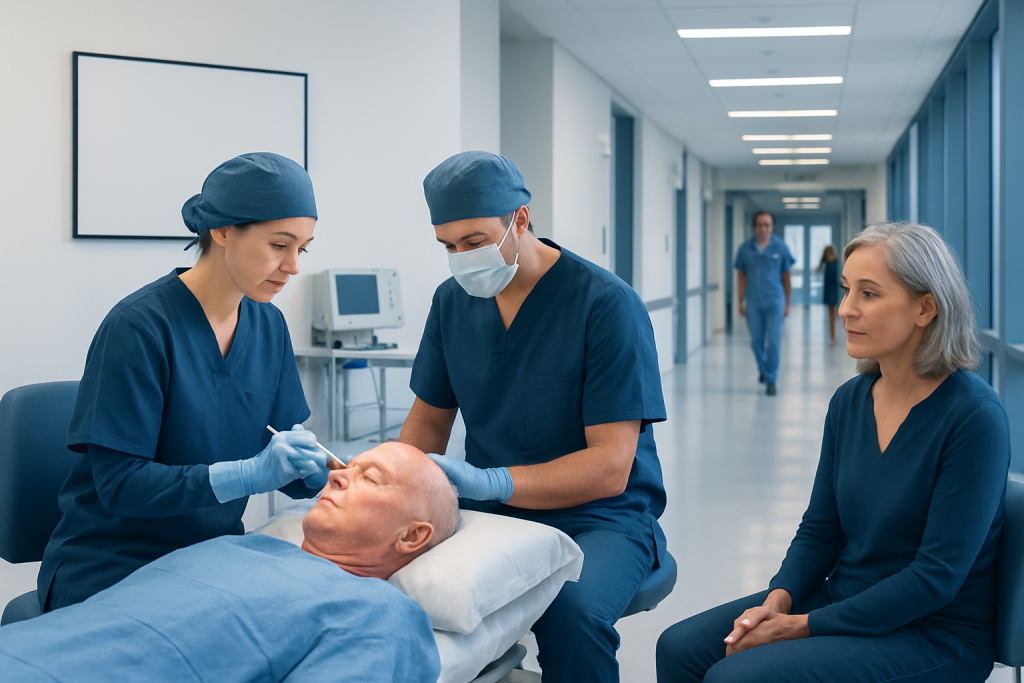
Surgery is often the main treatment for squamous cell carcinoma of the skin and aims to remove all cancer cells. Excision, Mohs micrographic surgery and lymph node surgery may be considered in different clinical situations.
Key Takeaways
- Surgery is often the main treatment for squamous cell carcinoma of the skin and aims to remove all cancer cells.
- Excision, Mohs micrographic surgery and lymph node surgery may be considered in different clinical situations.
- Most surgical wounds heal over several weeks, although scars continue to mature for months.
- The amount of tissue removed is tailored to the tumor and may be greater for recurrent, large or high-risk cancers.
- Regular skin checks and sun protection remain important after treatment because new skin cancers can develop.
Squamous cell carcinoma surgery is a common, effective treatment that removes the cancer along with a carefully planned margin of surrounding tissue. The type of operation, healing time and follow-up plan depend on the tumor’s size, depth, location and individual risk features.
Overview: what squamous cell carcinoma surgery involves
Squamous cell carcinoma surgery removes a squamous cell carcinoma (SCC) and a small surrounding border of normal-looking tissue to help ensure no cancer cells remain. For many people with SCC of the skin, surgery is the first treatment recommended because it provides both treatment and tissue that can be examined under a microscope.
The exact operation is individualized. A dermatologist, surgical oncologist, plastic surgeon, ear, nose and throat surgeon, or another specialist may be involved depending on where the cancer is located. Common approaches include standard surgical excision and Mohs micrographic surgery, which examines tissue margins during the procedure.
Skin SCC is different from squamous cell cancers that arise inside the mouth, throat, lungs, cervix or other organs. Those cancers may require a different surgical plan and may be treated with radiation therapy, systemic medicines or combinations of treatments. A biopsy and clinical assessment help the care team identify the type of SCC and plan appropriate care.
How surgery works and who may be a candidate
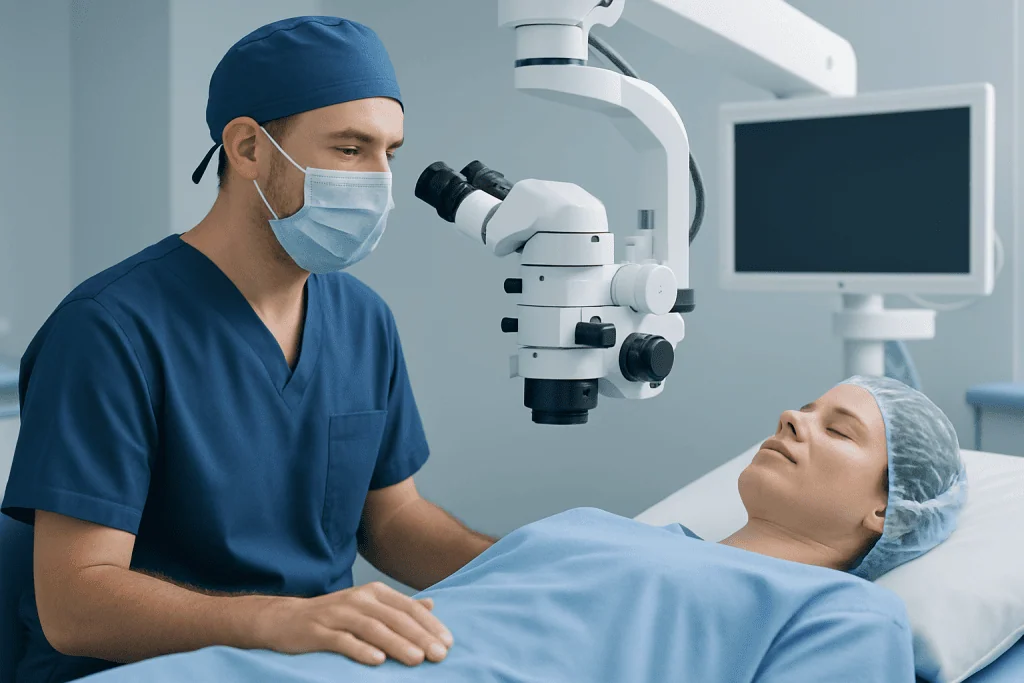
Surgery works by removing the visible tumor and enough tissue around and beneath it to reduce the chance that cancer cells are left behind. A pathologist examines the removed tissue to confirm the diagnosis, assess features linked with risk, and determine whether the edges, called margins, are clear of cancer.
Most people with localized cutaneous SCC are candidates for surgery. It is particularly suitable when the tumor can be removed without causing unacceptable functional or cosmetic effects. The choice of technique considers the site of the lesion, its size, whether it has returned after earlier treatment, biopsy findings, immune status and whether there are symptoms or signs suggesting spread.
Mohs surgery is often considered for SCCs in areas where preserving tissue is especially important, such as the eyelids, nose, lips, ears, fingers, genital area or lower legs. It can also be used for recurrent tumors and tumors with high-risk features. Standard excision may be appropriate for many lower-risk lesions on the trunk and limbs.
- Standard excision: the lesion and planned margin are removed in one procedure, then sent for pathology.
- Mohs surgery: thin layers are removed and examined during the visit until margins are clear.
- Lymph node assessment or surgery: may be considered when there is concern that a higher-risk SCC has spread.
What happens during squamous cell carcinoma surgery
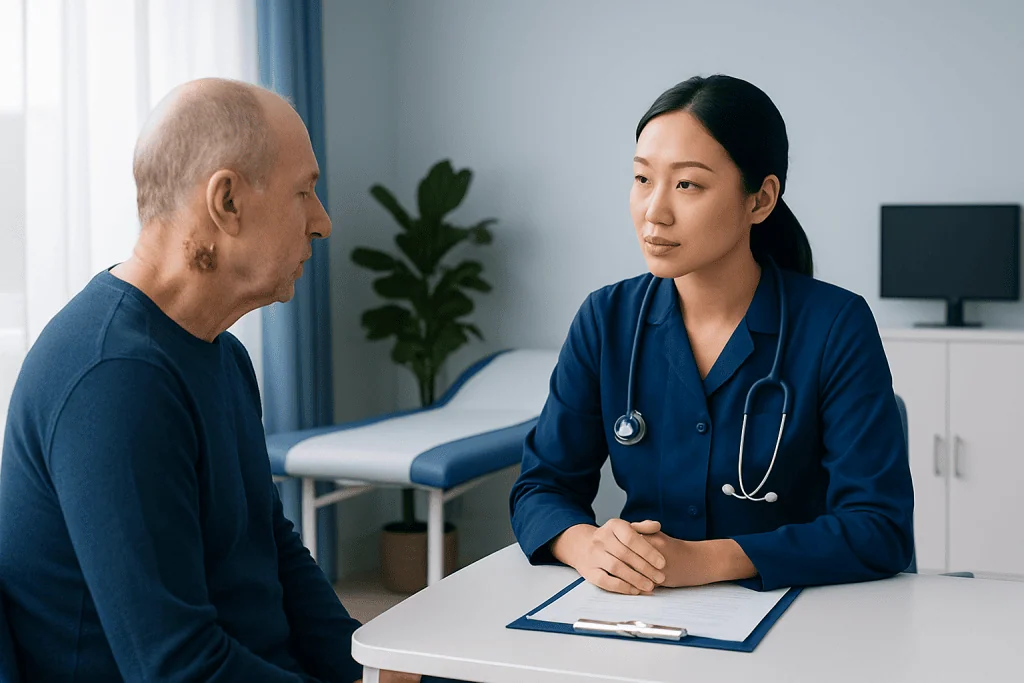
Before surgery, the clinician reviews the biopsy report, medical history, medications and any allergies. People should tell the team if they take blood-thinning medicines, have a pacemaker, have had problems with anesthesia, or have a condition that affects healing. They should not stop prescribed medication unless the treating clinician specifically advises it.
For many skin SCCs, surgery is performed as an outpatient procedure using local anesthetic. The area is cleaned and numbed, and the surgeon marks the planned removal area. During standard excision, the cancer and a margin of tissue are removed, usually in an oval shape, and the wound is closed with stitches when possible.
During Mohs surgery, the removed tissue is mapped and processed immediately. If microscopic examination finds cancer at an edge, the surgeon removes another thin layer only from the relevant area. This continues until no tumor is seen at the margins. The wound may be closed with stitches, allowed to heal naturally, or repaired with a skin graft or flap when needed.
If the SCC is large, deeply invasive or located near important structures, care may involve several specialties. Imaging, lymph node evaluation, reconstructive surgery, radiation therapy or drug treatment may be discussed in selected cases. Decisions are based on the person’s overall health and the cancer’s features, rather than on a single factor alone.
How urgent is surgery for squamous cell carcinoma?
Squamous cell carcinoma should be evaluated and treated promptly, but it is not always an emergency requiring surgery the same day. Many skin SCCs grow gradually and can be scheduled for treatment after the biopsy diagnosis and surgical planning are complete. The treating clinician can explain the appropriate timeframe for the individual lesion.
Some SCCs need more timely assessment because they may have a higher chance of growing deeply or spreading. Examples include rapidly enlarging tumors, lesions that are painful or numb, cancers on the lip or ear, recurrent SCCs, tumors in people with weakened immune systems, and lesions with concerning biopsy features.
Delaying evaluation after a suspicious biopsy result can allow a cancer to become larger and may make treatment more complex. Anyone who notices a changing, bleeding, crusted, tender or non-healing skin lesion should arrange a medical examination rather than trying to treat it at home.
What does stage 1 squamous cell carcinoma look like?
Stage 1 is a clinical classification based on tumor size and other medical features; it cannot be determined reliably by appearance alone. In general, an early skin SCC may appear as a persistent rough, scaly red patch, a thickened or crusted bump, a sore that does not heal, or a growth that may bleed with minor trauma.
Its color can vary with skin tone. It may look pink, red, brown, gray, skin-colored, scaly or crusted. Some lesions feel rough like sandpaper, while others are firm or raised. Because SCC can resemble eczema, warts, psoriasis and other benign conditions, a visual check alone is not enough for diagnosis.
Staging depends on the specific SCC type and the staging system used. For cutaneous SCC, clinicians consider factors such as the tumor’s dimensions, depth, location, invasion of nearby structures, nerve involvement and spread to lymph nodes or distant organs. A biopsy and, in selected cases, imaging or lymph node assessment provide the necessary information.
How deep is cut to remove squamous cell carcinoma?
The depth of the cut is not the same for every person. The surgeon removes the full thickness of skin containing the tumor and extends below it into an appropriate tissue plane. The goal is complete removal with clear microscopic margins while preserving as much healthy tissue and function as possible.
For standard excision, the planned side margin and depth are chosen according to the cancer’s risk level, size, location and biopsy findings. A small, lower-risk lesion may require less surrounding tissue than a large, recurrent or poorly defined lesion. The final pathology report determines whether the margins are free of cancer.
With Mohs surgery, the surgeon removes tissue in thin, precisely mapped layers and examines each layer. This approach can be especially valuable when the border is difficult to see or when the tumor lies in a cosmetically or functionally sensitive area. If cancer extends deeper than expected, further surgery or additional treatment may be required.
When SCC affects structures beyond the skin, such as cartilage, muscle, bone or nearby nerves, surgery can be more extensive and may require reconstruction. The care team explains the expected scope of surgery, wound repair options and possible functional considerations before treatment whenever possible.
Recovery timeline, benefits and possible risks
How long does it take for squamous cell carcinoma surgery to heal? Initial wound healing commonly takes about one to several weeks, depending on the wound size, body location, closure method and a person’s health. Stitches are usually removed according to the surgical site and clinician’s instructions. A scar may look red, raised or firm early on and often continues to soften and fade over several months.
After outpatient surgery, mild soreness, swelling, bruising, tightness or a small amount of drainage can occur. The team provides specific wound-care instructions, which may include keeping the dressing dry for a stated period, gentle cleansing, applying recommended ointment, avoiding strenuous activity temporarily and protecting the area from injury and sun exposure.
The main benefit of surgery is that it can remove localized cancer while providing pathology information about the tumor and margins. Risks vary by procedure and location but may include bleeding, infection, delayed healing, pain, numbness, wound separation, scarring and changes in appearance or function. Mohs surgery may involve a longer visit because tissue is examined in stages.
Contact the surgical team promptly for increasing redness, warmth, swelling, worsening pain, pus-like drainage, fever, persistent bleeding, a wound that opens, or any concern about healing. Follow-up appointments are important to review pathology results, monitor recovery and plan further care if needed.
Prevention, follow-up and when to seek medical care
After SCC treatment, regular professional skin examinations are important because a previous skin cancer increases the likelihood of developing another one. The frequency of follow-up depends on the tumor’s risk features and the person’s history. Between visits, people can check their skin for new or changing spots and report concerns without waiting for a routine appointment.
Sun protection helps lower the risk of additional UV-related skin damage. Practical steps include seeking shade when sunlight is strongest, wearing protective clothing and a broad-brimmed hat, using broad-spectrum sunscreen as directed, and avoiding tanning beds. People with extensive sun damage or multiple previous skin cancers may benefit from individualized prevention advice from a dermatologist.
When to seek medical care: medical assessment is advisable for a sore that does not heal, a scaly or crusted patch that persists, a lump that enlarges, or a spot that repeatedly bleeds or becomes painful. Urgent contact with a clinician is appropriate if a known SCC grows rapidly, causes numbness or weakness, or if enlarged lymph nodes are noticed near the affected area.
For people seeking coordinated evaluation, Acibadem International’s multidisciplinary specialists and JCI-accredited hospitals diagnose and treat skin cancers for international patients. A qualified clinician can explain whether surgery, another treatment, or a combination approach is most appropriate for the individual diagnosis.
Frequently asked questions
Is surgery the best treatment for squamous cell carcinoma?
Surgery is commonly the preferred treatment for localized squamous cell carcinoma of the skin because it can remove the cancer and confirm margin status through pathology. However, the best option depends on the lesion’s location, size, depth, risk features and the person’s health. Radiation therapy or other treatments may be used when surgery is not suitable or as additional treatment in selected cases.
Can squamous cell carcinoma come back after surgery?
Yes, SCC can recur at or near the treated site, especially if it has higher-risk features or was difficult to define clinically. A person may also develop a new SCC elsewhere on the skin. Follow-up examinations and prompt assessment of changing lesions support early detection.
Will squamous cell carcinoma surgery leave a scar?
Any procedure that cuts the skin can leave a scar. The final appearance depends on the size and location of the wound, the repair method, individual healing and postoperative care. Surgical teams aim to obtain cancer control while planning closure in a way that supports healing and function.
Do patients stay awake during SCC surgery?
Many skin SCC operations are performed with local anesthetic, so the person is awake but the treatment area is numbed. Sedation or general anesthesia may be used for larger procedures, difficult locations or surgery requiring more extensive reconstruction. The anesthesia plan is discussed before the operation.
What happens if pathology shows cancer at the edge of the removed tissue?
Cancer at the surgical margin means tumor cells were found at the edge of the specimen. The clinician may recommend additional surgery, often to remove more tissue, or another treatment depending on the situation. The recommendation is based on the pathology report and the tumor’s overall risk profile.
Can I exercise after squamous cell carcinoma surgery?
Light activity may be possible soon after minor surgery, but strenuous exercise, heavy lifting and movements that stretch the wound may need to be avoided temporarily. These activities can increase bleeding, swelling or wound separation. The surgical team provides guidance based on the location and type of repair.
References
- American Academy of Dermatology
- National Cancer Institute
- National Comprehensive Cancer Network
- American Cancer Society
- World Health Organization
This article is for general information only and is not a substitute for professional medical advice. Please consult a qualified doctor about your individual situation.
Oncology care in Turkey — second opinion and treatment plan
JCI-accredited · board-certified surgeons · reply within 24h
Add us as a Preferred Source to see more of our trusted health content across Google Search, AI Overviews and Discover.