Stage 1 Colon Cancer Treatment: How It Works, Results and What to Expect

Stage 1 colon cancer is localized to the bowel wall and has not spread to lymph nodes or distant organs. Surgery is the main treatment and is often the only treatment needed.
Key Takeaways
- Stage 1 colon cancer is localized to the bowel wall and has not spread to lymph nodes or distant organs.
- Surgery is the main treatment and is often the only treatment needed.
- Most people do not need chemotherapy after surgery for stage 1 colon cancer.
- Recovery varies by procedure and overall health, but many people resume light activities within several weeks.
- Follow-up colonoscopies, examinations and selected tests help detect recurrence or new polyps early.
Stage 1 colon cancer treatment is usually surgery to remove the cancer-containing section of bowel and nearby lymph nodes. When the tumor is completely removed and testing confirms stage 1 disease, additional chemotherapy is generally not recommended, although regular follow-up remains important.
Stage 1 Colon Cancer Treatment: An Overview
Stage 1 colon cancer treatment usually works by surgically removing the part of the colon containing the tumor, together with a margin of healthy tissue and nearby lymph nodes. For most people, surgery provides the best chance of cure and is the only treatment required after pathology confirms that the cancer is stage 1.
Stage 1 means the cancer has grown into deeper layers of the colon wall but has not reached nearby lymph nodes or spread to distant parts of the body. It is an early, localized stage of colon cancer, and treatment planning is individualized according to the tumor’s location, pathology findings, general health and surgical fitness.
The care team commonly includes a colorectal surgeon, medical oncologist, gastroenterologist, radiologist, pathologist, specialist nurse and dietitian. Their shared goal is to remove the cancer safely, support recovery and create a follow-up plan that is appropriate for the individual.
How Stage 1 Colon Cancer Surgery Works
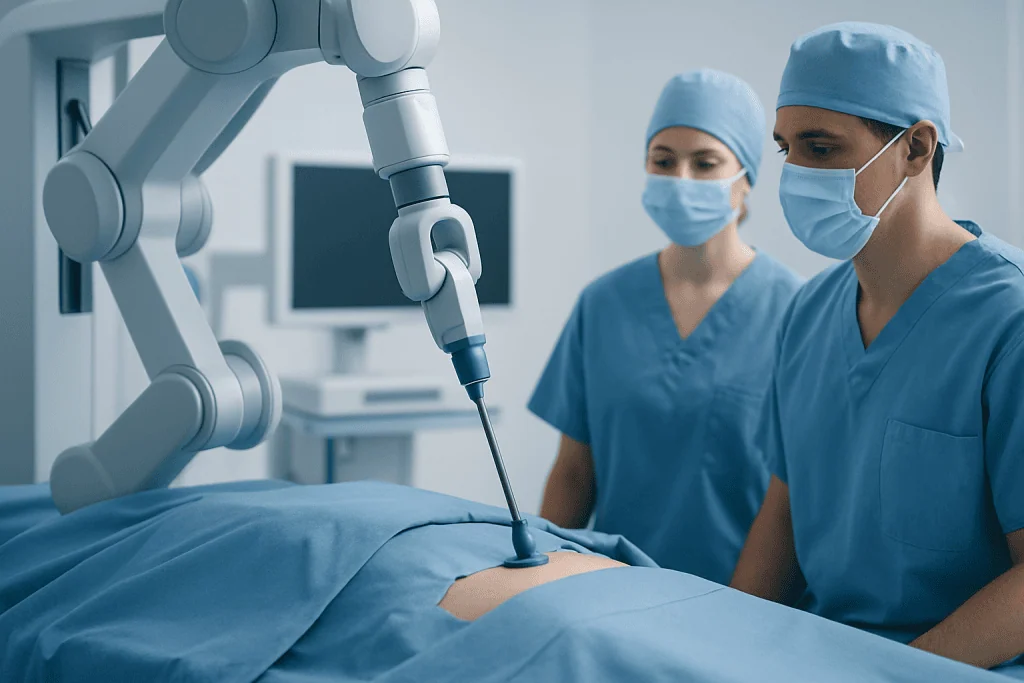
The standard operation is called a colectomy or colon resection. The surgeon removes the section of colon affected by cancer, the blood vessels and lymph nodes that drain that section, and a small margin of normal bowel on either side. The two remaining ends of the bowel are usually joined together, which is called an anastomosis.
Removing lymph nodes is important even when scans suggest stage 1 disease. A pathologist examines them after surgery to confirm whether cancer cells are present. This detailed examination provides the most reliable final stage and helps determine whether any additional treatment should be considered.
Surgery may be performed through a larger abdominal incision (open surgery) or using minimally invasive techniques, such as laparoscopic or robotic surgery. These approaches use smaller incisions and may support a shorter hospital stay for suitable patients, but the safest technique depends on tumor location, previous surgery, anatomy and the surgeon’s assessment. Colon cancer surgery is planned to achieve complete tumor removal while preserving bowel function whenever possible.
Who Is a Candidate and What Happens Before Surgery?
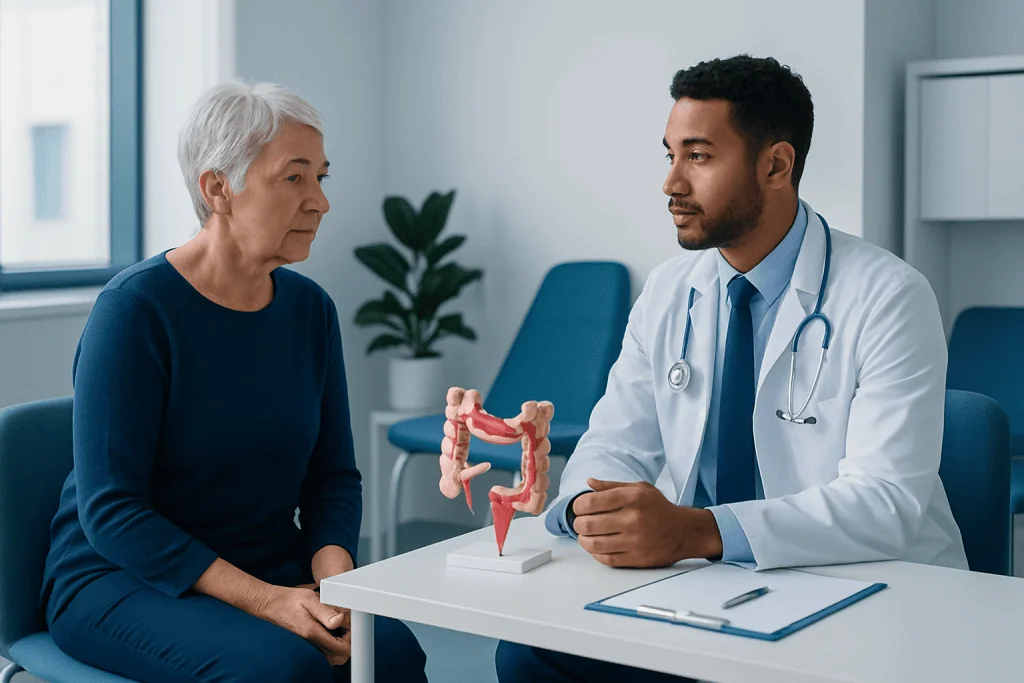
Most people with confirmed stage 1 colon cancer are candidates for surgery. Before treatment, clinicians assess the exact location and extent of the tumor, review biopsy results, and evaluate whether the heart, lungs, kidneys and nutritional status can support anesthesia and recovery.
Assessment commonly includes colonoscopy, biopsy review, blood tests and imaging such as CT scans of the chest, abdomen and pelvis. Imaging helps rule out spread beyond the colon, while colonoscopy also checks for additional polyps or cancers elsewhere in the large bowel. In some situations, a complete colonoscopy is arranged after surgery if the initial examination could not pass the tumor.
Patients may be advised to adjust medicines before surgery, particularly blood thinners, diabetes medicines or supplements that affect bleeding. The surgical team may also recommend bowel preparation, antibiotics, fasting instructions, breathing exercises, nutritional support and early-mobilization planning. These preparations reduce avoidable risks and make recovery more predictable.
What to Expect: Step by Step
On the day of surgery, the patient receives general anesthesia and is asleep throughout the procedure. The surgical team identifies the relevant part of the colon, removes the tumor-containing segment and nearby lymph nodes, then reconnects the bowel when it is safe to do so. A temporary stoma is uncommon for straightforward stage 1 colon cancer but may occasionally be necessary, depending on the operation and individual circumstances.
After surgery, care focuses on comfort, safe movement, breathing exercises, prevention of blood clots and gradual return of bowel function. Many enhanced-recovery programs encourage getting out of bed and taking short walks as soon as medically appropriate. Fluids and food are reintroduced gradually, based on nausea, bowel activity and the type of surgery performed.
The removed tissue is examined in the laboratory. The final pathology report describes the tumor depth, margins, number of lymph nodes examined and whether any high-risk findings are present. The surgeon and oncology team then explain the final stage and whether surveillance alone is appropriate.
Potential benefits of surgery include complete removal of localized cancer, accurate staging and relief of symptoms that may have been caused by the tumor. Possible risks include bleeding, infection, blood clots, temporary bowel slowing, leakage at the bowel join, scar-related bowel obstruction and changes in bowel habits. The team discusses personal risks before consent is given.
Recovery Timeline After Stage 1 Colon Cancer Surgery
Recovery is individual and depends on the type of operation, age, fitness, nutritional status, complications and the need for an open or minimally invasive approach. After minimally invasive surgery, some people go home within a few days when pain is controlled, they are eating and drinking adequately, walking safely and passing stool or gas. Open surgery may require a longer stay.
At home, tiredness is common for several weeks. Gentle walking and gradual activity usually help strength return, while heavy lifting and strenuous exercise should wait until the surgical team confirms healing is adequate. Bowel movements can be more frequent, looser or less predictable at first, especially when a larger section of colon has been removed; these changes often improve over time.
Many people can return to desk-based work and routine daily tasks within several weeks, but full recovery may take longer. Follow-up appointments review the incision, bowel function, pathology report, diet, activity and emotional wellbeing. New or worsening pain, fever, persistent vomiting, wound drainage, increasing abdominal swelling, shortness of breath or inability to keep fluids down should be reported promptly.
Do You Need Chemo if You Have Stage 1 Colon Cancer?
Chemotherapy is not routinely recommended after surgery for confirmed stage 1 colon cancer. Because the cancer has not spread to lymph nodes or distant sites, complete surgical removal is usually sufficient, and studies have not shown a clear benefit from routine postoperative chemotherapy in this setting.
Occasionally, the final pathology report changes the stage or identifies features that require further discussion with a medical oncologist. For example, cancer found in lymph nodes would mean the disease is not stage 1, and treatment recommendations may change. This is why final pathology, rather than biopsy results alone, guides the postoperative plan.
Some very early cancers may be removed during colonoscopy with an advanced endoscopic technique rather than bowel surgery, if they meet strict low-risk criteria. If the specimen shows deeper invasion, uncertain margins or concerning features, surgery may still be advised. Chemotherapy is more commonly part of care for higher-stage colon cancer, not standard care for stage 1 disease.
How Serious Is Stage 1 Colon Cancer?
Stage 1 colon cancer is serious because it is cancer and requires timely specialist treatment. However, it is also one of the most treatable stages because it remains localized. Surgery can often remove all visible disease, and the outlook is generally favorable compared with cancers diagnosed at more advanced stages.
No individual outcome can be predicted from stage alone. Prognosis is influenced by complete removal of the tumor, pathology findings, the person’s overall health and attendance at follow-up care. A doctor can explain what the pathology report means for the individual rather than relying on general survival figures.
Follow-up is still important because a person who has had colon cancer may develop new polyps or, less commonly, a recurrence. Surveillance commonly includes scheduled colonoscopy and clinical review, with blood tests or imaging when clinically indicated. Healthy lifestyle habits, including regular physical activity, a balanced diet, avoiding tobacco and limiting alcohol, can support general health after treatment.
How Long Does It Take Colon Cancer to Progress From Stage 1 to Stage 4?
There is no fixed timeline for colon cancer to progress from stage 1 to stage 4. Some tumors grow slowly over years, often beginning as polyps, while others may behave more aggressively. The rate depends on tumor biology, genetic features, immune factors and whether treatment occurs.
Stage 1 cancer should not be left untreated in the hope that it will remain early stage. Once diagnosed, prompt assessment and planned treatment are appropriate because it is not possible to predict how any individual cancer will behave. Early treatment aims to remove the cancer before it has an opportunity to spread.
Screening remains valuable because it can identify polyps before they become cancer and find cancers at an earlier, more treatable stage. People with a family history of colorectal cancer, inherited cancer syndromes, inflammatory bowel disease or concerning symptoms may need assessment earlier or more often than average-risk individuals.
When to Seek Medical Care
Anyone who has been diagnosed with stage 1 colon cancer should see a colorectal surgeon and oncology team to discuss treatment without unnecessary delay. A second opinion may be helpful if there is uncertainty about the diagnosis, the proposed procedure or whether endoscopic removal could be appropriate.
Medical assessment is also recommended for persistent rectal bleeding, a lasting change in bowel habits, unexplained iron-deficiency anemia, ongoing abdominal discomfort, unintentional weight loss or unusual fatigue. These symptoms are common and can have causes other than cancer, but they deserve evaluation when persistent or unexplained.
After surgery, urgent medical advice is needed for severe or worsening abdominal pain, fever, repeated vomiting, heavy rectal bleeding, chest pain, sudden shortness of breath, leg swelling or signs of wound infection. Acibadem International’s multidisciplinary specialists and JCI-accredited hospitals support diagnosis, surgery and follow-up care for international patients with colon cancer.
Frequently asked questions
What is the usual stage 1 colon cancer treatment?
The usual treatment is surgery to remove the affected part of the colon, the tumor and nearby lymph nodes. The pathology examination after surgery confirms the final stage and whether the cancer was completely removed.
Do you need chemo if you have stage 1 colon cancer?
Most people with confirmed stage 1 colon cancer do not need chemotherapy after surgery. Chemotherapy may be discussed only if final pathology shows that the cancer is more advanced than initially thought or another individual factor changes the diagnosis.
How long does it take to recover from stage 1 colon cancer surgery?
Hospital recovery often takes several days, although this varies with the type of surgery and a person’s health. Light daily activities may resume over the following weeks, while full strength and bowel adjustment can take several weeks or longer.
How serious is stage 1 colon cancer?
Stage 1 colon cancer is a serious diagnosis, but it is localized and generally highly treatable with surgery. Its outlook is usually better than that of colon cancer diagnosed after lymph node or distant spread.
How long does it take colon cancer to progress from stage 1 to stage 4?
The timeline cannot be predicted reliably because colon cancers vary substantially in their biology and growth rate. Treatment should not be delayed, as early surgery is intended to remove the cancer before spread can occur.
Will bowel habits change after colon cancer surgery?
Temporary changes such as more frequent stools, loose stools, constipation or urgency can occur during recovery. Many people improve gradually, but persistent or troubling symptoms should be discussed with the surgical team or a dietitian.
References
- National Cancer Institute
- American Cancer Society
- National Comprehensive Cancer Network
- American Society of Clinical Oncology
- European Society for Medical Oncology
This article is for general information only and is not a substitute for professional medical advice. Please consult a qualified doctor about your individual situation.
Colon Cancer in Turkey — costs, top hospitals & a free quote
JCI-accredited · board-certified surgeons · reply within 24h
Add us as a Preferred Source to see more of our trusted health content across Google Search, AI Overviews and Discover.

Medical Oncology Department
Medical treatment of cancer with chemotherapy, immunotherapy and targeted therapies under a multidisciplinary tumor board.
60 specialists in this unit